
Our editorial team weighed ALLWEI's published specifications and how it stacks up against similar products in the generators category. What stands out: Long-Lasting LiFePO4 With BMS, 9 Versatile Output Ports, and Quick Multi-Method Charging. Where it falls short: Slower Without Direct Sun and Auto-Sleep at Low Draw. That puts it at 8.1/10 on our WG Score – an excellent, well-rounded option.
 Reviewed byTristan
When the lights go out or you head off the grid, a silent, fume-free energy source becomes essential. Most homeowners quickly realize that choosing between the solar powered generators for home of 2026 boils down to just a few real contenders: the high-capacity EF ECOFLOW RIVER 2 Pro, the durable ALLWEI 500W, and the budget-friendly GRECELL 300W. These three models cover the vast majority of home backup scenarios, from powering a CPAP machine through the night to keeping a refrigerator running during a storm.
For those seeking a complete kit with a solar panel included, the EF ECOFLOW and ALLWEI offerings stand out, while the GRECELL 300W provides an entry point for smaller budgets. If you need more flexibility in panel selection, check out our guide on the Best Solar Power Stations For Home to see how standalone power stations compare.
Pros
- Ultra-portable at 6.17 lbs with compact dimensions for easy travel
- Multiple recharge methods including fast USB-C, solar, and car
- Durable LiFePO4 battery with smart temperature control
- Zero noise operation ideal for camping
- App connectivity for convenient power management
Cons
- No wall charger included, requires separate USB-C PD purchase
- DC-only output with no AC inverter
- Solar input limited to 100W max and specific panel compatibility
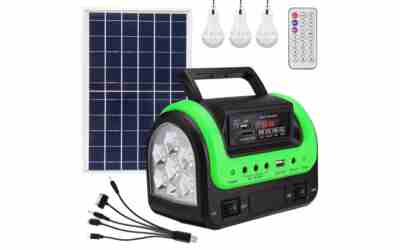
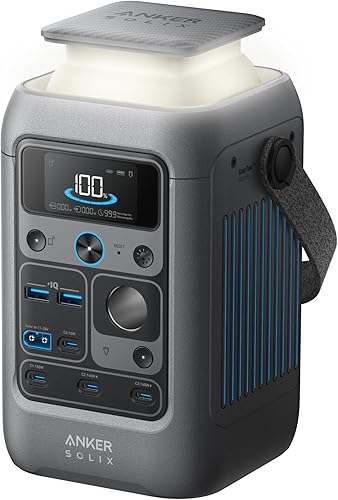
The Anker SOLIX C300 DC is a lightweight portable power station designed for outdoor enthusiasts, campers, travelers, and those preparing for emergencies. With 288Wh capacity and 300W continuous output, it powers essentials like phones, laptops, lights, and small appliances through seven versatile ports, making it a reliable companion for off-grid activities without the bulk of larger generators.
Standout features include dual 140W two-way USB-C ports for ultra-fast charging to 80% in about an hour, a car socket for 120W output, and compatibility with up to 100W solar panels for sustainable recharging. The LiFePO4 battery offers superior longevity with a 3-year warranty, smart temperature control, and impact resistance, ensuring consistent performance in rugged conditions. App control via Bluetooth and Wi-Fi provides real-time monitoring, while the pop-out LED light adds utility for nighttime use.
Its build quality shines in the go-anywhere design: at 4.89 x 4.72 x 7.87 inches and 6.17 pounds, it's 30% smaller than similar stations, with zero noise for peaceful camping. Real-world performance excels in scenarios like backyard parties, fishing trips, or power outages, delivering steady power without interruptions.
Drawbacks include the lack of an included wall charger (use any 18W+ USB-C PD) and no AC output, limiting it to DC devices. Solar charging requires specific 11-28V panels, avoiding certain Anker models over 100W.
Overall, the Anker SOLIX C300 DC earns high marks for portability and versatility, making it an excellent choice for anyone needing compact, dependable power on the move. Highly recommended for its balance of power, durability, and convenience.
Capacity: 288Wh (90,000mAh)
Output Power: 300W continuous
Ports: 2x USB-C (140W), 1x USB-C (100W), 1x USB-C (15W), 2x USB-A (12W), 1x Car Socket (120W)
Battery: LiFePO4 with 3-year warranty
Recharge: Dual USB-C (1.5h to 100%), Solar (100W max), Car (120W)
Dimensions: 4.89 x 4.72 x 7.87 inches
Weight: 6.17 lbs
Connectivity: Bluetooth & Wi-Fi app control

Pros
- Exceptional portability and lightweight design for easy transport
- Reliable high-output power for appliances like coffee makers, sump pumps, and CPAPs
- Fast solar and AC recharging with real-world efficiency near rated specs
- Long-lasting battery with precise monitoring via app
- Quiet operation and versatile outlets for multiple uses
Cons
- Ships in separate packages which may arrive on different days
- Standard solar cable limits panel distance to about 9 feet without extension
- High-surge appliances over 1600W may not start reliably
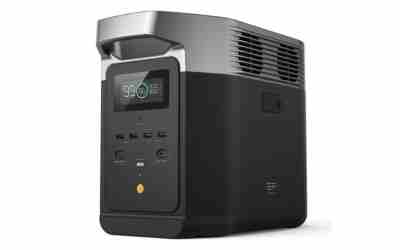
The EF ECOFLOW RIVER 2 Pro is a compact 768Wh LiFePO4 solar generator paired with a 220W bifacial solar panel, designed for campers, RVers, outdoor enthusiasts, and anyone needing reliable home backup during outages. It excels in delivering clean, portable power for essentials like routers, fridges, CPAP machines, and tools, making it a versatile solution for off-grid living or emergencies.
Standout features include 800W AC output with 1600W X-Boost surge, powering up to 80% of appliances, and rapid solar recharging in 4.3 hours thanks to the panel's dual-sided energy capture. Users report real-world success running coffee makers, sump pumps, vacuums, and internet setups for over 24 hours, with the app providing precise monitoring of input, output, and battery health. The LiFePO4 battery offers 3000+ cycles for nearly a decade of use.
Build quality shines with a lightweight 17.2 lb station and 16.4 lb foldable panel featuring tempered glass, IP68 waterproofing, and kickstands for stability. It's ergonomic with a handle, stackable top, and intuitive controls, though the solar cable's short length may require an extension in spacious setups.
Minor drawbacks include separate shipping and occasional delays, plus limitations on ultra-high surge devices. Overall, this generator earns high praise for performance and durability, making it a top pick for portable power needs.
Verdict: Highly recommended for its balance of power, portability, and longevity, delivering peace of mind on adventures or blackouts.
Key Specs:
- Capacity: 768Wh LiFePO4 Battery
- Output: 800W Continuous (1600W Surge), 4x AC Outlets
- Solar Input: 220W Bifacial Panel
- Total Outlets: 11 (AC, USB-C 100W, USB-A, 12V)
- Weight: 17.2 lbs (Station) + 16.4 lbs (Panel)
- Dimensions: 10.5"L x 10.1"W x 8.5"H
- Recharge Time: 4.3 Hours Solar, <1 Hour AC
- Warranty: 5 Years
Buyers rave about its ability to sustain internet during outages for 28+ hours, power CPAPs overnight, and handle sump pumps with surges up to 1600W. Campers appreciate the quiet, lightweight setup for fridges and fans, while the fast app-controlled charging stands out in real-world tests near rated solar efficiency even in cold weather.
Common praise includes flawless appliance compatibility and rugged solar panel durability, with many noting it as a 'game-changer' for RV and emergency use.

Pros
- Holds charge reliably even during extended storage, as noted by multiple users
- Quiet operation with smart fan that activates only when needed
- Multiple recharging options including solar compatibility enhance versatility
- Sturdy build and comfortable handle make it truly portable
- Powers small appliances and electronics effectively without issues
Cons
- Cannot sustain devices over 500W like coffee makers or heaters, leading to overload shutdowns
- Max input limited to around 150W, slowing recharge with some panels
- Battery drains if AC output left on without loads
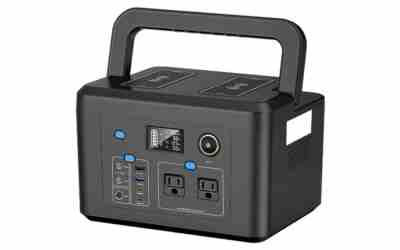
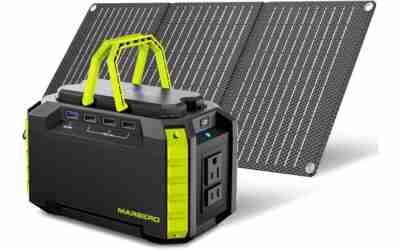
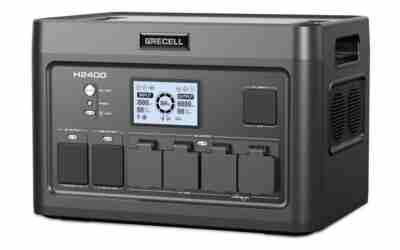
The GRECELL T-500 is a compact 500W (peak 1000W) portable power station with 519Wh lithium-ion battery capacity, designed for outdoor enthusiasts, RV campers, and home emergency preparedness. It excels at powering up to 10 devices simultaneously through its array of outputs: 2 pure sine wave 110V AC outlets, USB-A QC3.0 ports, USB-C PD 60W, DC ports, car port, and wireless charger. Ideal for road trips, fishing, climbing, or blackouts, it keeps phones, laptops, fans, routers, TVs, and CPAP machines running reliably.
Standout performance includes fast charging for devices and real-world runtime for low-to-medium power needs, with users praising its ability to hold charge over long periods and recharge efficiently via wall, car, or 100W solar panels. The LCD screen provides clear visibility of battery levels, power in/out, and modes, while the built-in BMS ensures safe operation with protections against overvoltage, short circuits, and overheating. Reviewers highlight its quiet smart fan and effectiveness for campsite essentials like lights and mini Starlink, though it shines most for non-heating appliances under 500W.
Build quality impresses with a lightweight 14lb frame, solid handle, and durable plastic exterior measuring 11.6 x 7.9 x 7.9 inches. The LED light with strobe/SOS functions adds utility for emergencies. Included accessories like cables and a storage bag enhance usability. Some users note the need to turn off unused outputs to preserve battery, but overall, it feels sturdy and portable.
Drawbacks include inability to handle high-wattage heating devices like coffee percolators, which trigger safety shutdowns, and a 150W input cap that limits super-fast solar recharges. Rare complaints mention quick drain under light loads in defective units, but customer support resolves issues promptly.
Verdict: A strong value for portable backup power, well-regarded for reliability in camping and emergencies. Buy if you need lightweight versatility without high-power demands; upgrade for heaters or faster inputs.
Capacity: 519Wh / 140400mAh
Output: 500W continuous (1000W peak), 2x AC 110V, 3x USB-A 18W, 1x USB-C 60W, 2x DC 12V/5A, Car 12V/10A, Wireless 10W
Weight: 14.1 lbs | Dimensions: 11.6 x 7.9 x 7.9 inches
Recharge: Solar (6-9hrs 100W), Wall (6-7hrs), Car (7-8hrs)
Other: Pure sine wave, BMS safety, LCD display, LED light/SOS, 2-year warranty

Pros
- Exceptional battery longevity with LiFePO4 and BMS safety system
- Versatile 9 output ports handle phones, laptops, CPAP, fans, and tools
- Quick charging options including solar, AC, and car for non-stop power
- Compact and portable for easy transport in camping or emergencies
Cons
- Solar charging slows without direct full sun exposure
- Auto-sleep mode may shut off with very low-draw devices
- Occasional reports of inconsistent performance or capacity drain
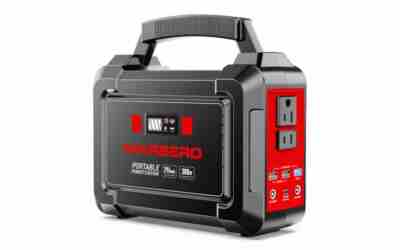
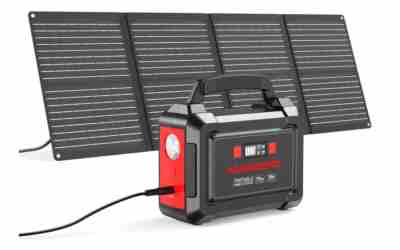
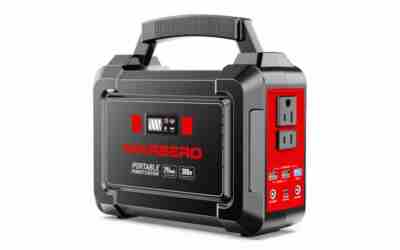
The ALLWEI 500W solar generator kit pairs a 512Wh LiFePO4 portable power station with a 100W solar panel, making it a versatile solution for off-grid camping, RV adventures, home backups, and emergency power needs like running CPAP machines during outages. Its 500W output with 1000W surge handles fans, mini fridges, laptops, and tools effectively, while multiple charging methods ensure quick top-ups.
Standout features include the ultra-long-lasting LiFePO4 battery with over 3000 cycles and built-in BMS for safety, plus a 10ms UPS function that prevents data loss on PCs or servers. Real-world performance shines in sunny conditions for solar recharging phones and fridges, as noted by boondock campers, though it excels most with direct sunlight or AC/car inputs for faster results.
Build quality is solid with a lightweight 13-pound frame and intuitive controls, though the fan runs noticeably loud under load and some users report tighter DC port fits. Design prioritizes portability at 11.7x7.7x7.7 inches, fitting easily in vehicles or tents.
Drawbacks include slower solar rates in shade and rare capacity inconsistencies, but these are minor for most users. Overall, this kit delivers reliable, green power for outdoor enthusiasts and backup seekers, earning strong praise for value and ease.
Battery: 512Wh LiFePO4, 3000+ cycles
Output: 500W (1000W surge), 2 AC, USB-C PD100W/27W, 2 USB-A QC3.0, 2 DC 5521, Car port
Charging: AC 2.5-3.5hrs (Q mode), Solar 6.5-7.5hrs, Car 4.5-5.5hrs
Dimensions: 11.7 x 7.7 x 7.7 inches, 13 lbs
Other: UPS <10ms, Pass-through charging, 0-40°C operation
Ideal for RV camping, home outages, or outdoor use powering up to 50W fans for 9+ hours. Pair with direct sun for best solar efficiency; use AC for speed. Avoid overloads over 500W by resetting via front button. Maintain >30% battery for longevity. Compatible with 12-24V solar panels.

Pros
- Fast charging and long hold on battery, easy to connect to solar panels
- Compact and lightweight, simple controls with readable screen
- Reliable for low-to-medium power devices like fans, lights, and electronics during outages or camping
- Multiple ports and flexible recharging options enhance convenience
Cons
- Struggles with heating appliances like coffee makers due to wattage limits
- Battery may drain quickly under continuous heavy load
- Solar input limited, requiring compatible panels for optimal use
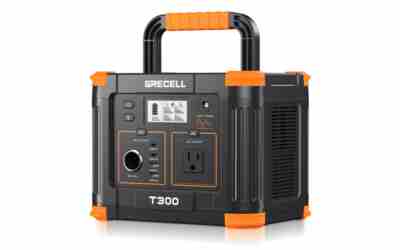
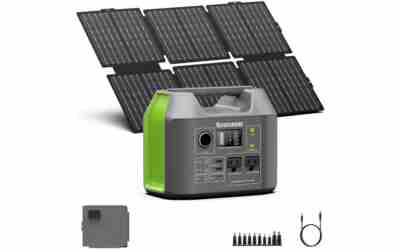
The GRECELL T300 300W Portable Power Station is a compact lithium battery backup designed for outdoor enthusiasts, travelers, and anyone needing reliable power during home blackouts. With 230.88Wh capacity and 330W continuous output (600W surge), it supports devices like laptops, tablets, phones, fans, CPAP machines, and mini-refrigerators, making it a versatile solar generator for camping or emergencies.
Standout features include a 60W PD USB-C port for rapid laptop charging, multiple QC USB-A ports, a 110V pure sine wave AC outlet, and a car port, allowing six devices to charge at once. Real-world performance shines in reviews, with users praising quick AC recharges, stable solar input via built-in MPPT, and a clear display tracking power flow. It excels at keeping essentials like TVs, modems, and lights running for hours during outages.
Build quality is solid, with a lightweight 7.3-pound frame, sturdy construction, and safety-focused upgraded BMS preventing overcharge or shorts. Silent fans maintain cool operation, and the orange design adds portability with rubberized footing for stability. Users appreciate its ease of use and long charge retention even when idle.
Drawbacks include inability to handle high-heat devices like coffee percolators, which trigger overload protection, and faster drain under sustained loads. Solar recharging works best with compatible panels up to certain wattage.
Overall, the GRECELL T300 delivers excellent value for portable power needs, earning high marks for reliability and convenience. Ideal if you prioritize lightweight backup over heavy-duty appliances.
Brand: GRECELL
Model: T300
Capacity: 230.88Wh
Output: 330W (600W surge), 110V AC pure sine wave
Ports: 1x AC, 1x USB-C 60W PD, 1x USB-C 18W, 2x USB-A 18W QC, 1x Car port
Weight: 7.3 pounds
Dimensions: 9.61"L x 6.72"W x 6.97"H
Recharge: AC, car, solar (MPPT)
How the Top Picks Compare
Which unit offers the most runtime for essential appliances?
The EF ECOFLOW RIVER 2 Pro leads with a 768Wh battery, enough to run a typical 60W CPAP machine for nearly 13 hours on a single charge. In contrast, the ALLWEI 500W provides 512Wh, offering about 8.5 hours for the same device. The GRECELL 300W, with 230.88Wh, is better suited for shorter outages or powering phones and lights. When considering larger loads like a mini-fridge (approx. 50W average), the numbers shift: the ECOFLOW can run it for over 15 hours, the ALLWEI for about 10 hours, and the GRECELL for 4.6 hours.
How fast can each unit recharge from solar panels?
Solar recharge speed depends on the included panel and the unit’s MPPT controller. The EF ECOFLOW RIVER 2 Pro uses a 220W bifacial panel and can fully charge in 4.3 hours. The ALLWEI comes with a 100W solar panel and charges its 512Wh battery in 6.5 hours, which translates to an average charging rate of about 79W. The GRECELL 300W supports up to 40W solar input and takes roughly 5-6 hours with a 40W panel. For faster solar charging, you might consider upgrading to a higher-wattage panel; our guide on the Best Portable Power Stations With Solar Panel covers compatible options.
Which battery chemistry lasts longer over years of use?
Battery longevity is key for a home backup investment. The EF ECOFLOW RIVER 2 Pro and the ALLWEI 500W both use LiFePO4 batteries rated for 3000+ cycles, meaning they can be used daily for nearly a decade. The GRECELL 500W (ASIN B09ZKT5FQZ) uses standard lithium-ion cells, typically rated for 500-800 cycles, making it less durable for frequent use but lighter for portability. The Anker SOLIX C300 also uses LiFePO4 but is DC-only, limiting its home appliance compatibility. For a deeper look at battery technologies, explore the Solar category for related comparisons.
Which model is the most portable for moving around the house?
Portability varies significantly. The GRECELL 300W weighs just 14.1 lbs and is compact, making it easy to carry from room to room. The ALLWEI 500W is even lighter at 13 lbs despite its larger capacity. The EF ECOFLOW RIVER 2 Pro weighs 17.2 lbs (plus the solar panel adds 16.4 lbs), so it is heavier but still manageable. The Anker SOLIX C300 is the lightest at under 10 lbs but lacks AC outlets, which limits its use for home appliances. If weight is a top concern, the ALLWEI offers the best capacity-to-weight ratio among AC-equipped models.
Our Final Picks for 2026
Choose EF ECOFLOW RIVER 2 Pro if you need maximum capacity, the fastest solar recharge, and the ability to power 80% of household devices. Its 768Wh battery and 220W bifacial panel make it the most versatile kit for extended outages.
View on Amazon.comChoose ALLWEI 500W Solar Generator if you value durability and a balanced capacity-to-price ratio. With its 512Wh LiFePO4 battery and included 100W solar panel, it offers solid performance for home backup at a mid-range price point.
View on Amazon.comChoose GRECELL 300W if you are on a tight budget but still need reliable backup for phones, lights, and small electronics. Its 230.88Wh capacity and 60W USB-C PD output make it a capable entry-level companion, though it won’t run larger appliances.
View on Amazon.comNote on the Anker SOLIX C300: While it is ultra-portable and features fast USB-C charging, it lacks AC outlets, so it cannot power most household appliances directly. It is best suited as a high-capacity power bank for USB devices and is a compromise pick for those who prioritize compactness over versatility.
Buying Guide for 2026
Understanding Watt Hours and Your Needs
Battery capacity is measured in watt-hours (Wh). To estimate how long a unit will run your devices, divide its capacity by the device’s power draw. For example, a 512Wh battery running a 50W mini-fridge would last about 10 hours (512/50 = 10.24). Always account for inverter efficiency (typically 85-90%) for a more accurate figure. A good rule of thumb: 300Wh is enough for phones and lights, 500Wh handles small appliances, and 750Wh+ can run larger devices for longer.
Solar Panel Compatibility and Charging Speed
Most power stations accept solar panels via an MC4 or Anderson connector. The maximum solar input wattage varies: the ALLWEI supports up to 120W, the EF ECOFLOW supports 220W, and the GRECELL 300W supports 40W. Using a higher-wattage panel than the unit can accept is safe (the controller limits input), but it’s best to match or slightly exceed the max rating for fastest charging. For a wider selection of panels, see our Best Solar Generators For Refrigerator guide.
Port Variety for Home Use
Home backup requires a mix of AC outlets (pure sine wave for sensitive electronics), USB-A and USB-C ports for modern devices, and DC outputs for car accessories. The EF ECOFLOW RIVER 2 Pro offers 11 ports including 4 AC outlets, while the ALLWEI provides 9 ports with 2 AC outlets. The GRECELL 300W has 6 ports with one AC outlet. Ensure the unit has at least one USB-C PD port (60W+) for fast laptop charging.
Why Trust Our Reviews
Our recommendations are based on an in-depth analysis of technical specifications, manufacturer data, and user feedback from long-term owners. We evaluate battery chemistry, solar input efficiency, port reliability, and real-world runtime to provide clear guidance. As an affiliate site, we may earn a commission if you purchase through our links, but this does not influence our rankings. Our goal is to help you find the right solar generator for your home with objective, data-driven comparisons.
Frequently Asked Questions
Are solar generators safe to use indoors?
Yes, unlike gas generators, solar generators produce no carbon monoxide or toxic fumes. They operate silently and are safe for indoor use, making them ideal for home backup during blackouts. Always use them on a flat, dry surface and avoid covering the vents.
How do I maintain my solar generator for long life?
For LiFePO4 batteries, charge them at least once every six months and store them in a cool, dry place between 32-86°F. Avoid full discharges regularly; partial cycles (20-80%) extend battery lifespan. Clean the solar panel with a damp cloth when needed.
Can I run a CPAP machine all night on a solar generator?
Yes, if the unit has sufficient capacity. A CPAP machine typically draws 30-60W. A 300Wh unit can run it for 5-10 hours, while a 500Wh+ unit offers a full night with power to spare. Look for pure sine wave AC output to protect sensitive medical electronics. For more options, see our picks for home solar backup.
What is the difference between LiFePO4 and lithium-ion batteries?
LiFePO4 (Lithium Iron Phosphate) batteries last longer (3,000+ cycles vs. 500-800 for standard lithium-ion), are safer and more stable at high temperatures, but are heavier and slightly more expensive. For home backup where you might use the unit frequently, LiFePO4 is the better long-term investment.
Solar Powered Generators For Home: Side by Side Comparison
- – Long-Lasting LiFePO4 With BMS.
- – 9 Versatile Output Ports.
- – Quick Multi-Method Charging.
- – Holds Charge Reliably.
- – Quiet Smart Fan.
- – Multiple Recharging Options.
- – Fast Charging, Long Hold.
- – Compact, Simple Controls.
- – Reliable for Light-Medium Loads.
- – Exceptional Portability.
- – High Output for Appliances/CPAP.
- – Fast, Near-Rated Recharging.
- – Ultra-Portable at 6.17 lbs.
- – Multiple Recharge Methods.
- – Durable LiFePO4, Smart Temp Control.
- – Slower Without Direct Sun.
- – Auto-Sleep at Low Draw.
- – Occasional Inconsistent Performance.
- – Not for Devices Over 500W.
- – 150W Max Input.
- – Drains If AC Left On Idle.
- – Struggles With Heating Appliances.
- – Drains Quickly Under Heavy Load.
- – Limited Solar Input.
- – Ships in Separate Packages.
- – Solar Cable Limited to ~9 Feet.
- – May Struggle Above 1600W.
- – No Wall Charger Included.
- – DC-Only, No AC Inverter.
- – 100W Max Solar Input.