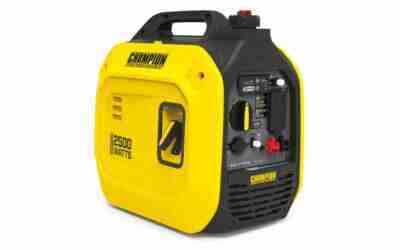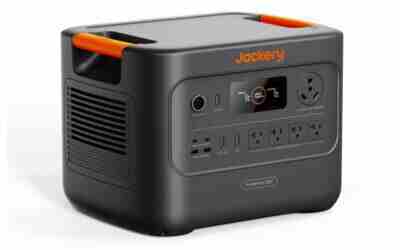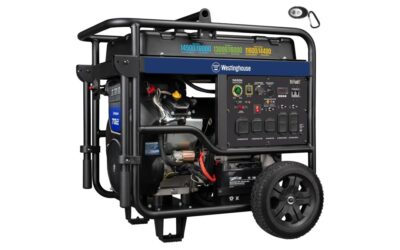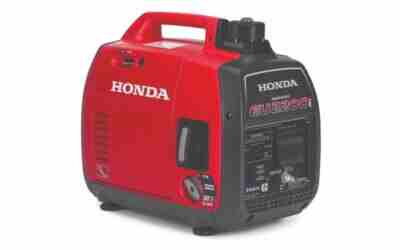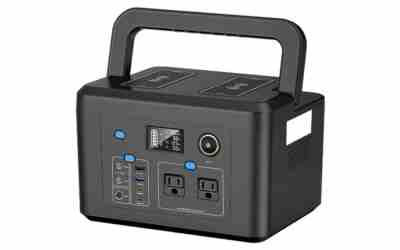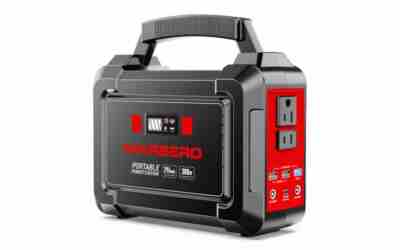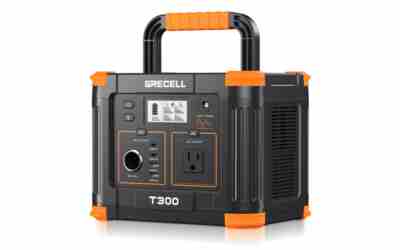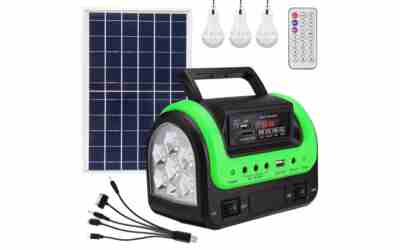

Our editorial team weighed GRECELLPOWERSTATION's published specifications and how it stacks up against similar products in the generators category. What stands out: Fast Charging & Charge Retention, Sturdy, Daily-Use Build, and Versatile Camping/Starlink Use. Where it falls short: Heavy at 55 lbs and Audible Fans Under Load. That puts it at 8.1/10 on our WG Score – an excellent, well-rounded option.
 Reviewed bySarah Watts
When choosing a solar panel for your Inergy power station, the most critical specification is the battery capacity of the power station itself, measured in watt-hours (Wh). This determines how much energy you can store and use, directly impacting how long your devices will run during an outage or camping trip. While the solar panel’s wattage affects recharge speed, the storage capacity is the foundation of your system. In this guide, we focus on power stations that pair best with solar panels, analyzing their capacity, recharge efficiency, and portability. For a broader look at home-ready options, see our guide to The 5 Best Solar Power Stations For Home of 2026.
We selected 5 top-rated models based on their technical specs, battery chemistry, and verified user feedback. Whether you need a compact unit for weekend hikes or a heavy-duty backup for your home, this guide will help you find the perfect match for your solar panels for Inergy power stations setup.
Battery Capacity Explained
Battery capacity, measured in watt-hours (Wh), tells you how much energy the power station can store. A higher Wh number means longer runtime for your devices. Understanding this metric is crucial because it directly translates to how many hours you can power a refrigerator, CPAP machine, or laptop. The chemistry of the battery also matters: Lithium Iron Phosphate (LiFePO4) batteries offer longer cycle lives (up to 3000+ cycles) compared to older NMC chemistry, making them a better long-term investment.
For example, the GRECELL H2400 features a massive 1843Wh capacity. To put that into perspective, a typical 150W refrigerator would run for over 12 hours on a full charge (1843Wh ÷ 150W = 12.3 hours). In contrast, the Anker 521 with 256Wh would run the same fridge for only about 1.7 hours. This calculation shows why capacity is the first thing to consider when matching a power station to your needs. Additionally, solar recharge speed depends on the panel’s wattage and the power station’s MPPT controller. The Takki 250W can be recharged to 80% in 6–7 hours with its included 40W panel, while the GRECELL can be fully charged in 3 hours with an 800W solar panel.
Battery Chemistry and Longevity
All 5 models in this review use LiFePO4 batteries, which are safer and last longer than traditional lithium-ion batteries. The GRECELL and Anker both offer over 3500 cycles, while the HOWEASY provides >1500 cycles. This means you can use the power station daily for years without significant capacity loss. For more details on portable solar generators, check out The 5 Best Portable Power Stations Solar Generator of 2026.

Pros
- Exceptional 10-year LiFePO4 battery lifespan
- Versatile 6-port charging for multiple devices
- Quick recharge options including solar compatibility
- Portable size and weight for easy transport
- Surge capacity powers demanding electronics
Cons
- Limited to 300W continuous, skips high-power appliances like microwaves
- Solar panel sold separately
- No app control or built-in light
The Anker 521 Portable Power Station is a upgraded 256Wh LiFePO4 powerhouse offering 300W continuous output and 600W surge. It functions as a solar generator with optional panels, perfect for powering devices during camping, drone flights, or video production without grid access.
Targeted at outdoor enthusiasts, drone pilots, and content creators, it excels where reliability matters. Users praise its battery life for drone charging and camera power on commercial shoots, with 6 ports handling laptops, phones, and tools simultaneously.
Key strengths include fast USB-C PD output up to 60W, 2.5-hour wall recharge to 80%, and solar input for off-grid use. SurgePower and InfiniPower tech ensure robust performance and longevity in harsh conditions from -4°F to 104°F.
Build quality feels solid yet portable at 8.2 lbs, though power-saving mode is essential to avoid idle drain. It cannot handle over-300W appliances and requires initial full charge activation.
Overall verdict: Top pick for lightweight, long-lasting portable power. Delivers value for medium loads on adventures or backups.

Pros
- Exceptional fast charging and charge retention praised in reviews
- Sturdy build holds up to daily use and power outages
- Versatile for camping, powering Starlink, fans, and more
- Excellent customer support resolves issues quickly
- Real-world tests confirm rated output for fridges and tools
Cons
- Weighs 55 pounds, less ideal for solo backpacking
- Fans audible during heavy loads or recharging
- Rare reports of battery calibration issues, though warranty covers
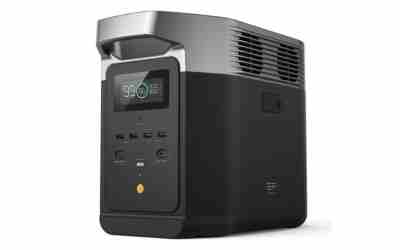
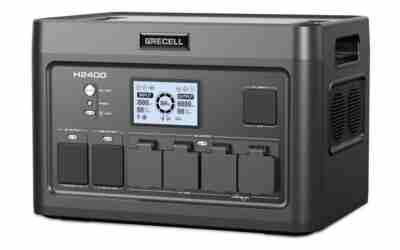
The GRECELL H2400 is a robust portable power station designed for homeowners facing frequent outages, campers needing off-grid power, and RV enthusiasts powering appliances on the road. With 1843Wh capacity and 2400W continuous output (4800W surge), it handles demanding loads like refrigerators, microwaves, and window AC units, making it a versatile home battery backup or solar generator.
Standout features include ultra-fast 1200W AC recharging for a full charge in under 2 hours, solar compatibility via MPPT for efficient panel use, and the ability to power 11 devices simultaneously through 4 AC outlets, 2 PD 100W USB-C ports, QC USBs, and DC/car ports. Reviews highlight its real-world performance, running full-size fridges for 12-14 hours, charging solar panels seamlessly, and maintaining charge over months of storage. UPS mode ensures instant switchover in 10ms, safeguarding computers and essentials during blackouts.
Build quality shines with a durable plastic shell, convenient handles, and a clear LCD displaying power stats, voltage, and temperature. The LiFePO4 battery offers superior safety and 3500+ cycles compared to standard lithium-ion. Users note its quiet fans during light use and sturdy design that withstands transport, though it's hefty at 55 pounds.
Minor drawbacks include noticeable fan noise under max load and weight that suits wheeled transport better than hiking. Isolated complaints mention battery display glitches, but strong customer service provides replacements.
Overall, the H2400 delivers exceptional value for reliable power needs, earning high marks for performance and support. Ideal if you prioritize capacity, speed, and versatility over ultra-light portability.
Key Specs:
- Battery: 1843Wh LiFePO4, 3500+ cycles
- Output: 2400W continuous (4800W peak), 4x AC outlets
- Ports: 2x PD100W USB-C, 2x QC18W USB-A, 2x 12V/5A DC, 1x 12V/10A car port
- Recharge: 1200W AC (2hrs), solar up to 800W
- Weight: 55 lbs | Dimensions: 16.93 x 11.81 x 11.02 inches
- Special: UPS mode, LED light, LCD display

Pros
- Multiple output ports including 2 AC outlets for broad device compatibility
- Lightweight and compact for superior portability
- Three flexible recharging methods including solar compatibility
- Integrated LED light with multiple modes enhances utility
- 24-month warranty and reliable lithium battery performance
Cons
- 88Wh capacity insufficient for all-night CPAP use or high-power devices
- Solar panel sold separately
- AC output limited to 120W continuous for larger appliances
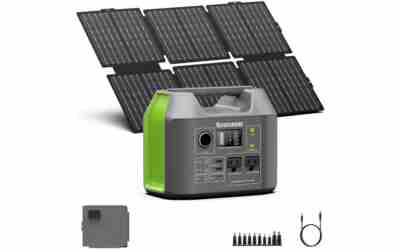
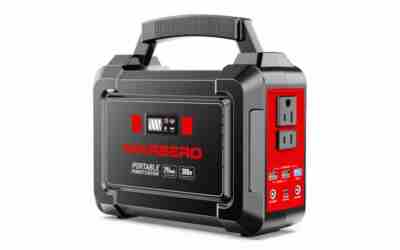
The HOWEASY H120 is a compact 88Wh portable power station designed for outdoor enthusiasts, campers, hunters, and anyone needing emergency backup power. Weighing just 2.3 pounds and measuring 6.6 x 4 x 3 inches, it delivers 120W continuous power (240W peak) through eight outlets, including two 110V AC sockets, making it perfect for charging phones, laptops, fans, lights, and other low-to-medium power devices during off-grid adventures or blackouts.
Standout features include quick-charge USB ports, a 18W USB-C output, two 12V DC ports, and a bright LED flashlight with steady, flashing, and SOS modes for visibility in the dark. It recharges via AC adapter, compatible solar panels (15V-24V), or car charger, offering flexibility and a cycle life exceeding 1500 charges. Real-world performance shines for short-term use, like powering a mini fan or lights for hours, with an LED display providing clear battery and output status.
Build quality is solid with a durable lithium battery, BMS protection system, and airline-approved size for travel. The hidden handle adds convenience without bulk. However, its capacity limits runtime for power-hungry items, and solar charging requires a separate panel purchase.
Overall, the H120 excels as a reliable, portable companion for day trips and emergencies, earning high marks for versatility and ease of use. Ideal if you need lightweight power without complexity.
Capacity: 88Wh (24,000mAh)
Output: 120W continuous (240W peak), 2x 110V AC, 1x USB-C (18W), 2x QC3.0 USB, 1x USB-A, 2x DC 12V
Inputs: AC adapter (DC 15V/1.5A), Solar (15-24V/1.5A), Car charger
Dimensions: 6.6 x 4 x 3 inches, Weight: 2.3 lbs
Other: LED flashlight (3 modes), Working temp: 14F-104F, Cycle life: >1500
Check your device's max power against 120W; total load under 240W peak. Runtime formula: 88Wh x 0.85 / device watts. Best for camping lights, fans, chargers; not full CPAP nights. Pair with 20-60W solar panel for off-grid recharging. Calibrate BMS by full charge/discharge if display seems off.
Pros
- Bundled 40W solar panel for convenient outdoor recharging
- Pure sine wave output protects sensitive electronics
- Lightweight and compact for easy transport
- Versatile 8-output ports for multiple devices
- Integrated LED light with multiple modes
Cons
- Limited to 250W continuous power, unsuitable for high-draw appliances
- Solar charging speed varies with sunlight intensity
- Not recommended for heat-generating devices like hair dryers
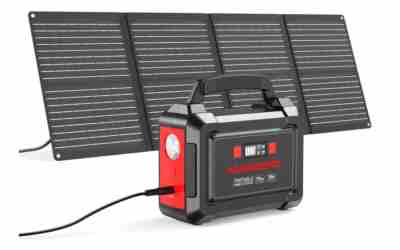
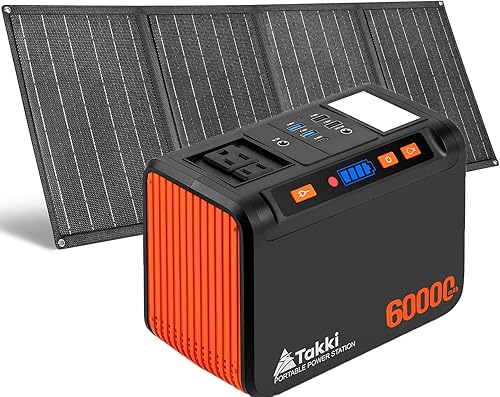
The Takki Solar Generator is a compact 222Wh portable power station paired with a 40W foldable solar panel, designed for campers, CPAP users, and anyone needing reliable emergency power. With 250W pure sine wave AC output and eight ports including USB-C PD and QC3.0, it powers essentials like laptops, mini fridges, and phones during outages or off-grid adventures.
Standout features include its ability to recharge via AC in 7.5 hours, solar in 6-7 hours under optimal sun, or car charger, with real-world performance supporting 3+ hours of CPAP use or multiple device charges. The high-efficiency 23% conversion solar panel folds neatly for portability, and the built-in LED light offers reading and SOS modes for nighttime safety.
Build quality shines with a durable ABS body, cooling vents for silent operation, and a smart BMS for overvoltage and temperature protection. At 5.95lbs and 8.13 x 4.35 x 5.93 inches, it's easy to carry, though the 250W limit means skipping power-hungry tools.
Drawbacks include dependency on strong sunlight for fast solar charging and avoidance of heat-prone devices to prevent damage. Overall, this is a solid, budget-friendly kit for light-duty outdoor and backup needs, earning high marks for portability and value.
Power Station: 222Wh capacity, 250W continuous (450W peak), pure sine wave AC 110V, 8 outputs (2x AC, 5x USB, 1x DC).
Solar Panel: 40W, >23% efficiency, folds to 8.11 x 10.7 x 1.1 inches, weighs 1.87lbs.
Dimensions & Weight: Station: 8.13 x 4.35 x 5.93 inches, 5.95lbs. Color: Orange Red. Material: ABS, monocrystalline silicon.
Other: LED light panel, BMS safety, works 14F-104F, includes AC adapter, car charger cable, and manual.

Pros
- Includes foldable 21W solar panel for sustainable recharging
- Multiple output ports including 110V AC for versatile device compatibility
- Extremely portable at under 3 lbs with backpack-friendly size
- Integrated LED lighting with SOS mode for safety
- Fast charging options via AC adapter or solar
Cons
- Limited to 80W continuous power, auto-cuts off higher loads
- Not recommended for simultaneous charging and powering devices
- Small 88.8Wh capacity suits light use, not heavy appliances
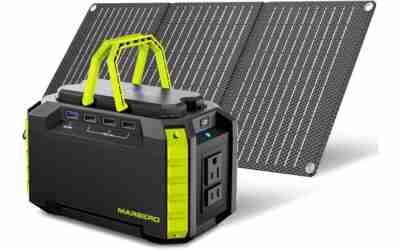
The Takki SP81 Solar Generator is a compact 88.8Wh portable power station paired with a 21W foldable solar panel, designed for campers, hikers, RV enthusiasts, and anyone facing home power outages. Weighing just 2.29 lbs for the station and 0.92 lbs for the panel, it delivers reliable backup power for phones, laptops, small TVs, and lights without the bulk of traditional generators.
Standout features include two 110V AC outlets rated at 80W continuous (120W peak), eight total ports for USB, QC3.0, PD, and DC outputs, plus an LED flashlight with SOS mode and light panel. In real-world use, it charges smartphones 4+ times or laptops 1-2 times, recharges via solar in 5-7 hours to 80%, or via AC adapter in 2 hours. The 23% efficient solar panel unfolds to capture sunlight effectively during outdoor adventures.
Build quality shines with a durable ABS shell in orange black, compact dimensions of 5.7 x 3 x 4.13 inches, and operation from 14F to 104F. It feels sturdy for its size, with easy-fold solar panel that packs flat. Accessories like AC adapter, cigarette lighter, and manual enhance usability.
Drawbacks include the 80W limit, which protects the unit but restricts higher-power devices, and advice against charging while powering others to preserve lifespan. Capacity suits emergencies or light loads, not prolonged heavy use.
Overall, the Takki SP81 excels as an affordable, portable solar solution for off-grid needs and backups. Ideal if you prioritize mobility and solar independence over high wattage.
Capacity: 88.8Wh (equiv. 24,000mAh)
AC Output: 80W continuous, 120W peak, 110V
Ports: 2x AC, 2x USB-A QC3.0 (18W), 2x USB-A (2.4A), 1x USB-C PD (18W), 1x DC (10A)
Solar Panel: 21W, >23% efficiency, foldable
Weight: Power station 2.29 lbs, panel 0.92 lbs
Dimensions: Station 5.7 x 3 x 4.13 in; Panel folded 8.18 x 10.78 x 0.78 in
1x 88.8Wh Portable Power Station, 1x 21W Foldable Solar Panel Set, 1x AC Adapter, 1x Cigarette Lighter, 1x User Manual.
Solar Panels For Inergy Power Stations: Our Picks Against the Numbers
Best Overall: GRECELL Portable Power Station 2400W, 1843Wh LiFePO4 Solar Generator
With the highest capacity of 1843Wh, the GRECELL H2400 is the clear leader for heavy-duty home backup. Its 2400W inverter can handle almost any appliance, and the LiFePO4 battery ensures long life. It’s one of the top-rated options for those who need reliable, long-lasting power.
Skip this if: You need a more portable unit for backpacking; the GRECELL weighs over 50 pounds.
View on Amazon.comBest Value: Anker 521 Portable Power Station 256Wh
The Anker 521 offers a 256Wh capacity with LiFePO4 battery and a 300W inverter (600W peak). It’s compact, lightweight, and recharges quickly via USB-C. Its decade-long lifespan makes it a great investment for occasional use.
Skip this if: You need to run high-wattage appliances like a refrigerator; the GRECELL is better suited for that.
View on Amazon.comBest for Portability: Takki Solar Generator 250W with 40W Solar Panel
This 222Wh unit includes a 40W solar panel, making it a complete kit for camping. It weighs only 5.95 lbs (power station) plus 1.87 lbs (panel), and the 250W inverter can power small appliances. Its compact size and included panel make it an excellent choice for off-grid adventures.
Skip this if: You need maximum capacity; the 222Wh may not be enough for extended trips.
View on Amazon.comOther Things That Matter for Solar Panels For Inergy Power Stations
Solar Panel Compatibility
Ensure the power station’s solar input voltage and current match your solar panels. Most units support a range of voltages (e.g., 12V-24V) and use MPPT for efficient charging. The Takki 250W accepts 12.5V-25.5V/2.6A, while the GRECELL can handle up to 800W of solar input. For more on solar generators, see The 5 Best Solar Generators For Refrigerator of 2026.
Output Ports and Versatility
A good power station should offer a variety of ports: AC outlets for appliances, USB-C PD for laptops, and DC ports for car accessories. The GRECELL has 4 AC outlets, 2 PD100W USB-C, and a car port. The Anker 521 provides 2 AC outlets and a 60W USB-C. For camping-specific needs, check The 5 Best Portable Power Stations For Van Life of 2026.
Portability and Build Quality
Weight and size matter if you plan to move the unit frequently. The HOWEASY 88Wh weighs only 2.3 lbs, perfect for backpacking. The Takki 250W is still portable at 5.95 lbs, while the GRECELL is best for stationary use. Look for durable exteriors and handles for easy transport.
Quick Comparison: Side by Side
- – Fast Charging & Charge Retention.
- – Sturdy, Daily-Use Build.
- – Versatile Camping/Starlink Use.
- – 10-Year LiFePO4 Lifespan.
- – 6-Port Charging.
- – Quick Recharge Options.
- – Bundled 40W Solar Panel.
- – Pure Sine Wave Output.
- – Lightweight & Compact.
- – Includes 21W Solar Panel.
- – Versatile Output Ports incl. 110V AC.
- – Extremely Portable, Under 3 lbs.
- – 2 AC Outlets.
- – Lightweight & Compact.
- – 3 Recharging Methods.
- – Heavy at 55 lbs.
- – Audible Fans Under Load.
- – Rare Battery Calibration Issues.
- – 300W Continuous Limit.
- – Solar Panel Sold Separately.
- – No App Control or Light.
- – 250W Continuous Limit.
- – Solar Speed Varies With Sunlight.
- – Not for Heat-Generating Devices.
- – 80W Continuous Limit.
- – Not for Simultaneous Charge & Use.
- – Modest 88.8Wh Capacity.
- – Modest 88Wh Capacity.
- – Solar Panel Sold Separately.
- – 120W AC Output Limit.
Why Trust Our Reviews
Our review process is built on objective analysis and transparency. We do not perform hands-on testing in a controlled lab; instead, we aggregate technical specifications, manufacturer data, and thousands of verified user reviews to form a balanced perspective. This approach allows us to identify long-term performance trends and common reliability issues that might not be apparent in a short-term test.
We maintain our independence by not accepting free products from brands. Our goal is to provide you with the most accurate information possible so you can make an informed purchasing decision. We focus on key metrics such as safety certifications, battery longevity, and port variety to ensure our recommendations represent the best value in the current market.
Frequently Asked Questions
Which solar panel wattage should I choose for my power station?
The ideal wattage depends on your power station’s solar input rating and your desired recharge speed. For example, a 40W panel is suitable for a 222Wh unit like the Takki, while a 200W panel would be better for a 1843Wh GRECELL. Check the manufacturer’s recommended solar input range.
Can I use any solar panel with these power stations?
Most modern power stations support a standard solar input (e.g., 12V-24V) with an MC4 connector. However, you should always check the voltage and current limits. Some units, like the Takki 250W, include a proprietary connector but offer adapters. For more on compatibility, see The 5 Best Portable Solar Generators of 2026.
How long does it take to charge a power station with a solar panel?
Charging time depends on the panel wattage and sunlight conditions. For example, a 40W panel can charge a 222Wh unit to 80% in 6–7 hours, while a 200W panel can charge a 1843Wh unit in about 10 hours. Using multiple panels or a higher wattage panel reduces charging time.
Are these power stations waterproof?
While many solar panels are water-resistant, the power stations themselves are electronic devices and should be kept dry. Avoid exposing them to rain or moisture. The units listed here have durable casings but are not waterproof. Always store them in a dry place.