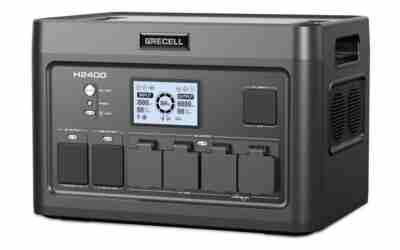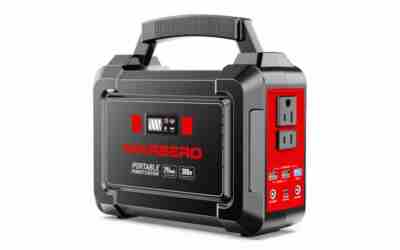

Our editorial team weighed Home's published specifications and how it stacks up against similar products in the generators category. What stands out: Lightweight at 4 lbs, Long Lighting Runtime, and Versatile Outputs. Where it falls short: Drains Quickly With Phones and Slow Solar Recharge in Cold/Cloud. That puts it at 7.8/10 on our WG Score – a solid, dependable choice.
 Reviewed bySarah Watts
When the power goes out or you head off grid, having a reliable source of electricity is essential. electric generators with solar panels combine the convenience of a portable power station with the sustainability of solar charging, making them a smart choice for home backup, camping, and outdoor adventures. In October 2026, we evaluated 5 top models to help you find the perfect balance of capacity, output, and portability for your needs.
Whether you need to keep your fridge running during an outage or charge your devices at a remote campsite, the right solar generator can make all the difference. Our guide covers key factors like battery capacity, AC output, recharge speed, and expandability, so you can choose with confidence. For more insights, check out our best 1000w solar generators roundup.

Pros
- Exceptional fast charging and solar compatibility praised in long-term reviews
- Durable build with LFP battery holding capacity after 400+ cycles
- Seamless app integration for real-time monitoring via WiFi or Bluetooth
- Powers heavy loads like microwaves, fridges, and tools reliably
- Expandable and modular for customized capacity needs
Cons
- Fan noise during rapid AC charging
- Protruding handles may affect compact storage
- Occasional app refresh needed for latest data
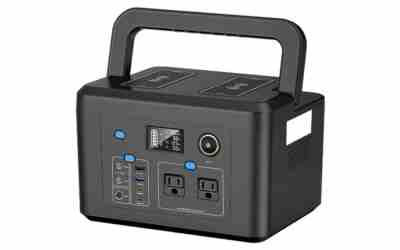
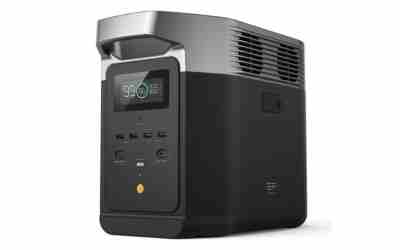
The EcoFlow DELTA 2 is a versatile portable power station designed for home backup, camping, RVs, and off-grid living. With a 1024Wh LiFePO4 battery, it delivers 1800W AC output (2600W X-Boost) across 15 outlets, powering everything from refrigerators and microwaves to tools and electronics without noise or fumes. It's ideal for users wanting scalable, reliable energy solutions beyond basic phone chargers.
Standout features include 7x faster charging (0-100% in 80 minutes via AC), up to 500W solar input, and expandability to 3kWh with compatible extra batteries like DELTA 2 EB or DELTA 3 EB. Real-world performance shines in reviews: one user ran a 65-inch TV, fan, modem, and phones for over 4 hours; another built an off-grid cabin powering tools and Starlink after 13 months and 400 cycles with no capacity loss. Solar integration ensures resilience during extended outages.
Build quality is robust at 27 pounds with protective rubber bumpers, a clear display, and intuitive app control for settings and monitoring. The LFP chemistry offers 3000+ cycles and safety via BMS. Users appreciate the seamless connectivity and durability, though fast charging activates noisy fans, and handles protrude slightly.
Minor drawbacks include rare app glitches requiring refresh and one report of early failure. Overall, the DELTA 2 excels in reliability and versatility, earning high praise for turning backups into comprehensive power systems. Verdict: Highly recommended for dependable, expandable off-grid power.
Capacity: 1024Wh LFP battery, expandable to 3kWh. Output: 1800W AC (2600W X-Boost), 100W USB-C. Inputs: 1200W AC, 500W solar. Dimensions: 15.7 x 8.3 x 11.3 inches. Weight: 27 pounds. Ports: 15 total. Cycles: 3000+. Voltage: 120V.
Compatible extra batteries: DELTA 2 EB (1024Wh), DELTA 2 Max EB (2048Wh), DELTA 3 EB (1024Wh). Solar priority over smart generator DC; AC from generator takes precedence. App enables custom charging settings. Pairs well with 400W solar panels for extended runtime.

Pros
- Ultra-fast charging and accurate real-time display for easy monitoring
- Versatile outputs power everything from tools to fridges without issues
- Durable build handles professional and outdoor demands reliably
- Quiet operation compared to gas generators, safe for indoor use
- Expandable design future-proofs for larger needs
Cons
- Weighs 27.8 pounds, requiring some effort to transport
- Fans get loud during fast charging sessions
- Input port door can be stiff to open
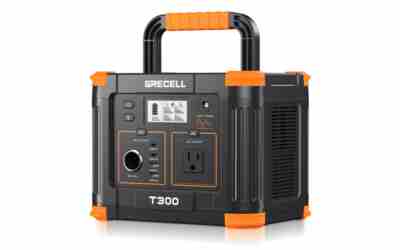
The OUPES Mega 1 is a versatile portable power station designed for home backup, camping, road trips, and professional applications like events or mobile work setups. With a 1024Wh LiFePO4 battery, 2000W continuous output, and 4500W surge capacity, it powers demanding appliances, tools, and electronics reliably off-grid or during outages.
Standout features include revolutionary 36-minute charging to 80% via AC, expandable capacity up to 5kWh, and professional <20ms UPS for seamless failover. Users praise its real-world performance: running DJ setups for hours, keeping fridges and lights going through blackouts, and supporting solar recharging for extended adventures. The informative display and app control provide precise power tracking, while multiple ports (AC, USB-C PD 100W, USB-A, DC) ensure broad compatibility.
Build quality feels premium and durable, with a compact 15.1 x 9.1 x 11.6-inch footprint and sturdy handles for portability despite the weight. The LiFePO4 cells offer superior safety, longevity, and thermal stability over standard lithium batteries.
Drawbacks include the 27.8-pound heft, which may challenge lighter users, and louder fans on fast charge. A few note the port door's stiffness.
Overall, the Mega 1 delivers exceptional value for reliable, high-power portable energy. Ideal for anyone needing fast, expandable backup without gas hassles; pair with solar for ultimate off-grid freedom.
Capacity: 1024Wh LiFePO4 battery, expandable to 5kWh
Output: 2000W continuous (4500W surge), 120V AC pure sine wave
Charging: 0-80% in 36 mins AC, supports 800W solar, app control
Ports: 4 AC, 2 USB-C PD 100W, 4 USB-A QC3.0, 12V DC, car port
Dimensions: 15.1"L x 9.1"W x 11.6"H, 27.8 lbs
Warranty: 5 years
Users rave about its power for DJ gear, fridges, and tools during camping and outages, with one noting over 5 hours on full setups. Fast charging and accurate displays stand out, as does silent operation indoors.
Professionals love the surge handling for lights, cameras, and laptops on shoots. Expandability excites many for future upgrades.
Minor notes: Great for truck camping but heavy for frequent carries; fans audible on turbo charge.
Pros
- Includes efficient 40W solar panel for true portability
- Multiple output ports handle diverse devices effectively
- Lightweight and easy to carry for outdoor adventures
- Built-in flashlight adds emergency utility
- Quick customer support responsiveness in many cases
Cons
- Solar panel performance varies in cloudy or low-light conditions
- Limited to 100W continuous output for larger loads
- Occasional reports of charging compatibility issues
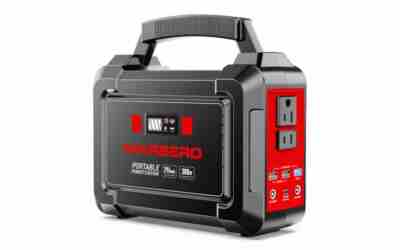
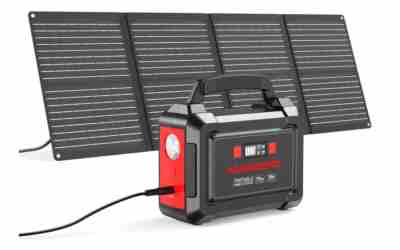
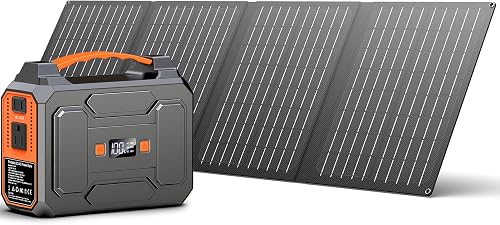
The Apowking R100 is a compact 146Wh portable solar generator bundled with a 40W foldable solar panel, designed for users needing reliable power during camping, travel, home outages, or outdoor activities. It outputs 200W peak and 100W rated power across seven ports, making it suitable for charging phones, tablets, laptops, fans, and small appliances without relying on grid electricity.
Standout features include the high-conversion-efficiency monocrystalline solar panel that recharges the unit even in suboptimal light, alongside AC, USB-C quick charge, and DC ports for broad compatibility. Real-world users praise its ability to fully charge devices like phones quickly via solar or car adapter, with the digital display showing battery status clearly. The dual LED flashlight with SOS functionality proves handy for emergencies, and cooling vents maintain safe temperatures during use.
Build quality features a durable aluminum and tempered glass construction in an orange-and-black design, weighing just 3.3lb for easy portability in backpacks. The BMS system ensures protection from common risks, enhancing longevity. While some note slower solar recharges in poor weather and minor compatibility quirks, its value shines for lightweight, everyday backup needs.
Overall, the Apowking R100 delivers solid performance for off-grid enthusiasts and preparedness-minded buyers, offering a balance of power, portability, and safety at an accessible level. Ideal if you want a no-fuss solar kit without bulk.
Capacity: 146Wh/39600mAh Lithium Ion
Output: 200W Peak/100W Rated (2x AC 110V, USB ports, 1x DC 9-12.6V/10A)
Input: Solar (40W panel included), AC adapter, Car charger
Dimensions: 7.5"L x 3.7"W x 6.1"H; Weight: 6.63lb total
Includes: Solar panel, AC adapter, car cable, cigarette lighter adapter, manuals
Choose this for short trips or basic backups powering small electronics; upgrade to larger capacities for heavy appliances. Test solar input in your typical conditions. Verify device wattage stays under 100W continuous. Great starter solar generator for beginners.

Pros
- Highly portable and lightweight at 4 pounds with carry handle
- Long lighting runtime ideal for extended blackouts or night fishing
- Versatile outputs power lights, radio, and small devices effectively
- Easy solar or wall recharging works well in various conditions
- Includes all essentials like extension cables for hassle-free use
Cons
- Limited capacity drains quickly when charging phones alongside lights
- Solar panel recharges slowly in cloudy or cold weather
- Build quality feels cheap with occasional light or radio glitches
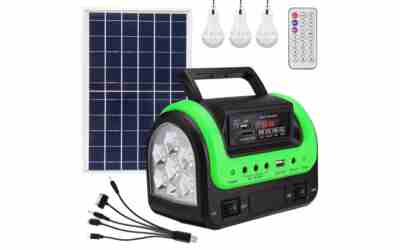
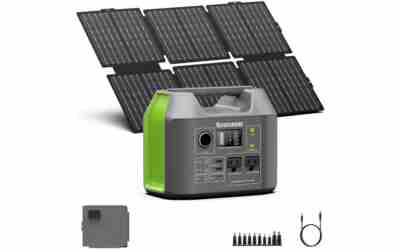
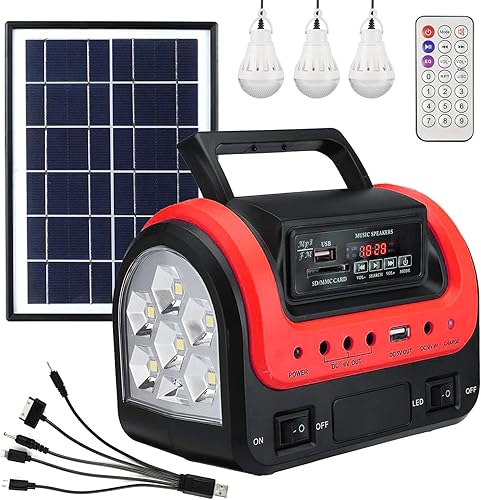
This portable solar generator from Upusa is a compact emergency power solution designed for home backups, camping, hunting, and outdoor activities. Measuring just 6.9 x 6.5 x 3 inches and weighing 4 pounds, it includes a power station with built-in flashlight and MP3/FM radio, a 10W solar panel, three detachable LED bulbs with 10ft extension cables, and USB ports for charging small devices like phones or e-readers. It's ideal for users needing lightweight, multi-function power without bulky equipment.
Standout features shine in real-world use: one bulb lasts up to 30 hours, two for 14 hours, and three for 8 hours, making it reliable for lighting tents or rooms during outages. Reviewers praise its phone-charging capability during camping trips and power cuts, with the radio adding entertainment value. Dual recharging via solar or AC works well in sunny conditions or indoors, and the individual bulb switches allow customized power management.
The green ABS plastic build is durable for portability, with overload protection and a handle for easy transport. However, some users note the battery depletes fast when powering devices beyond lights, solar charging lags in poor weather, and minor issues like flickering lights or weak radio reception occur occasionally.
Overall, this generator excels as an affordable entry-level kit for short-term emergencies and light outdoor use. It's a solid pick for dorms, RVs, or basic camping if you manage expectations on capacity, earning its place as a handy backup tool.
Brand: Upusa
Model: SDM-0603
Color: Green
Dimensions: 6.9 x 6.5 x 3 inches
Weight: 4 pounds
Power Source: Battery Powered (Solar/AC)
Wattage: 5W output, 10W solar panel
Voltage: 3.7V DC
Special Features: Overload protection, MP3/FM radio, flashlight, 3 LED bulbs
Outputs: DC/USB, 1 total outlet
Pros
- Lightweight and truly handheld size
- Comes complete with solar panel and lights
- Quiet gas-free operation
- Multiple recharge methods
Cons
- Only 4Wh capacity limits runtime for high-draw devices
- Low 5W solar input requires long recharge times
- No AC outlets for standard household appliances
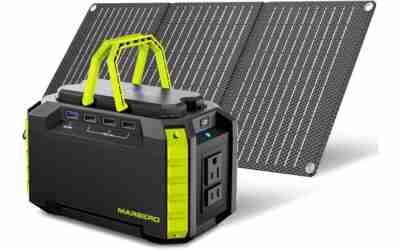
The Upusa SDM-0603 is a small solar generator built around a 12500mAh battery and paired 10W panel. It targets campers and homeowners needing basic off-grid lighting and device charging.
Standout elements include the three included LED bulbs with individual switches and long extension cords plus built-in radio. The unit weighs under two pounds and fits easily in a backpack.
Recharge occurs via the solar panel in 8-15 hours, wall adapter in 6-8 hours, or USB. Safety features cover overcharge and short circuits while promising over 3000 cycles.
Drawbacks center on the tiny 4Wh capacity and 5W solar input, which restrict use to low-power items only. No AC outlets are present.
Overall verdict: a niche ultra-portable kit for minimal emergency lighting and phone top-ups rather than full power station duties.
Buying Guide for 2026
Battery Capacity (Wh) & Chemistry (LFP/NMC)
The battery capacity, measured in watt-hours (Wh), determines how much energy the generator can store. For occasional phone charging and small electronics, a capacity of 100-200Wh may suffice. For home backup or extended camping, look for 1000Wh or more. Lithium iron phosphate (LFP) batteries offer longer cycle life (3000+ charges) and better thermal stability, while NMC batteries are lighter and more energy-dense. LFP is ideal for stationary backup use, while NMC suits portable applications.
When comparing models, consider your typical power needs and how often you plan to recharge. A larger capacity allows you to run higher-wattage devices for longer periods, but also adds weight and cost. For a deeper dive into capacity options, see our best 1000wh portable power stations guide.
AC Output & Surge Capability
The AC output rating (in watts) tells you what devices the generator can power continuously. A 1000W output can run a mini fridge or TV, while 2000W can handle a microwave or space heater. Surge capability is important for starting motors in appliances like refrigerators or pumps. Pure sine wave inverters are essential for sensitive electronics, as they provide clean, stable power.
Check the number and type of AC outlets, as well as USB ports (including USB-C PD) for charging phones and laptops. Some models also feature a 12V carport for accessories. If you plan to power multiple devices simultaneously, ensure the total wattage doesn’t exceed the generator’s continuous rating.
Recharge Speed & Solar Input
Fast recharge is crucial for emergency preparedness. Many modern solar generators can charge from 0-80% in under an hour via AC, and some support simultaneous AC and solar charging for even faster top-ups. Solar input is measured in watts; a higher solar input rating means you can use larger panels to recharge faster. Look for MPPT charge controllers for maximum efficiency.
Consider the included solar panel(s) and their wattage. Some models come with a panel, while others require a separate purchase. For off-grid use, a panel that can fully recharge the battery in a day is ideal. For more on solar-specific models, visit our best ecoflow solar generators page.
Expandability & Modularity
Some portable power stations allow you to add extra batteries to increase capacity. This is useful if your power needs grow over time or if you want to run high-wattage devices for extended periods. Expandable models typically use proprietary battery packs that connect via a dedicated port. Check the maximum expandable capacity and whether the extra batteries are readily available.
Modular systems can be more cost-effective in the long run, as you can start with a base unit and add capacity later. However, they may be heavier and less portable. For most users, a single unit with 1000-2000Wh is sufficient for weekend trips and short outages.
Weight & Portability
Portability is a key factor if you plan to move the generator between locations. Small units under 10 lbs are easy to carry in a backpack, while larger models with 1000Wh+ capacity can weigh 20-30 lbs or more. Look for built-in handles or wheels for easier transport. If you need a generator for camping, a lightweight model with a solar panel included is a great choice.
For home backup, weight is less of a concern, but you may still want to move it from storage to the living area during an outage. Consider where you’ll store it and how often you’ll need to relocate it. For more portable options, check out our portable generators category.
Safety Certifications & Protection Features
A reliable Battery Management System (BMS) is essential for safe operation. It protects against overcharge, overdischarge, short circuits, and overheating. Look for certifications like UL, CE, or FCC, which indicate the product meets safety standards. Some models also feature UPS (uninterruptible power supply) functionality with sub-20ms transfer time, protecting sensitive electronics during outages.
Additional safety features include temperature control, surge protection, and low-voltage cutoff. For peace of mind, choose a generator from a reputable brand with a warranty and customer support. For more on safety, see our by type page.
Quick Comparison: Side by Side
- – Fast Charging & Solar Compatible.
- – Durable LFP, 400+ Cycles.
- – Seamless App Integration.
- – Ultra-Fast Charging, Real-Time Display.
- – Versatile Outputs.
- – Durable for Pro/Outdoor Use.
- – Includes 40W Solar Panel.
- – Versatile Output Ports.
- – Lightweight & Easy to Carry.
- – Lightweight at 4 lbs.
- – Long Lighting Runtime.
- – Versatile Outputs.
- – Truly Handheld Size.
- – Includes Solar Panel & Lights.
- – Quiet, Gas-Free Operation.
- – Fan Noise During Rapid Charging.
- – Handles Affect Compact Storage.
- – Occasional App Refresh Needed.
- – Heavy at 27.8 lbs.
- – Loud Fans During Fast Charging.
- – Stiff Input Port Door.
- – Varies in Cloudy/Low-Light Conditions.
- – 100W Continuous Limit.
- – Occasional Charging Compatibility Issues.
- – Drains Quickly With Phones.
- – Slow Solar Recharge in Cold/Cloud.
- – Occasional Light/Radio Glitches.
- – Tiny 4Wh Capacity.
- – Slow 5W Solar Input.
- – No AC Outlets.
Why Trust Our Reviews
At WikiGenerators.com, we analyze product specifications, user feedback, and industry trends to provide unbiased recommendations. Our team evaluates each generator based on key criteria like battery capacity, output, recharge speed, and portability, ensuring you get accurate, useful information. We do not accept free products or payments from manufacturers, so our reviews remain objective.
We aggregate feedback from verified buyers across multiple platforms to identify common strengths and weaknesses. Our goal is to help you make an informed purchase that fits your needs and budget. As an Amazon Associate, we earn from qualifying purchases, which helps us maintain our site. For more details on our process, see our How We Rank page.
Our Final Picks for 2026
Best Overall: EcoFlow DELTA 2 Portable Power Station: 1024Wh LFP Battery, 1800W Output, Solar Generator for Home Backup, Camping, RVs
The EcoFlow DELTA 2 offers an excellent balance of capacity, output, and fast charging. With a 1024Wh LFP battery that lasts over 3000 cycles, 1800W AC output, and the ability to charge from 0-80% in just 50 minutes, it’s ideal for home backup and camping. Its expandable capacity up to 3kWh and 15 outlets make it versatile for various needs. For more on high-capacity models, see our best 2000w solar generators guide.
View on Amazon.comBest Value: OUPES Mega 1 2000W Portable Power Station: 1024Wh LiFePO4 Solar Generator, Expandable to 5kWh, UPS for Camping & Home Backup
The OUPES Mega 1 delivers professional-grade power with 2000W continuous output (4500W surge) and a 1024Wh LFP battery that can expand to 5kWh. Its fast charging reaches 80% in 36 minutes via AC, and it features UPS with sub-20ms transfer time. With 13 outputs and smart app control, it’s a feature-rich option at a competitive price. For similar value picks, check out our best home portable power stations roundup.
View on Amazon.comBest for Camping: Apowking 146Wh Portable Solar Generator with 40W Panel, 200W Peak Power Station for Camping, Home Backup, Outdoors
The Apowking 146Wh solar generator is lightweight and includes a 40W solar panel, making it perfect for camping and outdoor adventures. With 7 outlets (including 2 AC outlets), dual LED flashlight, and a reliable BMS, it provides enough power for phones, laptops, and small appliances. Its compact design and included panel make it a convenient all-in-one solution. For more camping-friendly options, see our best solar generators for cpap guide.
View on Amazon.comFrequently Asked Questions
Which electric generators with solar panels should I buy in 2026?
The best choice depends on your power needs. For home backup, a model with 1000Wh+ capacity and 1800W output like the EcoFlow DELTA 2 is ideal. For camping, a lightweight unit with an included solar panel like the Apowking 146Wh works well. Consider your typical devices and how long you need to run them.
How long does a solar generator take to charge?
Charging time varies by model and method. AC charging typically takes 1-2 hours for 0-100%, while solar charging depends on panel wattage and sunlight. Many modern generators support fast charging, reaching 80% in under an hour via AC. Some models also allow simultaneous AC and solar charging for faster top-ups.
Can a solar generator power a refrigerator?
Yes, many solar generators can power a refrigerator. A typical fridge draws 100-200W continuously, with a startup surge of 600-800W. A generator with at least 1000Wh capacity and 1000W continuous output should run a fridge for several hours. Check the generator’s surge rating and the fridge’s startup wattage.
What is the difference between LFP and NMC batteries?
LFP (Lithium Iron Phosphate) batteries offer longer cycle life (3000+ cycles) and better thermal stability, making them safer and more durable. NMC (Nickel Manganese Cobalt) batteries are lighter and have higher energy density, but typically last fewer cycles. LFP is preferred for stationary backup, while NMC suits portable applications.
Do I need a solar panel included with the generator?
It depends on your use case. If you plan to use solar charging regularly, an included panel is convenient and ensures compatibility. If you only need AC charging for home backup, you can save money by buying a generator without a panel. Many models are sold as standalone units with optional solar panels. For more on solar-specific options, see our best solar generators for apartment guide.