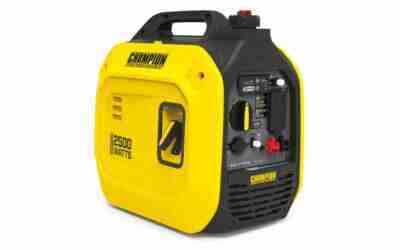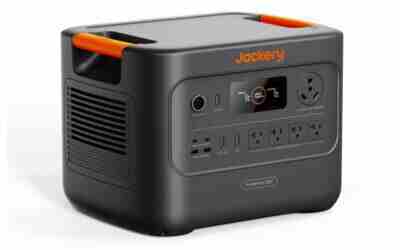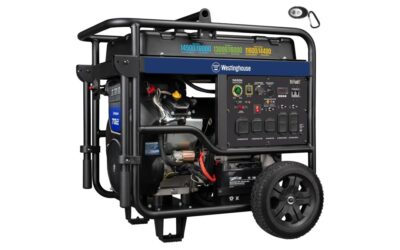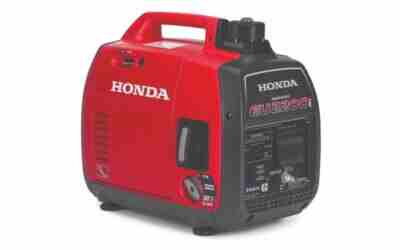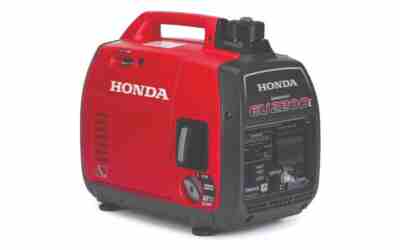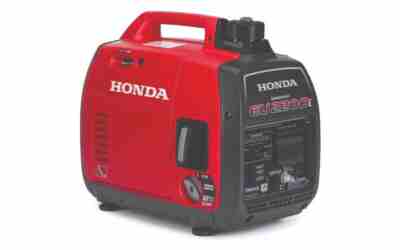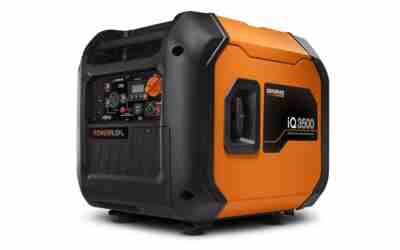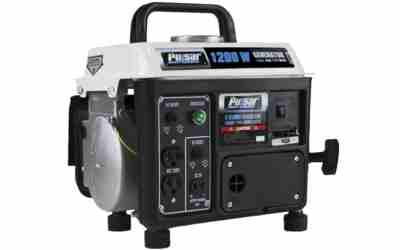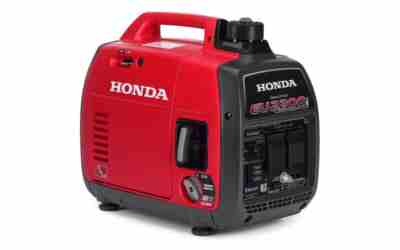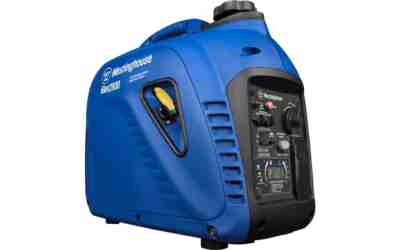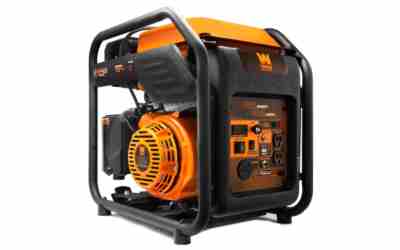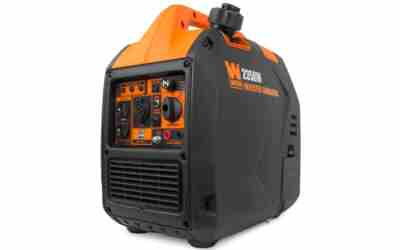

Our editorial team weighed Westinghouse's published specifications and how it stacks up against similar products in the generators category. What stands out: Quiet & Fuel-Efficient, Remote Fob Start, and Telescoping Handle & Wheels. Where it falls short: Heavy at 105.8 lbs and Finicky Electric Starter. That puts it at 8.4/10 on our WG Score – an excellent, well-rounded option.
 Reviewed byTristan
Power outages can strike unexpectedly, leaving homes and businesses in the dark. Whether you’re preparing for emergencies, planning a camping trip, or need reliable backup power, choosing the right generator is crucial. In October 2026, we’ve identified the 5 Best small generators for power outages to keep your essentials running. Our guide considers factors like portability, power output, and fuel efficiency to help you make an informed decision. For other compact options, you might also be interested in the best small home emergency generators.
These compact powerhouses are designed to provide peace of mind without taking up too much space. We’ve delved into specifications and user feedback to bring you a selection of models that excel in performance and reliability, ensuring you’re never caught off guard.

Pros
- Ultra-quiet and lightweight for hassle-free camping and RV use
- Reliable first or second pull starts, even in 16°F cold
- Clean power handles microwaves, heaters, and electronics effortlessly
- Fuel-efficient with long runtime and easy maintenance features
- Durable build backed by two-year warranty
Cons
- Requires oil changes every 25 hours of use
- May burn a small amount of oil during operation
- Harder to start after prolonged storage without fuel drain
The WEN 56235i is a compact 2350-watt portable inverter generator designed for campers, RVers, tailgaters, and homeowners seeking reliable backup power without the racket of traditional generators. At just 39 pounds, it delivers 1900 rated watts of clean energy via a pure sine wave output, making it safe for charging laptops, tablets, phones, and running appliances like microwaves or small heaters.
Standout features include ultra-quiet 51 dB operation at quarter load, comparable to a normal conversation, and a fuel shut-off that uses up carburetor fuel before shutdown to fight clogs and extend life. Real-world performance shines in reviews: users report first-pull starts in freezing 16°F weather, seamless powering of RV microwaves and heaters, and eco-mode efficiency yielding over 5.7 hours at half load on one gallon. Parallel connection with another unit boosts power for bigger needs.
Build quality reflects WEN's decades of tool expertise, with a lightweight metal and plastic frame, intuitive panel with multiple outlets (two 120V, 12V DC, two USB), and safeguards like low-oil shutdown and overload protection. The 79cc 4-stroke engine is electronic ignition for easy starts, though oil changes every 25 hours are needed.
Minor drawbacks include slight oil consumption noted by some and occasional hard starts after months of storage, but proper maintenance mitigates these. Overall, it offers Honda-like quietness at a fraction of the cost.
Verdict: Excellent value for quiet, portable power. Ideal for anyone prioritizing convenience, reliability, and clean energy over heavy-duty commercial use.
Power: 2350 surge watts / 1900 running watts, 120V, 60 Hz
Engine: 79cc 4-stroke OHV, electronic ignition
Fuel & Runtime: Gasoline, 1-gallon tank, up to 10 hours
Outlets: 2x 120V 20A, 1x 12V DC 8.3A, 2x 5V USB (5 total)
Dimensions & Weight: 17.3 x 11.5 x 17.5 inches, 39 pounds
Noise Level: 51 dB at quarter load
Warranty: Two-year limited

Pros
- Extremely quiet operation at 52 dBA for peaceful use
- Multiple outlets including RV-ready and USB for versatile powering
- Dual fuel capability adds convenience and availability
- LED data center displays real-time stats like runtime and voltage
- Portable design with telescoping handle and never-flat wheels
Cons
- Weighs 62.8 pounds, challenging for one person to transport long distances
- May have initial residual oil or fuel odor from factory testing
- Propane hose required for LPG use, though included
The Westinghouse iGen4000DFc is a versatile dual fuel inverter generator designed for campers, RVers, tailgaters, and homeowners needing reliable portable power. With 4000 peak watts and 3300 running watts, it handles essentials like refrigerators, lights, and electronics while delivering clean sine wave power under 3% THD to protect sensitive devices.
Standout features include a super quiet 52 dBA operation, economy mode for up to 7 hours on a 1.69-gallon gas tank, and dual fuel support for gasoline or propane. The RV-ready TT-30R outlet, household duplex, and USB ports make it ideal for travel trailers or home backups. Remote start via key fob, electric push-button, or recoil ensures easy use, while the rotating LED data center shows voltage, runtime, and more for real-time monitoring.
Build quality shines with a lightweight 62.8-pound frame, telescoping suitcase-style handle, and never-flat wheels for easy portability. Safety features like automatic CO and low oil shutdown provide peace of mind. It's EPA compliant with a 3-year warranty and lifetime support.
Potential drawbacks include its weight for solo carrying and possible factory residual odor. Overall, it excels in quiet, efficient performance for recreational and emergency needs.
Verdict: A top choice for those prioritizing quiet, clean power and versatility in a portable package. Highly recommended for RV enthusiasts and campers seeking dependable backup power.
Power: 4000 peak watts, 3300 running watts, 120V, 60Hz
Fuel: Gasoline or Propane (Dual Fuel), 1.69-gallon (12.8L) tank, up to 7-hour runtime
Outlets: TT-30R RV Ready, 5-20R duplex, two USB, total 6 outlets
Features: CO sensor, remote/electric start, LED display, <3% THD, 52 dBA noise
Dimensions: 21.3 x 12.6 x 19.3 inches, 62.8 lbs, blue color

Pros
- Exceptionally quiet and fuel-efficient performance praised in real-world tests
- Multiple easy start options including reliable remote fob
- Portable design with telescoping handle and wheels for easy mobility
- RV-ready outlets and USB ports handle diverse power needs
- Automatic safety features like low oil and overload protection
Cons
- Heavy at 105.8 pounds, best moved by two people despite wheels
- Electric starter can be finicky on initial uses or when warm
- Remote start requires manual switch toggle, limiting full remote convenience
The Westinghouse iGen5000DFc is a premium dual fuel inverter generator delivering 5000 peak watts and 3900 running watts, perfect for RV camping, tailgating, or home emergency backup. Its variable speed engine adjusts output for efficiency, making it a go-to for users needing clean, stable power for sensitive electronics like laptops and TVs without surging or distortion.
Standout features include a super quiet 52 dBA noise level, rivaling conversation volume, and an impressive 18-hour runtime on gasoline in economy mode. Reviewers highlight its effortless remote electric start, LED data center displaying runtime, fuel, and load, plus dual fuel capability for propane versatility during outages or remote trips. It powers space heaters, fridges, and multiple devices simultaneously without faltering, backed by real-user tests.
Build quality shines with a lightweight 105.8-pound frame, telescoping suitcase handle, and wheels for one-person transport over varied terrain. The durable enclosure houses a 224cc 4-stroke engine with safety shutoffs for low oil, overload, and CO detection. Accessories like oil, propane hose, and tools arrive ready-to-use, with intuitive controls earning praise for arthritis-friendly handling.
Minor drawbacks include the weight requiring two-person lifting from the box and occasional starter hiccups on first runs, resolved by persistence or recoil. Panels may vibrate slightly under load, and full remote use needs the main switch on.
Overall, the iGen5000DFc excels as a reliable, quiet powerhouse for recreational and backup needs, with strong performance and safety features justifying its spot among top inverters. Highly recommended for those prioritizing portability and clean power.
Power: 5000 peak watts / 3900 running watts at 120V, 60Hz
Fuel: Dual fuel (gasoline 3.4 gal tank / propane), up to 18-hour runtime
Outlets: TT-30R RV-ready, 5-20R duplex (x2), USB (x2); 5 total
Features: Remote electric start, CO sensor, <3% THD, economy mode, LED data center
Dimensions: 24.5 x 17.5 x 20 inches; 105.8 lbs; Blue color
Warranty: 3-year limited with lifetime tech support
Users rave about the quiet operation comparable to smaller units, easy setup with included oil and tools, and reliable power for fridges, heaters, and camping gear. Many note quick propane starts and accurate load metering.
Positive highlights include sturdy packaging, wheels aiding mobility for those with mobility issues, and strong break-in performance under 50% load. International buyers confirm solid arrival and performance.
Some mention initial startup needs patience to clear residual oil, and suggest silencers for overnight camping quietness.

Pros
- Highly portable with handle and low 37.5 lb weight
- Extended 5-hour runtime reduces refueling needs
- Versatile outlets for multiple devices
- Compact size fits easily in vehicles for camping
- Strong power output for its class
Cons
- Requires non-leaded gasoline and oil mixture for 2-stroke engine
- Recoil start demands manual effort
- Not rated for high-draw appliances like AC units
The Pulsar PG1202SA is a gas-powered portable generator delivering 1200 peak watts and 900 running watts, designed for campers, outdoor enthusiasts, and homeowners seeking backup power. Its single-cylinder 2-stroke engine with recoil start powers tools, lights, and chargers via two 120V outlets and one 12V DC output, making it perfect for recreation or light residential use.
Standout performance comes from the 1.1-gallon fuel tank, offering up to 5 hours of continuous operation at half load, which keeps devices running through long evenings at the campsite without frequent refills. The compact, durable build with a carrying handle enhances portability, allowing users to haul it easily to remote locations.
Build quality shines in its rugged yet lightweight 37.5-pound frame, ideal for tossing in a truck bed or RV. However, the 2-stroke engine needs a gasoline-oil mix, and recoil starting requires some pull strength, while it's not suited for power-hungry items like air conditioners.
Overall, the PG1202SA excels as an affordable, reliable choice for portable power needs, earning its place for anyone prioritizing convenience and runtime in outdoor settings. Verdict: Highly recommended for camping and emergencies.
Brand: Pulsar
Wattage: 1000 watts
Fuel Type: Non-leaded gasoline and oil mixture
Power Source: Gas-powered
Recommended Uses: Camping, Residential
Item Weight: 37.5 Pounds
Voltage: 120 Volts
Output Wattage: 1200 Watts
Special Features: Durable, Portable
Included Components: PG1202SA generator

Pros
- Compact and highly portable at under 40 lbs
- Multiple outlets including AC and DC for flexibility
- EPA compliant for legal outdoor use
Cons
- Requires manual oil-fuel mixing for 2-stroke engine
- 76 dBA noise level may disturb quiet environments
- Limited 5-hour runtime on full tank at half load
The PowerSmart 1200W portable gas generator uses a 71cc 2-stroke engine to supply 1200 peak watts and 900 rated watts. It targets campers, tailgaters, and users needing compact emergency backup power.
Its 39 lb weight and integrated handle make transport straightforward. The 1.1-gallon tank yields up to 5 hours of operation at 50% load while the control panel offers one 120V AC outlet and one 12V DC plug.
Build quality includes a durable frame, recoil starting, and EPA compliance. The unit lacks inverter technology and runs at 76 dBA, so it suits open-air settings rather than indoor or noise-sensitive areas.
Drawbacks include the need to premix fuel and oil plus modest runtime. Overall it serves as an affordable lightweight option for short outdoor power needs.
Buying Guide for 2026
Running vs. Starting Watts
Understanding the difference between running watts and starting watts is fundamental when selecting a generator. Running watts refer to the continuous power a generator can supply, while starting watts (also known as surge watts) are the extra power needed for a brief period to start motor-driven appliances like refrigerators or air conditioners. It’s essential to calculate the total running watts of all appliances you plan to power simultaneously, plus the highest starting watts of any single appliance, to ensure your chosen generator can handle the load. Oversizing your generator slightly can prevent overload issues and extend its lifespan.
For small generators for power outages, this distinction is particularly important as smaller units have less headroom for surge power. Always check the power requirements of your critical devices. If you’re looking for even smaller battery-powered options, consider exploring the best small battery generators for lighter loads.
Fuel Type & Runtime
small generators for power outages primarily run on gasoline, but some models offer dual-fuel capabilities, allowing them to operate on both gasoline and propane. Gasoline is widely available but has a shorter shelf life. Propane burns cleaner, can be stored longer, and is often more convenient in colder climates. Consider the availability and cost of fuel in your area, as well as how long you anticipate needing power.
Runtime is another critical factor, indicating how long the generator can operate on a full tank of fuel at a certain load percentage, typically 25% or 50%. A larger fuel tank generally means longer runtimes, but also adds to the unit’s weight. Balance your need for extended operation with portability when making your choice.
Noise Level
Generators can be noisy, but inverter generators, common in the small generators for power outages category, are significantly quieter than conventional models. Noise levels are measured in decibels (dBA), and a lower number indicates a quieter operation. For comparison, a normal conversation is around 60 dBA. If you plan to use your generator in residential areas, campgrounds, or any situation where noise could be an issue, prioritize models with lower dBA ratings. Many quiet models are available, such as those found in the best quiet small generators.
Manufacturers often list noise levels at a specific distance and load. Look for generators with “economy mode” or “eco-throttle” features, which automatically adjust engine speed to match the load, further reducing noise and improving fuel efficiency when full power isn’t required.
Portability
Given the focus on small generators for power outages for power outages, portability is a key consideration. Look for generators with lightweight designs, integrated carrying handles, or even wheels for easier transport. The physical dimensions and weight will impact how easily you can move, store, and deploy the generator when needed. Consider where you’ll store it and how you’ll transport it to its operating location.
A compact footprint is also beneficial, especially if storage space is limited. Some models are specifically designed to be ultra-lightweight, making them ideal for camping or tailgating where frequent movement is expected. Always check the dry weight (without fuel) and dimensions to ensure it meets your portability requirements.
Quick Comparison: Side by Side
- – Ultra-Quiet & Lightweight.
- – Reliable Cold-Weather Starts.
- – Clean Power for Electronics.
- – Extremely Quiet at 52dBA.
- – RV-Ready & USB Outlets.
- – Dual Fuel Flexibility.
- – Quiet & Fuel-Efficient.
- – Remote Fob Start.
- – Telescoping Handle & Wheels.
- – Lightweight at 37.5 lbs.
- – 5-Hour Runtime.
- – Versatile Outlets.
- – Compact, Under 40 lbs.
- – AC & DC Outlets.
- – EPA Compliant.
- – Oil Change Every 25 Hours.
- – Minor Oil Burn Risk.
- – Hard Start After Long Storage.
- – Heavy at 62.8 lbs.
- – Minor Residual Oil Odor.
- – Propane Hose Required (Included).
- – Heavy at 105.8 lbs.
- – Finicky Electric Starter.
- – Remote Needs Manual Switch Toggle.
- – Needs Gas/Oil Mix.
- – Manual Recoil Start.
- – Not for High-Draw Appliances.
- – Needs Manual Gas-Oil Mixing.
- – 76dB Noise Level.
- – 5-Hour Runtime at Half Load.
Why Trust Our Reviews
Our commitment at WikiGenerators.com is to provide unbiased, thoroughly researched product recommendations. We meticulously analyze product specifications, evaluate key features, and synthesize extensive user feedback from a variety of sources. Our review process focuses on real-world performance, durability, and value, ensuring that our recommendations are practical and reliable for your specific needs.
We understand that choosing the right generator is a significant decision, especially when preparing for power outages. Our team leverages years of industry knowledge and a deep understanding of generator technology to cut through the marketing jargon and present you with clear, actionable insights, based on specs and user feedback. While we are an Amazon affiliate site, our primary goal is to empower you with the best possible information.
Our Final Picks for 2026
Best Overall: WEN 56235i 2350W Super Quiet Portable Inverter Generator – Ultra Lightweight 39lbs, Fuel Shut-Off, Clean Power for Camping RV
The WEN 56235i stands out for its exceptional balance of power, portability, and quiet operation. Producing 2350 surge watts and 1900 rated watts, it’s capable of powering sensitive electronics safely, thanks to its clean power output. Its ultra-lightweight design at just 39 pounds makes it incredibly easy to transport, ideal for a variety of emergency and recreational uses. Consider this a top choice for reliable, quiet power.
View on Amazon.comBest Value: PowerSmart 1200W Portable Gas Generator 900W Rated 2-Stroke 39 lbs for Camping Emergency
For those seeking an economical yet dependable option, the PowerSmart 1200W Portable Gas Generator delivers solid performance. It provides 1200 peak watts and 900 rated watts, perfect for essential devices during camping trips or power outages. Weighing only 39 lbs with a built-in handle, it emphasizes ease of transport. It’s a budget-friendly choice that doesn’t compromise on the core functionality needed for temporary power needs, similar to other compact generators.
View on Amazon.comBest for Extended Use: Westinghouse iGen5000DFc 5000W Peak Dual Fuel Inverter Generator – Super Quiet RV Ready Remote Start CO Sensor
When longer runtimes and versatility are paramount, the Westinghouse iGen5000DFc is an excellent choice. With 5000 peak watts and 3900 rated watts, alongside dual-fuel capability (gasoline and propane), it offers extended operation, up to 18 hours on a 3.4-gallon gas tank. Its super quiet operation and RV-ready outlets make it suitable for prolonged outages or extended outdoor activities, offering more power than many portable small generators.
View on Amazon.comFrequently Asked Questions
Which small generators for power outages should I buy in 2026?
To choose the right small generators for power outages in 2026, consider your specific needs: what appliances you need to power, how long you need power for, and where you’ll be using the generator. Look at the running and starting watts, fuel type, noise level, and portability. For sensitive electronics, an inverter generator like the WEN 56235i is often the best choice for clean power.
How much power do I need for a power outage?
The amount of power you need depends entirely on the appliances you wish to run. Make a list of essential items (e.g., refrigerator, lights, phone chargers) and note their running and starting wattage. Add up the running watts and identify the single highest starting wattage. Your generator’s rated watts should meet the total running watts, and its surge watts should exceed the highest starting wattage. For basic needs, 1000-2000 running watts is often sufficient.
Are inverter generators better for power outages?
Inverter generators are often an excellent choice for power outages due to several advantages. They produce clean, stable power, which is safe for sensitive electronics like laptops and smartphones. They are also typically much quieter and more fuel-efficient than conventional generators, making them more pleasant for residential use. Their compact size and lighter weight also contribute to easier storage and deployment during emergencies.
Can I run a small generator indoors during a power outage?
Absolutely not. Generators produce carbon monoxide, a colorless, odorless, and deadly gas. Running any gas-powered generator indoors, in a garage, or in any enclosed space can lead to fatal carbon monoxide poisoning. Always operate generators outdoors in a well-ventilated area, far away from windows, doors, and vents to prevent fumes from entering your home. For indoor power needs, consider battery-powered solutions like those discussed in the best small portable solar generators, which produce no emissions.