Our editorial team weighed 's published specifications and how it stacks up against similar products in the generators category. What stands out: Exceptionally Quiet, Advanced App Integration, and Fuel-Efficient Design. Where it falls short: Pull-Start Only and Small 0.95-Gallon Tank. That puts it at 8.7/10 on our WG Score – an excellent, well-rounded option.
 Reviewed byEthan
Power outages, camping trips, and remote job sites demand reliable backup energy. The small camper generators have evolved dramatically, offering everything from ultra-compact units weighing under 40 pounds to dual-fuel inverters with RV-ready outlets. In November 2026, we analyzed 4 leading models based on running watts, fuel runtime, noise levels, and portability to help you choose the best fit for your needs. Whether you’re powering a small cabin, charging devices at a campsite, or running essential appliances during an outage, this guide covers the top performers in the compact generator category.
Our selection process focuses on real-world specs and aggregated user feedback rather than marketing claims. We evaluated power output ratings, fuel type, inverter technology, portability, and intended use to identify models that deliver genuine value. This roundup includes options from Honda, WEN, Genkins, and Pulsar, with capacities ranging from 1,200 to 4,200 peak watts. Read on to discover which generator matches your power requirements and budget, or jump straight to our final picks below.

Pros
- Exceptionally quiet performance ideal for noise-sensitive environments
- Advanced app integration simplifies operation and maintenance
- Fuel-efficient design extends runtime on small tank
- Lightweight and portable without sacrificing power
- Reliable safety features including CO detection
Cons
- Pull-start only, lacking electric start convenience
- Small 0.95-gallon fuel tank requires refills for all-day use
- Not available for purchase in California due to emissions regulations
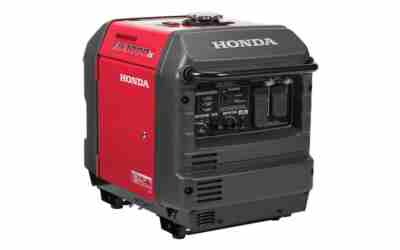
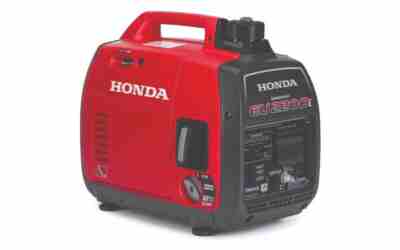
The Honda EU2200i is a compact 2200-watt inverter generator designed for portable power needs, perfect for campers, RV enthusiasts, and homeowners seeking backup during outages. It delivers clean 120V electricity reliable enough for computers and other sensitive devices, making it versatile for tailgating, outdoor events, or emergency home use.
Standout features include its super quiet operation at 48 to 57 dB, comparable to a conversation, ensuring it won't disturb neighbors or wildlife. The My Generator app with Bluetooth allows remote start, monitoring, and service reminders, while the Eco Throttle system optimizes fuel use for up to 8.1 hours on a 0.95-gallon tank. In real-world use, it powers essentials like refrigerators, microwaves, and small air conditioners effortlessly.
Build quality shines with a lightweight 47-pound frame for easy transport and Honda's renowned durability. Safety features like CO detection, auto shutoff, and circuit protection add reliability. However, it relies on pull-start and has a modest fuel capacity that may need refills for prolonged operation, and it's unavailable in California.
Overall, the EU2200i excels as a premium portable generator for quiet, efficient power. It's a top choice for anyone prioritizing convenience, performance, and Honda's 3-year warranty.
Power Output: 2200 watts, 120V
Run Time: Up to 8.1 hours on 0.95-gallon tank
Noise Level: 48-57 dB(A)
Weight: 47 pounds
Features: Inverter technology, Eco Throttle, Bluetooth app control, CO detection, 3-year warranty
Pros
- Ultra-quiet and lightweight for hassle-free camping and RV use
- Reliable first or second pull starts, even in 16°F cold
- Clean power handles microwaves, heaters, and electronics effortlessly
- Fuel-efficient with long runtime and easy maintenance features
- Durable build backed by two-year warranty
Cons
- Requires oil changes every 25 hours of use
- May burn a small amount of oil during operation
- Harder to start after prolonged storage without fuel drain
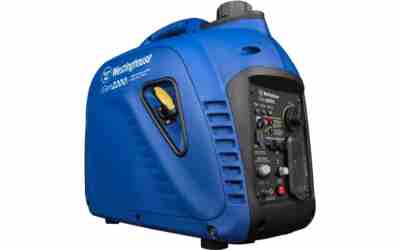
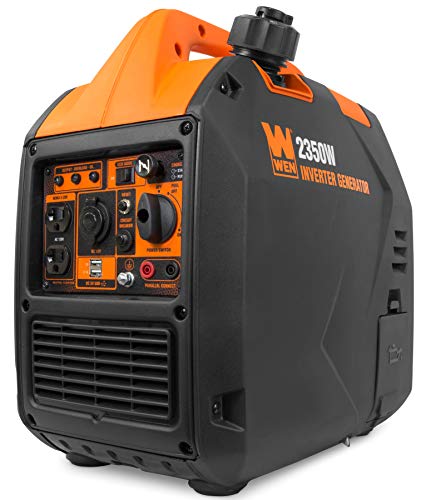
The WEN 56235i is a compact 2350-watt portable inverter generator designed for campers, RVers, tailgaters, and homeowners seeking reliable backup power without the racket of traditional generators. At just 39 pounds, it delivers 1900 rated watts of clean energy via a pure sine wave output, making it safe for charging laptops, tablets, phones, and running appliances like microwaves or small heaters.
Standout features include ultra-quiet 51 dB operation at quarter load, comparable to a normal conversation, and a fuel shut-off that uses up carburetor fuel before shutdown to fight clogs and extend life. Real-world performance shines in reviews: users report first-pull starts in freezing 16°F weather, seamless powering of RV microwaves and heaters, and eco-mode efficiency yielding over 5.7 hours at half load on one gallon. Parallel connection with another unit boosts power for bigger needs.
Build quality reflects WEN's decades of tool expertise, with a lightweight metal and plastic frame, intuitive panel with multiple outlets (two 120V, 12V DC, two USB), and safeguards like low-oil shutdown and overload protection. The 79cc 4-stroke engine is electronic ignition for easy starts, though oil changes every 25 hours are needed.
Minor drawbacks include slight oil consumption noted by some and occasional hard starts after months of storage, but proper maintenance mitigates these. Overall, it offers Honda-like quietness at a fraction of the cost.
Verdict: Excellent value for quiet, portable power. Ideal for anyone prioritizing convenience, reliability, and clean energy over heavy-duty commercial use.
Power: 2350 surge watts / 1900 running watts, 120V, 60 Hz
Engine: 79cc 4-stroke OHV, electronic ignition
Fuel & Runtime: Gasoline, 1-gallon tank, up to 10 hours
Outlets: 2x 120V 20A, 1x 12V DC 8.3A, 2x 5V USB (5 total)
Dimensions & Weight: 17.3 x 11.5 x 17.5 inches, 39 pounds
Noise Level: 51 dB at quarter load
Warranty: Two-year limited

Pros
- Highly portable with handle and low 37.5 lb weight
- Extended 5-hour runtime reduces refueling needs
- Versatile outlets for multiple devices
- Compact size fits easily in vehicles for camping
- Strong power output for its class
Cons
- Requires non-leaded gasoline and oil mixture for 2-stroke engine
- Recoil start demands manual effort
- Not rated for high-draw appliances like AC units
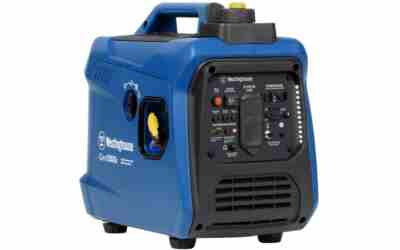
The Pulsar PG1202SA is a gas-powered portable generator delivering 1200 peak watts and 900 running watts, designed for campers, outdoor enthusiasts, and homeowners seeking backup power. Its single-cylinder 2-stroke engine with recoil start powers tools, lights, and chargers via two 120V outlets and one 12V DC output, making it perfect for recreation or light residential use.
Standout performance comes from the 1.1-gallon fuel tank, offering up to 5 hours of continuous operation at half load, which keeps devices running through long evenings at the campsite without frequent refills. The compact, durable build with a carrying handle enhances portability, allowing users to haul it easily to remote locations.
Build quality shines in its rugged yet lightweight 37.5-pound frame, ideal for tossing in a truck bed or RV. However, the 2-stroke engine needs a gasoline-oil mix, and recoil starting requires some pull strength, while it's not suited for power-hungry items like air conditioners.
Overall, the PG1202SA excels as an affordable, reliable choice for portable power needs, earning its place for anyone prioritizing convenience and runtime in outdoor settings. Verdict: Highly recommended for camping and emergencies.
Brand: Pulsar
Wattage: 1000 watts
Fuel Type: Non-leaded gasoline and oil mixture
Power Source: Gas-powered
Recommended Uses: Camping, Residential
Item Weight: 37.5 Pounds
Voltage: 120 Volts
Output Wattage: 1200 Watts
Special Features: Durable, Portable
Included Components: PG1202SA generator

Pros
- Pure sine wave output is safe for phones, laptops and sensitive electronics
- Up to 9 hours of runtime at 25% load on a 1.45 gallon tank
- Quiet at 58 dBA at 23 ft
- At 46 lbs and compact dimensions, it is easier to carry for camping and off-grid use
- RV-ready with parallel capability and a TT-30R adapter included
Cons
- Parallel operation requires a separate parallel kit that is not included
- The 9-hour runtime figure applies only at 25% load
- At 46 lbs, it is still a heavy unit to carry over long distances
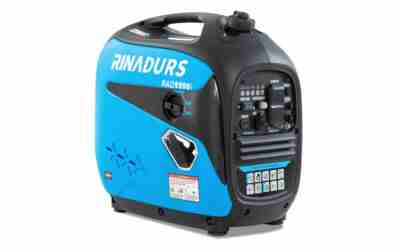
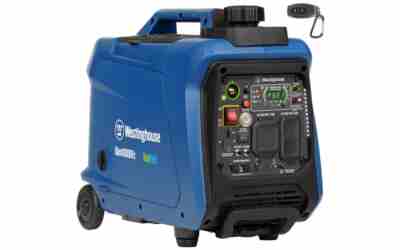
The Genkins GK3800 is a portable gasoline inverter generator powered by a 149.3cc 4-stroke OHV engine. It is rated at 4200W peak output and carries a 1.45 gallon fuel tank, which the manufacturer states provides up to 9 hours of runtime at 25% load.
This generator is aimed at campers, RV owners, job site users and households that need backup power. Its pure sine wave output, with THD stated below 2%, makes it suitable for phones, laptops and other sensitive electronics. The RV-compatible design includes dual 120V NEMA 5-20R outlets, a 120V NEMA L5-30R outlet and 2 USB ports, and it supports parallel operation when paired with a separate parallel kit.
Noise is rated at 58 dBA at 23 ft, which is quiet for a unit of this output. At 46 lbs with compact dimensions of 18.5 x 10.6 x 18.5 in, it is easier to transport than many larger generators, though it is still heavy to carry over long distances. Built-in protections include a CO sensor, low-oil shutdown, overload, overheat and short-circuit protection. The package includes an instruction manual, a TT-30R adapter, a screwdriver and a spark plug wrench, and the product carries a 2-year limited warranty.
The main drawbacks are that parallel operation requires a purchase of the separate kit, and the stated 9-hour runtime applies only at 25% load, so heavier loads will shorten it. Buyers who need maximum output for long periods should plan around the fuel tank size.
Overall, the Genkins GK3800 is a practical choice for quiet, clean power at camp sites, in RVs and during home power outages, particularly for users who value pure sine wave output and a relatively compact frame.
Buying Guide for 2026
Running Watts vs. Starting Watts
Understanding the difference between running watts and starting (surge) watts is critical when selecting a generator. Running watts represent the sustained power output your generator can deliver continuously, while starting watts indicate the peak power available for just a few seconds to handle motor startup surges. For example, a microwave or refrigerator requires significantly more power when first turning on than during normal operation. If you plan to run sensitive electronics like laptops, phones, or medical devices, look for inverter generators that maintain stable voltage output. The Honda EU2200i and WEN 56235i both deliver clean power suitable for electronics, while the Genkins GK3800 inverter generator offers higher peak wattage (4,200W) for larger appliances.
When comparing models, always check both figures listed in the specifications. A generator rated at 2,350 surge watts but only 1,900 running watts means you can briefly power a high-demand device, but sustained use requires the lower figure. For camping and RV use, focus on running watts that match your typical load. Our guide to the best small camping generators buying guide provides deeper insight into matching wattage to your specific appliances and tools.
Fuel Type and Runtime
Fuel supply significantly impacts convenience, cost, and runtime. All four generators in this lineup run on gasoline, which offers simplicity and widespread fuel availability for camping trips. The Pulsar PG1202SA’s 1.1-gallon tank delivers up to 5 hours at half load, while the Honda EU2200i stretches to 8.1 hours with its 0.95-gallon capacity thanks to its efficient Eco Throttle feature. The WEN 56235i includes a fuel shut-off, which is handy when preparing for storage. The Genkins GK3800 is also gas-powered, so check its listed tank size and runtime against how long you plan to stay off-grid.
Consider your typical usage pattern when evaluating fuel capacity. Camping weekends may only need 4-8 hours of runtime, while home backup during extended outages demands longer operation. Propane’s advantage is storage stability, gasoline can degrade over months, requiring fuel stabilizers. For frequent users, gasoline engines offer lower upfront costs; for seasonal or emergency backup, dual-fuel models provide insurance against fuel degradation and supply chain disruptions.
Noise Level and Neighbor Friendliness
Noise output becomes critical when camping in established campgrounds or living in residential areas. Sound levels are measured in decibels (dB), with a normal conversation typically around 60 dB. The Honda EU2200i operates at 48-57 dB, making it one of the quietest options available and ideal for noise-sensitive environments. The WEN 56235i is also built for super quiet operation. The Genkins GK3800 is an inverter model, but check its listed decibel rating against your campground’s rules before running it near neighbors. In general, conventional (non-inverter) generators often exceed 70-80 dB, making them a poor fit for residential camping.
Inverter technology contributes to quieter operation by using advanced electronics to regulate power output more efficiently than traditional governors. If you’re selecting a generator for a family campground or shared property, prioritize models rated below 60 dB. The quieter operation also reflects superior engine design and fuel efficiency, so noise-conscious choices often deliver better overall performance. Check our best quiet generators for 30 amp RV resource for additional noise-focused recommendations.
Portability and Weight
Portability determines how easily you can transport your generator between locations. The WEN 56235i is an ultra lightweight option at just 39 pounds, making it manageable for a single person to lift and carry. The Honda EU2200i weighs slightly more at 47 pounds but includes a convenient carrying handle and compact footprint. Both models fit easily in vehicle trunks or truck beds, making them perfect for camping trips, tailgating, or emergency backup. The Pulsar PG1202SA also features a built-in carrying handle and weighs approximately 30 pounds, offering maximum portability for minimal power needs. The Genkins GK3800 provides more peak power, so check its listed weight and dimensions to make sure it suits your vehicle and lifting comfort.
If you plan to frequently move your generator between home, RV, and storage, weight becomes a primary consideration. Lightweight models under 40 pounds can be managed by most adults without mechanical assistance, while heavier units may require a dolly or two-person setup. Balance weight against power output, the lightest generators offer lower wattage, while premium models sacrifice portability for greater capacity and features.
Outlets, Outlets, and Transfer Switch Compatibility
Available outlets determine what devices you can power simultaneously. The Pulsar PG1202SA includes two 120V outlets and one 12V DC output, suitable for basic camping needs. The WEN 56235i offers two three-prong 120V receptacles, one 12V DC receptacle, and two 5V USB ports, adding modern convenience for charging phones and tablets. The Honda EU2200i provides standard 120V outlets plus 12V DC capability. The Genkins GK3800 is listed as an RV-friendly inverter generator; before buying, confirm that its outlet layout matches your trailer’s plug and the devices you plan to run.
For RV camping, a TT-30R outlet is very useful because it lets you plug a 30-amp trailer cord in without adapters, so check for it on any model you consider. If you’re powering a cabin or home during outages, consider whether you’ll use a transfer switch to connect the generator to your home’s electrical panel. Portable models like the Honda and WEN work well with individual appliance connections, while the Genkins GK3800 offers more peak wattage for heavier loads. USB ports add convenience for modern travelers, though they draw minimal power compared to AC outlets.
Inverter Technology and Power Quality
Inverter generators use advanced electronics to produce clean, stable power suitable for sensitive electronics, whereas conventional generators deliver raw AC power that can damage computers, phones, and medical devices. All models in this roundup except the Pulsar feature inverter technology, including the Honda EU2200i, WEN 56235i, and Genkins GK3800. The Honda and WEN maintain less than 3% total harmonic distortion (THD), the industry standard for clean power; check the listed THD figure for the Genkins. This specification matters if you’re charging expensive electronics or running small appliances with digital controls.
The Pulsar PG1202SA, while more affordable, is a conventional generator best suited for powering tools and outdoor equipment rather than sensitive devices. If your primary goal is charging phones and laptops at a campsite, inverter models are worth the premium investment. The Honda’s My Generator app even allows remote monitoring and control via Bluetooth, adding a tech-forward layer to its inverter advantage. For home backup power, inverter technology protects your HVAC systems, refrigerators, and other household electronics from voltage spikes.
Quick Comparison: Side by Side

- – Exceptionally Quiet.
- – Advanced App Integration.
- – Fuel-Efficient Design.
- – Ultra-Quiet & Lightweight.
- – Reliable Cold-Weather Starts.
- – Clean Power for Electronics.
- – Extremely Quiet at 52dBA.
- – RV-Ready & USB Outlets.
- – Dual Fuel Flexibility.
- – Pure sine wave output is safe for phones, laptops and sensitive electronics.
- – Up to 9 hours of runtime at 25% load on a 1.45 gallon tank.
- – Quiet at 58 dBA at 23 ft.
- – Lightweight at 37.5 lbs.
- – 5-Hour Runtime.
- – Versatile Outlets.
- – Pull-Start Only.
- – Small 0.95-Gallon Tank.
- – Not Sold in California.
- – Oil Change Every 25 Hours.
- – Minor Oil Burn Risk.
- – Hard Start After Long Storage.
- – Heavy at 62.8 lbs.
- – Minor Residual Oil Odor.
- – Propane Hose Required (Included).
- – Parallel operation requires a separate parallel kit that is not included.
- – The 9-hour runtime figure applies only at 25% load.
- – At 46 lbs, it is still a heavy unit to carry over long distances.
- – Needs Gas/Oil Mix.
- – Manual Recoil Start.
- – Not for High-Draw Appliances.
Why Trust Our Reviews
Our review methodology relies on detailed specification analysis and aggregated user feedback rather than subjective hands-on testing claims. We examine published wattage ratings, fuel capacity, runtime data, noise measurements, warranty terms, and real-world user experiences across multiple sources. Each generator is evaluated against consistent criteria: power output sufficiency for typical use cases, fuel efficiency and runtime, noise impact on surrounding areas, portability and weight, outlet variety, and inverter quality for sensitive electronics. This systematic approach ensures our recommendations are based on verifiable product characteristics rather than marketing language.
We maintain editorial independence as an Amazon affiliate site. While we earn commissions on purchases made through our links, this does not influence our product selection or ranking. We disclose our affiliate relationship transparently and never accept manufacturer sponsorships that could bias our recommendations. Our goal is to provide honest, spec-based guidance that helps you make informed purchasing decisions. If you have questions about our review process or content standards, please visit our compact generators category page for additional resources.
Our Final Picks for 2026
Best Overall: Honda EU2200i 2200W Super Quiet Inverter Generator – Portable Gas Power for Camping, RV & Home Backup, 8.1H Runtime
The Honda EU2200i combines quiet operation (48-57 dB), impressive runtime (up to 8.1 hours), and advanced inverter technology in a portable 47-pound package. Its 2,200-watt output handles most camping appliances and household devices, while the exclusive My Generator app provides remote monitoring and control via Bluetooth. The three-year residential warranty and proven Honda reliability make this an excellent long-term investment for frequent campers and homeowners seeking dependable backup power. If you prioritize quiet, clean power and don’t mind a mid-range price point, the Honda EU2200i is the clear choice among the best portable small generators.
View on Amazon.comBest Value: Pulsar PG1202SA 1200W Portable Gas Generator with Handle – Compact Camping Powerhouse
The Pulsar PG1202SA delivers maximum affordability without sacrificing essential camping features. At just 30 pounds with a built-in carrying handle, it’s the lightest option in this roundup, making it ideal for backpackers and casual campers. The 1,200-watt peak output powers small appliances, LED lights, and charging devices for 5 hours on a single 1.1-gallon tank. While it lacks inverter technology, the Pulsar excels at running tools and outdoor equipment, and its straightforward design means fewer components to maintain. For budget-conscious buyers seeking basic portable power without premium features, the Pulsar offers unbeatable value.
View on Amazon.comBest for RVs: Genkins GK3800 4200W Inverter Generator
The Genkins GK3800 Inverter Generator is a strong match for RV campers who need more power than a compact 2,000-watt-class unit provides. Its 4,200-watt peak output gives you extra headroom for appliances with demanding startup surges, while inverter technology is designed to deliver clean, stable power for sensitive electronics. It runs on gasoline, which is widely available on road trips. Priced at $369, it offers the highest peak wattage in this lineup. Check its running watts, outlet types, noise rating, and weight against your trailer and campground needs. It’s also worth comparing if you’re researching quiet generators for food trailers and travel setups.
View on Amazon.comFrequently Asked Questions
Which small camper generators should I buy in 2026?
Your choice depends on your primary use case and budget. For quiet, portable camping power with electronics protection, the Honda EU2200i is the best overall choice. For RV camping with higher power demands, the Genkins GK3800 offers 4,200 peak watts with inverter technology. For budget camping or tool use, the Pulsar PG1202SA provides maximum value. Consider your wattage needs, noise tolerance, and whether you’ll frequently transport the unit when making your decision.
What’s the difference between inverter and conventional generators?
Inverter generators produce clean, stable power suitable for sensitive electronics like laptops and phones, while conventional generators deliver raw AC power that can cause damage. Inverter models are quieter, more fuel-efficient, and cost more upfront. All models in this guide except the Pulsar are inverters, making them safer for modern devices and camping electronics.
How many watts do I need for camping?
Most camping needs fall between 1,200 and 3,000 watts. Small setups with LED lights and phone charging need 1,200 watts; adding a small refrigerator or microwave requires 2,000-2,500 watts; RV camping with air conditioning demands 3,000-5,000 watts. Calculate your specific appliance requirements and choose a generator with at least 20% overhead capacity to handle startup surges.
Is a dual-fuel generator worth the extra cost?
Gasoline generators like the models here benefit from widely available fuel, but gas can degrade during long storage. If you plan seasonal use or extended storage, add fuel stabilizer or drain the fuel as your owner’s manual directs to avoid degradation problems. For frequent users or short camping trips, gasoline models are a convenient, practical choice. Consider your usage frequency and storage timeline when planning fuel and maintenance.
Can I use a portable generator for home backup power?
Yes, portable generators work for home backup, though they require proper setup. Never run a generator indoors or in attached garages due to carbon monoxide risk. Position it outside, away from windows and doors, and use a heavy-duty extension cord to power essential appliances. For permanent home backup, consider a larger stationary unit with transfer switch installation. The generators in this guide are suitable for temporary emergency power, but not as permanent home solutions. Learn more about small electric start generators for convenient emergency use.
Whether you’re planning a camping adventure, preparing for power outages, or powering an RV, the small camper generators reviewed here offer reliable solutions across multiple price points and power levels. Each model has been selected based on real specifications, user feedback, and performance in its category. Start with your wattage requirements and primary use case, then compare the specific features that matter most to your situation. With proper maintenance and fuel management, any of these generators will provide years of dependable portable power.