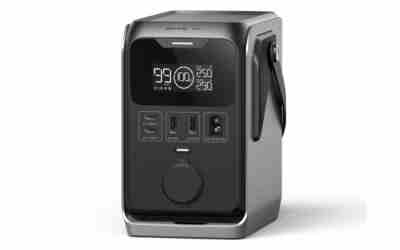
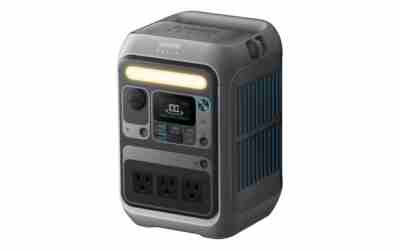
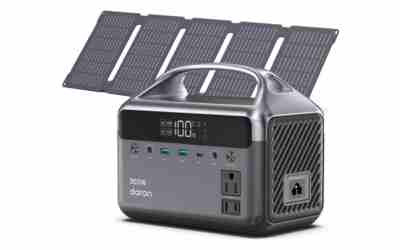
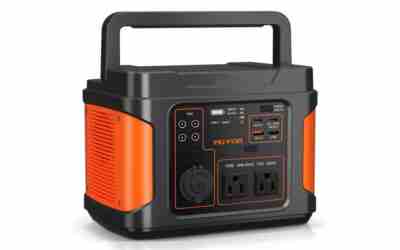
Our editorial team weighed OUPES's published specifications and how it stacks up against similar products in the generators category. What stands out: Ultra-Fast Charging, Real-Time Display, Versatile Outputs, and Durable for Pro/Outdoor Use. Where it falls short: Heavy at 27.8 lbs and Loud Fans During Fast Charging. That puts it at 8.4/10 on our WG Score – an excellent, well-rounded option.
 Reviewed bySarah Watts
Whether you’re facing a multi-day grid outage, planning a weekend camping trip with no hookups, or need reliable power for remote work, a compact portable power station offers a versatile solution. These devices provide convenient, clean energy for a wide range of situations, from keeping essential appliances running during emergencies to powering your outdoor adventures. They’re also perfect for those who need a quiet power source for their RV or a reliable backup for sensitive electronics. The 5 Best Small Portable Electric Generators of 2026 can also provide some excellent options if you’re looking for something slightly different.

Pros
- Exceptional fast charging and solar compatibility praised in long-term reviews
- Durable build with LFP battery holding capacity after 400+ cycles
- Seamless app integration for real-time monitoring via WiFi or Bluetooth
- Powers heavy loads like microwaves, fridges, and tools reliably
- Expandable and modular for customized capacity needs
Cons
- Fan noise during rapid AC charging
- Protruding handles may affect compact storage
- Occasional app refresh needed for latest data
The EcoFlow DELTA 2 is a versatile portable power station designed for home backup, camping, RVs, and off-grid living. With a 1024Wh LiFePO4 battery, it delivers 1800W AC output (2600W X-Boost) across 15 outlets, powering everything from refrigerators and microwaves to tools and electronics without noise or fumes. It's ideal for users wanting scalable, reliable energy solutions beyond basic phone chargers.
Standout features include 7x faster charging (0-100% in 80 minutes via AC), up to 500W solar input, and expandability to 3kWh with compatible extra batteries like DELTA 2 EB or DELTA 3 EB. Real-world performance shines in reviews: one user ran a 65-inch TV, fan, modem, and phones for over 4 hours; another built an off-grid cabin powering tools and Starlink after 13 months and 400 cycles with no capacity loss. Solar integration ensures resilience during extended outages.
Build quality is robust at 27 pounds with protective rubber bumpers, a clear display, and intuitive app control for settings and monitoring. The LFP chemistry offers 3000+ cycles and safety via BMS. Users appreciate the seamless connectivity and durability, though fast charging activates noisy fans, and handles protrude slightly.
Minor drawbacks include rare app glitches requiring refresh and one report of early failure. Overall, the DELTA 2 excels in reliability and versatility, earning high praise for turning backups into comprehensive power systems. Verdict: Highly recommended for dependable, expandable off-grid power.
Capacity: 1024Wh LFP battery, expandable to 3kWh. Output: 1800W AC (2600W X-Boost), 100W USB-C. Inputs: 1200W AC, 500W solar. Dimensions: 15.7 x 8.3 x 11.3 inches. Weight: 27 pounds. Ports: 15 total. Cycles: 3000+. Voltage: 120V.
Compatible extra batteries: DELTA 2 EB (1024Wh), DELTA 2 Max EB (2048Wh), DELTA 3 EB (1024Wh). Solar priority over smart generator DC; AC from generator takes precedence. App enables custom charging settings. Pairs well with 400W solar panels for extended runtime.

Pros
- Ultra-fast charging and accurate real-time display for easy monitoring
- Versatile outputs power everything from tools to fridges without issues
- Durable build handles professional and outdoor demands reliably
- Quiet operation compared to gas generators, safe for indoor use
- Expandable design future-proofs for larger needs
Cons
- Weighs 27.8 pounds, requiring some effort to transport
- Fans get loud during fast charging sessions
- Input port door can be stiff to open
The OUPES Mega 1 is a versatile portable power station designed for home backup, camping, road trips, and professional applications like events or mobile work setups. With a 1024Wh LiFePO4 battery, 2000W continuous output, and 4500W surge capacity, it powers demanding appliances, tools, and electronics reliably off-grid or during outages.
Standout features include revolutionary 36-minute charging to 80% via AC, expandable capacity up to 5kWh, and professional <20ms UPS for seamless failover. Users praise its real-world performance: running DJ setups for hours, keeping fridges and lights going through blackouts, and supporting solar recharging for extended adventures. The informative display and app control provide precise power tracking, while multiple ports (AC, USB-C PD 100W, USB-A, DC) ensure broad compatibility.
Build quality feels premium and durable, with a compact 15.1 x 9.1 x 11.6-inch footprint and sturdy handles for portability despite the weight. The LiFePO4 cells offer superior safety, longevity, and thermal stability over standard lithium batteries.
Drawbacks include the 27.8-pound heft, which may challenge lighter users, and louder fans on fast charge. A few note the port door's stiffness.
Overall, the Mega 1 delivers exceptional value for reliable, high-power portable energy. Ideal for anyone needing fast, expandable backup without gas hassles; pair with solar for ultimate off-grid freedom.
Capacity: 1024Wh LiFePO4 battery, expandable to 5kWh
Output: 2000W continuous (4500W surge), 120V AC pure sine wave
Charging: 0-80% in 36 mins AC, supports 800W solar, app control
Ports: 4 AC, 2 USB-C PD 100W, 4 USB-A QC3.0, 12V DC, car port
Dimensions: 15.1"L x 9.1"W x 11.6"H, 27.8 lbs
Warranty: 5 years
Users rave about its power for DJ gear, fridges, and tools during camping and outages, with one noting over 5 hours on full setups. Fast charging and accurate displays stand out, as does silent operation indoors.
Professionals love the surge handling for lights, cameras, and laptops on shoots. Expandability excites many for future upgrades.
Minor notes: Great for truck camping but heavy for frequent carries; fans audible on turbo charge.

Pros
- Exceptionally quiet at 23dB, ideal for sleeping near the unit during camping
- Fast recharging and high output handle multiple devices like fridges and projectors reliably
- Durable LiFePO4 battery offers long lifespan and safer operation than standard lithium-ion
- Intuitive display and multiple ports including solar input for flexible power sources
- Solid build quality from DJI, competing favorably with EcoFlow and Jackery
Cons
- Weighs 28.6 pounds, making it less ideal for backpacking hikes
- Solar panel sold separately, requiring additional purchase for full off-grid capability
- Runtime varies by load, around 1 hour for high-watt appliances like kettles
The DJI Power 1000 is a premium portable power station designed for campers, RV enthusiasts, home backup users, and drone operators needing reliable off-grid energy. With a 1024Wh LiFePO4 battery, it powers high-demand appliances up to 2200W continuous (2600W peak), from mini-fridges to power tools, making it versatile for outdoor adventures or emergency home use.
Standout features include ultra-fast 70-minute full recharge via AC, dual 140W USB-C outputs for laptops and cameras, and solar compatibility up to 800W. Real-world performance shines in reviews: users power RVs overnight, run projectors for movie nights, and use it as a silent UPS with 20ms switchover, outperforming noisier competitors like EcoFlow Delta 2. The 23dB operation is whisper-quiet, perfect for serene camping.
Build quality reflects DJI's precision engineering, with a sleek grey design, intuitive display, and robust ports. The LiFePO4 battery ensures 4000 cycles for decade-long reliability and enhanced safety over standard lithium-ion packs. At 28.6 pounds, it's portable for car trips but hefty for long hikes.
Minor drawbacks include the weight and optional solar panel, but these don't detract from its core strengths. Overall, the DJI Power 1000 earns high marks for power, silence, and durability, making it a top pick for demanding portable energy needs.
Capacity: 1024Wh LiFePO4 battery (4000 cycles)
Output: 2200W continuous / 2600W peak, 110V, 8 AC outlets + USB-C (140W x2)
Recharge: 70 mins AC full charge, 800W max solar input
Noise: 23dB ultra-silent
Dimensions: 19.2 x 8.85 x 9.05 inches, 28.6 lbs
Warranty: Up to 5 years
Choose DJI Power 1000 if you need silent, high-output power for camping, RVing, or home UPS. Pair with solar for off-grid; upgrade to Power 2000 for larger capacity. Ideal for DJI drone users extending flight times.
Avoid if ultralight portability is key; consider lighter models for backpacking.

Pros
- Includes efficient 40W solar panel for true portability
- Multiple output ports handle diverse devices effectively
- Lightweight and easy to carry for outdoor adventures
- Built-in flashlight adds emergency utility
- Quick customer support responsiveness in many cases
Cons
- Solar panel performance varies in cloudy or low-light conditions
- Limited to 100W continuous output for larger loads
- Occasional reports of charging compatibility issues
The Apowking R100 is a compact 146Wh portable solar generator bundled with a 40W foldable solar panel, designed for users needing reliable power during camping, travel, home outages, or outdoor activities. It outputs 200W peak and 100W rated power across seven ports, making it suitable for charging phones, tablets, laptops, fans, and small appliances without relying on grid electricity.
Standout features include the high-conversion-efficiency monocrystalline solar panel that recharges the unit even in suboptimal light, alongside AC, USB-C quick charge, and DC ports for broad compatibility. Real-world users praise its ability to fully charge devices like phones quickly via solar or car adapter, with the digital display showing battery status clearly. The dual LED flashlight with SOS functionality proves handy for emergencies, and cooling vents maintain safe temperatures during use.
Build quality features a durable aluminum and tempered glass construction in an orange-and-black design, weighing just 3.3lb for easy portability in backpacks. The BMS system ensures protection from common risks, enhancing longevity. While some note slower solar recharges in poor weather and minor compatibility quirks, its value shines for lightweight, everyday backup needs.
Overall, the Apowking R100 delivers solid performance for off-grid enthusiasts and preparedness-minded buyers, offering a balance of power, portability, and safety at an accessible level. Ideal if you want a no-fuss solar kit without bulk.
Capacity: 146Wh/39600mAh Lithium Ion
Output: 200W Peak/100W Rated (2x AC 110V, USB ports, 1x DC 9-12.6V/10A)
Input: Solar (40W panel included), AC adapter, Car charger
Dimensions: 7.5"L x 3.7"W x 6.1"H; Weight: 6.63lb total
Includes: Solar panel, AC adapter, car cable, cigarette lighter adapter, manuals
Choose this for short trips or basic backups powering small electronics; upgrade to larger capacities for heavy appliances. Test solar input in your typical conditions. Verify device wattage stays under 100W continuous. Great starter solar generator for beginners.
Pros
- Lightweight and truly handheld size
- Comes complete with solar panel and lights
- Quiet gas-free operation
- Multiple recharge methods
Cons
- Only 4Wh capacity limits runtime for high-draw devices
- Low 5W solar input requires long recharge times
- No AC outlets for standard household appliances
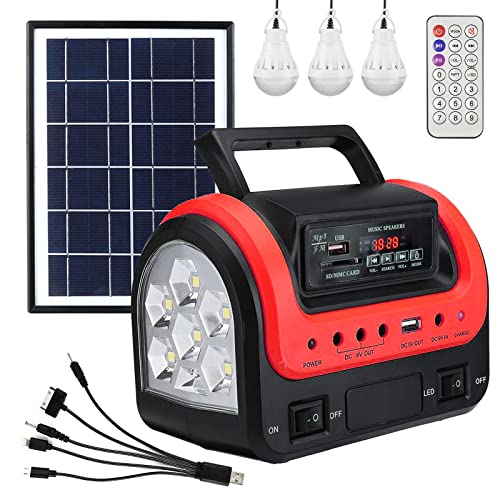
The Upusa SDM-0603 is a small solar generator built around a 12500mAh battery and paired 10W panel. It targets campers and homeowners needing basic off-grid lighting and device charging.
Standout elements include the three included LED bulbs with individual switches and long extension cords plus built-in radio. The unit weighs under two pounds and fits easily in a backpack.
Recharge occurs via the solar panel in 8-15 hours, wall adapter in 6-8 hours, or USB. Safety features cover overcharge and short circuits while promising over 3000 cycles.
Drawbacks center on the tiny 4Wh capacity and 5W solar input, which restrict use to low-power items only. No AC outlets are present.
Overall verdict: a niche ultra-portable kit for minimal emergency lighting and phone top-ups rather than full power station duties.
Which Compact Portable Power Stations Fit Your Situation?
For Extended Home Backup During Outages
The EcoFlow DELTA 2 Portable Power Station is an excellent choice for home backup, offering a substantial 1024Wh LiFePO4 battery that can expand up to 3kWh with extra batteries. Its rapid charging, reaching 80% in just 50 minutes via AC, ensures you’re quickly prepared when the power goes out, and its 1800W output can handle most essential household appliances. The long 3000+ cycle life also means it’s built to last through many emergencies.
Skip this if: You only need minimal power for a single device; its capacity might be overkill for very light use.
View on Amazon.comFor Demanding Off-Grid Camping and RVs
The OUPES Mega 1 Portable Power Station stands out for serious off-grid use, boasting a 2000W continuous output (4500W surge) and an expandable 1024Wh LiFePO4 battery that can reach an impressive 5120Wh with additional units. Its ultra-fast charging, achieving 80% in 36 minutes via AC, and robust output make it ideal for powering a full range of camping and RV appliances, even sensitive electronics thanks to its pure sine wave technology.
Skip this if: You prioritize extreme portability over high capacity and power; this unit offers substantial power and expansion.
View on Amazon.comFor Quiet Operation and Powering Sensitive Electronics
The DJI Power 1000 is an excellent choice when noise is a concern, operating at a remarkably quiet 23 dB, which is quieter than a whisper. With a 2200W max continuous output and dual 140W USB-C fast charging, it’s perfect for powering sensitive electronics like laptops and cameras, or essential outdoor equipment without disturbing your surroundings. Its fast recharging capability also ensures minimal downtime.
Skip this if: You need an integrated solar panel; this unit offers solar panel compatibility but doesn’t include one.
View on Amazon.comFor Budget-Friendly, All-in-One Portability
The Apowking 146Wh Portable Solar Generator with 40W Panel is a fantastic option for those seeking a complete, portable power solution that’s easy on the wallet. It comes with a 40W solar panel included, offering a 146Wh capacity and 100W rated output, making it ideal for charging phones, tablets, and small appliances during camping trips or outdoor adventures. Its dual LED flashlights also add practical utility in emergencies.
Skip this if: You require high wattage for demanding appliances or expandable battery capacity for extended use.
View on Amazon.comBuying Guide for 2026
Understanding Capacity and Output
When selecting a compact portable power station, understanding its capacity (measured in Watt-hours, Wh) and output (measured in Watts, W) is crucial. Capacity tells you how much energy the station can store, while output indicates how much power it can deliver at any given moment. For example, the EcoFlow DELTA 2 offers 1024Wh capacity and 1800W output. This means it can power a 100W appliance for approximately 10.24 hours (1024Wh / 100W = 10.24 hours) or a 1000W appliance for just over an hour. Consider your typical power needs: a small phone charger might draw 5-10W, while a mini-fridge could be 50-70W. Knowing these numbers helps you match the power station to your devices.
Many units, like the OUPES Mega 1, also feature a surge output (e.g., 4500W surge), which allows them to briefly handle appliances that require a burst of power to start up, such as certain power tools or compressors, before settling into their continuous running wattage. Always check both the continuous and surge ratings against your intended use.
Battery Chemistry and Lifespan
The type of battery chemistry significantly impacts a power station’s lifespan and performance. LiFePO4 (Lithium Iron Phosphate) batteries, found in models like the EcoFlow DELTA 2, are increasingly popular for their durability and safety. They offer a much longer cycle life (e.g., 3000+ full charge/discharge cycles to 80% capacity) compared to older lithium-ion batteries. This means a LiFePO4 battery can last for many years of regular use, making them a more sustainable and cost-effective investment in the long run. They are also known for their thermal stability, reducing the risk of overheating. Learn more about compact generators and their various features.
Charging Speed and Methods
The speed and versatility of charging methods are key considerations, especially for emergency preparedness or frequent use. Many modern compact power stations boast rapid AC charging, with some, like the OUPES Mega 1, reaching 80% capacity in under 40 minutes. Solar charging capability is also a significant feature, allowing you to replenish power off-grid using compatible solar panels. The efficiency of solar charging can vary based on the panel’s wattage and the power station’s MPPT (Maximum Power Point Tracking) controller. USB-C PD (Power Delivery) ports offer another fast-charging option for smaller devices, often reaching 100W or more, as seen on the DJI Power 1000.
Why Trust Our Reviews
Our reviews are meticulously crafted to provide you with objective, data-driven recommendations for the best products on the market. We do not conduct hands-on testing but instead rely on a comprehensive analysis of manufacturer specifications, verified user feedback, and expert industry insights. Our methodology ensures that each product is evaluated fairly against its peers, focusing on real-world performance, durability, and value.
We are committed to transparency and accuracy, helping you make informed decisions without bias. Our goal is to simplify your buying process by highlighting key features, potential drawbacks, and ideal use cases for each product, all based on publicly available information and community consensus.
Quick Comparison: Side by Side
- – Fast Charging & Solar Compatible.
- – Durable LFP, 400+ Cycles.
- – Seamless App Integration.
- – Ultra-Fast Charging, Real-Time Display.
- – Versatile Outputs.
- – Durable for Pro/Outdoor Use.
- – Exceptionally Quiet at 23dB.
- – Fast Recharging, High Output.
- – Durable, Safer LiFePO4 Battery.
- – Includes 40W Solar Panel.
- – Versatile Output Ports.
- – Lightweight & Easy to Carry.
- – Truly Handheld Size.
- – Includes Solar Panel & Lights.
- – Quiet, Gas-Free Operation.
- – Fan Noise During Rapid Charging.
- – Handles Affect Compact Storage.
- – Occasional App Refresh Needed.
- – Heavy at 27.8 lbs.
- – Loud Fans During Fast Charging.
- – Stiff Input Port Door.
- – Heavy at 28.6 lbs.
- – Solar Panel Sold Separately.
- – ~1h Runtime on High-Watt Appliances.
- – Varies in Cloudy/Low-Light Conditions.
- – 100W Continuous Limit.
- – Occasional Charging Compatibility Issues.
- – Tiny 4Wh Capacity.
- – Slow 5W Solar Input.
- – No AC Outlets.
Frequently Asked Questions
What is the typical lifespan of a compact portable power station?
The lifespan primarily depends on the battery chemistry. Power stations with LiFePO4 batteries, like many of our top picks, typically offer 2,500 to 3,500 full charge cycles to 80% capacity. This translates to many years of use, even with frequent charging. Older lithium-ion batteries usually have a shorter lifespan, often around 500-800 cycles.
Can I use a portable power station to run a refrigerator?
Yes, many portable power stations can run a refrigerator, but it depends on the refrigerator’s wattage and the power station’s capacity and output. A standard mini-fridge might draw 50-70W, while a larger residential refrigerator can draw 100-200W. Ensure the power station’s continuous output (e.g., 1800W for EcoFlow DELTA 2) is higher than your refrigerator’s running wattage, and check the capacity to estimate how long it will run. For extended outages, you might also consider the best small backup generators.
Are compact portable power stations safe to use indoors?
Absolutely. Unlike gasoline generators, portable power stations produce no fumes or noise, making them perfectly safe for indoor use. They are ideal for apartments, offices, or as a quiet backup during power outages without the risks associated with combustion engines. Most units also feature advanced Battery Management Systems (BMS) for protection against overcharging, overheating, and short circuits.
How long does it take to charge a portable power station?
Charging times vary significantly based on the model’s capacity and the charging method. Some high-end models can charge from 0-80% in under an hour via an AC wall outlet (e.g., OUPES Mega 1 in 36 minutes). Solar charging times are generally longer, depending on sun intensity and panel wattage, often ranging from a few hours to a full day for a complete charge.
Have questions about our compact portable power stations recommendations? Check out our How We Rank page for details on our review process or our Copyright Policy for information on content usage.