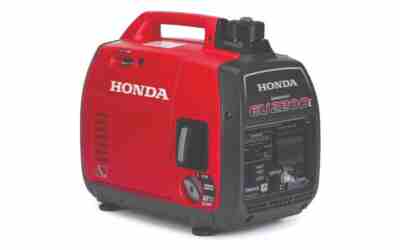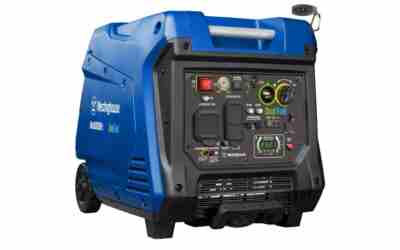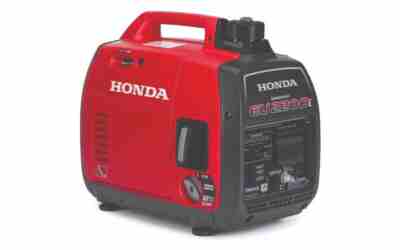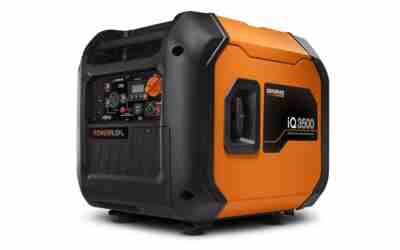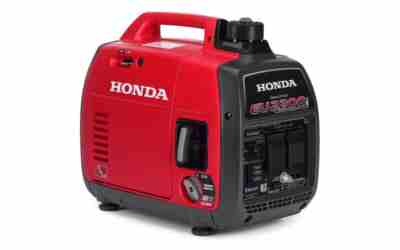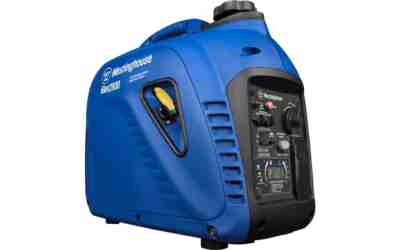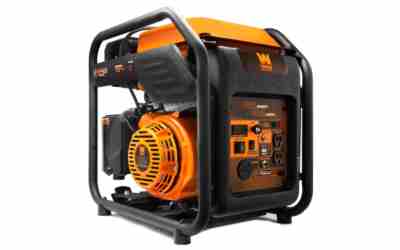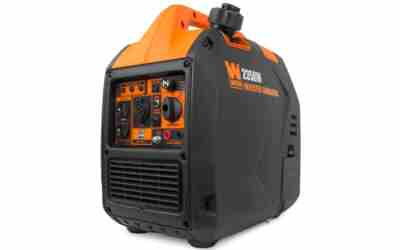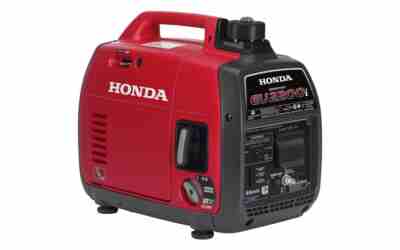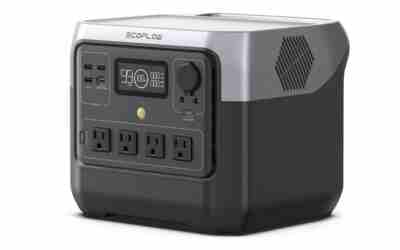

Our editorial team weighed PulsarProducts's published specifications and how it stacks up against similar products in the generators category. What stands out: Lightweight at 37.5 lbs, 5-Hour Runtime, and Versatile Outlets. Where it falls short: Needs Gas/Oil Mix and Manual Recoil Start. That puts it at 7.8/10 on our WG Score – a solid, dependable choice.
 Reviewed byDaniel
How much power do you actually need for a small indoor generator? For most indoor applications, such as powering essential electronics during a power outage or running small appliances in an RV or campsite, a generator with 900 to 3000 running watts is often sufficient. This range allows you to keep critical devices like lights, phones, and even a small refrigerator operational without over-sizing your unit. For more options, explore our guide to the Best Small Home Emergency Generators.
What to Know Before Choosing Small Indoor Generators
What makes a generator suitable for indoor use?
When selecting a generator for indoor use, safety is paramount. Traditional gas generators produce harmful carbon monoxide and are not safe for enclosed spaces. Instead, look for inverter generators or those specifically designed for low emissions and quiet operation, often featuring advanced exhaust systems. Some models, like the Westinghouse iGen5000DF, boast extremely quiet operation, as low as 52 dBA, making them less disruptive indoors or in close proximity to living spaces.
How important is portability for a small indoor generator?
Portability is a key factor for small indoor generators, as they are often moved between locations or stored away when not in use. Features like built-in handles or lightweight designs significantly enhance usability. For example, the PowerSmart 1200W Portable Gas Generator weighs only 39 lbs and includes an ergonomic carrying handle, making it easy to transport for camping, tailgating, or emergency home use. Consider the generator’s weight and any ergonomic features that facilitate moving it.
What type of fuel is best for a compact generator?
The choice of fuel type can impact convenience, runtime, and versatility. Gasoline is common, but dual-fuel options, which can run on both gasoline and propane, offer greater flexibility. Propane has a longer shelf life and burns cleaner, which can be advantageous. For instance, the maXpeedingrods MXR4000GT is a dual-fuel inverter generator, providing 4000 peak watts on gasoline and 3600 peak watts on propane, giving you more options depending on fuel availability and storage. Consider your primary use case and accessibility to different fuel sources.

Pros
- Ultra-quiet 52 dBA operation
- Exceptional 18-hour fuel efficiency
- Clean power safe for electronics
- Versatile outlets including RV 30A
- Multiple easy start options
Cons
- May have residual oil or fuel odor from factory testing
- Propane tank and hose sold separately
- Runtime shortens under heavy loads
The Westinghouse iGen5000DF is a high-performance dual fuel inverter generator offering 5000 peak watts and 3900 running watts, perfect for RVers, campers, tailgaters, and homeowners needing reliable backup power. Its ability to run on gasoline or propane provides unmatched versatility for remote locations or emergencies, while the RV-ready TT-30R outlet and household duplex outlets cover all camping and home essentials.
Standout features include a whisper-quiet 52 dBA operation, economy mode for up to 18 hours on a 3.4-gallon gas tank, and less than 3% THD for safe operation of sensitive electronics like laptops and TVs. The LED data center rotates to display fuel level, runtime, voltage, and hours, keeping you informed. Remote electric start with key fob and recoil backup ensure effortless ignition every time.
Built with a lightweight, compact design featuring wheels and an extendable suitcase-style handle, it moves easily despite its power. EPA compliant with a 3-year warranty and lifetime support, it emphasizes durability and user peace of mind. Real-world performance shines in fuel efficiency and clean power delivery.
Potential drawbacks include a possible factory residual odor and the need for separate propane accessories. Overall, the iGen5000DF excels as a portable powerhouse, earning top marks for quiet, efficient, and versatile operation. Highly recommended for anyone prioritizing convenience and reliability.
Power: 5000 Peak Watts, 3900 Rated Watts, <3% THD
Fuel: Dual Fuel (Gasoline 3.4 gal / Propane), Up to 18 Hours Runtime
Noise: 52 dBA
Outlets: TT-30R RV, 120V 20A Duplex, 2 USB
Starts: Remote Electric, Push-Button Electric, Recoil
Features: Parallel Capable, LED Data Center, Wheels & Handle

Pros
- Highly portable with handle and low 37.5 lb weight
- Extended 5-hour runtime reduces refueling needs
- Versatile outlets for multiple devices
- Compact size fits easily in vehicles for camping
- Strong power output for its class
Cons
- Requires non-leaded gasoline and oil mixture for 2-stroke engine
- Recoil start demands manual effort
- Not rated for high-draw appliances like AC units
The Pulsar PG1202SA is a gas-powered portable generator delivering 1200 peak watts and 900 running watts, designed for campers, outdoor enthusiasts, and homeowners seeking backup power. Its single-cylinder 2-stroke engine with recoil start powers tools, lights, and chargers via two 120V outlets and one 12V DC output, making it perfect for recreation or light residential use.
Standout performance comes from the 1.1-gallon fuel tank, offering up to 5 hours of continuous operation at half load, which keeps devices running through long evenings at the campsite without frequent refills. The compact, durable build with a carrying handle enhances portability, allowing users to haul it easily to remote locations.
Build quality shines in its rugged yet lightweight 37.5-pound frame, ideal for tossing in a truck bed or RV. However, the 2-stroke engine needs a gasoline-oil mix, and recoil starting requires some pull strength, while it's not suited for power-hungry items like air conditioners.
Overall, the PG1202SA excels as an affordable, reliable choice for portable power needs, earning its place for anyone prioritizing convenience and runtime in outdoor settings. Verdict: Highly recommended for camping and emergencies.
Brand: Pulsar
Wattage: 1000 watts
Fuel Type: Non-leaded gasoline and oil mixture
Power Source: Gas-powered
Recommended Uses: Camping, Residential
Item Weight: 37.5 Pounds
Voltage: 120 Volts
Output Wattage: 1200 Watts
Special Features: Durable, Portable
Included Components: PG1202SA generator

Pros
- Compact and highly portable at under 40 lbs
- Multiple outlets including AC and DC for flexibility
- EPA compliant for legal outdoor use
Cons
- Requires manual oil-fuel mixing for 2-stroke engine
- 76 dBA noise level may disturb quiet environments
- Limited 5-hour runtime on full tank at half load
The PowerSmart 1200W portable gas generator uses a 71cc 2-stroke engine to supply 1200 peak watts and 900 rated watts. It targets campers, tailgaters, and users needing compact emergency backup power.
Its 39 lb weight and integrated handle make transport straightforward. The 1.1-gallon tank yields up to 5 hours of operation at 50% load while the control panel offers one 120V AC outlet and one 12V DC plug.
Build quality includes a durable frame, recoil starting, and EPA compliance. The unit lacks inverter technology and runs at 76 dBA, so it suits open-air settings rather than indoor or noise-sensitive areas.
Drawbacks include the need to premix fuel and oil plus modest runtime. Overall it serves as an affordable lightweight option for short outdoor power needs.

Pros
- Lightweight at 23580 grams for easy transport
- Multiple outlets support various appliances and devices
- Comes with parallel cables and dust cover included
- Two-year warranty with lifetime technical support
Cons
- No electric start option listed
- Tank size not specified limiting runtime estimates
- Dimensions not provided for storage planning
This MaXpeedingrods unit is a gas-powered inverter generator rated at 3500 peak watts.
It targets campers, RV owners, and homeowners seeking portable backup power during outages or outdoor activities.
Key strengths include clean sine wave output, quiet eco-mode operation, and an included RV outlet for direct appliance compatibility.
Build focuses on portability with parallel capability and safety features like CO detection.
Drawbacks center on missing details such as tank capacity and starting system type, but overall it provides solid value for its wattage class.

Pros
- App control adds convenience for remote operation and status checks
- Dual fuel capability extends runtime and reduces emissions on LPG
- Includes parallel cables and comprehensive accessory kit
- Certified to multiple safety and emissions standards
Cons
- Bluetooth app requires Wi-Fi or internet connection
- No pure sine wave THD specification provided
- 3.6 rating with zero reviews limits verified performance data
The maXpeedingrods MXR4000GT is a portable dual fuel inverter generator rated at 4000 peak watts on gasoline and 3600 on LPG. It targets users needing flexible backup power for camping, RV travel, or home emergencies.
Standout features include Bluetooth app remote start and monitoring of voltage, frequency, load, and remaining fuel. The unit offers electric start, recoil backup, and an RV-ready 30A outlet with adapter for zero-ground charging.
Build quality includes a digital display, multiple safety alerts with auto-shutdown, and PGMA/UL/EPA compliance. Noise stays at 58-60 dB at 23 feet in eco mode, comparable to a conversation.
Drawbacks include the app's internet requirement and lack of published THD data. Storage instructions require battery disconnection to prevent drain.
Overall the MXR4000GT delivers strong value for users prioritizing app control and dual-fuel versatility in a compact 52.9 lb package.
Buying Guide for 2026
Understanding Wattage and Your Power Needs
When choosing a small indoor generator, the most critical specification is its wattage. Generators are typically rated by both peak (surge) watts and running (rated) watts. Peak watts refer to the maximum power the generator can produce for a short burst, useful for starting motors, while running watts indicate the continuous power output. For example, the Pulsar PG1202SA offers 1200 peak watts and 900 running watts. To determine your needs, list all the appliances you plan to power and sum their running wattage. Then, identify the appliance with the highest starting wattage and add that to your total running wattage to find the required peak wattage. A typical small refrigerator might require around 600 running watts and 1800 starting watts, meaning a 900 running watt generator could handle it along with other small devices, as long as the surge capacity is sufficient.
Noise Levels and Indoor Operation
For indoor use, noise level is a significant concern. Inverter generators are generally much quieter than conventional generators because they can adjust engine speed to match power demand, rather than running at a constant high RPM. Noise levels are measured in decibels (dBA), and lower numbers indicate quieter operation. A generator operating at 50-60 dBA is comparable to a normal conversation or a running dishwasher, making it suitable for indoor environments. The maXpeedingrods 3500 Watt Portable Inverter Generator, for instance, operates at just 58 decibels in Eco mode at 23 feet, ensuring a relatively quiet experience. When comparing models, prioritize those with low dBA ratings if quiet operation is essential for your comfort or the peace of your neighbors.
Fuel Efficiency and Runtime
Fuel efficiency directly impacts how long your generator can run on a single tank and your overall operating costs. Look for models with “Economy Mode” or similar features, which optimize engine speed for lighter loads, conserving fuel. Tank size and fuel consumption rates vary widely. The Westinghouse iGen5000DF, for example, boasts up to an 18-hour run time on a 3.4-gallon gas tank in Economy Mode, which is excellent for extended outages. Calculating runtime involves dividing the fuel tank capacity by the fuel consumption rate at a given load. A generator with a 1.1-gallon tank, like the PowerSmart 1200W, offering 5 hours of continuous operation at 50% load, means it consumes approximately 0.22 gallons per hour at that load. For longer durations without refueling, consider models with larger tanks or superior fuel efficiency. You might also find useful information in our guide to the Best Small Camping Generators Buying Guide.
Our Final Picks for 2026
Best Overall: Westinghouse iGen5000DF 5000 Peak Watt Dual Fuel Inverter Generator – Super Quiet RV Ready Remote Start
The Westinghouse iGen5000DF stands out for its impressive 5000 peak watts and 3900 rated watts, offering substantial power in a compact, quiet package. Its dual-fuel capability, remote start, and RV-ready outlet make it incredibly versatile for various indoor and outdoor scenarios, all while maintaining a remarkably low noise output of 52 dBA.
Skip this if: you need a purely gasoline-powered unit or a smaller wattage output is sufficient for your needs.
View on Amazon.comBest Value: PowerSmart 1200W Portable Gas Generator 900W Rated 2-Stroke 39 lbs for Camping Emergency
The PowerSmart 1200W Portable Gas Generator offers an excellent balance of power and portability for budget-conscious buyers. With 1200 peak watts and 900 rated watts, its ultralight 39 lbs design and ergonomic handle make it exceptionally easy to transport, providing dependable power for essential devices during camping trips or emergencies.
Skip this if: you require dual-fuel capability or a higher continuous wattage for demanding appliances.
View on Amazon.comBest for Smart Control: maXpeedingrods MXR4000GT 4000W Dual Fuel Inverter Generator with Bluetooth App Control
For those who appreciate modern convenience, the maXpeedingrods MXR4000GT combines robust dual-fuel power with innovative Bluetooth app remote control. This feature allows for easy starting and stopping, enhancing user experience. Its RV-ready outlet and quiet operation further boost its appeal for various uses, including home backup and outdoor adventures.
Skip this if: you prefer a simpler, more traditional generator without smart features or do not require dual-fuel flexibility.
View on Amazon.comQuick Comparison: Side by Side
- – Ultra-Quiet at 52dBA.
- – 18-Hour Runtime.
- – Clean Power for Electronics.
- – Compact, Under 40 lbs.
- – AC & DC Outlets.
- – EPA Compliant.
- – Lightweight at 37.5 lbs.
- – 5-Hour Runtime.
- – Versatile Outlets.
- – Lightweight (~52 lbs).
- – Multiple Outlets.
- – Includes Parallel Cables & Cover.
- – App Control for Remote Operation.
- – Dual Fuel Flexibility.
- – Includes Parallel Cables.
- – Minor Oil/Fuel Odor on Arrival.
- – Propane Tank/Hose Sold Separately.
- – Shorter Runtime Under Heavy Load.
- – Needs Manual Gas-Oil Mixing.
- – 76dB Noise Level.
- – 5-Hour Runtime at Half Load.
- – Needs Gas/Oil Mix.
- – Manual Recoil Start.
- – Not for High-Draw Appliances.
- – No Electric Start.
- – Tank Size Not Specified.
- – Dimensions Not Provided.
- – App Needs WiFi/Internet.
- – No THD Spec Provided.
- – Low Rating, No Reviews Yet.
Why Trust Our Reviews
At WikiGenerators.com, our commitment is to provide thorough and unbiased reviews to help you make informed decisions. Our recommendations for the best small indoor generators are based on extensive research into product specifications, key features, and user feedback. We meticulously compare models from leading brands, analyzing factors such as wattage, fuel efficiency, noise levels, and portability to ensure our selections meet a wide range of needs and preferences. Our goal is to present you with reliable information so you can confidently choose a generator that fits your specific requirements.
We understand the importance of reliable power, especially for indoor applications where safety and quiet operation are critical. Our review process focuses on highlighting generators that offer the best performance, durability, and value based on available data, helping you navigate the options effectively.
Frequently Asked Questions
Can I use a regular gas generator indoors?
No, regular gas generators should never be used indoors due to the risk of carbon monoxide poisoning. They emit dangerous fumes that can be fatal in enclosed spaces. For indoor power, consider inverter generators designed for low emissions or portable power stations. Always ensure proper ventilation if using any fuel-powered generator near an enclosed area, and ideally, only operate them outdoors.
What maintenance is required for small indoor generators?
Maintenance for small generators typically includes checking and changing the oil, cleaning or replacing air filters, and inspecting spark plugs. For dual-fuel models, ensure both fuel systems are in good working order. Regular maintenance, as outlined in the owner’s manual, helps ensure longevity and reliable performance. Proper storage, especially during off-season, is also crucial to prevent fuel degradation and other issues.
Are small indoor generators safe for sensitive electronics?
Many modern small indoor generators, particularly inverter models, produce clean sine wave power, which is safe for sensitive electronics like laptops, smartphones, and medical equipment. This clean power output prevents damage to delicate circuits. Always check if a generator specifies “inverter technology” or “clean power” if you plan to connect sensitive devices. You can learn more about different types of generators by visiting our By Features category page.