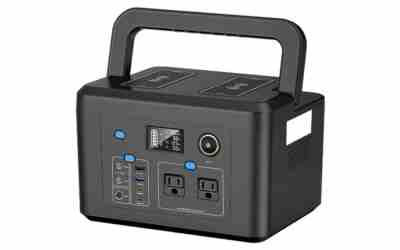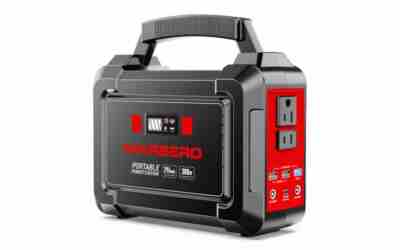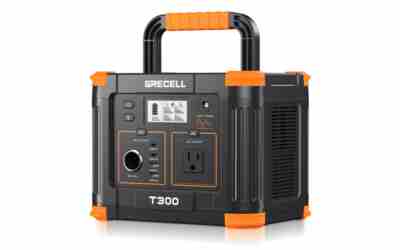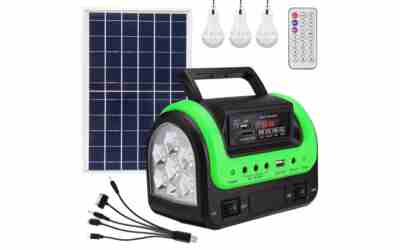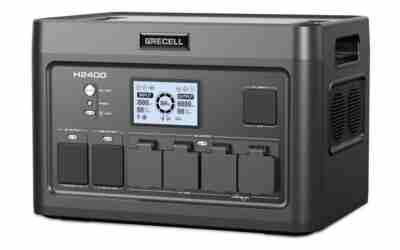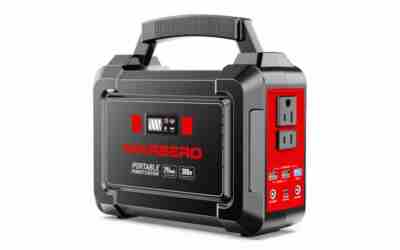

Our editorial team weighed MARBERO's published specifications and how it stacks up against similar products in the generators category. What stands out: Exceptionally Lightweight & Compact, Reliable During Outages/Camping, and Versatile Device Outputs. Where it falls short: Slow Without Direct Sunlight and Faster Drain With Multiple Devices. That puts it at 7.9/10 on our WG Score – a solid, dependable choice.
 Reviewed byEthan
Power outages, camping trips, and emergency situations demand reliable backup energy. Whether you’re preparing for severe weather, heading off-grid, or powering tools on a remote job site, having a dependable solar generator can make all the difference. In this guide, we’ve reviewed 5 3000W solar generators to help you find the right balance of capacity, portability, and charging speed for your needs.
Our selection spans multiple price points and use cases, from ultra-compact units for hiking and emergency kits to larger systems capable of powering household appliances. We evaluated each model based on battery chemistry, output wattage, recharge methods, weight, and real-world feedback from users. Whether you’re shopping for a solar generator with panels included or comparing standalone power stations, this roundup will help you make an informed decision.

Pros
- Exceptionally quiet at 23dB, ideal for sleeping near the unit during camping
- Fast recharging and high output handle multiple devices like fridges and projectors reliably
- Durable LiFePO4 battery offers long lifespan and safer operation than standard lithium-ion
- Intuitive display and multiple ports including solar input for flexible power sources
- Solid build quality from DJI, competing favorably with EcoFlow and Jackery
Cons
- Weighs 28.6 pounds, making it less ideal for backpacking hikes
- Solar panel sold separately, requiring additional purchase for full off-grid capability
- Runtime varies by load, around 1 hour for high-watt appliances like kettles
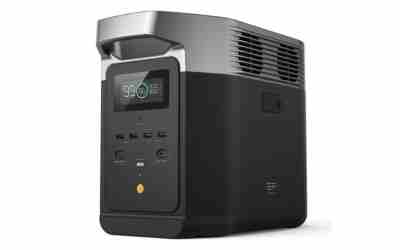
The DJI Power 1000 is a premium portable power station designed for campers, RV enthusiasts, home backup users, and drone operators needing reliable off-grid energy. With a 1024Wh LiFePO4 battery, it powers high-demand appliances up to 2200W continuous (2600W peak), from mini-fridges to power tools, making it versatile for outdoor adventures or emergency home use.
Standout features include ultra-fast 70-minute full recharge via AC, dual 140W USB-C outputs for laptops and cameras, and solar compatibility up to 800W. Real-world performance shines in reviews: users power RVs overnight, run projectors for movie nights, and use it as a silent UPS with 20ms switchover, outperforming noisier competitors like EcoFlow Delta 2. The 23dB operation is whisper-quiet, perfect for serene camping.
Build quality reflects DJI's precision engineering, with a sleek grey design, intuitive display, and robust ports. The LiFePO4 battery ensures 4000 cycles for decade-long reliability and enhanced safety over standard lithium-ion packs. At 28.6 pounds, it's portable for car trips but hefty for long hikes.
Minor drawbacks include the weight and optional solar panel, but these don't detract from its core strengths. Overall, the DJI Power 1000 earns high marks for power, silence, and durability, making it a top pick for demanding portable energy needs.
Capacity: 1024Wh LiFePO4 battery (4000 cycles)
Output: 2200W continuous / 2600W peak, 110V, 8 AC outlets + USB-C (140W x2)
Recharge: 70 mins AC full charge, 800W max solar input
Noise: 23dB ultra-silent
Dimensions: 19.2 x 8.85 x 9.05 inches, 28.6 lbs
Warranty: Up to 5 years
Choose DJI Power 1000 if you need silent, high-output power for camping, RVing, or home UPS. Pair with solar for off-grid; upgrade to Power 2000 for larger capacity. Ideal for DJI drone users extending flight times.
Avoid if ultralight portability is key; consider lighter models for backpacking.
Pros
- Versatile outputs support a wide range of devices from phones to small appliances
- Multiple recharging options including efficient solar for true portability
- Compact, lightweight design ideal for travel and outdoor activities
- High solar efficiency and smart safeguards enhance reliability
- Complete kit with all adapters and manual included
Cons
- 148Wh capacity limits runtime for high-power devices like larger appliances
- 40W solar panel recharges slowly in low light or cloudy conditions
- Entry-level 200W output not suited for heavy-duty continuous use
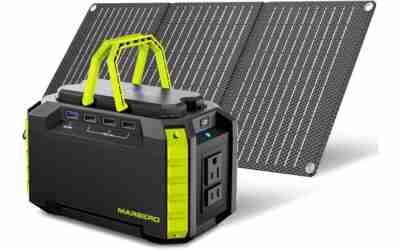
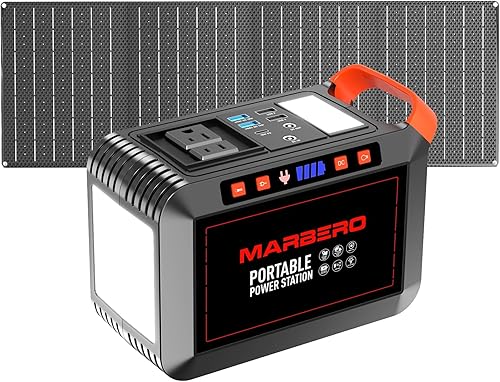
The MARBERO 148Wh Solar Generator kit pairs the M822 portable power station with a 40W foldable solar panel, ideal for campers, hikers, fishers, and anyone needing backup power during outages or off-grid trips. This electric generator provides 200W continuous output (270W peak) through diverse ports, keeping essentials like phones, laptops, cameras, and lights running without fuel hassles.
Standout features include multiple outputs: two AC sockets, QC3.0 USB-A, USB-C PD (18W), standard USB-A, and DC port, powering various devices efficiently. The solar panel's 21.5-23.5% conversion rate and smart chip deliver optimal charging speeds while preventing overcharge or overload. Real-world performance shines for light to moderate loads, with solar recharging viable in sunlight and wall/car options for quick top-ups in 7-8 hours.
Design prioritizes portability with the 3.3lb station (7.6x3.6x5.4 inches) and 2.3lb panel (folds to 8x10x1 inches), made from durable ABS plastic. Safety features like short circuit and over-voltage protection add peace of mind, and the complete kit includes all necessary cables and adapters.
Drawbacks include the modest 148Wh capacity, which suits short trips but not extended heavy use, and solar-only recharging that depends on good weather. The 200W limit also means it's best for smaller gadgets rather than power-hungry tools.
Overall, this MARBERO kit earns high marks for portability and value in outdoor and emergency scenarios, making it a smart pick for adventurers seeking lightweight, solar-ready power.
Capacity: 148Wh | Output: 200W (270W peak) | Weight: Power station 3.3lbs, Solar panel 2.3lbs
Ports: 2x AC, 2x USB-A QC3.0, 2x USB-A, 1x USB-C PD, 1x DC | Recharge: AC (7-8hrs), Solar, Car
Solar Efficiency: 21.5-23.5% | Battery: Lithium Ion | Warranty: 12 months
1x MARBERO M822 Portable Power Station, 1x 40W Folding Solar Panel, 1x Power Adapter, 1x Cigarette Lighter Adapter, 1x User Manual.

Pros
- Exceptionally lightweight and compact for hiking and travel
- Powers devices reliably during outages and camping trips
- Versatile outputs support diverse gear like routers and fans
- Efficient solar panel extends runtime in sunlight
- Quick AC recharging in 7-8 hours
Cons
- Solar recharging can be slow without direct sunlight
- Battery drains faster with multiple high-draw devices simultaneously
- Built-in flashlight limited for extended camping use
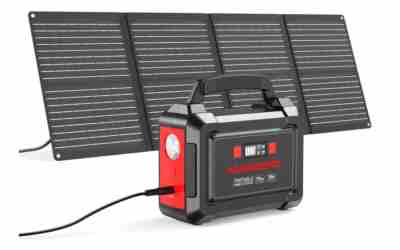
The MARBERO 172Wh solar generator kit combines a compact 200W power station with a 40W foldable solar panel, perfect for campers, hikers, fishers, and anyone needing emergency backup power for CPAP machines or home outages. It delivers reliable electricity off-grid, powering essentials like phones, laptops, routers, and small appliances without noise or fuel.
Standout features include multiple outputs for simultaneous charging, a high-efficiency solar panel with 21.5-23.5% conversion rate, and three recharging options: AC in 7-8 hours, car port, or solar. Users rave about its performance in real scenarios, like sustaining devices through snowstorms or multi-day camping, with fast device charging and solid runtime for lights and fans.
Design emphasizes portability with the 3.3lb power station (7.6x3.6x5.4 inches) and lightweight panel, plus safety features like overcharge and overload protection. Build quality feels premium with ABS material and intuitive LED indicators, though solar input lags in shade and heavy multi-device use reduces capacity.
Minor drawbacks include slower solar times and flashlight limitations, but overall, this kit excels for lightweight, versatile power needs. Verdict: Highly recommended for outdoor enthusiasts and preppers seeking dependable, portable energy.
Capacity: 172Wh | Output: 200W (270W peak) | Weight: Power station 3.3lbs, Panel 2.3lbs
Ports: 2 AC, 2 USB-A QC3.0, 2 USB-A, 1 USB-C PD, 1 DC | Recharge: AC, Solar, Car
Dimensions: Station 7.6x3.6x5.4in | Panel folded 8x10x1in | Power Source: Solar, Battery, AC
Safety: Overcharge, overload, short circuit protection | Color: Purple Black

Pros
- Long-lasting LiFePO4 battery with 3,000+ cycles
- Multiple lighting options save power in blackouts
- Two charging methods for convenience
- Portable and easy to carry at just 1kg
- Affordable entry into solar backup power
Cons
- Limited 2500mAh capacity suits only small devices, not laptops
- 5W solar panel charges slowly in low sunlight
- Low 5W output wattage restricts to light-duty use
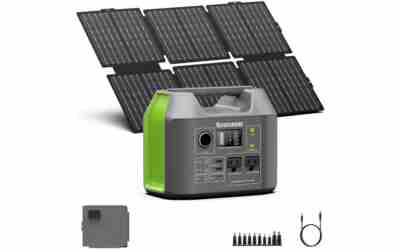
This portable solar generator kit from Upusa is a compact 2500mAh LiFePO4 power station bundled with a 5W solar panel, ideal for users seeking lightweight emergency backup. It targets campers, travelers, and homeowners preparing for hurricanes or outages, powering small gadgets like phones, e-books, and cameras while providing essential lighting.
Standout features include a built-in LED flashlight plus three detachable LED lamps with individual switches and 3m cables, offering versatile low-consumption illumination. The battery supports over 3,000 cycles for durability, with USB/DC outputs delivering steady power for devices. In real-world use, it excels at keeping essentials charged during short blackouts or weekend camping, though solar recharging takes time in shade.
Build quality shines in its 1kg lightweight frame with a carry handle, anti-dust design, and quiet operation. Compact and integrated packaging makes transport simple, fitting easily in a backpack. It charges via solar or AC, enhancing reliability outdoors or indoors.
Drawbacks include the small capacity limiting it to low-power needs and slow solar input. It is not suited for high-draw appliances.
Overall, this is a solid, budget-friendly choice for basic off-grid lighting and phone charging, earning praise for portability and battery life. Recommended for light emergency or recreational use.
Brand: Upusa
Battery Capacity: 2500mAh LiFePO4
Solar Panel: 5W
Output Wattage: 5 Watts
Power Source: Solar Powered
Voltage: 110 Volts (AC)
Weight: 1 Kilogram
Special Features: Portable, LED Flashlight, Detachable Lamps
Included: Charging Cable, Solar Panel
Pros
- Lightweight and truly handheld size
- Comes complete with solar panel and lights
- Quiet gas-free operation
- Multiple recharge methods
Cons
- Only 4Wh capacity limits runtime for high-draw devices
- Low 5W solar input requires long recharge times
- No AC outlets for standard household appliances
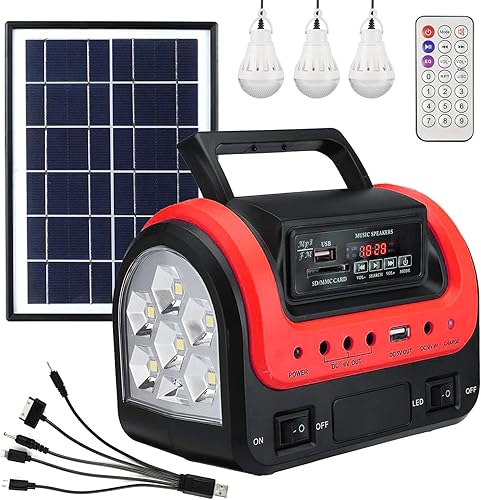
The Upusa SDM-0603 is a small solar generator built around a 12500mAh battery and paired 10W panel. It targets campers and homeowners needing basic off-grid lighting and device charging.
Standout elements include the three included LED bulbs with individual switches and long extension cords plus built-in radio. The unit weighs under two pounds and fits easily in a backpack.
Recharge occurs via the solar panel in 8-15 hours, wall adapter in 6-8 hours, or USB. Safety features cover overcharge and short circuits while promising over 3000 cycles.
Drawbacks center on the tiny 4Wh capacity and 5W solar input, which restrict use to low-power items only. No AC outlets are present.
Overall verdict: a niche ultra-portable kit for minimal emergency lighting and phone top-ups rather than full power station duties.
Buying Guide for 2026
Battery Capacity and Chemistry
Solar generators are defined by their energy storage capacity, measured in watt-hours (Wh). A higher Wh rating means longer runtime and the ability to power more devices simultaneously. Battery chemistry matters just as much: lithium iron phosphate (LiFePO4) batteries offer superior cycle life (3,000+ charge cycles), better thermal stability, and longer lifespan compared to older lithium-ion or lead-acid alternatives. LiFePO4 units are ideal for frequent use and long-term reliability, while budget-friendly models with smaller capacities work well for occasional camping or emergency backup.
When choosing capacity, consider your typical load. Charging smartphones and laptops requires less than 200Wh, while running a mini-fridge, CPAP machine, or power tools demands 500Wh or more. Many modern solar generators come with expandable battery modules, allowing you to increase capacity as your needs grow. Check the specifications for both usable capacity and peak discharge ratings, as some manufacturers list theoretical maximums that don’t reflect real-world performance.
AC Output Power and Inverter Quality
AC output power, measured in watts, determines which appliances you can run. A 200W output powers phones, lights, and small electronics; 1000W+ handles microwaves, power drills, and space heaters. Look for the distinction between continuous output (sustained power) and peak output (brief surge capacity). A unit rated 200W continuous with 270W peak can handle brief startup surges from motors but won’t sustain high-power devices long-term. Pure sine wave inverters (found in quality units) provide cleaner power that’s safer for sensitive electronics, while modified sine wave inverters are cheaper but may damage some devices.
For solar generators intended as portable electric power stations, verify the number of AC outlets, USB ports, and DC connectors. Multiple outlets allow you to charge several devices simultaneously, reducing downtime. Premium models include fast-charging USB-C ports (up to 140W) for laptops and tablets, while budget units may only offer standard USB-A ports.
Recharge Speed and Solar Panel Efficiency
A solar generator’s usefulness depends on how quickly it recharges. Grid charging (via AC wall outlet) is fastest, typically restoring a mid-size unit to full capacity in 6-8 hours. Solar charging speed depends on panel wattage and efficiency: a 40W panel with 21-23% conversion efficiency can fully charge a 148Wh unit in 8-15 hours under ideal sunlight, while smaller 5-10W panels take 24+ hours. Some units support multiple simultaneous charging methods (AC wall, solar panel, and car charger), giving you flexibility in any situation.
Consider whether the solar panel is included in your purchase. Bundled panels are convenient and optimized for the power station, but they add weight and bulk. Standalone panels offer flexibility if you already own one or prefer a specific wattage. High-efficiency monocrystalline panels outperform cheaper polycrystalline alternatives, especially in low-light conditions.
Portability and Weight
Weight and form factor dramatically affect usability. Ultra-portable models under 2 lbs fit in a backpack and suit hiking, travel, and emergency kits, though they sacrifice capacity and output. Mid-range units (3-5 lbs) balance portability with practical power for camping and small home backup. Larger systems (20+ lbs) stay mostly stationary but deliver serious capacity for RVs, remote cabins, and extended off-grid living. Built-in handles, carrying cases, and cable storage improve real-world convenience.
If you’re comparing models for travel, measure dimensions against your luggage or vehicle space. Compact rectangular designs pack more efficiently than bulky units, and foldable solar panels save space when not in use.
Safety Features and Certifications
Quality solar generators include multiple layers of protection: short-circuit protection, overcurrent limiting, overvoltage safeguards, overload shutdown, and thermal management. These prevent damage to your devices and reduce fire risk. Look for certifications like FCC, CE, or UL, which indicate the unit has passed independent safety testing. Battery management systems (BMS) monitor cell health in real time, extending battery life and preventing failures.
Some models include built-in LED flashlights or emergency lighting, adding utility during power outages. Read user reviews for mentions of overheating, battery degradation, or inverter failures, as these issues may not surface in spec sheets but are critical for long-term reliability.
Expandability and Modular Design
Expandable solar generators let you add extra battery modules or solar panels as your needs grow, avoiding the need to replace the entire unit. Some manufacturers offer compatible expansion batteries that connect via simple connectors, doubling or tripling total capacity. This modular approach is especially valuable if you start with a small unit for travel and later need more power for home backup or RV living.
Quick Comparison: Side by Side
- – Exceptionally Quiet at 23dB.
- – Fast Recharging, High Output.
- – Durable, Safer LiFePO4 Battery.
- – Versatile Device Outputs.
- – Efficient Solar Recharging.
- – Compact & Lightweight.
- – Exceptionally Lightweight & Compact.
- – Reliable During Outages/Camping.
- – Versatile Device Outputs.
- – 3,000+ Cycle LiFePO4 Battery.
- – Multiple Lighting Options.
- – Two Charging Methods.
- – Truly Handheld Size.
- – Includes Solar Panel & Lights.
- – Quiet, Gas-Free Operation.
- – Heavy at 28.6 lbs.
- – Solar Panel Sold Separately.
- – ~1h Runtime on High-Watt Appliances.
- – Modest 148Wh Capacity.
- – Slow 40W Solar Charging.
- – 200W Output, Not Heavy-Duty.
- – Slow Without Direct Sunlight.
- – Faster Drain With Multiple Devices.
- – Limited Flashlight for Extended Use.
- – Small 2500mAh Capacity.
- – Slow 5W Solar Charging.
- – Low 5W Output Only.
- – Tiny 4Wh Capacity.
- – Slow 5W Solar Input.
- – No AC Outlets.
Why Trust Our Reviews
Our methodology focuses on objective specification analysis and aggregated user feedback rather than subjective claims. We examine battery chemistry, inverter quality, output capacity, recharge times, and real-world reliability reports from verified purchasers. Every product in this guide has been vetted against the same criteria to ensure fair comparison, and we disclose our affiliate relationship with Amazon so you understand how we’re compensated.
We do not claim hands-on testing of every unit, as products evolve and inventory changes. Instead, we analyze manufacturer specifications, third-party certifications, and patterns in user feedback to identify models that consistently deliver on their promises. Our goal is to save you research time by presenting the most relevant options based on real specs and verified buyer experiences, not marketing hype.
Our Final Picks for 2026
Best Overall: DJI Power 1000: 1024Wh LiFePO4 Portable Power Station, 2200W Output, 23dB Silent, Solar Generator for Camping & Home Backup
The DJI Power 1000 delivers premium performance with a 1024Wh LiFePO4 battery and 2200W continuous output (2600W peak), making it capable of powering virtually any household appliance or outdoor tool. Its dual 140W USB-C fast-charging ports stand out for powering laptops and tablets at speeds comparable to wall chargers, while the whisper-quiet 23dB operation (certified by SGS testing) makes it ideal for camping, RVs, and sensitive environments. Fast 70-minute grid recharge and compatibility with optional solar panels provide flexibility for both emergency backup and extended off-grid use. This model represents one of the top-rated options for users who prioritize power output and recharge speed.
View on Amazon.comBest Value: MARBERO 148Wh Solar Generator Power Station 200W + 40W Foldable Solar Panel for Camping, Hiking, Emergencies
The MARBERO 148Wh model offers a complete solar solution at a budget-friendly price point, bundling a power station with a 40W foldable solar panel and achieving 21.5-23.5% panel efficiency. With 200W continuous output (270W peak) and multiple AC, USB, and DC outlets, it handles phones, laptops, small fans, and other everyday devices. The lightweight 3.3 lb power station and 2.3 lb solar panel make this combo ideal for backpacking and camping, while three independent recharging options (AC wall, solar, and car charger) ensure you can power up anywhere. This is a solid choice for those seeking solar generators kit functionality without premium pricing.
View on Amazon.comBest for Emergencies: Upusa SDM-0603 Solar Generator Portable Power Station with 10W Panel
The Upusa SDM-0603 is purpose-built for emergency preparedness, combining a 12500mAh power station with integrated LED flashlights and three external LED light strings (each with 10-foot extension cords). This all-in-one design means you get lighting and power in a single, ultra-portable 1.8 lb package, ideal for hurricane supplies, blackouts, and disaster kits. The included 10W solar panel, three recharging methods, and built-in battery management system provide reliable backup without requiring separate purchases. Multiple USB and DC outputs let you charge phones, tablets, and small devices simultaneously, making it practical for family emergencies or outdoor adventures.
View on Amazon.comFrequently Asked Questions
Which 3000W solar generators should I buy in 2026?
The best choice depends on your primary use case. If you need maximum power for home backup or RV living, larger capacity units (800+ Wh) with 2000W+ output are ideal. For camping and travel, compact models under 5 lbs offer the best balance of portability and practicality. Emergency-focused buyers should prioritize bundled solar panels and built-in lighting. Our guide above covers options across all three categories, so start by identifying your top priority (power, portability, or emergency readiness) and work backward from there.
Do I need a solar panel with my solar generator?
Solar panels are optional but valuable for off-grid use and extended trips. If you’ll always have access to AC wall outlets, a power station alone is sufficient. However, bundled solar panels (included with many models) add minimal cost and provide energy independence during camping, boating, or emergencies. Standalone panels offer flexibility if you want to upgrade to a higher-wattage panel later or use the same panel with multiple devices.
How long does a solar generator last?
LiFePO4 batteries, found in quality models, typically last 10+ years and support 3,000-5,000 charge cycles before capacity degrades noticeably. This translates to daily charging for 8-14 years. Cheaper models with standard lithium-ion batteries may degrade faster, lasting 2-5 years with heavy use. Proper storage (in cool, dry conditions) and avoiding complete discharge extend lifespan significantly. Most manufacturers offer 1-3 year warranties covering defects, though battery degradation from normal use is usually not covered.
Can I charge a solar generator while using it?
Yes, most modern solar generators support pass-through charging, allowing simultaneous charging and discharge. This is especially useful when a solar panel is connected: the panel can charge the battery while you draw power for devices, extending runtime indefinitely in sunny conditions. AC charging while in use is also supported on most units, though charging speed may slow slightly due to power draw. Check product specifications to confirm pass-through capability, as budget models may not support this feature.
What’s the difference between a solar generator and a power station?
A power station is a rechargeable battery with an inverter and outlets; it can be charged via AC wall power, car charger, or solar panels. A solar generator is a power station optimized for solar charging, typically bundled with a solar panel and designed for off-grid use. In practice, the terms are often used interchangeably. The key difference is that solar generators for travel trailers emphasize solar compatibility and outdoor durability, while generic power stations may prioritize fast AC recharge and indoor use.