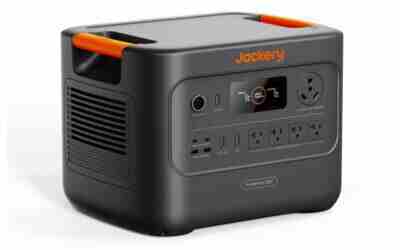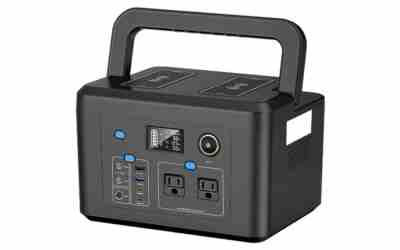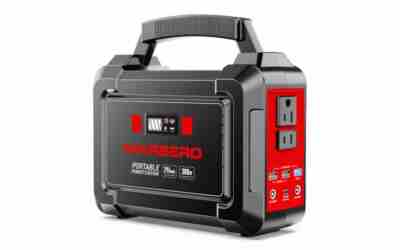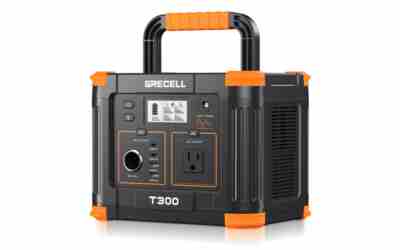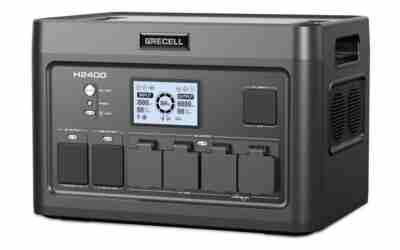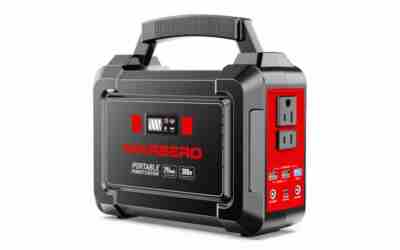

Our editorial team weighed OUPES's published specifications and how it stacks up against similar products in the generators category. What stands out: Ultra-Fast Charging, Real-Time Display, Versatile Outputs, and Durable for Pro/Outdoor Use. Where it falls short: Heavy at 27.8 lbs and Loud Fans During Fast Charging. That puts it at 8.4/10 on our WG Score – an excellent, well-rounded option.
 Reviewed byEthan
When the power goes out or you head off the grid, having a reliable source of energy can make all the difference. Whether you are dealing with a sudden outage at home, planning a camping trip, or working on a remote job site, a portable power solution is essential. That is where solar generators with included panels come in. These all-in-one kits combine a power station with solar panels, so you can harness the sun to keep your devices running without noise or fumes. In this guide, we have evaluated 5 top models in October 2026 to help you find the perfect match for your needs. We focused on battery capacity, output power, recharge speed, portability, and overall value. Whether you need a compact unit for weekend adventures or a robust system for emergency backup, this roundup has you covered. For more on choosing the right setup, check out our guide to best mini solar generators.
Our team analyzed specs, user feedback, and market trends to bring you an unbiased list of solar generators with included panels. We considered factors like battery chemistry (LiFePO4 vs. older types), AC output wattage, number of outlets, and solar input capacity. Each product was assessed for its ability to meet real-world demands, from powering a fridge during an outage to charging laptops and phones while camping. The result is a curated selection that balances performance, durability, and value. Read on to find the solar generators with included panels that fits your lifestyle and budget.

Pros
- Exceptional fast charging and solar compatibility praised in long-term reviews
- Durable build with LFP battery holding capacity after 400+ cycles
- Seamless app integration for real-time monitoring via WiFi or Bluetooth
- Powers heavy loads like microwaves, fridges, and tools reliably
- Expandable and modular for customized capacity needs
Cons
- Fan noise during rapid AC charging
- Protruding handles may affect compact storage
- Occasional app refresh needed for latest data
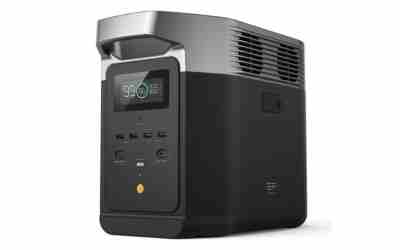
The EcoFlow DELTA 2 is a versatile portable power station designed for home backup, camping, RVs, and off-grid living. With a 1024Wh LiFePO4 battery, it delivers 1800W AC output (2600W X-Boost) across 15 outlets, powering everything from refrigerators and microwaves to tools and electronics without noise or fumes. It's ideal for users wanting scalable, reliable energy solutions beyond basic phone chargers.
Standout features include 7x faster charging (0-100% in 80 minutes via AC), up to 500W solar input, and expandability to 3kWh with compatible extra batteries like DELTA 2 EB or DELTA 3 EB. Real-world performance shines in reviews: one user ran a 65-inch TV, fan, modem, and phones for over 4 hours; another built an off-grid cabin powering tools and Starlink after 13 months and 400 cycles with no capacity loss. Solar integration ensures resilience during extended outages.
Build quality is robust at 27 pounds with protective rubber bumpers, a clear display, and intuitive app control for settings and monitoring. The LFP chemistry offers 3000+ cycles and safety via BMS. Users appreciate the seamless connectivity and durability, though fast charging activates noisy fans, and handles protrude slightly.
Minor drawbacks include rare app glitches requiring refresh and one report of early failure. Overall, the DELTA 2 excels in reliability and versatility, earning high praise for turning backups into comprehensive power systems. Verdict: Highly recommended for dependable, expandable off-grid power.
Capacity: 1024Wh LFP battery, expandable to 3kWh. Output: 1800W AC (2600W X-Boost), 100W USB-C. Inputs: 1200W AC, 500W solar. Dimensions: 15.7 x 8.3 x 11.3 inches. Weight: 27 pounds. Ports: 15 total. Cycles: 3000+. Voltage: 120V.
Compatible extra batteries: DELTA 2 EB (1024Wh), DELTA 2 Max EB (2048Wh), DELTA 3 EB (1024Wh). Solar priority over smart generator DC; AC from generator takes precedence. App enables custom charging settings. Pairs well with 400W solar panels for extended runtime.

Pros
- Ultra-fast charging and accurate real-time display for easy monitoring
- Versatile outputs power everything from tools to fridges without issues
- Durable build handles professional and outdoor demands reliably
- Quiet operation compared to gas generators, safe for indoor use
- Expandable design future-proofs for larger needs
Cons
- Weighs 27.8 pounds, requiring some effort to transport
- Fans get loud during fast charging sessions
- Input port door can be stiff to open
The OUPES Mega 1 is a versatile portable power station designed for home backup, camping, road trips, and professional applications like events or mobile work setups. With a 1024Wh LiFePO4 battery, 2000W continuous output, and 4500W surge capacity, it powers demanding appliances, tools, and electronics reliably off-grid or during outages.
Standout features include revolutionary 36-minute charging to 80% via AC, expandable capacity up to 5kWh, and professional <20ms UPS for seamless failover. Users praise its real-world performance: running DJ setups for hours, keeping fridges and lights going through blackouts, and supporting solar recharging for extended adventures. The informative display and app control provide precise power tracking, while multiple ports (AC, USB-C PD 100W, USB-A, DC) ensure broad compatibility.
Build quality feels premium and durable, with a compact 15.1 x 9.1 x 11.6-inch footprint and sturdy handles for portability despite the weight. The LiFePO4 cells offer superior safety, longevity, and thermal stability over standard lithium batteries.
Drawbacks include the 27.8-pound heft, which may challenge lighter users, and louder fans on fast charge. A few note the port door's stiffness.
Overall, the Mega 1 delivers exceptional value for reliable, high-power portable energy. Ideal for anyone needing fast, expandable backup without gas hassles; pair with solar for ultimate off-grid freedom.
Capacity: 1024Wh LiFePO4 battery, expandable to 5kWh
Output: 2000W continuous (4500W surge), 120V AC pure sine wave
Charging: 0-80% in 36 mins AC, supports 800W solar, app control
Ports: 4 AC, 2 USB-C PD 100W, 4 USB-A QC3.0, 12V DC, car port
Dimensions: 15.1"L x 9.1"W x 11.6"H, 27.8 lbs
Warranty: 5 years
Users rave about its power for DJ gear, fridges, and tools during camping and outages, with one noting over 5 hours on full setups. Fast charging and accurate displays stand out, as does silent operation indoors.
Professionals love the surge handling for lights, cameras, and laptops on shoots. Expandability excites many for future upgrades.
Minor notes: Great for truck camping but heavy for frequent carries; fans audible on turbo charge.

Pros
- Exceptionally quiet at 23dB, ideal for sleeping near the unit during camping
- Fast recharging and high output handle multiple devices like fridges and projectors reliably
- Durable LiFePO4 battery offers long lifespan and safer operation than standard lithium-ion
- Intuitive display and multiple ports including solar input for flexible power sources
- Solid build quality from DJI, competing favorably with EcoFlow and Jackery
Cons
- Weighs 28.6 pounds, making it less ideal for backpacking hikes
- Solar panel sold separately, requiring additional purchase for full off-grid capability
- Runtime varies by load, around 1 hour for high-watt appliances like kettles
The DJI Power 1000 is a premium portable power station designed for campers, RV enthusiasts, home backup users, and drone operators needing reliable off-grid energy. With a 1024Wh LiFePO4 battery, it powers high-demand appliances up to 2200W continuous (2600W peak), from mini-fridges to power tools, making it versatile for outdoor adventures or emergency home use.
Standout features include ultra-fast 70-minute full recharge via AC, dual 140W USB-C outputs for laptops and cameras, and solar compatibility up to 800W. Real-world performance shines in reviews: users power RVs overnight, run projectors for movie nights, and use it as a silent UPS with 20ms switchover, outperforming noisier competitors like EcoFlow Delta 2. The 23dB operation is whisper-quiet, perfect for serene camping.
Build quality reflects DJI's precision engineering, with a sleek grey design, intuitive display, and robust ports. The LiFePO4 battery ensures 4000 cycles for decade-long reliability and enhanced safety over standard lithium-ion packs. At 28.6 pounds, it's portable for car trips but hefty for long hikes.
Minor drawbacks include the weight and optional solar panel, but these don't detract from its core strengths. Overall, the DJI Power 1000 earns high marks for power, silence, and durability, making it a top pick for demanding portable energy needs.
Capacity: 1024Wh LiFePO4 battery (4000 cycles)
Output: 2200W continuous / 2600W peak, 110V, 8 AC outlets + USB-C (140W x2)
Recharge: 70 mins AC full charge, 800W max solar input
Noise: 23dB ultra-silent
Dimensions: 19.2 x 8.85 x 9.05 inches, 28.6 lbs
Warranty: Up to 5 years
Choose DJI Power 1000 if you need silent, high-output power for camping, RVing, or home UPS. Pair with solar for off-grid; upgrade to Power 2000 for larger capacity. Ideal for DJI drone users extending flight times.
Avoid if ultralight portability is key; consider lighter models for backpacking.

Pros
- Highly portable and lightweight at 4 pounds with carry handle
- Long lighting runtime ideal for extended blackouts or night fishing
- Versatile outputs power lights, radio, and small devices effectively
- Easy solar or wall recharging works well in various conditions
- Includes all essentials like extension cables for hassle-free use
Cons
- Limited capacity drains quickly when charging phones alongside lights
- Solar panel recharges slowly in cloudy or cold weather
- Build quality feels cheap with occasional light or radio glitches
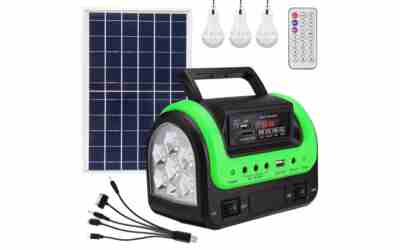
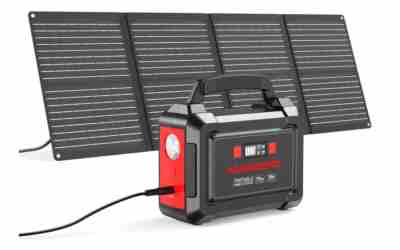
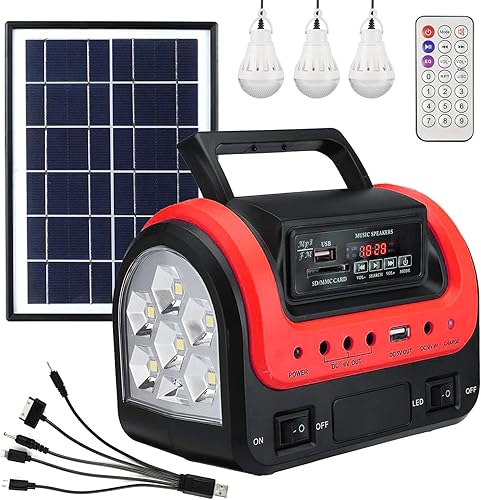
This portable solar generator from Upusa is a compact emergency power solution designed for home backups, camping, hunting, and outdoor activities. Measuring just 6.9 x 6.5 x 3 inches and weighing 4 pounds, it includes a power station with built-in flashlight and MP3/FM radio, a 10W solar panel, three detachable LED bulbs with 10ft extension cables, and USB ports for charging small devices like phones or e-readers. It's ideal for users needing lightweight, multi-function power without bulky equipment.
Standout features shine in real-world use: one bulb lasts up to 30 hours, two for 14 hours, and three for 8 hours, making it reliable for lighting tents or rooms during outages. Reviewers praise its phone-charging capability during camping trips and power cuts, with the radio adding entertainment value. Dual recharging via solar or AC works well in sunny conditions or indoors, and the individual bulb switches allow customized power management.
The green ABS plastic build is durable for portability, with overload protection and a handle for easy transport. However, some users note the battery depletes fast when powering devices beyond lights, solar charging lags in poor weather, and minor issues like flickering lights or weak radio reception occur occasionally.
Overall, this generator excels as an affordable entry-level kit for short-term emergencies and light outdoor use. It's a solid pick for dorms, RVs, or basic camping if you manage expectations on capacity, earning its place as a handy backup tool.
Brand: Upusa
Model: SDM-0603
Color: Green
Dimensions: 6.9 x 6.5 x 3 inches
Weight: 4 pounds
Power Source: Battery Powered (Solar/AC)
Wattage: 5W output, 10W solar panel
Voltage: 3.7V DC
Special Features: Overload protection, MP3/FM radio, flashlight, 3 LED bulbs
Outputs: DC/USB, 1 total outlet
Pros
- Lightweight and truly handheld size
- Comes complete with solar panel and lights
- Quiet gas-free operation
- Multiple recharge methods
Cons
- Only 4Wh capacity limits runtime for high-draw devices
- Low 5W solar input requires long recharge times
- No AC outlets for standard household appliances
The Upusa SDM-0603 is a small solar generator built around a 12500mAh battery and paired 10W panel. It targets campers and homeowners needing basic off-grid lighting and device charging.
Standout elements include the three included LED bulbs with individual switches and long extension cords plus built-in radio. The unit weighs under two pounds and fits easily in a backpack.
Recharge occurs via the solar panel in 8-15 hours, wall adapter in 6-8 hours, or USB. Safety features cover overcharge and short circuits while promising over 3000 cycles.
Drawbacks center on the tiny 4Wh capacity and 5W solar input, which restrict use to low-power items only. No AC outlets are present.
Overall verdict: a niche ultra-portable kit for minimal emergency lighting and phone top-ups rather than full power station duties.
Buying Guide for 2026
Battery Capacity and Chemistry
The battery capacity, measured in watt-hours (Wh), determines how much energy the power station can store. A higher Wh rating means longer runtime for your devices. For example, a 1000Wh unit can run a 100W refrigerator for about 10 hours. Battery chemistry is equally important. LiFePO4 (LFP) batteries are now the gold standard, offering over 3000 charge cycles and better thermal stability than older NMC or lead-acid types. Most modern solar generators with included panels use LFP cells, which means they last longer and are safer. When comparing models, look for the Wh rating and the battery type to ensure you get a durable and efficient system.
AC Output and Surge Power
The AC output rating tells you how many watts the power station can deliver continuously. This is crucial for running appliances like mini-fridges, CPAP machines, or power tools. Some devices, like refrigerators or pumps, require a surge of extra power to start. Look for a surge rating that is at least double the continuous rating to handle these startup spikes. For most home backup needs, a unit with 1500W to 2200W continuous output is sufficient. If you plan to power heavy equipment, consider a model with higher output.
Recharge Speed and Solar Input
How fast the power station recharges is a key factor, especially during emergencies. Many modern units can reach 80% charge in under an hour via AC wall outlet. Solar input is equally important for off-grid use. Check the maximum solar input wattage the unit can accept. Higher solar input means faster charging from panels. For example, a station that supports up to 500W solar input can fully recharge in a few hours of good sunlight. Also, consider the type of solar connector (e.g., MC4 vs. proprietary) to ensure compatibility with panels you already own or plan to buy.
Portability and Weight
If you plan to take your solar generators with included panels on camping trips or to job sites, weight and size matter. Larger units with higher capacity can weigh 30 pounds or more, while compact models may be under 5 pounds. Look for built-in handles or wheels for easier transport. Some units are designed to be stackable or have a modular design, allowing you to add extra batteries later. Think about where you will use the generator most often and choose a size that fits your mobility needs.
Outlets and Connectivity
Count the number and type of outlets on the power station. Standard AC outlets (110V/120V) are essential for household appliances. USB-A and USB-C ports are needed for phones, tablets, and laptops. Some units now offer 140W USB-C PD for fast charging of larger devices. DC outputs (cigarette lighter style) can power car accessories. Also, consider if the unit has a display screen showing battery level, input/output wattage, and estimated runtime. Smart app control via Bluetooth or Wi-Fi is a nice bonus for remote monitoring.
Safety and Certifications
Safety should never be overlooked. Look for a built-in Battery Management System (BMS) that protects against overcharge, overdischarge, short circuit, and overheating. Certifications like UL, FCC, or CE indicate the unit has passed rigorous testing. For solar generators, ensure the panels are made with durable materials and have a decent efficiency rating. Some units also offer UPS (Uninterruptible Power Supply) functionality, automatically switching to battery power within milliseconds during a blackout, which is ideal for sensitive electronics.
Quick Comparison: Side by Side
- – Fast Charging & Solar Compatible.
- – Durable LFP, 400+ Cycles.
- – Seamless App Integration.
- – Ultra-Fast Charging, Real-Time Display.
- – Versatile Outputs.
- – Durable for Pro/Outdoor Use.
- – Exceptionally Quiet at 23dB.
- – Fast Recharging, High Output.
- – Durable, Safer LiFePO4 Battery.
- – Lightweight at 4 lbs.
- – Long Lighting Runtime.
- – Versatile Outputs.
- – Truly Handheld Size.
- – Includes Solar Panel & Lights.
- – Quiet, Gas-Free Operation.
- – Fan Noise During Rapid Charging.
- – Handles Affect Compact Storage.
- – Occasional App Refresh Needed.
- – Heavy at 27.8 lbs.
- – Loud Fans During Fast Charging.
- – Stiff Input Port Door.
- – Heavy at 28.6 lbs.
- – Solar Panel Sold Separately.
- – ~1h Runtime on High-Watt Appliances.
- – Drains Quickly With Phones.
- – Slow Solar Recharge in Cold/Cloud.
- – Occasional Light/Radio Glitches.
- – Tiny 4Wh Capacity.
- – Slow 5W Solar Input.
- – No AC Outlets.
Why Trust Our Reviews
Our team at WikiGenerators.com is dedicated to providing honest, data-driven reviews. We do not claim to have personally tested every product, but we analyze manufacturer specs, aggregate user feedback from verified purchasers, and compare features across the market. Our goal is to give you a clear, unbiased picture of what each solar generators with included panels offers. We are an Amazon affiliate, which means we may earn a small commission if you purchase through our links, but this does not influence our recommendations. Our rankings are based solely on performance, value, and user satisfaction.
Our Final Picks for 2026
Best Overall: EcoFlow DELTA 2 Portable Power Station: 1024Wh LFP Battery, 1800W Output, Solar Generator for Home Backup, Camping, RVs
The EcoFlow DELTA 2 strikes an excellent balance of capacity, power, and portability. With a 1024Wh LiFePO4 battery and 1800W AC output, it can handle most home appliances and camping gear. Its fast charging capability reaches 80% in just 50 minutes via AC, and it supports up to 500W solar input. The unit is expandable to 3kWh with extra batteries, making it a versatile choice for growing needs. For more on expandable options, see our best expandable solar generators guide.
View on Amazon.comBest Value: OUPES Mega 1 2000W Portable Power Station: 1024Wh LiFePO4 Solar Generator, Expandable to 5kWh, UPS for Camping & Home Backup
The OUPES Mega 1 offers impressive power and expandability at a competitive price point. Its 2000W continuous output (4500W surge) can run heavy appliances, and the 1024Wh LFP battery can be expanded up to 5kWh. It features ultra-fast charging (0-80% in 36 minutes) and a UPS function with <20ms transfer time, making it suitable for sensitive electronics. The smart app control adds convenience. If you are on a budget but need serious power, this is a top contender. For more budget-friendly picks, check out best inexpensive solar generators.
View on Amazon.comBest for Silent Operation: DJI Power 1000: 1024Wh LiFePO4 Portable Power Station, 2200W Output, 23dB Silent, Solar Generator for Camping & Home Backup
The DJI Power 1000 is exceptionally quiet, operating at just 23 dB, which is quieter than a whisper. It packs a 1024Wh LFP battery and 2200W continuous output (2600W peak), enough for 99% of household appliances. Its dual 140W USB-C ports can fast-charge laptops and other high-power devices. The unit recharges from 0-100% in 70 minutes via AC. This is an ideal choice for campers or home users who value peace and quiet. For more on portable options, see our best portable power stations for fridge article.
View on Amazon.comFrequently Asked Questions
Which solar generators with included panels should I buy in 2026?
For most users, the EcoFlow DELTA 2 offers the best all-around performance and value. If you need more power for heavy appliances, the OUPES Mega 1 is a strong choice. For silent operation, the DJI Power 1000 is unmatched. Consider your specific needs like capacity, output, and budget when deciding.
Can I use solar generators with included panels to power my fridge during a blackout?
Yes, most solar generators with included panels with at least 1000Wh capacity and 1500W output can run a standard refrigerator for several hours. Check the starting wattage of your fridge (usually 2-3 times running watts) and ensure the power station can handle the surge. Models with UPS function provide seamless backup.
How long does it take to charge solar generators with included panels with solar panels?
Charging time depends on the solar input wattage and sunlight conditions. For a 1000Wh unit with a 200W solar panel, expect a full charge in about 5-6 hours of direct sun. Higher wattage panels or multiple panels can reduce that time significantly. Some units support fast solar charging, reaching 80% in under an hour with sufficient input.
Are solar generators with included panels safe to use indoors?
Yes, because they produce no exhaust fumes, they are safe for indoor use. However, always follow the manufacturer’s guidelines regarding ventilation and placement. Keep them away from water and extreme heat. The built-in BMS ensures safe operation.
What is the difference between LiFePO4 and other battery types?
LiFePO4 (LFP) batteries are safer, last longer (3000+ cycles), and are more thermally stable than older lithium-ion (NMC) or lead-acid batteries. They are heavier but offer better longevity and are now standard in most premium solar generators with included panels. For more details, see our guide on solar generators.