

CARB (California Air Resources Board) compliance is California’s own, stricter emissions certification for small engines, layered on top of the federal EPA standard every U.S. generator must already meet. A generator can be fully EPA-certified and legal to sell in 49 states, yet still be explicitly marked “not for sale in California” if it hasn’t separately passed CARB’s tighter emissions limits — that label isn’t a defect or a mistake, it’s a genuine, distinct legal requirement specific to one state.
Why California Has Its Own Standard
California has long-standing federal authorization (under the Clean Air Act) to set its own, stricter vehicle and small-engine emissions rules than the rest of the country, given its historical air-quality challenges. CARB is the state agency that administers this, and small non-road engines — including portable generator engines — fall under its scope alongside EPA’s separate federal certification. See our companion guide on what EPA certification means for how the two relate.
What “Not for Sale in California” Actually Means
If a generator’s listing explicitly states it can’t ship to or be sold in California, it means the engine hasn’t been separately certified to CARB’s standard — not that it’s unsafe, illegal everywhere, or lower quality. Many manufacturers choose to certify only some models to CARB, since it requires separate testing and adds cost, while others certify their full lineup.
If You Live in California, Check This Before Buying
California residents specifically need to confirm CARB compliance before purchasing, since a non-CARB-compliant unit legally cannot be registered or used in the state, regardless of where it was purchased from. Look for “CARB compliant” or “CARB certified” explicitly stated in the product listing or spec sheet — the same place you’d check for EPA certification.
Does CARB Compliance Affect Performance?
No — like EPA certification, CARB compliance is purely about exhaust emissions, not running/starting watts, noise, or THD. A CARB-compliant generator isn’t inherently more or less powerful than a non-compliant one; it’s simply been tested and approved against California’s specific emissions limits.
Finding CARB-Compliant Options
Many popular models across our best portable generators for home and best inverter generators roundups are CARB compliant — always verify the specific model’s current certification status directly with the manufacturer or retailer before buying if you’re a California resident, since certification can vary by model year.
Our Top Picks
Ready to shop? These are the top-rated options from our hands-on roundup, Best Carb Compliant Portable Generators of 2026.
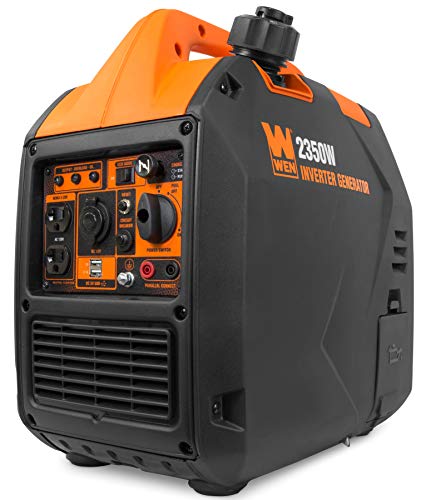
WEN 56235i 2350W Super Quiet Portable Inverter Generator - Ultra Lightweight 39lbs, Fuel Shut-Off, Clean Power for Camping RV
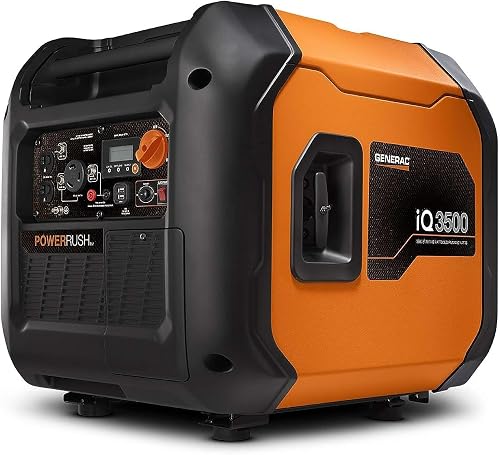
Generac iQ3500 3500W Portable Inverter Generator - Quiet, Lightweight, Electric Start, CARB Compliant for Camping & Jobsites
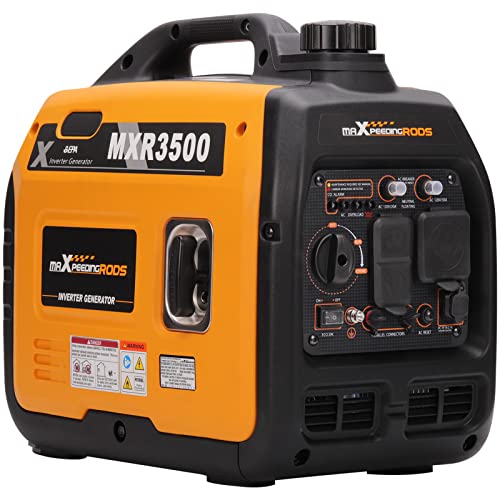
MaXpeedingrods 3500 Watt Portable Inverter Generator Gas Powered EPA Compliant
As an Amazon Associate we earn from qualifying purchases. Product prices and availability are accurate as of the date/time indicated.
CARB Rules for Replacement Generators, RV Generators and Engine Certification Paperwork
No, replacing an old generator with a CARB-certified one generally does not mean you have to buy a separate canister and fuel plumbing yourself. CARB’s small off-road engine rules apply to the manufacturer, so a certified unit should arrive with any required evaporative emissions parts already built in. Your old unit’s setup doesn’t carry over. Don’t remove or bypass the new unit’s fuel system parts, because tampering can void its certification.
RV generators follow the same basic rule. A portable generator you carry in an RV must be CARB-certified if it is sold or used in California. A built-in RV generator is also expected to carry an emissions label showing its engine meets the applicable standard. Before buying, check:
- The emissions label on the engine or unit
- Whether the listing says “CARB compliant” for your exact model and year
- Whether the dealer or manufacturer can confirm status for California registration
On “CARB template” and “TPEM engines,” we can’t verify a specific CARB document or program under those names, so we won’t guess at its requirements. In practice, CARB certifies engines by “engine family,” and each approved family has a CARB Executive Order. If you need paperwork for a particular engine, ask the manufacturer for that Executive Order number or check CARB’s certification listings.
Since certification can change by model year, always confirm the exact unit before you buy.
Related: Noise matters too when choosing a generator, so check our comparison of the quietest generatorsfor more details.
Related: Emissions rules can affect which models you can legally use in your state, so review what CARB compliance meansfirst.
Related: Compliance is only one factor, so before you commit to a purchase, read whether a generator is worth it.
Related: Compliance is only part of the picture, so it’s also worth reading about real generator risks and safety tips.
Related: If you’re wondering how emissions rules apply to your unit, it’s also worth checking whether your new generator needs a break-in period first: generator break-in and first-run steps.
Frequently Asked Questions About CARB Compliance
Can I still buy a non-CARB-compliant generator if I live outside California?
Yes — CARB compliance is specifically a California requirement. EPA-certified generators without CARB certification are legal to buy and use in every other U.S. state.
Is CARB certification harder to get than EPA certification?
Generally yes — CARB’s emissions limits are stricter than the federal EPA standard, which is why not every EPA-certified generator also qualifies for CARB compliance.
Can I use a non-CARB generator in California if I bought it out of state?
No — the restriction applies to use and registration within California, not just point of sale. A non-compliant unit isn’t legal to operate in the state regardless of where it was purchased.
Does CARB compliance apply to battery-based power stations?
No — like EPA certification, CARB rules apply to combustion engines and their exhaust emissions. Battery/solar power stations have no engine or exhaust and aren’t subject to this requirement.
How can I verify a specific generator model’s current CARB status?
Check the manufacturer’s official spec sheet or contact them directly — certification status is tied to specific model years and can change, so don’t rely solely on older reviews or listings.














