

Yes, a generator can explode, but it is rare and almost always involves gasoline vapor, a fuel spill or a gas leak. Fires and carbon monoxide poisoning are far more common hazards.
How an explosion compares with the other generator hazards
Most reported explosions are really flash fires: gasoline vapor ignites with a loud whoosh and burns whoever is nearby. A true blast needs fuel vapor, gas or battery hydrogen to be trapped and then lit.
A practical ranking, from most to least common concern:
- Carbon monoxide poisoning: the hazard CPSC stresses most for generators. Exhaust gas is odorless, so a battery-powered CO alarm indoors is the safeguard.
- Fire: spilled fuel reaching hot engine parts, or overheated cords.
- Electrocution and backfeed: wet or damaged cords, or plugging into a wall outlet instead of using a transfer switch.
- True explosion: rare, and tied to confined fuel vapor, a gas leak or battery gas.
No reliable public count separates explosions from fires, so this is a ranking, not a statistic.
What actually causes a generator fire or explosion
| Cause | How it ignites |
|---|---|
| Refueling a hot or running engine | Splashed gasoline touches a hot muffler, exhaust or spark |
| Overfilled tank | Fuel expands and overflows onto the hot engine |
| Fuel left in the tank of a unit stored indoors | Vapor drifts to a pilot light, spark or open flame |
| Fuel vapor in a closed garage or shed | Vapor collects and ignites at a switch, motor or pilot light |
| Electric-start lead-acid battery | A charging battery releases hydrogen, and a spark can ignite it if it collects |
| Propane or natural gas leak | Gas builds near a hose, regulator or fitting, then meets a spark |
| Undersized or damaged cord | Overheated insulation melts and burns (a fire, not a blast) |
Gasoline is the common thread. Its vapor is heavier than air, so it can travel along the floor to an ignition source some distance from the spill.
Safe refueling and fuel storage routine
Follow this order every time:
- Shut the generator off and let the engine and muffler cool. Decision rule: if you cannot rest a hand near the muffler comfortably, do not open the fuel cap.
- Refuel outdoors with no smoking, flames or running appliances nearby.
- Use a funnel or the can’s spout and pour slowly to avoid splashing.
- Stop at the fill mark in the tank so fuel has room to expand. Never top off to the brim.
- Wipe up any spill and let the fumes clear before starting.
- Cap the tank and the can, and carry the can back to storage before restarting.
Plan refueling for a calm moment before the tank runs low. Refueling in the dark during an outage is when people rush and spill.
For storage, keep gasoline in a container approved for fuel, away from the generator and from water heater or furnace pilot lights. Local fire code sets quantity limits, so check yours. Do not store a generator indoors with fuel in the tank. Our portable generator safety rules cover placement and shutdown in more detail.
Can a generator explode from overloading?
Not in the sense of a tank blast. Overloading trips the breaker or overheats cords, plugs and windings, so the danger is fire, not an explosion. Do not bypass or keep resetting a tripping breaker. To total your loads, follow how to size a generator for your home.
Warning signs and what to do
- Gasoline smell or dripping fuel: shut the unit off, keep ignition sources away and do not restart until the leak is found and the spill is wiped up.
- Warm, soft or discolored cord, or a melted plug: shut off and unplug. Replace it with a heavier cord, as explained in choosing the right extension cord for your generator.
- Smoke, sparks or a burning smell from the engine or outlets: shut off, step back and leave the unit parked until a technician inspects it.
- Loud pop from the exhaust: a backfire. Stop and get it serviced.
If fuel is burning, do not throw water on it. Use an extinguisher rated for flammable liquids (Class B, which includes most ABC models). If the fire is not out immediately, get everyone away and call 911.
Are portable power stations safer than gas generators?
Mostly yes for the risks above. A power station has no fuel, no refueling and no exhaust, so there are no gasoline vapors and no carbon monoxide.
The remaining risk is the lithium battery. A damaged, defective or poorly protected cell can overheat in a chain reaction called thermal runaway, which produces fire and toxic smoke.
- Look for a listing to UL 2743, the safety standard for portable power packs, from a recognized testing lab.
- Look for built-in overload, short-circuit and over-temperature protection in the manual or specs.
- Stop using any unit that swells, hisses, smells sweet or chemical, or gets unusually hot. Move it outdoors only if that is safe, and call 911 if it ignites.
Standby, propane and industrial generators
Permanent standby units on natural gas or propane add a gas-leak risk instead of a spilled-fuel risk. Utility gas carries a rotten-egg odorant. If you smell it near the unit, leave, avoid switches and flames, and call the gas utility or 911 from outside. Installation and gas piping should be done by a licensed professional to local code.
Large hydrogen-cooled generators at power plants are a separate case. They are industrial equipment with their own purging procedures, and they have no bearing on a home unit.
Our Top Picks
Ready to shop? These are the top-rated options from our related roundup, Best Portable Gas Power Generators of 2026.

Westinghouse iGen5000DF 5000 Peak Watt Dual Fuel Inverter Generator - Super Quiet RV Ready Remote Start
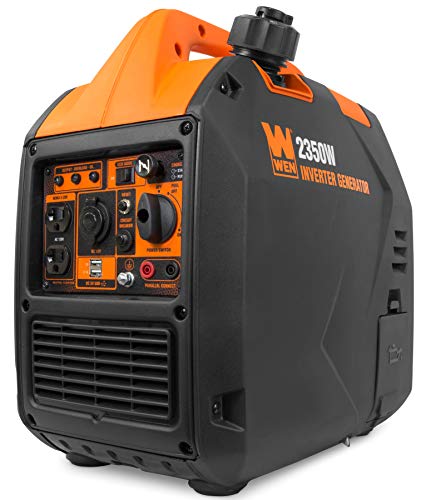
WEN 56235i 2350W Super Quiet Portable Inverter Generator - Ultra Lightweight 39lbs, Fuel Shut-Off, Clean Power for Camping RV

Westinghouse iGen4000DFc 4000 Peak Watt Dual Fuel Inverter Generator - Super Quiet RV Ready Remote Start CO Sensor
As an Amazon Associate we earn from qualifying purchases. Product prices and availability are accurate as of the date/time indicated.
Frequently Asked Questions
Can a backfire make a generator explode?
No. A backfire is a loud pop as unburned fuel ignites in the exhaust or intake, not a tank blast. Shut the unit off and have it inspected before running it again, because it signals a fuel, ignition or airflow problem.
Can a full gas tank explode in the sun?
A tank blast from sun alone is not a typical failure. The real concern is fuel vapor near a spark or flame, so keep the generator and fuel in the shade and away from ignition sources, and follow the manual’s storage guidance.
Can a generator explode if stored with fuel in it?
It is unlikely to blast on its own, but vapor from fuel left in the tank can reach a pilot light or spark and flash ignite. Store it outdoors or in a detached shed, not in living space.
Can an old battery make a generator explode?
It is rare, but an electric-start lead-acid battery can release hydrogen while charging, and a spark can ignite it if the gas collects. Keep the unit ventilated and replace a swollen or leaking battery.
{“@context”: “https://schema.org”, “@type”: “FAQPage”, “mainEntity”: [{“@type”: “Question”, “name”: “Can a backfire make a generator explode?”, “acceptedAnswer”: {“@type”: “Answer”, “text”: “No. A backfire is a loud pop as unburned fuel ignites in the exhaust or intake, not a tank blast. Shut the unit off and have it inspected before running it again, because it signals a fuel, ignition or airflow problem.”}}, {“@type”: “Question”, “name”: “Can a full gas tank explode in the sun?”, “acceptedAnswer”: {“@type”: “Answer”, “text”: “A tank blast from sun alone is not a typical failure. The real concern is fuel vapor near a spark or flame, so keep the generator and fuel in the shade and away from ignition sources, and follow the manual’s storage guidance.”}}, {“@type”: “Question”, “name”: “Can a generator explode if stored with fuel in it?”, “acceptedAnswer”: {“@type”: “Answer”, “text”: “It is unlikely to blast on its own, but vapor from fuel left in the tank can reach a pilot light or spark and flash ignite. Store it outdoors or in a detached shed, not in living space.”}}, {“@type”: “Question”, “name”: “Can an old battery make a generator explode?”, “acceptedAnswer”: {“@type”: “Answer”, “text”: “It is rare, but an electric-start lead-acid battery can release hydrogen while charging, and a spark can ignite it if the gas collects. Keep the unit ventilated and replace a swollen or leaking battery.”}}]}













