
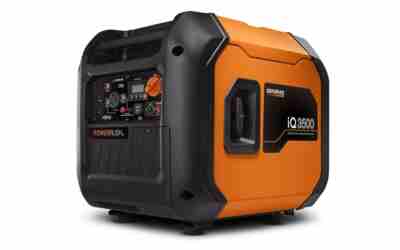
How Does a Simple Generator Work? Plain-English Guide
How a simple generator works: an engine spins an alternator, and magnets moving past copper coils make 120V, 60 Hz AC power at the outlets.
We independently review everything we recommend. When you buy through our links, we may earn a commission. As an Amazon Associate we earn from qualifying purchases. Learn more ›
In-depth educational guides on generator and power station concepts, safety, and buying decisions.
How a simple generator works: an engine spins an alternator, and magnets moving past copper coils make 120V, 60 Hz AC power at the outlets.
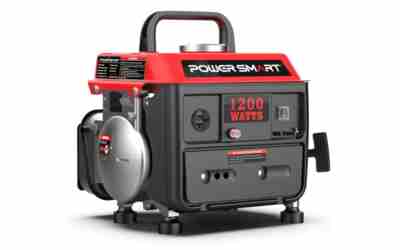
Can a generator be too big? It won't harm your devices, but a much larger unit wastes fuel and can wet-stack a diesel. Here's how to size it right.
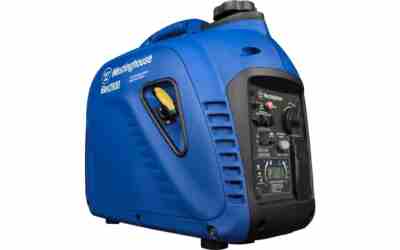
Is a generator worth it? Yes if outages run 24+ hours, or you rely on a sump pump or medical device. Use this checklist and cost table to decide.
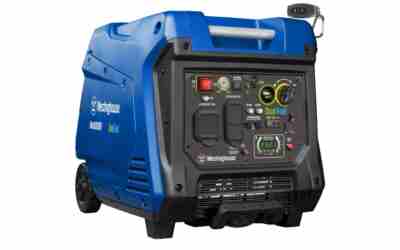
Is a 5000 watt generator big enough? Yes for essentials like fridge, sump pump and furnace fan; no for central AC plus range. See load math.
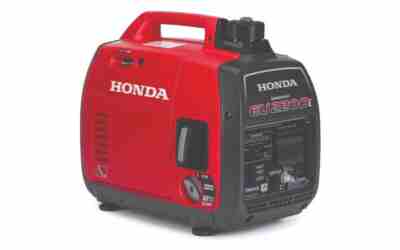
Do inverter generators use less gas? Yes at light loads, about 0.12 vs 0.30 gal/hr in one example, but near full load the gap shrinks.
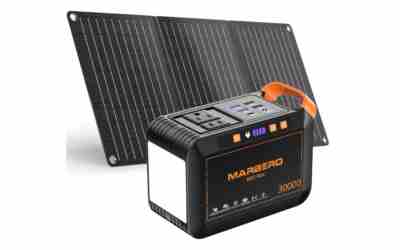
Are portable solar generators worth it? Yes for camping, RV and short outages; no for heavy loads or frequent long outages. See the cost math.
Generator size for RV air conditioner: 3,000-3,500 watts for one 13,500 BTU unit, 4,000+ watts for 15,000 BTU or two ACs, less with a soft start.
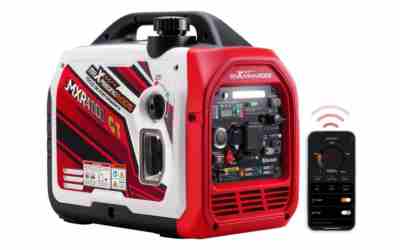
To pick the right size generator, add running watts of everything you'll run at once, then the biggest surge, plus 20% headroom. With a worked example.
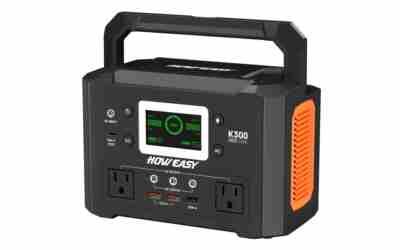
Solar generator EV charging works only with the right power station: expect about 4 miles of range per hour on 120V and roughly 8 miles from 3 kWh.
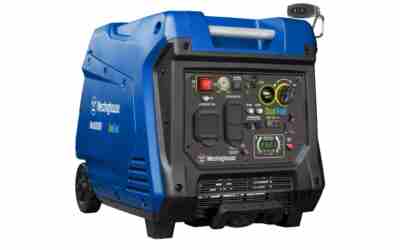
Tie two portable generators together only with a parallel kit and matching inverter models. Never use a homemade cord. Here are the steps and limits.