
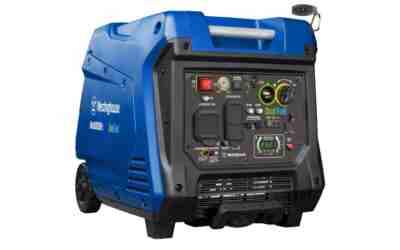
Why Are Generators Rated in kVA? How to Convert to kW
Why generators are rated in kVA: the alternator is limited by current, not load type. Multiply kVA by power factor (often 0.8) for usable watts.
We independently review everything we recommend. When you buy through our links, we may earn a commission. As an Amazon Associate we earn from qualifying purchases. Learn more ›
In-depth educational guides on generator and power station concepts, safety, and buying decisions.
Why generators are rated in kVA: the alternator is limited by current, not load type. Multiply kVA by power factor (often 0.8) for usable watts.
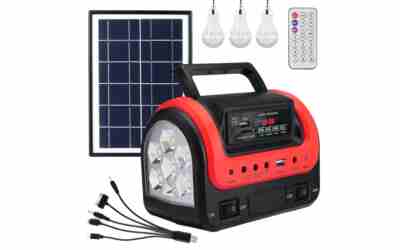
Set up a solar generator in 8 steps: charge from the wall, match panel voltage to the input limit, aim panels at the sun, and plug in. Worked example.
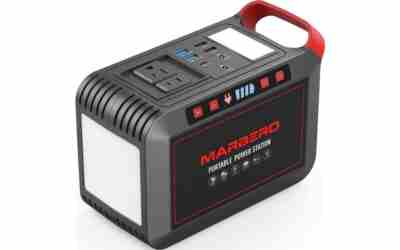
Yes, you can use a small generator to power a heater if it's rated 2,000W or more for a 1,500W unit. See watts by heater type and CO safety rules.
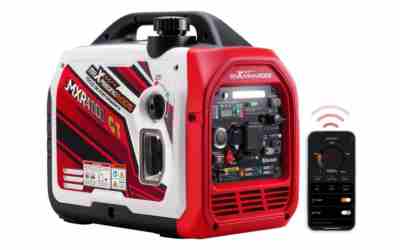
Learn how generators produce electricity: an engine spins magnets past copper coils, and the alternator sends 120V, 60 Hz power to your outlets.
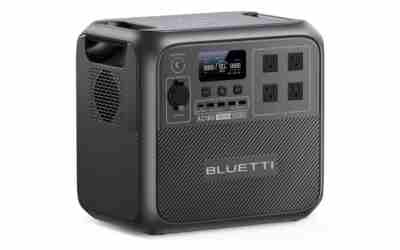
Choose a solar generator by sizing watt-hours (load x 1.2), matching output watts to your biggest appliance, and picking LiFePO4 for regular use.
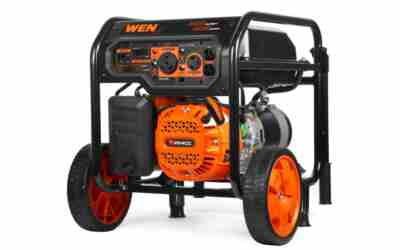
Yes, a generator can run on propane if it is dual fuel, tri-fuel or propane-only. See runtime on a 20 lb tank, power loss, conversion kits and safety.
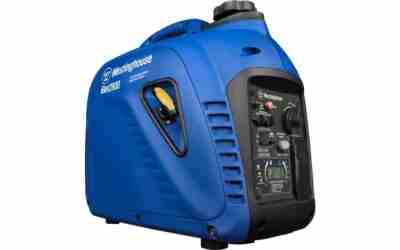
To get a generator started, check oil and fuel, set the choke, pull or press start, then plug in loads after a few minutes. Fixes if it won't start.
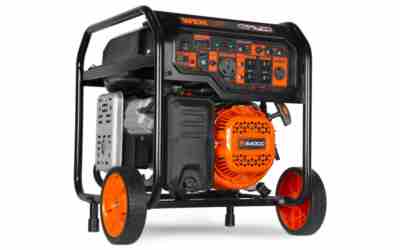
How backup generators work: an engine spins an alternator, and a transfer switch moves your home onto it in about 10 to 30 seconds after an outage.
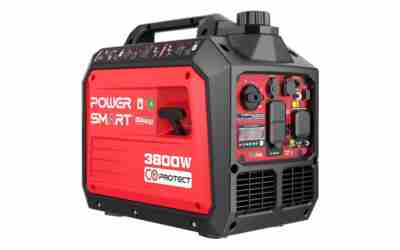
Generator size for small house: most need 3,000-7,500 running watts. Add up your appliances, add 20-30% margin, and plan for the biggest surge.
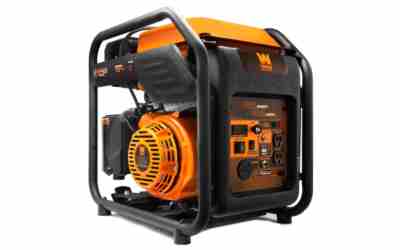
Generator size for a well pump: a 1/2 HP pump needs about 3,000–4,000 running watts, a 1 HP pump 5,000–7,000. See the HP chart and worked example.