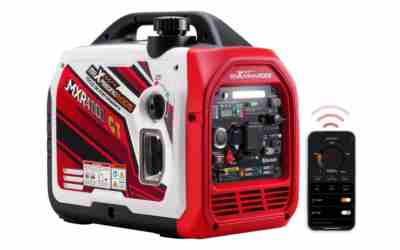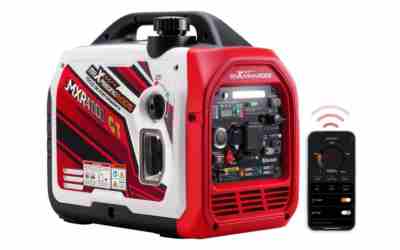

Our editorial team weighed maXpeedingrods's published specifications and how it stacks up against similar products in the generators category. What stands out: App Control for Remote Operation, Dual Fuel Flexibility, and Includes Parallel Cables. Where it falls short: App Needs WiFi/Internet and No THD Spec Provided. That puts it at 7.7/10 on our WG Score – a solid, dependable choice.
 Reviewed bySarah Watts
Introduction
When you’re planning your next RV adventure or preparing for unexpected power outages, having a reliable source of electricity is essential. The RV generators dual fuel of October 2026 offer the flexibility to run on either gasoline or propane, giving you peace of mind no matter where you are. Whether you’re camping off-grid, tailgating, or need backup power at home, these 3 models from Westinghouse, maXpeedingrods deliver the performance and convenience you need.
We’ve analyzed the specs and user feedback for the top RV generators dual fuel to help you choose the right one for your RV or home backup needs. Our guide covers key features like power output, fuel efficiency, noise levels, and portability. If you’re looking for more options, check out our best dual fuel portable generators for whole house guide.

Pros
- Extremely quiet operation at 52 dBA for peaceful use
- Multiple outlets including RV-ready and USB for versatile powering
- Dual fuel capability adds convenience and availability
- LED data center displays real-time stats like runtime and voltage
- Portable design with telescoping handle and never-flat wheels
Cons
- Weighs 62.8 pounds, challenging for one person to transport long distances
- May have initial residual oil or fuel odor from factory testing
- Propane hose required for LPG use, though included
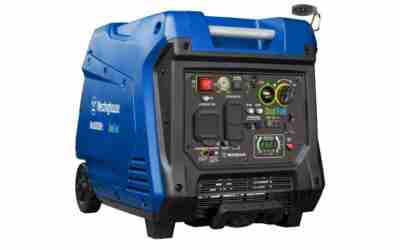
The Westinghouse iGen4000DFc is a versatile dual fuel inverter generator designed for campers, RVers, tailgaters, and homeowners needing reliable portable power. With 4000 peak watts and 3300 running watts, it handles essentials like refrigerators, lights, and electronics while delivering clean sine wave power under 3% THD to protect sensitive devices.
Standout features include a super quiet 52 dBA operation, economy mode for up to 7 hours on a 1.69-gallon gas tank, and dual fuel support for gasoline or propane. The RV-ready TT-30R outlet, household duplex, and USB ports make it ideal for travel trailers or home backups. Remote start via key fob, electric push-button, or recoil ensures easy use, while the rotating LED data center shows voltage, runtime, and more for real-time monitoring.
Build quality shines with a lightweight 62.8-pound frame, telescoping suitcase-style handle, and never-flat wheels for easy portability. Safety features like automatic CO and low oil shutdown provide peace of mind. It's EPA compliant with a 3-year warranty and lifetime support.
Potential drawbacks include its weight for solo carrying and possible factory residual odor. Overall, it excels in quiet, efficient performance for recreational and emergency needs.
Verdict: A top choice for those prioritizing quiet, clean power and versatility in a portable package. Highly recommended for RV enthusiasts and campers seeking dependable backup power.
Power: 4000 peak watts, 3300 running watts, 120V, 60Hz
Fuel: Gasoline or Propane (Dual Fuel), 1.69-gallon (12.8L) tank, up to 7-hour runtime
Outlets: TT-30R RV Ready, 5-20R duplex, two USB, total 6 outlets
Features: CO sensor, remote/electric start, LED display, <3% THD, 52 dBA noise
Dimensions: 21.3 x 12.6 x 19.3 inches, 62.8 lbs, blue color

Pros
- Exceptionally quiet and fuel-efficient performance praised in real-world tests
- Multiple easy start options including reliable remote fob
- Portable design with telescoping handle and wheels for easy mobility
- RV-ready outlets and USB ports handle diverse power needs
- Automatic safety features like low oil and overload protection
Cons
- Heavy at 105.8 pounds, best moved by two people despite wheels
- Electric starter can be finicky on initial uses or when warm
- Remote start requires manual switch toggle, limiting full remote convenience
The Westinghouse iGen5000DFc is a premium dual fuel inverter generator delivering 5000 peak watts and 3900 running watts, perfect for RV camping, tailgating, or home emergency backup. Its variable speed engine adjusts output for efficiency, making it a go-to for users needing clean, stable power for sensitive electronics like laptops and TVs without surging or distortion.
Standout features include a super quiet 52 dBA noise level, rivaling conversation volume, and an impressive 18-hour runtime on gasoline in economy mode. Reviewers highlight its effortless remote electric start, LED data center displaying runtime, fuel, and load, plus dual fuel capability for propane versatility during outages or remote trips. It powers space heaters, fridges, and multiple devices simultaneously without faltering, backed by real-user tests.
Build quality shines with a lightweight 105.8-pound frame, telescoping suitcase handle, and wheels for one-person transport over varied terrain. The durable enclosure houses a 224cc 4-stroke engine with safety shutoffs for low oil, overload, and CO detection. Accessories like oil, propane hose, and tools arrive ready-to-use, with intuitive controls earning praise for arthritis-friendly handling.
Minor drawbacks include the weight requiring two-person lifting from the box and occasional starter hiccups on first runs, resolved by persistence or recoil. Panels may vibrate slightly under load, and full remote use needs the main switch on.
Overall, the iGen5000DFc excels as a reliable, quiet powerhouse for recreational and backup needs, with strong performance and safety features justifying its spot among top inverters. Highly recommended for those prioritizing portability and clean power.
Power: 5000 peak watts / 3900 running watts at 120V, 60Hz
Fuel: Dual fuel (gasoline 3.4 gal tank / propane), up to 18-hour runtime
Outlets: TT-30R RV-ready, 5-20R duplex (x2), USB (x2); 5 total
Features: Remote electric start, CO sensor, <3% THD, economy mode, LED data center
Dimensions: 24.5 x 17.5 x 20 inches; 105.8 lbs; Blue color
Warranty: 3-year limited with lifetime tech support
Users rave about the quiet operation comparable to smaller units, easy setup with included oil and tools, and reliable power for fridges, heaters, and camping gear. Many note quick propane starts and accurate load metering.
Positive highlights include sturdy packaging, wheels aiding mobility for those with mobility issues, and strong break-in performance under 50% load. International buyers confirm solid arrival and performance.
Some mention initial startup needs patience to clear residual oil, and suggest silencers for overnight camping quietness.

Pros
- App control adds convenience for remote operation and status checks
- Dual fuel capability extends runtime and reduces emissions on LPG
- Includes parallel cables and comprehensive accessory kit
- Certified to multiple safety and emissions standards
Cons
- Bluetooth app requires Wi-Fi or internet connection
- No pure sine wave THD specification provided
- 3.6 rating with zero reviews limits verified performance data
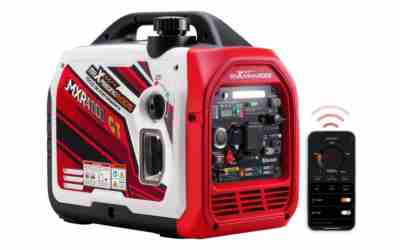
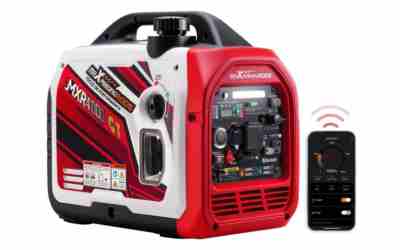
The maXpeedingrods MXR4000GT is a portable dual fuel inverter generator rated at 4000 peak watts on gasoline and 3600 on LPG. It targets users needing flexible backup power for camping, RV travel, or home emergencies.
Standout features include Bluetooth app remote start and monitoring of voltage, frequency, load, and remaining fuel. The unit offers electric start, recoil backup, and an RV-ready 30A outlet with adapter for zero-ground charging.
Build quality includes a digital display, multiple safety alerts with auto-shutdown, and PGMA/UL/EPA compliance. Noise stays at 58-60 dB at 23 feet in eco mode, comparable to a conversation.
Drawbacks include the app's internet requirement and lack of published THD data. Storage instructions require battery disconnection to prevent drain.
Overall the MXR4000GT delivers strong value for users prioritizing app control and dual-fuel versatility in a compact 52.9 lb package.
Buying Guide for 2026
Running vs Starting Watts
One of the most critical factors when choosing an RV generator is understanding the difference between running (rated) watts and starting (peak) watts. Running watts represent the continuous power the generator can supply, while starting watts cover the extra surge needed to start appliances like air conditioners or refrigerators. For most RVs, a generator with at least 3000 running watts is sufficient, but if you plan to run multiple high-wattage devices simultaneously, consider models with higher output.
For example, a typical RV air conditioner may require 1500 running watts and up to 2000 starting watts. Add a microwave (1000 watts) and a TV (200 watts), and you’ll need a generator that can handle the combined load. Always check the starting wattage of your appliances and choose a generator with a comfortable margin. This is especially important for dual fuel models, as propane may slightly reduce peak output compared to gasoline.
Fuel Type & Runtime
Dual fuel generators offer the flexibility to run on either gasoline or propane, which is a major advantage for RVers. Gasoline is widely available and typically provides slightly higher wattage, but propane burns cleaner, has a longer shelf life, and is often easier to store. Many RV parks also have propane refill stations, making it a convenient option.
Runtime is another key consideration. A generator with a larger fuel tank will run longer between refills, which is crucial for overnight use or extended trips. Look for models with an economy mode that adjusts engine speed based on load, improving fuel efficiency and reducing noise. For example, some generators can run up to 18 hours on a single tank of gasoline at 25% load, while others may only last 7 hours under similar conditions.
Noise Level
Noise is a major concern for RVers, especially when camping in quiet areas or near other campers. Inverter generators are generally much quieter than conventional models, with noise levels ranging from 52 to 60 decibels at a distance of 23 feet. This is about as loud as a normal conversation or a quiet air conditioner.
When comparing models, look for decibel ratings and consider that even a small difference (e.g., 52 vs 58 dBA) can significantly affect perceived loudness. Some generators also feature a “quiet mode” or eco mode that reduces noise further. If you plan to use the generator at night or in campgrounds with strict noise rules, prioritize models with lower noise output.
Portability
Portability is essential for RV generators, as you’ll likely need to move them from storage to your campsite. Look for features like telescoping handles, wheels, and a compact design. Weight is also a factor: many dual fuel inverter generators weigh between 70 and 100 pounds, so consider how easily you can lift and maneuver the unit.
Some models come with a built-in dolly or wheel kit, while others require separate accessories. If you have mobility concerns, a generator with a telescoping handle and large wheels can make a big difference. Also, check the dimensions to ensure it fits in your RV’s storage compartment.
Outlets & Transfer Switch
Having the right outlets is crucial for connecting your RV and other devices. Most RV-ready generators include a TT-30R 30-amp outlet, which is standard for RVs. Additionally, look for multiple 120V household outlets (5-20R) and USB ports for charging electronics. Some models also feature a 50-amp outlet or a transfer switch ready port for home backup.
If you plan to use the generator for home backup, consider a model with a higher wattage output and a L14-30R twist-lock outlet for connecting to a transfer switch. This allows you to power essential circuits in your house safely. For RV use, the TT-30R outlet is typically sufficient, but having extra outlets gives you more flexibility.
Inverter vs Conventional
Inverter generators are the preferred choice for RV use due to their clean power output (less than 3% total harmonic distortion), which is safe for sensitive electronics like laptops, smartphones, and TVs. They are also quieter, more fuel-efficient, and lighter than conventional generators.
Conventional generators are typically cheaper and can produce higher wattage, but they are louder, heavier, and produce less clean power. For most RVers, an inverter generator is worth the investment for the peace of mind and convenience it offers. If you need to power heavy-duty tools or equipment, a conventional generator might be more suitable, but for RV and home backup, inverter models are the standard.
Quick Comparison: Side by Side

- – Extremely Quiet at 52dBA.
- – RV-Ready & USB Outlets.
- – Dual Fuel Flexibility.
- – Ultra-Quiet at 52dBA.
- – 18-Hour Runtime.
- – Clean Power for Electronics.
- – Quiet & Fuel-Efficient.
- – Remote Fob Start.
- – Telescoping Handle & Wheels.
- – App Control for Remote Operation.
- – Dual Fuel Flexibility.
- – Includes Parallel Cables.
- – Heavy at 62.8 lbs.
- – Minor Residual Oil Odor.
- – Propane Hose Required (Included).
- – Minor Oil/Fuel Odor on Arrival.
- – Propane Tank/Hose Sold Separately.
- – Shorter Runtime Under Heavy Load.
- – Heavy at 105.8 lbs.
- – Finicky Electric Starter.
- – Remote Needs Manual Switch Toggle.
- – App Needs WiFi/Internet.
- – No THD Spec Provided.
- – Low Rating, No Reviews Yet.
Why Trust Our Reviews
At WikiGenerators.com, we take a thorough approach to reviewing generators. Our team analyzes manufacturer specifications, user feedback from multiple sources, and industry standards to provide objective recommendations. We do not claim to perform hands-on testing of every product, but we aggregate real-world experiences and expert opinions to give you a balanced view.
Our reviews are independent and not influenced by manufacturers or retailers. We disclose that we may earn a commission if you purchase through our affiliate links, but this does not affect our ratings or recommendations. Our goal is to help you find the best generator for your needs based on reliable data and user insights.
Our Final Picks for 2026
Best Overall: Westinghouse iGen4000DFc 4000 Peak Watt Dual Fuel Inverter Generator – Super Quiet RV Ready Remote Start CO Sensor
The Westinghouse iGen4000DFc is a top-rated dual fuel inverter generator that offers 4000 peak watts and 3300 rated watts with less than 3% THD, making it ideal for powering your RV or home essentials. It features remote start with a key fob, electric and recoil start, and a TT-30R RV ready outlet. The generator is super quiet at 52 dBA and has an economy mode for extended runtime up to 7 hours on a 1.69 gallon gas tank. For more options, check out our best generators dual fuel guide.
View on Amazon.comBest Value: maXpeedingrods MXR4000GT 4000W Dual Fuel Inverter Generator with Bluetooth App Control
The maXpeedingrods MXR4000GT is a budget-friendly dual fuel inverter generator that doesn’t compromise on features. It offers 4000 peak watts (gasoline) and 3600 peak watts (propane), with Bluetooth app control for remote start and monitoring. The generator includes an NEMA L5-30R RV outlet, electric start, and quiet operation at 58-60 dBA. It’s a great choice for RVers looking for modern convenience at a lower price point. If you need more power, see our best 4500 watt dual fuel inverter generators.
View on Amazon.comBest for High Power: Westinghouse iGen5000DFc 5000W Peak Dual Fuel Inverter Generator – Super Quiet RV Ready Remote Start CO Sensor
For those who need more power, the Westinghouse iGen5000DFc delivers 5000 peak watts and 3900 rated watts, making it suitable for larger RVs or home backup. It features remote start, a TT-30R outlet, and an impressive runtime of up to 18 hours on a 3.4 gallon gas tank. With noise levels as low as 52 dBA and a telescoping handle for easy portability, this generator is a powerhouse that still runs quietly. For more information on dual fuel generators for home use, visit our best portable dual fuel generators for home backup page.
View on Amazon.comFrequently Asked Questions
Which RV generators dual fuel should I buy in 2026?
For most RVers, the Westinghouse iGen4000DFc offers the best balance of power, features, and value. If you need more power for a larger RV or home backup, the iGen5000DFc is a great upgrade. For a budget-friendly option with modern Bluetooth controls, consider the maXpeedingrods MXR4000GT.
Can I run my RV air conditioner with a dual fuel generator?
Yes, most dual fuel inverter generators with at least 3000 running watts can power a typical RV air conditioner. However, you should check the starting wattage of your AC unit and ensure the generator can handle the surge. Models like the Westinghouse iGen5000DFc with 3900 running watts provide ample power for multiple appliances.
Is propane or gasoline better for RV generators?
Both have advantages. Gasoline offers slightly higher wattage and is widely available, but propane burns cleaner, has a longer shelf life, and is often easier to store. Many RVers prefer propane for its convenience and lower maintenance. Dual fuel generators give you the flexibility to use whichever is more convenient.
How quiet are dual fuel inverter generators?
Dual fuel inverter generators are typically very quiet, with noise levels ranging from 52 to 60 decibels at 23 feet. This is comparable to a normal conversation or a quiet air conditioner. Models like the Westinghouse iGen series are known for their low noise output, making them ideal for campgrounds.
Do I need a transfer switch for home backup?
If you plan to power your home during an outage, a transfer switch is recommended for safety. It prevents backfeeding and protects utility workers. Many dual fuel generators have outlets compatible with transfer switches. For more details, see our best dual fuel inverter generators for home guide.