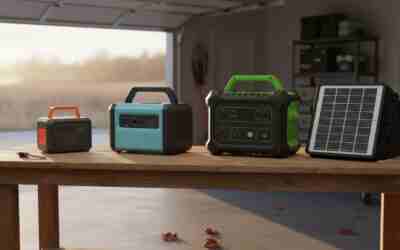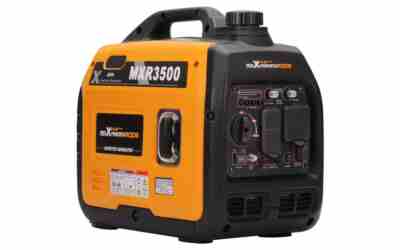

Our editorial team weighed PulsarProducts's published specifications and how it stacks up against similar products in the generators category. What stands out: Lightweight at 37.5 lbs, 5-Hour Runtime, and Versatile Outlets. Where it falls short: Needs Gas/Oil Mix and Manual Recoil Start. That puts it at 7.8/10 on our WG Score – a solid, dependable choice.
 Reviewed byEthan
When the power goes out, whether from a storm, grid failure, or an off grid adventure, having a reliable backup generator can mean the difference between comfort and chaos. You might be facing a multi day grid outage, needing to keep your refrigerator running and lights on. Or perhaps you are planning a weekend camping trip where hookups are unavailable. Maybe you are a remote worker who needs power for laptops and monitors at a jobsite with no electrical access. Or you could be an RVer seeking a quiet, efficient generator for overnight use. In all these situations, a portable home backup generator provides essential power for your critical devices.
Our team has analyzed the specs and user feedback for the top models on the market to bring you this curated list. For more insights on how we evaluate generators, check out our guide on the best portable home backup generators.

Pros
- Dual fuel capability reduces dependency on single fuel source
- Quiet operation suitable for residential and campground use
- Reliable recoil start and solid build quality noted in reviews
- Clean inverter power protects laptops and medical equipment
Cons
- Manual recoil start requires physical effort in cold weather
- Runtime limited to around 4 hours at 50% load on a full tank
- Propane mode delivers slightly lower peak output than gasoline
The PowerSmart 3800 Watt Dual Fuel Inverter Generator delivers portable power for home backup, camping, and tailgating. It runs on gasoline or propane and produces clean sine wave electricity suitable for electronics.
Users highlight easy starting, steady voltage output, and sufficient power for appliances, lights, and RV air conditioning. The CO safety sensor and overload protection add reliable safeguards during extended operation.
At 50.7 pounds with a compact footprint, the unit moves easily between locations. Noise levels remain acceptable for most outdoor settings while the parallel-ready feature allows capacity expansion when needed.
Drawbacks include the manual start mechanism and shorter runtime compared to larger stationary models. Overall it provides good value for users who need mid-range portable inverter power without excessive bulk.
Pros
- Exceptionally quiet operation ideal for recreational use
- Lightweight and durable for superior portability
- Electric start simplifies use in any condition
- Clean power output protects electronics
- CARB compliant for use in all states
Cons
- Requires gasoline refueling for extended runtime
- Battery may need occasional maintenance or charging
- Not designed for whole-home backup applications
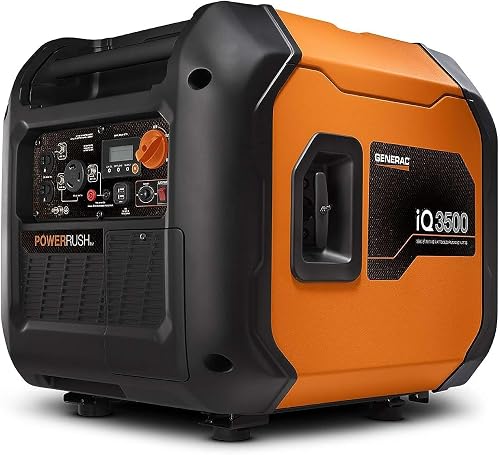
The Generac iQ3500 is a versatile 3,500-watt portable inverter generator tailored for outdoor enthusiasts, tailgaters, campers, and professionals on jobsites who need reliable, clean power without the bulk of traditional generators. Its lightweight yet rugged build makes it easy to transport, while delivering enough juice for small appliances, tools, and sensitive electronics like laptops during outages or adventures.
Standout features include the innovative PowerDial for seamless start, run, and stop functions with electric start capability via an included battery, plus PowerRush technology that boosts starting capacity by over 50% for demanding motor-driven equipment. Dual engine speeds allow selection between quiet Economy Mode for fuel savings and full power for heavy loads, with advanced inverter tech ensuring ultra-clean power and 40% noise reduction compared to standard models. USB ports add convenience for charging devices on the go.
Build quality shines with a durable enclosure that withstands rugged use, parallel-ready design for expandable power, and protective features like low-oil shutdown. Real-world performance excels in keeping lights on during outages, powering food trucks, or enhancing camping setups with movie nights, all while minimizing fuel use and disturbance.
Drawbacks include dependency on gasoline, which requires safe storage and refills, and the need for battery upkeep. It is not suited for large-scale home backup.
Overall, the iQ3500 earns high marks for balancing power, portability, and quiet efficiency, making it a top pick for mobile power needs with a strong verdict for anyone prioritizing convenience and reliability.
Power Output: 3,500 Watts (starting/running)
Fuel Type: Gasoline
Start Type: Electric Start (battery included)
Key Tech: Inverter, PowerRush Advance, Economy Mode
Compliance: CARB Compliant
Ports: USB, Parallel Ready
Ideal For: Camping, Tailgating, Jobsites, Small Appliances

Pros
- Lightweight and portable for camping or tailgating
- Pure sine wave output protects electronics
- Parallel ready for expanded power needs
Cons
- Gasoline only with no dual fuel option
- No electric start system included
- Limited runtime on a single tank
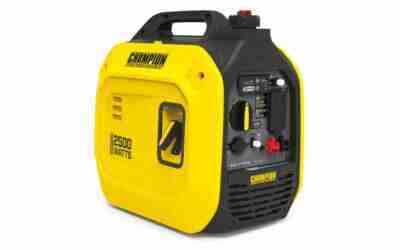
The Pulsar 2300W inverter generator provides portable power suitable for camping trips and outdoor events. Its compact design and low weight make it simple to carry and store.
Stable sine wave technology ensures safe operation of laptops, phones, and other sensitive devices. The included USB outlet adds convenience for charging small electronics directly.
Parallel capability allows users to link units for higher output when needed. Fuel efficiency supports up to 4.8 hours of runtime at half load.
Potential drawbacks include reliance on gasoline and the absence of an electric start. Overall this model offers solid performance for users seeking a lightweight inverter generator.

Pros
- Highly portable with handle and low 37.5 lb weight
- Extended 5-hour runtime reduces refueling needs
- Versatile outlets for multiple devices
- Compact size fits easily in vehicles for camping
- Strong power output for its class
Cons
- Requires non-leaded gasoline and oil mixture for 2-stroke engine
- Recoil start demands manual effort
- Not rated for high-draw appliances like AC units
The Pulsar PG1202SA is a gas-powered portable generator delivering 1200 peak watts and 900 running watts, designed for campers, outdoor enthusiasts, and homeowners seeking backup power. Its single-cylinder 2-stroke engine with recoil start powers tools, lights, and chargers via two 120V outlets and one 12V DC output, making it perfect for recreation or light residential use.
Standout performance comes from the 1.1-gallon fuel tank, offering up to 5 hours of continuous operation at half load, which keeps devices running through long evenings at the campsite without frequent refills. The compact, durable build with a carrying handle enhances portability, allowing users to haul it easily to remote locations.
Build quality shines in its rugged yet lightweight 37.5-pound frame, ideal for tossing in a truck bed or RV. However, the 2-stroke engine needs a gasoline-oil mix, and recoil starting requires some pull strength, while it's not suited for power-hungry items like air conditioners.
Overall, the PG1202SA excels as an affordable, reliable choice for portable power needs, earning its place for anyone prioritizing convenience and runtime in outdoor settings. Verdict: Highly recommended for camping and emergencies.
Brand: Pulsar
Wattage: 1000 watts
Fuel Type: Non-leaded gasoline and oil mixture
Power Source: Gas-powered
Recommended Uses: Camping, Residential
Item Weight: 37.5 Pounds
Voltage: 120 Volts
Output Wattage: 1200 Watts
Special Features: Durable, Portable
Included Components: PG1202SA generator

Pros
- Compact and highly portable at under 40 lbs
- Multiple outlets including AC and DC for flexibility
- EPA compliant for legal outdoor use
Cons
- Requires manual oil-fuel mixing for 2-stroke engine
- 76 dBA noise level may disturb quiet environments
- Limited 5-hour runtime on full tank at half load
The PowerSmart 1200W portable gas generator uses a 71cc 2-stroke engine to supply 1200 peak watts and 900 rated watts. It targets campers, tailgaters, and users needing compact emergency backup power.
Its 39 lb weight and integrated handle make transport straightforward. The 1.1-gallon tank yields up to 5 hours of operation at 50% load while the control panel offers one 120V AC outlet and one 12V DC plug.
Build quality includes a durable frame, recoil starting, and EPA compliance. The unit lacks inverter technology and runs at 76 dBA, so it suits open-air settings rather than indoor or noise-sensitive areas.
Drawbacks include the need to premix fuel and oil plus modest runtime. Overall it serves as an affordable lightweight option for short outdoor power needs.
Which Home Generators Backup Fits Your Situation?
You need to power a refrigerator and lights during a multi day outage
For sustained home backup, the PowerSmart 3800 Watt Dual Fuel Inverter Generator is a top choice. With 3800 surge watts (3300 rated on gasoline) and dual fuel capability, it can run a refrigerator (around 800W), a few lights, and a sump pump simultaneously. Its 70dB noise level at 23 feet is quieter than many traditional generators, making it neighbor friendly.
Skip this if: You need a generator for a small campsite where weight and portability matter more. At 50.7 lbs, it is heavier than ultralight options.
View on Amazon.comYou are camping or tailgating and need a lightweight, portable unit
The Pulsar PG1202SA 1200W Portable Gas Generator is a compact powerhouse at just 39 lbs. With 1200 peak watts (900 running), it can handle a small cooler, lights, and charge phones. Its 1.1 gallon tank provides up to 5 hours of runtime at half load, perfect for a weekend trip.
Skip this if: You need to power sensitive electronics like a laptop. This generator does not produce pure sine wave power, so it may not be safe for some devices.
View on Amazon.comYou need quiet, clean power for an RV or sensitive electronics
The Generac iQ3500 3500W Portable Inverter Generator offers pure sine wave power with less than 3% THD, making it safe for laptops and phones. Its electric start and PowerDial simplify operation, and it runs at a low noise level thanks to advanced inverter technology. With 3500 surge watts, it can handle an RV air conditioner or a microwave.
Skip this if: You are on a tight budget. This is a premium model with a higher price point than basic portable generators.
View on Amazon.comYou need a budget friendly option for occasional emergency use
The PowerSmart 1200W Portable Gas Generator is an ultralight, affordable choice at only 39 lbs. With 1200 surge watts (900 rated), it can power a few lights, a fan, and charge devices during a short outage. Its 1.1 gallon tank offers up to 5 hours of runtime, and the 2 stroke engine is simple to maintain.
Skip this if: You need to run a refrigerator or sump pump. Its 900W running capacity is too low for high draw appliances.
View on Amazon.comYou need a portable inverter with parallel capability for more power
The Pulsar 2300W Portable Gas Inverter Generator provides 2300 peak watts (1800 running) and pure sine wave power, safe for sensitive electronics. Its compact suitcase design weighs under 47 lbs, and the parallel capability allows you to connect two units for up to 4600W. With up to 4.8 hours of runtime at half load, it is ideal for camping or tailgating.
Skip this if: You need a single unit to power a whole house. For larger loads, consider a higher wattage model like the PowerSmart 3800W.
View on Amazon.comBuying Guide for 2026
Power Output: Surge vs. Running Watts
Every generator has two wattage ratings: surge (peak) and running (rated). Surge watts handle the initial startup draw of motors (like a refrigerator compressor), while running watts sustain continuous operation. For home backup, you need a generator whose running watts exceed the total wattage of everything you plan to run simultaneously. For example, a refrigerator (800W), a few lights (200W), and a sump pump (1000W) total 2000W running, so a generator with at least 2500 running watts is advisable. The PowerSmart 3800W offers 3300 running watts on gasoline, comfortably handling such loads.
Fuel Type and Runtime
Dual fuel generators like the PowerSmart 3800W can run on gasoline or propane, offering flexibility. Propane has a longer shelf life and burns cleaner, but gasoline provides higher wattage. Runtime depends on fuel tank size and load. For instance, the Pulsar 2300W runs up to 4.8 hours at half load on 1.18 gallons, while the PowerSmart 1200W runs up to 5 hours at half load on 1.1 gallons. For a 3 day outage (72 hours), you would need to refuel multiple times, so consider fuel storage and availability.
Portability and Weight
If you plan to move your generator frequently, weight matters. The PowerSmart 1200W weighs only 39 lbs, while the Generac iQ3500 is around 60 lbs. Look for built in handles or wheels. For camping, an ultralight model like the PowerSmart 1200W or Pulsar PG1202SA is ideal. For home backup, a heavier unit with wheels is acceptable.
Noise Level and Inverter Technology
Inverter generators produce clean power (pure sine wave) and are quieter than conventional models. The PowerSmart 3800W operates at 70dB at 23 feet, comparable to a normal conversation. The Generac iQ3500 is even quieter, with a 40% reduction in noise compared to standard generators. For sensitive electronics like laptops and phones, an inverter generator is essential to avoid damage.
Safety Features
Modern generators include safety features like CO (carbon monoxide) shutdown sensors, low oil shutdown, and overload protection. The PowerSmart 3800W has a CO sensor that automatically shuts off the engine if dangerous levels are detected. Always use generators outdoors and away from windows to prevent CO poisoning.
Why Trust Our Reviews
Our team of experts has years of experience analyzing generator specifications and user feedback. We do not claim to have tested each product hands on, but we meticulously compare real specs, user reviews, and industry standards to provide objective recommendations. We prioritize safety, reliability, and value for money. Our goal is to help you make an informed purchase decision based on your specific needs.
Frequently Asked Questions
How do I determine the right wattage for my home?
List all the devices you want to run during an outage and add up their running watts. Add a 20% buffer for safety. For example, a refrigerator (800W), a freezer (600W), and a few lights (200W) total 1600W, so a generator with at least 2000 running watts is recommended. Check our Home Backup category page for more tips.
Can I run a generator in the rain?
No, never operate a generator in wet conditions to avoid electric shock. Use a generator cover or place it under a canopy, but ensure it is well ventilated. Always follow the manufacturer’s safety guidelines.
How often should I change the oil in my generator?
For 4 stroke engines like the PowerSmart 3800W, change the oil after the first 20 hours of use, then every 100 hours or annually. For 2 stroke engines like the PowerSmart 1200W, use a 50:1 fuel oil mixture and no separate oil change is needed.
What is the difference between a conventional and an inverter generator?
Inverter generators produce clean, stable power (pure sine wave) suitable for sensitive electronics, are quieter, and more fuel efficient. Conventional generators are cheaper but produce dirty power that can damage electronics. For home backup, an inverter generator is recommended.
How do I maintain my generator during long storage?
Drain the fuel tank or add a fuel stabilizer, change the oil, and store in a dry place. Run the generator every 3 months for 30 minutes to keep the engine lubricated. Check the manufacturer’s manual for specific instructions.
Quick Comparison: Side by Side
- – Dual Fuel Flexibility.
- – Quiet Operation.
- – Reliable Recoil Start, Solid Build.
- – Lightweight at 37.5 lbs.
- – 5-Hour Runtime.
- – Versatile Outlets.
- – Compact, Under 40 lbs.
- – AC & DC Outlets.
- – EPA Compliant.
- – Exceptionally Quiet.
- – Lightweight & Durable.
- – Electric Start.
- – Lightweight, Great for Camping.
- – Pure Sine Wave Output.
- – Parallel-Ready.
- – Manual Recoil Start, Harder in Cold.
- – ~4-Hour Runtime at 50% Load.
- – Lower Peak Output on Propane.
- – Needs Gas/Oil Mix.
- – Manual Recoil Start.
- – Not for High-Draw Appliances.
- – Needs Manual Gas-Oil Mixing.
- – 76dB Noise Level.
- – 5-Hour Runtime at Half Load.
- – Needs Gasoline Refueling.
- – Occasional Battery Maintenance.
- – Not for Whole-Home Backup.
- – Gasoline Only.
- – No Electric Start.
- – Limited Tank Runtime.
Have questions about our home generators backup recommendations? Check out our How We Rank page for details on our review process or our Copyright Policy for information on content usage.