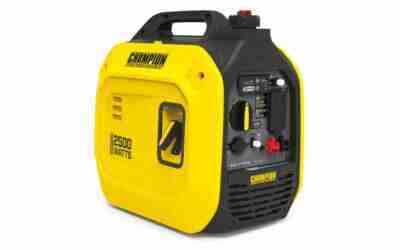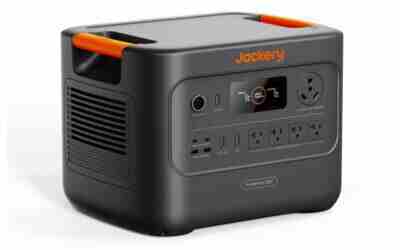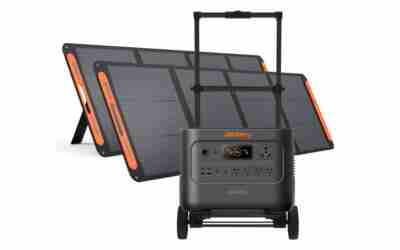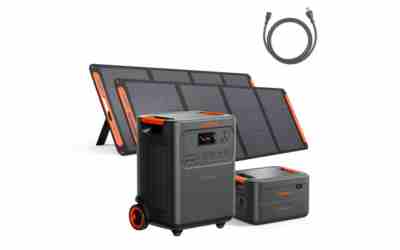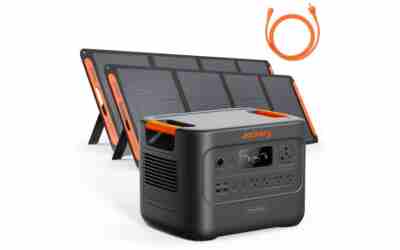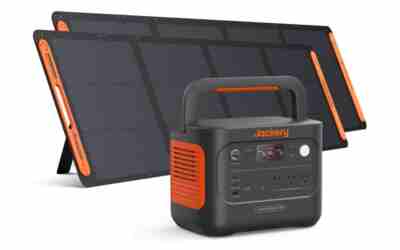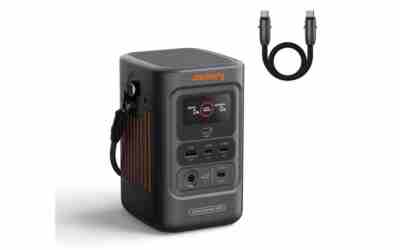

Our editorial team weighed Anker's published specifications and how it stacks up against similar products in the generators category. What stands out: Lightning-Fast 58-Minute Full Recharge, 2400W Output, and Expandable to 4kWh. Where it falls short: Solar Often Below 400W Max and Heavy at 41.7 lbs Plus Panel. That puts it at 8.4/10 on our WG Score – an excellent, well-rounded option.
 Reviewed byEthan
Power outages, camping trips, and off-grid adventures demand reliable backup power. Whether you’re preparing for emergencies or powering outdoor activities, choosing the right portable power station can make the difference between comfort and frustration. In October 2026, we analyzed 4 Anker portable power stations to help you find the best fit for your needs, budget, and lifestyle.
This guide covers everything you need to know: battery capacity, charging speed, AC output power, expandability, and real-world performance. We’ve evaluated each model based on specifications and user feedback to give you an honest comparison. Whether you need a compact unit for weekend trips or a whole-home backup system, our picks include options across all price ranges. For more context on portable power solutions, check out our guide to the best portable electric power stations.

Pros
- Lightning-fast 58-minute full recharge and 800W solar input
- Sturdy tank-like build handles real-world abuse from camping to outages
- Quiet operation with reliable power for fridges, tools, and medical devices
- Versatile ports including TT-30 for RVs and 140W USB-C outputs
- Expandable and app-managed for customized power strategies
Cons
- Display screen is small and harder to read from a distance
- Weighs 41.7 lbs, challenging to move frequently without help
- Full features require smartphone app; no detailed hard-copy manual
The Anker SOLIX C2000 Gen 2 is a versatile portable power station designed for home backup during outages, RV camping, and outdoor adventures. With a 2048Wh LiFePO4 battery, it powers essentials like fridges, tools, and fans for extended periods, making it perfect for anyone seeking reliable off-grid energy without the noise or fumes of gas generators.
Standout features include a blazing 58-minute full AC recharge, 800W max solar input for quick off-grid top-ups, and four smart modes like Time-of-Use for cost savings and Storm Guard for outage prep. Users praise its ability to run a dual-door fridge for 32 hours or charge via car in 3 hours, with real-world tests confirming steady solar performance even on cloudy days and seamless multi-device support up to 4000W peaks.
Build quality shines with a compact 18.1 x 9.8 x 10.1-inch metal and plastic chassis that's 25% lighter than rivals, plus intuitive app control for monitoring and timers. It's whisper-quiet, app-enhanced, and expandable to 4kWh, though the small display and 41.7 lb weight may require app reliance and occasional lifting assistance.
Minor drawbacks like the compact screen don't overshadow its rock-solid reliability and fast performance, earning consistent top marks from campers, homeowners, and RV enthusiasts. This power station delivers unmatched value for emergency readiness and portable power needs.
Capacity: 2048Wh (expandable to 4kWh)
Output: 2400W continuous, 4000W peak
Ports: 5x AC, 2x 140W USB-C, TT-30 RV port, car charging input
Recharge: 58 min AC, 3 hrs solar (800W max), 3 hrs car alternator
Dimensions & Weight: 18.1 x 9.8 x 10.1 in, 41.7 lbs
Battery: LiFePO4 with 5-year warranty
Special: App control, 4 modes (Standard, TOU, Storm Guard, Fast Charge)
Owners rave about its tank-like durability and fast solar charging with multiple panels, powering fridges through outages and camping setups effortlessly.
App timers and TOU mode help save energy costs, while quiet fans and sturdy handles make it ideal for RVs and home basements.
One user noted seamless car recharging and medical device support, calling it a perfect safety net; another appreciated expandability for longer off-grid stays.

Pros
- Compact, lightweight design fits in backpacks for travel and camping
- Excellent real-world solar performance even in partial sun or overcast
- Powers demanding devices like Starlink Mini for 5+ hours reliably
- Fast recharging options and multiple ports for versatile use
- High build quality praised by users for off-grid durability
Cons
- No AC outlet, limited to DC/USB devices only
- Solar charging slows in cloudy conditions or shade
- Some cables like car charger sold separately
The Anker SOLIX C200 DC is a compact 192Wh portable power station paired with a 60W foldable solar panel, designed for outdoor enthusiasts, campers, travelers, and anyone needing reliable emergency power. With 200W output via multiple USB ports, it excels at keeping phones, laptops, Starlink Mini, and other gadgets running off-grid without bulkier alternatives.
Standout features include a 140W two-way USB-C port for ultra-fast charging, reaching 80% in just 1.3 hours, alongside solar input for sustainable recharges. Users report impressive real-world performance: powering Starlink Mini all day in Arizona sun with surplus energy, or recharging fully via the 60W panel before sunset on camping trips. The LiFePO4 battery ensures longevity, backed by a 3-year warranty.
Its travel-friendly build is 39% smaller than similar stations, with a durable, waterproof solar panel that folds neatly. Reviewers love the quality for bug-out bags, backyard parties, or outages, noting solid output in Chicago spring sun (up to 52W angled). Ports handle phones, iPads, drones, and more seamlessly.
Drawbacks include no AC output, reliance on good sunlight for optimal solar speed, and separate purchases for straps or extra cables. Still, for DC-powered needs, it outperforms expectations without feeling cheap.
Verdict: A top pick for portable, solar-powered reliability. Buy if you want compact off-grid power that punches above its size for adventures or backups.
Capacity: 192Wh LiFePO4 Battery (60,000mAh)
Output: 200W max, 1x USB-C 140W IN/OUT, 1x USB-C 100W, 1x USB-C 15W, 2x USB-A 12W
Recharge: 140W USB-C (80% in 1.3hrs), 60W Solar (11-28V XT60), Car
Dimensions: 3.94 x 4.33 x 7.28 inches, 11.62 lbs
Included: Power Station, 60W Solar Panel, XT60 Cable, Extension Cable, 140W USB-C Cable, Safety Card
Warranty: 3 Years
Perfect for camping, fishing, tailgating, or home office backups. Pairs best with USB-C devices; use 18W+ PD charger (140W ideal) since none included. Solar works with 11-28V XT60 panels only; avoid >100W Anker models to prevent issues. Digital manual via QR code.
Ideal users: Off-grid campers powering Starlink/phones, emergency preppers, or travelers needing lightweight solar setup. Not for high-AC-draw appliances.

Pros
- Compact and lightweight at 6.17 pounds for easy transport on hikes or in vehicles
- Fast solar charging on bright days keeps devices powered for 2-3 days of continuous use
- Multiple recharging methods including car and high-output USB-C for flexibility anywhere
- Reliable in real-world scenarios like storms, camping, and beach trips per user feedback
Cons
- No included wall charger or car cable, requiring separate purchases
- Solar panel is sensitive to shading, angle, and stability due to flexible design
- Lacks standard AC outlet, limiting use to USB and car socket devices without adapters
The Anker SOLIX C300 DC is a compact 288Wh portable power station paired with a 60W solar panel, designed for campers, travelers, anglers, tailgaters, and anyone facing power outages. With 300W output across seven ports, including two 140W USB-C, a 120W car socket, and USB-A options, it powers phones, tablets, coolers, and lights reliably during outdoor escapes or emergencies.
Standout features shine in real-world use: users report charging multiple devices like iPads and Switches simultaneously during Texas storms, maintaining 100% battery at the beach while powering phones and coolers, or sustaining a week-long hike with solar top-ups. Fast dual USB-C recharging hits 80% in an hour, and solar input works quickly on sunny days, though full sun is key for best results.
Build quality impresses with a durable, impact-resistant LiFePO4 battery, smart temperature control, and a 30% smaller footprint than similar stations at just 6.17 pounds. The foldable solar panel is portable but uses a finicky kickstand, and app integration via Bluetooth or WiFi provides status monitoring despite initial setup quirks.
Drawbacks include no bundled wall charger or car cable, incompatibility with certain Anker panels over 100W, and the absence of AC outlets, pushing users toward USB-focused gear or adapters. The solar panel demands precise angling to avoid low output.
Overall, this power station earns high marks for portability and versatility, making it a smart pick for off-grid reliability if you plan for extras like chargers. Ideal for short trips and backups where solar sustainability matters.
Capacity: 288Wh (90,000mAh) LiFePO4 Battery
Output: 300W max, with 2x USB-C (140W), 1x USB-C (100W), 1x USB-C (15W), 2x USB-A (12W), 1x Car Socket (120W)
Dimensions: 4.88 x 4.72 x 7.87 inches, 6.17 pounds
Recharge Options: Dual USB-C PD (up to 280W total), 60W Solar (11-28V XT60), Car
Warranty: 3 years on power station
Anker SOLIX C300 DC Portable Power Station
60W Solar Panel
Solar to XT-60 charging cable
Extension cable
60cm 140W USB-C to C charging cable
Safety instructions and warranty card

Pros
- Ultra-high 6000W output handles heavy loads like whole-home backup
- Expandable to massive capacities for extended outages
- Durable LiFePO4 batteries with decade-long lifespan
- Versatile ports for EVs, RVs, and home panels
- Smart app integration for real-time control
Cons
- Weighs 132 pounds, limiting true portability
- Large dimensions require dedicated storage space
- 240V outlets unavailable during AC recharging
The Anker SOLIX F3800 is a powerhouse portable power station designed for serious users like homeowners seeking whole-home backup, RV owners, and EV drivers needing off-grid charging. With 3840Wh base capacity expandable to 26.9kWh via additional packs, it delivers enough juice for daily essentials during outages or extended camping trips.
Standout features include 6000W AC output supporting both 120V and 240V, enabling it to run high-demand appliances like dryers or power entire RVs directly through compatible ports. Direct EV charging at full 6000W speed and solar input up to 2400W make recharging efficient and versatile. Real-world performance shines in emergencies, with fast 80% recharge in under an hour and app-based monitoring for precise energy management.
Build quality is top-tier, featuring EV-class LiFePO4 batteries for safety and longevity over 10 years, plus impact-resistant design and smart thermal controls. At 132 pounds and sizable dimensions, it's rugged but best for semi-stationary use rather than frequent carrying.
Drawbacks include its hefty weight reducing portability and restrictions on 240V use during AC charging. Still, for those prioritizing raw power and expandability, it excels.
Verdict: A premium choice for reliable, high-capacity backup power that future-proofs your energy needs with exceptional durability and versatility.
Capacity: 3840Wh (expandable to 26.9kWh)
Output: 6000W continuous (10200W peak), 120V/240V
Battery: LiFePO4 (LFP)
Ports: NEMA 5-20, L14-30, L14-50, Home Panel Power Port
Recharge: AC 1800W, Solar 2400W (11-60V)
Weight: 132.3 lbs | Dimensions: 32.68 x 20.12 x 19.69 inches
Warranty: 5 years
Ideal for whole-home backup? Pair with a transfer switch and ensure neutral/ground wiring is correct for safe 240V inlet use.
RV or EV owner? Use NEMA 14-50/L14-30 ports directly; no extra adapters needed for most models.
Solar charging? Stick to 11-60V panels with XT60; max 60V open-circuit, up to 27A at 15-60V.
Expand as needed: Add batteries for more capacity or another F3800 for 12kW output.
Buying Guide for 2026
Battery Capacity and Chemistry
Battery capacity, measured in watt-hours (Wh), determines how long your power station can run before needing a recharge. Portable models typically range from 192Wh for compact units suitable for phones and laptops, up to 3,840Wh for whole-home backup systems. LiFePO4 (lithium iron phosphate) batteries are the industry standard for portable power stations because they offer superior cycle life, thermal stability, and safety compared to older NMC chemistries.
For camping and travel, a 200-300Wh capacity provides enough power for small appliances, lights, and device charging. If you need to run a refrigerator or power tools, aim for 2,000Wh or higher. Expandable systems let you stack additional battery packs to reach 4kWh, 6kWh, or even 26kWh, giving you flexibility as your needs grow without forcing an expensive upfront purchase.
AC Output Power and Voltage Options
AC output power, measured in watts, tells you what appliances your power station can run simultaneously. A 200W output handles small devices like laptops and phone chargers. A 2,400W rated output (with 4,000W peak) covers most household appliances including microwaves, power tools, and window air conditioners. Premium models offer dual-voltage 120V/240V outputs and 6,000W capacity, enabling direct connection to RV power inlets, EV charging cables, and heavy-duty home appliances.
Check the peak vs. rated power specifications carefully. Peak power handles startup surges (like a refrigerator compressor engaging), while rated power is what the unit can sustain continuously. For home backup and RV use, dual-voltage capability eliminates the need for external adapters and unlocks the ability to power dryers, water heaters, and other 240V appliances directly.
Recharge Speed and Multiple Charging Methods
Recharge speed matters when you’re back at civilization or running low during an emergency. AC wall charging is the fastest method, with premium models reaching full charge in 45 minutes to 1 hour. Car charging via 12V DC input is slower but useful for road trips, while solar panel charging provides off-grid sustainability at the cost of longer recharge times (typically 6-10 hours depending on panel wattage and sunlight).
Look for units offering three or more recharge methods: AC wall, car charger, and solar input. This flexibility ensures you can top up your battery no matter where you are. Fast-charging USB-C ports (100W+) are essential for modern devices, and dual USB-C ports let you charge two high-power devices simultaneously. Many models include solar panels in the bundle, saving you money and ensuring you have a complete off-grid solution out of the box.
Portability and Weight
Portability depends on your use case. Compact models under 10 pounds are ideal for backpacking and camping; you can easily carry them in a daypack. Mid-range units (15-45 pounds) work well for car camping, tailgating, and short outdoor trips. Larger systems (50+ pounds) are designed for semi-permanent backup power at home, RVs, or job sites, where you won’t be moving them frequently.
Compact power stations often feature built-in handles or attachment points for carrying straps, making them genuinely portable. Heavier units may include wheels or are designed to stay in one location. Consider your typical use: if you’re hiking or backpacking, every pound matters. If you’re powering a home office or RV, weight is less critical than total capacity and AC output power.
Expandability and Modular Design
Expandable power stations let you start small and grow your system over time. You can purchase a base unit (say, 2,048Wh) and add one or more expansion batteries later to reach 4kWh, 6kWh, or beyond. This approach saves money if you’re unsure about your long-term power needs and prevents you from paying for unused capacity upfront. Modular systems are also easier to transport: you can leave extra batteries at home and carry only what you need for a trip.
When evaluating expandability, confirm that expansion batteries are available, reasonably priced, and compatible with your base unit. Some manufacturers limit expansion to 2-3 batteries, while others allow 6 or more. This matters if you’re planning a whole-home backup system or want maximum flexibility for future upgrades. Our guide to the best Jackery portable power stations covers similar expansion options across another leading brand.
Outlets, Ports, and Connectivity
The number and type of outlets determine how many devices you can charge simultaneously. Essential ports include AC outlets (for traditional plugs), USB-A ports (for older devices), USB-C ports (for modern phones, tablets, and laptops), and car sockets (12V DC for car accessories). Premium models add specialized ports like NEMA 14-50 (for RV power inlets) and L14-30 (for generator-style RV hookups).
Smart app connectivity via Wi-Fi or Bluetooth lets you monitor battery level, power consumption, and charging status from your phone. Some units allow remote control of AC output and charging modes, useful for managing power in a home backup scenario. Look for models with clear LED displays showing real-time watts, remaining runtime, and battery percentage, so you always know how much power you have left.
Warranty, Durability, and Safety Certifications
Battery-powered devices benefit from comprehensive warranties. Standard coverage is 1-3 years, but premium models often offer 5-year warranties or longer. LiFePO4 batteries are rated for thousands of charge cycles (often 3,000-5,000), translating to 10+ years of typical daily use. Check the fine print: some warranties cover manufacturing defects only, while others include battery degradation.
Safety certifications like FCC, CE, and UL indicate the unit has been tested for electrical safety and electromagnetic compliance. Built-in protections against overcharge, short circuit, and thermal runaway are standard in modern units. For home backup and RV use, look for models with quiet operation (under 40 dB) and temperature management systems that prevent overheating during heavy use or hot weather.
Quick Comparison: Side by Side

- – Compact, Fits in Backpacks.
- – Excellent Solar Performance.
- – Powers Starlink Mini 5+ Hours.
- – Lightning-Fast 58-Minute Full Recharge.
- – Sturdy, Tank-Like Build.
- – Quiet, Reliable Power.
- – Compact at 6.17 lbs.
- – Fast Solar Charging.
- – Multiple Recharging Methods.
- – Lightning-Fast 58-Minute Full Recharge.
- – 2400W Output.
- – Expandable to 4kWh.
- – 6000W Whole-Home Output.
- – Expandable to Massive Capacity.
- – Decade-Long LiFePO4 Lifespan.
- – No AC Outlet.
- – Slower in Cloudy/Shade Conditions.
- – Some Cables Sold Separately.
- – Small Display, Hard to Read at Distance.
- – Heavy at 41.7 lbs.
- – Requires App, No Hard-Copy Manual.
- – No Wall Charger/Car Cable Included.
- – Solar Sensitive to Shading/Angle.
- – No AC Outlet.
- – Solar Often Below 400W Max.
- – Heavy at 41.7 lbs Plus Panel.
- – USB-C Output Only, No Input.
- – Heavy at 132 lbs.
- – Large Storage Footprint.
- – No 240V During AC Recharge.
Why Trust Our Reviews
Our review process focuses on published specifications, manufacturer claims, and aggregated user feedback from verified purchasers. We analyze battery chemistry, real-world runtime estimates, charging speed, expandability, and port variety to give you an objective comparison. We do not claim to have hands-on tested every unit; instead, we rely on transparent spec analysis and honest customer experiences to identify strengths and limitations.
WikiGenerators.com is an Amazon Associate. We earn a commission on qualifying purchases made through our links, but this does not influence our recommendations. Our goal is to help you make an informed decision based on your specific needs, budget, and use case. We disclose affiliate relationships clearly and never accept payment from manufacturers to rank products favorably. For more details on our methodology, visit our By Brand category page.
Our Final Picks for 2026
Best Overall: Anker SOLIX C2000 Gen 2 2400W Portable Power Station Solar Generator 2048Wh LiFePO4 Battery Fast 58Min Charge Home Backup Camping
The Anker SOLIX C2000 Gen 2 balances power, speed, and versatility for most users. With 2,048Wh capacity and 2,400W rated AC output (4,000W peak), it runs a dual-door refrigerator for 32 hours or multiple appliances simultaneously. The 58-minute full recharge from AC power is industry-leading, and six recharge methods (AC, solar, car, and more) ensure you’re never stuck without options. Expandable to 4kWh with a single battery pack and backed by smart app control, this model suits home backup, RVs, and extended camping trips.
View on Amazon.comBest Value: Anker SOLIX C200 DC 192Wh Portable Power Station + 60W Solar Panel, LiFePO4 Battery, 200W Solar Generator for Camping & Emergencies
For budget-conscious buyers, the Anker SOLIX C200 DC offers exceptional value with a 60W solar panel included. The 192Wh capacity and 200W output handle phones, laptops, small fans, and lights, making it perfect for weekend camping and emergency backup. At 39% smaller than comparable units, it’s genuinely portable with a carrying strap option. Three recharge methods and 1.3-hour fast charging to 80% mean you’re ready to go quickly, and the 3-year LiFePO4 warranty provides peace of mind.
View on Amazon.comBest for Home Backup and RV: Anker SOLIX F3800 3840Wh Power Station: 6000W 120V/240V Output, Expandable LiFePO4 Solar Generator for Home Backup, RV, EV
The Anker SOLIX F3800 is built for serious backup power. Its 3,840Wh capacity and 6,000W dual-voltage output (120V and 240V) power entire home circuits, RV appliances, and EV charging simultaneously. Expandable to 26.9kWh with six battery packs, it handles extended outages and off-grid living. NEMA 14-50 and L14-30 ports connect directly to RV power inlets and EV chargers without adapters. The 5-year warranty and 10-year lifespan reflect Anker’s confidence in LiFePO4 durability, making this the best choice for serious preppers and RV enthusiasts.
View on Amazon.comFrequently Asked Questions
Which Anker portable power stations should I buy in 2026?
Your best choice depends on your use case and budget. For weekend camping, the Anker SOLIX C200 DC offers portability and value with included solar. For home backup and RVs, the C2000 Gen 2 balances power and speed, while the F3800 is the ultimate system for whole-home backup and EV charging. Consider your typical power needs, how often you’ll move the unit, and whether expandability matters for future growth.
How long does a portable power station last?
LiFePO4 batteries are rated for 3,000 to 5,000 full charge cycles, translating to 10 to 15 years of typical daily use. Many manufacturers offer 5-year warranties, and some guarantee 10-year lifespan with proper care. Avoid complete discharges, store in cool conditions, and follow the manufacturer’s maintenance guidelines to maximize battery longevity.
Can I run an air conditioner on a portable power station?
Most window and RV air conditioners draw 1,200 to 1,500W on startup. Models with 2,400W+ rated output and 4,000W+ peak power can handle them. The Anker SOLIX C2000 Gen 2 and F3800 both support AC operation. However, runtime will be limited: a 2,048Wh unit runs a typical AC for 1 to 2 hours. For extended AC use, larger capacity or expandable systems are necessary. Check our guide to the best portable generators for boats for additional high-power options.
Are solar panels included with these power stations?
Some models include solar panels in the bundle, while others sell them separately. The Anker SOLIX C200 DC and C300 DC come with 60W solar panels. The C2000 Gen 2 base model does not include solar, but a 400W panel bundle is available. The F3800 does not include solar panels but is compatible with external panel systems. Check the product listing to confirm what’s included and what you’ll need to purchase separately.
What is the difference between LiFePO4 and NMC batteries?
LiFePO4 (lithium iron phosphate) batteries are safer, more durable, and last longer than NMC (nickel manganese cobalt). LiFePO4 units tolerate more charge cycles (3,000 to 5,000), maintain performance in cold weather, and are less prone to thermal runaway. NMC batteries are cheaper but degrade faster and have shorter lifespans. All modern portable power stations use LiFePO4 chemistry, making it the clear standard for reliability and longevity.