

The quietest generators are battery-based portable power stations and solar generators, which run nearly silent. Among fuel-burning models, inverter generators are the quietest, typically 50 to 60 dBA at 23 feet. Open-frame conventional generators usually run about 70 to 80 dBA. Below is how each type compares, how to read decibel ratings, and how to quiet any unit.
Quietest generator types, ranked
Noise comes down to the technology. Here is the general order from quietest to loudest. Exact numbers vary by model and load, so treat these as typical ranges, not guarantees.
| Type | Typical noise | Notes |
|---|---|---|
| Portable power station / solar generator | Silent to about 50 dBA (fan under heavy load) | No engine; limited by battery capacity |
| Inverter generator | About 48 to 60 dBA at light to moderate load | Engine speed adjusts to the load |
| Dual fuel or tri-fuel inverter | About 55 to 65 dBA | Often a bit louder, especially at higher output |
| Conventional open-frame portable | About 70 to 80 dBA | Engine runs at a fixed speed |
| Home standby (air-cooled) | About 60 to 70 dBA | Rated at 23 feet; check the spec sheet |
If you want the shortest path to a quiet fuel-burning unit, start with an inverter generator in the 2,000 to 3,500 watt range. If you want true silence, you need a battery.
Power stations and solar generators are the quietest option
A portable power station has no engine, so there is no combustion noise. The only sound is usually a small cooling fan that kicks in during heavy loads or fast charging. At low loads, many units are effectively silent.
That also means you can run one indoors, in a tent or in a garage, because there is no exhaust. Carbon monoxide is not a concern with the battery itself, though you should still follow the maker’s ventilation and heat guidance.
The tradeoff is runtime. A battery holds a fixed amount of energy, measured in watt-hours, and runs out. Pair it with solar panels and you can recharge quietly, but slowly. A space heater, electric range or central AC can drain a mid-size unit in well under an hour.
- Good fit: phones, laptops, CPAP machines, lights, a fridge for a few hours, camping, and apartment or condo use.
- Poor fit: multi-day outages with heavy electric loads, well pumps, or whole-home backup.
Our comparison of a gas generator vs power station walks through runtime, cost and noise side by side, which helps if you are deciding between the two.
Quietest fuel-burning generators: inverter models
If you need more power or longer runtime than a battery can give, an inverter generator is the quietest fuel option. Two features make it quieter than a conventional unit:
- Variable engine speed. The engine throttles down at light loads instead of running flat out, so a 30 percent load sounds much quieter than a full load.
- Enclosed, insulated housing. The sound-dampening case and muffler design cut engine and exhaust noise.
Small units tend to be the quietest. For example, Honda lists its EU2200i at roughly 48 to 57 dBA depending on load. Other well-known brands publish similar figures in the 50s to low 60s. Always confirm the number on the current spec sheet, since ratings change between model years.
Larger inverter generators, and dual fuel or tri-fuel versions that run at higher output, are usually louder than a 2,000 watt model. Running on propane instead of gasoline can sometimes sound slightly different, but the difference depends on the model.
For specific picks, see our roundup of the best quiet generators, our list of the best inverter generators, and the best Honda generators if you are comparing that brand.
How to read generator decibel ratings
Two generators can both claim to be quiet and still sound very different. Check these details before you compare numbers.
Distance matters
Most US manufacturers rate noise at 23 feet (7 meters). Some rate at 3 feet (1 meter), which gives a much higher number for the same machine. Sound drops about 6 dB each time you double your distance in open space, so a rating taken at 3 feet is not comparable to one taken at 23 feet.
Load matters
Many ratings are taken at about 25 percent load, which is the best case. A range such as 52 to 60 dBA usually means light load to full load. The higher number is closer to what you hear when you are running a window AC or power tools.
dB is not linear
A 10 dB increase sounds roughly twice as loud to most people. So a 58 dBA generator sounds about twice as loud as one rated at 48 dBA, not slightly louder. For reference, normal conversation is about 60 dB.
dBA vs dB
The A-weighting (dBA) adjusts for how the human ear hears. If a listing shows plain dB with no distance or load, treat it with caution.
How to make any generator quieter
Even a quiet unit is better when placed well. These steps are safe and cheap. The one thing you must never do is run a fuel generator indoors, in a garage, or near a window or door, because of carbon monoxide risk.
- Add distance. Place it as far from living and sleeping areas as the cord allows, using a heavy-gauge extension cord rated for the load. Doubling the distance cuts the sound by roughly 6 dB.
- Point the exhaust away. Aim the muffler away from your house and neighbors, and keep the unit at least 20 feet from the home with exhaust directed away from openings.
- Use a solid, level surface. A rubber mat or plywood base can reduce vibration noise, which is separate from engine noise.
- Use a barrier, not a box. A solid fence or wall can deflect sound. Do not build a closed enclosure, which traps heat and can cause overheating or fire. Open-air baffles with plenty of airflow are the safer approach.
- Lower the load. On an inverter model, running fewer appliances keeps the engine at a lower speed.
- Maintain it. A damaged muffler, loose panels or old spark arrestor can make a unit louder.
Local noise ordinances and HOA rules vary, and some set limits at the property line, often in the 55 to 65 dBA range. Check your local code before you buy.
Picking the quietest option for how you will use it
The best choice depends on where you will run it and what you need to power.
- Camping and tailgating: A power station or small inverter generator keeps you friendly with neighbors. Many campgrounds enforce quiet hours and sometimes limit generators entirely.
- RV use: A 2,000 to 3,500 watt inverter generator is the common choice. Running a rooftop AC requires more starting power than many small units provide, so check your AC’s surge rating. See our guide to the best generators for RV use.
- Short home outages: A power station can cover Wi-Fi, lights, phones and a fridge quietly. Long outages usually need a fuel generator.
- Sensitive electronics: Inverter generators and power stations both produce clean power, which suits laptops and medical devices.
A practical rule: size the generator to your actual loads, then pick the quietest type that can carry them. An oversized generator is not louder at low load if it is an inverter model, but it costs more and is heavier. Always confirm wattage needs from your appliances’ labels and the manufacturer’s specs.
Our Top Picks
Ready to shop? These are the top-rated options from our hands-on roundup, Best Quiet Inverter Generators For Home Use of 2026.

Westinghouse iGen5000DF 5000 Peak Watt Dual Fuel Inverter Generator - Super Quiet RV Ready Remote Start
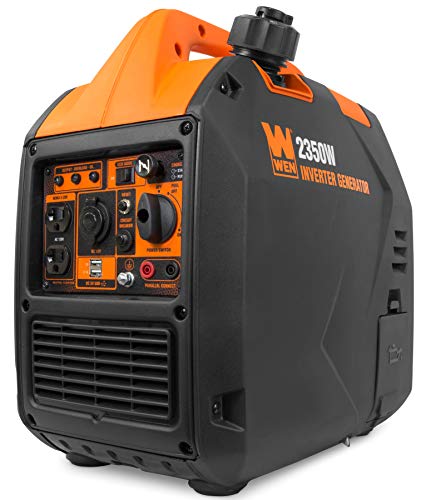
WEN 56235i 2350W Super Quiet Portable Inverter Generator - Ultra Lightweight 39lbs, Fuel Shut-Off, Clean Power for Camping RV
As an Amazon Associate we earn from qualifying purchases. Product prices and availability are accurate as of the date/time indicated.
Related: If noise is your main concern, see our PowerSmart 3600 noise level comparisonshowing how loud it runs at 23 feet.
Is a Gas Generator Quieter Than a Petrol Generator?
No, a gas generator is not meaningfully quieter than a petrol generator, because “gas” and “petrol” often mean the same thing. In the US, “gas” is short for gasoline, which is what most of the world calls petrol. If you mean propane or natural gas instead, the difference is small and depends more on the generator’s design than on the fuel.
Noise comes mostly from the engine speed, the muffler and the housing. The fuel plays a smaller part. Here is how the common cases compare:
| Comparison | Noise difference |
|---|---|
| Gasoline (petrol) vs gasoline | Same fuel, so no difference. Inverter or open-frame design decides the noise. |
| Gasoline vs propane or natural gas on a dual fuel unit | Usually similar. Some dual fuel models run a little louder, especially at higher output. |
| Gasoline vs propane on different models | Design matters more than fuel. An inverter on either fuel beats an open-frame unit. |
Propane and natural gas do burn a bit more smoothly, and some owners notice a slightly softer engine tone. Still, check the decibel rating on the spec sheet for the fuel you plan to use, since manufacturers may list different figures for each.
If quiet is the priority, choose an inverter generator first and worry about fuel second. A battery-based power station is quieter than any fuel type.
Frequently Asked Questions
What is the quietest type of generator?
Portable power stations and solar generators are the quietest because they have no engine. Many run silently at low loads, with only a cooling fan at high output. Among gas or propane models, inverter generators are the quietest.
How many decibels is a quiet generator?
A quiet inverter generator typically measures about 48 to 60 dBA at 23 feet, depending on load. Conventional open-frame units usually run around 70 to 80 dBA. Always check the distance and load used for the rating.
Are inverter generators really quieter than regular ones?
Yes, in most cases. Inverter generators adjust engine speed to the load and use enclosed, sound-dampened housings. A regular generator runs at a fixed speed, so it stays loud even with a small load. Actual noise varies by model.
Can I run a quiet generator in my garage?
No. Any fuel-burning generator, even a quiet one, produces deadly carbon monoxide and must run outdoors, well away from windows, doors and vents. A battery power station has no exhaust, but follow the manufacturer’s ventilation guidance.














