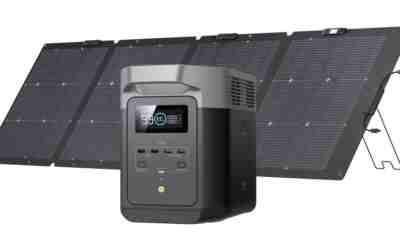
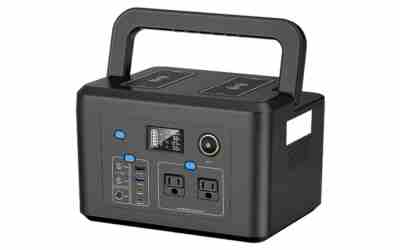
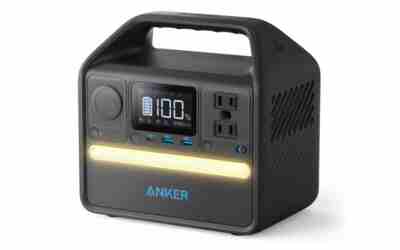
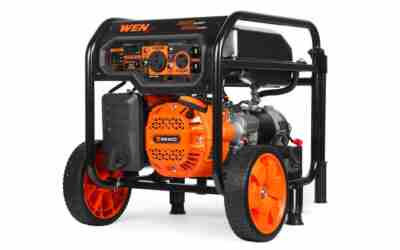
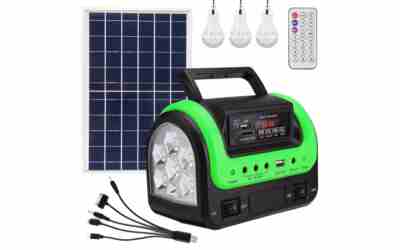
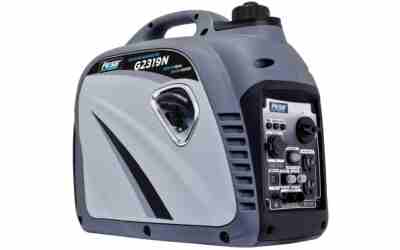
Our editorial team weighed EFECOFLOW's published specifications and how it stacks up against similar products in the generators category. What stands out: Lightning-Fast Charging, Exceptional Build for Marine/Off-Grid, and Quiet, No Emissions, Indoor-Safe. Where it falls short: Heavy at 50 lbs and Occasional App Connectivity Issues. That puts it at 8.5/10 on our WG Score – an excellent, well-rounded option.
 Reviewed byEthan
When selecting the ideal portable power station for your boat, battery capacity (measured in Watt-hours, Wh) stands out as the most crucial specification. Unlike brand recognition or initial cost, the Wh capacity directly dictates how long your essential marine electronics, lights, and small appliances will run before needing a recharge. A higher Wh capacity means extended power autonomy, which is vital for long days on the water or overnight trips, ensuring you’re never left without power when you need it most. For more insights on portable power solutions, check out our guide on best CPAP portable power stations.
Battery Capacity Explained
Battery capacity, expressed in Watt-hours (Wh), represents the total amount of energy a portable power station can store. To put it simply, it tells you how much power is available to run your devices. The higher the Wh rating, the longer your devices can operate. For boaters, understanding this metric is paramount, as it allows you to estimate how many hours you can power navigation equipment, fish finders, lighting, or even a small portable cooler.
To illustrate, let’s consider the EcoFlow River 2 Max 500 Portable Power Station, which boasts a 499Wh capacity. If you’re running a typical marine LED light drawing 10 watts, this power station could theoretically keep that light on for approximately 49.9 hours (499 Wh / 10 W = 49.9 hours). This calculation helps you match the power station’s capacity to your specific power needs on the boat, ensuring you have sufficient energy for your planned activities.
Pros
- Lightning-fast 1-hour AC charging and efficient solar input
- Reliable UPS performance tested with computers and CPAP machines
- Powers real-world loads like arcade cabinets, fans, and heaters for hours
- Durable LiFePO4 cells with 3000+ cycles for long-term reliability
- Versatile 11 ports cover all devices from phones to small appliances
Cons
- DC outputs may overload on certain low-draw setups initially
- Fan noise becomes noticeable under heavy loads
- Solar charging time varies with sunlight conditions
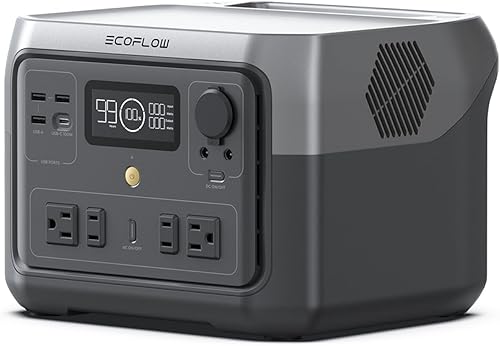
The EcoFlow River 2 Max 500 is a compact portable power station designed for outdoor enthusiasts, RV travelers, and anyone needing reliable home backup power. With a 499Wh LiFePO4 battery, it excels at providing clean, stable energy for camping trips, emergencies, or daily use without the noise and fumes of traditional generators.
Standout features include 1-hour AC fast charging, up to 1000W X-Boost output to run 11 devices simultaneously, and rapid 2.3-hour solar recharge. Real-world tests from users show it powering arcade machines for 17 hours, CPAP units all night, turbo heaters for 2 hours, and even astrophotography gear flawlessly after firmware updates. The UPS mode switches to battery in under 30ms, protecting sensitive electronics like computers during outages.
Build quality is premium with a sturdy, lightweight 13.3 lb design, side handle for easy transport, and intuitive app control for monitoring. The pure sine wave inverter ensures compatibility with a wide range of appliances, from blenders to laptops.
Minor drawbacks include occasional DC output sensitivity requiring troubleshooting and fan noise under load, though customer service resolves issues promptly with replacements. Solar performance depends on conditions, but pass-through charging adds versatility.
Overall, the River 2 Max 500 delivers exceptional value for portable power needs, earning high praise for reliability and speed. Ideal if you want a future-proof solar generator that punches above its size.
Capacity: 499Wh LiFePO4 Battery
Output: Up to 1000W (X-Boost), 11 Ports (AC, USB-A/C, DC)
Charging: 1 Hour AC, 2.3 Hours Solar (220W max)
Dimensions: 10.6 x 10.2 x 7.7 inches, 13.3 lbs
Other: UPS <30ms, App Control, 5-Year Warranty

Pros
- Lightning-fast charging keeps you powered during critical times
- Exceptional build quality and durability praised in reviews for marine and off-grid use
- Quiet fans and no emissions allow safe indoor operation
- Powers high-demand devices like fridges for days on a single charge
- Intuitive app and display for easy monitoring and control
Cons
- Weighs 50 pounds, challenging to move solo for some users
- Occasional app connectivity issues require software updates
- Solar panels sold separately for full off-grid capability
The EF ECOFLOW DELTA 2 Max is a high-capacity portable power station designed for home backup, RV camping, outdoor adventures, and professional uses like filmmaking or boat maintenance. With 2048Wh LFP battery and 2400W output (expandable to 3400W via X-Boost), it powers nearly all household appliances, from fridges running for over 24 hours to power tools and heaters.
Standout performance includes world-leading charging: 80% in 43 minutes with AC and solar, or 1.1 hours on AC alone. Reviewers rave about its reliability, with one running a mini-fridge for 53 hours and a freezer for 26 hours. The quiet 30dB operation and app control make it ideal for overnight use without disturbance, while expandability to 6kWh prepares users for extended blackouts.
Build quality feels premium and rugged, with a 10-year battery lifespan from 3000 cycles. It's lighter than competitors at 50 pounds yet robust for harsh environments. The app provides real-time stats, though some note initial Bluetooth setup needs updates.
Drawbacks include its weight for frequent transport and lack of included solar panels. Still, for versatile, fume-free power without gas generator hassles, it excels.
Verdict: A top-tier solar generator for anyone needing fast, expandable, and quiet backup power. Highly recommended for preppers, campers, and homeowners facing outages.
Capacity: 2048Wh LFP Battery (3000 cycles to 80%)
Output: 2400W Continuous, 3400W X-Boost, 15 Outlets
Charging: 80% in 43 Min (AC+Solar), 1.1 Hr AC, 2.3 Hr Solar
Dimensions: 12.2 x 9.7 x 20 inches, 50 lbs
Special Features: Expandable to 6kWh, 30dB Quiet, App Control, Indoor Safe
Users praise its speed and power: 'Charged to 80% in under an hour, handles multiple appliances flawlessly' (5 stars). Sailboat owners love its portability and durability in marine settings. Off-grid fans note it outperforms competitors like Bluetti in runtime and recharge speed for fridges and freezers.
Common theme: Beastly performance for home backup and camping, with quiet operation and long battery life standing out.
Pros
- Exceptionally fast 1-hour charging keeps you powered without downtime
- Whisper-quiet operation ideal for camping and home backup
- Proven reliability in real-world tests like powering radios, heaters, and fridges for hours
- Portable and easy to store with compact build and long battery lifespan
- Versatile ports charge laptops, phones, and appliances simultaneously
Cons
- Solar panel requires frequent realignment to sun for optimal input, dropping efficiency if misaligned
- Panel sags in the middle without support, reducing output until propped up
- Runtime limited for continuous high-wattage devices like large heaters beyond short bursts
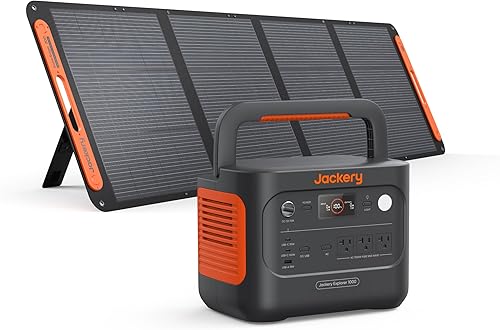
The Jackery Explorer 1000 v2 solar generator kit combines a 1070Wh LiFePO4 portable power station with a 200W solar panel, delivering 1500W AC output and up to 3000W surge. Weighing just 23.8 pounds with a foldable handle, it suits campers, RVers, off-grid enthusiasts, and anyone needing emergency backup power for essentials like fridges, microwaves, and CPAP machines.
Standout features include ChargeShield 2.0 for safe, rapid recharging—full in 1 hour via app emergency mode or 1.7 hours standard—and a battery lasting over 10 years with 4000 cycles. Users praise its real-world performance: powering home theaters for 45 hours, ham radios for 5+ hours, and campers during outages or storms. The app enables quiet 30dB overnight charging and efficiency modes, while versatile ports (3 AC, 2 USB-C 100W, USB-A, DC) handle multiple devices effortlessly.
Build quality shines with a durable, compact design (12.87 x 8.82 x 9.72 inches) using recyclable packaging and carbon-verified eco-friendliness. Reviewers highlight its silence versus gas generators, easy setup, and portability for trailers or closets. The solar panel folds for travel but excels in full sun, recharging fully in 4-5 hours on partly cloudy days when adjusted properly.
Drawbacks include the solar panel's need for constant sun alignment via its level bubble, as slight misalignment halves input to 50-100W. The panel sags centrally without propping, impacting efficiency, and high loads like 2000W heaters drain capacity quickly. Not ideal as a full UPS for sensitive electronics or primary solar reliance without maintenance.
Overall, this kit earns high marks for innovation and reliability in portable power. Buy it for versatile off-grid adventures or peace of mind during blackouts—its fast charge, longevity, and power make it a top choice despite minor solar tweaks.
Capacity: 1070Wh LiFePO4 battery
Output: 1500W continuous AC (3000W surge), 100W USB-C PD, 3x AC outlets, USB-A, DC car port
Charging: 1hr fast AC (app-enabled), solar via 200W panel, car DC
Weight/Dimensions: 23.8 lbs, 12.87"L x 8.82"W x 9.72"H
Warranty: 5 years; Battery life: 10+ years (4000 cycles)
Versus Explorer 2000 v2: Half the capacity (1070Wh vs 2042Wh) but lower price, lighter weight, ideal for lighter loads like projectors (7.6hrs) or rice cookers (2.7hrs).
Outperforms gas generators in silence and portability; runs fridges 37hrs (low draw), kettles 1hr, microwaves 48mins.
Carbon footprint verified by TÜV SÜD, with 100% recyclable packaging for eco-conscious users.
Pros
- Extremely lightweight and easy to transport for off-grid trips
- Supports fast charging via Qualcomm QuickCharge 3.0 technology
- Silent operation makes it perfect for use inside tents or near CPAP machines
- Includes car charging and solar connector cables in the package
Cons
- Limited to appliances under 100W for continuous AC usage
- Solar panel is sold separately and not included in the base kit
- Slower AC recharge time compared to high-end fast-charging units
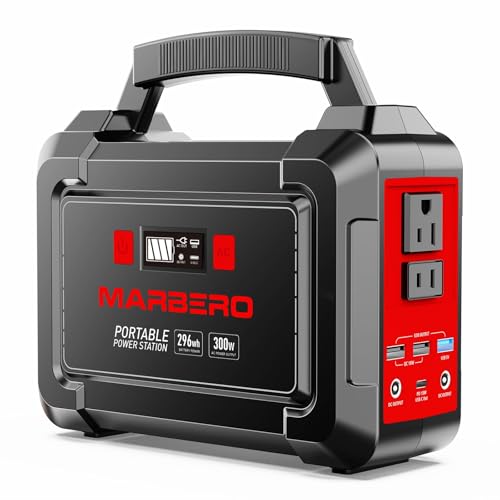
The MARBERO 350W Portable Power Station is a compact energy hub designed for users who need reliable power without the bulk. With a 296Wh (80,000mAh) capacity, it strikes a balance between portability and utility, making it a strong contender for weekend campers, outdoor photographers, and those preparing for hurricane-related power outages. Weighing only 5.7 lbs, it is one of the more portable units in the 300W peak class.
What sets this unit apart is its diverse output array. It features eight different ports, including a dedicated USB-C port and a QC3.0 port for fast-charging smartphones and tablets. For those with medical needs, it can run a CPAP machine for approximately 9 hours, providing peace of mind during overnight blackouts. The inclusion of a built-in LED flashlight with an SOS mode further emphasizes its role as a safety tool.
The build quality is centered around safety and longevity. The integrated Battery Management System (BMS) monitors voltage and temperature to prevent common battery failures. MARBERO utilizes high-quality Li-ion cells that are rated to retain 90 percent of their original capacity after 1000 cycles, offering better long-term value than generic battery banks.
However, users should note the wattage limitations. While it can peak at 350W, it is intended for devices under 100W for steady use. This means it is perfect for laptops, fans, and small TVs, but will not support high-draw appliances like coffee makers or heaters. Additionally, while it is solar-ready, you will need to purchase a compatible panel separately to utilize the off-grid charging feature.
Overall, the MARBERO 350W is an excellent entry-level power station for those who prioritize weight and multi-device charging. It delivers quiet, clean power in a user-friendly package that is easy enough for anyone to carry and operate during an emergency.

Pros
- Lightweight and portable at 3.3lbs, easy to carry for camping or emergencies
- Includes 40W foldable solar panel and all cables for immediate use
- Multiple fast-charging USB ports and AC/DC outputs handle diverse devices
- Built-in flashlight with SOS adds emergency utility
- Positive feedback on quick customer service and real-world charging performance
Cons
- Solar panel may underperform in low-light conditions or with incompatible generators
- Limited to 100W continuous power, not for high-wattage appliances
- Occasional reports of unit charging issues after extended use
The Apowking R100 is a compact 146Wh portable solar generator designed for campers, RV enthusiasts, and anyone needing reliable backup power during outages or off-grid adventures. Paired with a 40W foldable solar panel, it offers versatile charging for essentials like phones, laptops, tablets, fans, and lights, making it ideal for short trips or emergency kits rather than whole-home backup.
Standout features include seven output ports: two 110V AC outlets (100W rated, 200W peak), multiple USB options with quick charge, and a DC port for car accessories. Users praise its real-world performance, like fast phone charging via solar on sunny days and full recharges in a few hours from AC or car. The built-in dual LED flashlight with SOS mode proves handy for nighttime emergencies, while the BMS ensures safe operation with temperature and voltage control.
Build quality impresses with a sturdy, lightweight 3.3lb body and cooling vents to prevent overheating. The digital display shows battery status clearly, and its backpack-friendly size enhances portability. Most reviews highlight excellent value, though some note slower solar input in shade and minor compatibility quirks with other panels.
Drawbacks include power limits that exclude heavy appliances and isolated complaints about solar efficiency or longevity. Overall, this generator is a budget-friendly, feature-packed choice for portable power needs.
Verdict: Buy the Apowking R100 if you want an affordable, all-in-one solar solution for daily essentials during camping or blackouts. It's not for high-demand use but excels where convenience and solar readiness matter.
Capacity: 146Wh / 39600mAh Lithium Ion
Output: 100W Rated / 200W Peak; 2x AC 110V, USB-A/C ports, 1x DC 9-12.6V/10A
Input: Solar (40W panel included), AC adapter, Car charger
Weight: 3.3 pounds; Dimensions: 7.6 x 3.7 x 6.1 inches
Extras: Dual LED flashlight (3 modes), BMS safety, 1-year warranty
Apowking 146Wh solar generator, 40W solar panel, AC power adapter, car charging cable, carport output cable, user manuals (2).
Portable Power Stations For Boats: Our Picks Against the Numbers
For Extended Marine Use: EF ECOFLOW DELTA 2 Max
With an impressive 2048Wh capacity, the EF ECOFLOW DELTA 2 Max offers substantial power for extended periods on your boat. This means you can comfortably run multiple high-draw devices like a small marine refrigerator, a robust fish finder, or charge several laptops and phones for days without worrying about running out of power. Its large capacity makes it ideal for longer voyages or as a reliable backup.
Skip this if: Your power needs are minimal, and you prioritize extreme portability over maximum capacity, as its larger size and weight might be more than necessary for short trips.
View on Amazon.comBalanced Power and Portability: Jackery Explorer 1000 v2 Solar Generator
The Jackery Explorer 1000 v2 strikes a great balance with its 1070Wh capacity. This provides ample power for a typical day or two on the boat, easily handling navigation systems, communication devices, and various personal electronics. It’s a versatile option for boaters who need significant power without the bulk of the largest units, making it easy to move around the deck or stow away.
Skip this if: You require the absolute maximum capacity for very long off-grid excursions, or conversely, if your power needs are extremely light and a smaller, more compact unit would suffice.
View on Amazon.comCompact and Efficient: EcoFlow River 2 Max 500 Portable Power Station
The EcoFlow River 2 Max 500, with its 499Wh capacity, is an excellent choice for boaters who prioritize a lightweight and easily manageable power source. This capacity is perfect for charging phones, tablets, running small fans, or powering a marine radio for a day trip. Its quick charging capabilities further enhance its convenience, ensuring you’re ready to go with minimal downtime.
Skip this if: You have high-wattage appliances or plan on extended multi-day trips where a larger power reserve is absolutely essential.
View on Amazon.comOther Things That Matter for Portable Power Stations For Boats
Output Power (AC Wattage)
While battery capacity dictates runtime, the output power (measured in watts) determines what appliances your portable power station can actually run. For boaters, this is crucial for ensuring compatibility with marine electronics, small kitchen appliances, or even power tools. Look for a model with sufficient AC wattage to handle your most demanding devices. A higher continuous output means you can power more items simultaneously or operate devices with higher power requirements.
Charging Speed and Methods
On a boat, efficient recharging is a significant advantage. Consider power stations that offer multiple charging options, such as AC wall outlets, solar panel input, and car charging. Fast-charging technology, like that found in some EcoFlow models, can drastically reduce downtime, allowing you to quickly replenish your power station between uses or while underway. For more options on solar charging, explore heavy-duty solar generators.
Durability and Portability
The marine environment can be harsh, so a rugged and durable design is essential for a boat-ready portable power station. Look for models with sturdy casings and, ideally, some level of water resistance to protect against splashes. Portability is also key; a compact and lightweight unit with an ergonomic handle will be much easier to transport and store on a boat, where space is often at a premium.
Why Trust Our Reviews
At WikiGenerators.com, our goal is to provide comprehensive and unbiased information to help you make informed purchasing decisions. Our reviews are meticulously researched, drawing upon detailed product specifications, manufacturer data, and extensive user feedback from a wide range of sources. We synthesize this information to highlight key features, performance metrics, and practical applications, ensuring you get a clear and accurate picture of each product’s strengths and limitations.
We understand that choosing the right portable power station for your boat involves considering various factors beyond just the price. Our analysis focuses on performance, reliability, and value, presenting you with a well-rounded perspective. We do not conduct hands-on testing but rely on the collective experience and technical data available to deliver trustworthy recommendations.
Frequently Asked Questions
What size portable power station do I need for my boat?
The ideal size depends on your power needs. For light use like charging phones and running small lights, a 300-500Wh unit might suffice. For powering more demanding electronics, a fish finder, or a small cooler for extended periods, a 1000Wh or larger capacity is recommended. Always calculate the total wattage of the devices you plan to use and their expected runtimes to determine the appropriate Wh capacity.
Can I recharge a portable power station with solar panels on my boat?
Yes, many portable power stations are designed to be recharged via solar panels, making them an excellent sustainable power source for boats. Look for models with high solar input capabilities and consider purchasing compatible solar panels for optimal efficiency while on the water. This is a great way to maintain power during long trips away from shore power. You can find more information on generators for charging solar batteries.
Are LiFePO4 batteries better for marine portable power stations?
LiFePO4 (Lithium Iron Phosphate) batteries are generally preferred for marine portable power stations due to their longer lifespan, enhanced safety features, and better thermal stability compared to traditional lithium-ion batteries. They offer more charge cycles and are more robust, making them a reliable choice for the demanding conditions often found on a boat.
How do I protect my portable power station from the marine environment?
To protect your portable power station, choose models with some level of water resistance or store them in waterproof bags or compartments when not in use. Avoid direct exposure to saltwater spray and extreme humidity. Ensure proper ventilation to prevent overheating, and always keep the unit clean and free of salt buildup to prevent corrosion and maintain optimal performance.
Quick Comparison: Side by Side
- – Lightning-Fast 1-Hour AC Charging.
- – Reliable UPS Performance.
- – Powers Real-World Loads for Hours.
- – Lightning-Fast Charging.
- – Exceptional Build for Marine/Off-Grid.
- – Quiet, No Emissions, Indoor-Safe.
- – Fast 1-Hour Charging.
- – Whisper-Quiet Operation.
- – Proven Real-World Reliability.
- – Extremely lightweight and easy to transport for off-grid trips.
- – Supports fast charging via Qualcomm QuickCharge 3.0 technology.
- – Silent operation makes it perfect for use inside tents or near CPAP machines.
- – Lightweight at 3.3 lbs.
- – Includes 40W Solar Panel & Cables.
- – Multiple Fast-Charging Ports.
- – May Overload on Low-Draw Setups.
- – Audible Fan Under Heavy Load.
- – Solar Time Varies With Sunlight.
- – Heavy at 50 lbs.
- – Occasional App Connectivity Issues.
- – Solar Panels Sold Separately.
- – Needs Frequent Solar Realignment.
- – Panel Sags Without Support.
- – Limited Runtime on Heavy Loads.
- – Limited to appliances under 100W for continuous AC usage.
- – Solar panel is sold separately and not included in the base kit.
- – Slower AC recharge time compared to high-end fast-charging units.
- – May Underperform in Low Light.
- – 100W Continuous Limit.
- – Occasional Charging Issues Over Time.