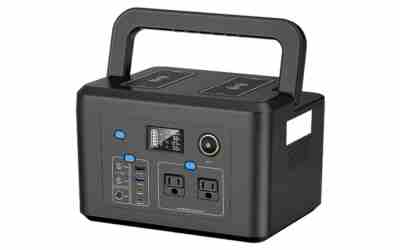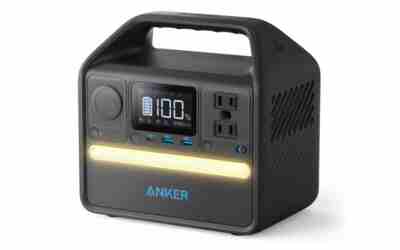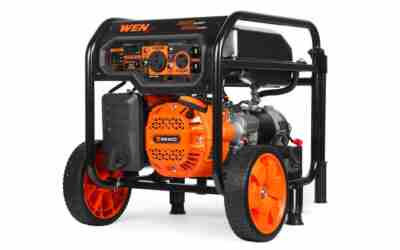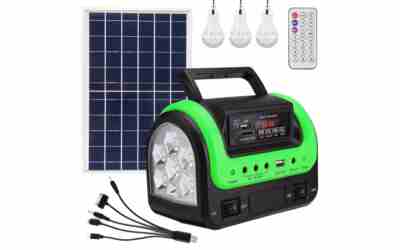

Our editorial team weighed Anker's published specifications and how it stacks up against similar products in the generators category. What stands out: Ultra-Portable at 6.17 lbs, Multiple Recharge Methods, and Durable LiFePO4, Smart Temp Control. Where it falls short: No Wall Charger Included and DC-Only, No AC Inverter. That puts it at 8.5/10 on our WG Score – an excellent, well-rounded option.
 Reviewed byTristan
Power outages, off-grid adventures, or simply needing reliable backup for essential home devices – these situations highlight the critical need for a dependable power source. In October 2026, finding the right portable battery power station for your home has never been more important. Whether you’re preparing for emergencies, planning a camping trip, or looking for a versatile power solution, our guide to the 5 best portable battery power stations for home will help you make an informed decision.
We’ve meticulously analyzed a range of portable power stations, focusing on key features like battery capacity, output versatility, recharge speed, and overall portability. This roundup is designed to help you navigate the options and select a power station that perfectly fits your specific needs, ensuring your home stays powered, no matter what. For other portable power needs, check out our guide on the best CPAP portable power stations.
Pros
- Ultra-portable at 6.17 lbs with compact dimensions for easy travel
- Multiple recharge methods including fast USB-C, solar, and car
- Durable LiFePO4 battery with smart temperature control
- Zero noise operation ideal for camping
- App connectivity for convenient power management
Cons
- No wall charger included, requires separate USB-C PD purchase
- DC-only output with no AC inverter
- Solar input limited to 100W max and specific panel compatibility
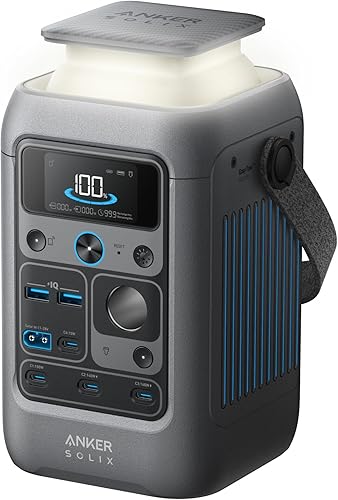
The Anker SOLIX C300 DC is a lightweight portable power station designed for outdoor enthusiasts, campers, travelers, and those preparing for emergencies. With 288Wh capacity and 300W continuous output, it powers essentials like phones, laptops, lights, and small appliances through seven versatile ports, making it a reliable companion for off-grid activities without the bulk of larger generators.
Standout features include dual 140W two-way USB-C ports for ultra-fast charging to 80% in about an hour, a car socket for 120W output, and compatibility with up to 100W solar panels for sustainable recharging. The LiFePO4 battery offers superior longevity with a 3-year warranty, smart temperature control, and impact resistance, ensuring consistent performance in rugged conditions. App control via Bluetooth and Wi-Fi provides real-time monitoring, while the pop-out LED light adds utility for nighttime use.
Its build quality shines in the go-anywhere design: at 4.89 x 4.72 x 7.87 inches and 6.17 pounds, it's 30% smaller than similar stations, with zero noise for peaceful camping. Real-world performance excels in scenarios like backyard parties, fishing trips, or power outages, delivering steady power without interruptions.
Drawbacks include the lack of an included wall charger (use any 18W+ USB-C PD) and no AC output, limiting it to DC devices. Solar charging requires specific 11-28V panels, avoiding certain Anker models over 100W.
Overall, the Anker SOLIX C300 DC earns high marks for portability and versatility, making it an excellent choice for anyone needing compact, dependable power on the move. Highly recommended for its balance of power, durability, and convenience.
Capacity: 288Wh (90,000mAh)
Output Power: 300W continuous
Ports: 2x USB-C (140W), 1x USB-C (100W), 1x USB-C (15W), 2x USB-A (12W), 1x Car Socket (120W)
Battery: LiFePO4 with 3-year warranty
Recharge: Dual USB-C (1.5h to 100%), Solar (100W max), Car (120W)
Dimensions: 4.89 x 4.72 x 7.87 inches
Weight: 6.17 lbs
Connectivity: Bluetooth & Wi-Fi app control

Pros
- Ultra-fast 70-minute AC charging
- High 1600W output handles most appliances
- Durable LiFePO4 battery with 3000+ cycles
- Portable at only 17.2 pounds with foldable solar panel
- 11 outlets including 4 AC for versatile use
Cons
- 17.2 pounds may feel heavy for extended hikes
- Solar charging requires 4.8 hours in optimal sunlight
- No customer reviews yet to confirm real-world longevity
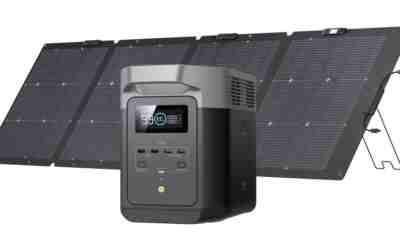
The EF ECOFLOW RIVER 2 Pro is a compact 768Wh portable power station bundled with a 160W solar panel, ideal for campers, RV owners, and anyone needing reliable home backup power. It replaces noisy gas generators with silent, eco-friendly solar energy, offering 1600W output to run 80% of appliances via 11 outlets including four AC ports.
Standout features include lightning-fast 70-minute AC recharging and 4.8-hour solar top-up, powered by a long-lasting LiFePO4 battery good for over 3000 cycles. The advanced BMS monitors voltage, current, and temperature for safety, while the IP68-rated solar panel withstands outdoor abuse with ETFE UV protection. In real-world use, it excels at powering fridges, lights, and tools off-grid without overloads.
Design-wise, the 17.2-pound unit features a built-in handle for easy transport, and the foldable panel packs into its own bag. Build quality feels premium with robust materials, though the weight might challenge ultralight backpackers.
Potential drawbacks include the solar charge time depending on sunlight and its bulk for solo hikers. Overall, the RIVER 2 Pro delivers exceptional value for versatile, portable power, earning a strong recommendation for off-grid adventures.
Brand: EF ECOFLOW
Capacity: 768Wh LiFePO4 Battery
Output: 1600W (800W Continuous)
Weight: 17.2 Pounds
Outlets: 11 Total (4x AC, USB-C, etc.)
Solar Panel: 160W, IP68 Waterproof
Dimensions: 10.5"L x 10.1"W x 8.5"H
Warranty: 5-Year Service

Pros
- Pure sine wave ensures stable, quiet power for electronics
- Versatile 3-way charging keeps you powered on the go
- Lightweight and portable with clear LCD for easy monitoring
- Reliable for CPAP backup and small appliances per user reviews
- Long battery life supports multiple device charges
Cons
- Limited to 300W devices; not for microwaves or heaters
- Solar panel sold separately
- Cooling fan audible during heavy loads
The EnginStar R300 is a compact 296Wh portable power station designed for campers, travelers, RV enthusiasts, and anyone needing reliable emergency backup. Weighing just 6.5 pounds with dimensions of 9 x 5.5 x 7.6 inches, it delivers 300W pure sine wave AC power alongside USB, USB-C, and DC outputs, making it perfect for running CPAP machines, charging laptops, phones, cameras, and small appliances like fans or mini fridges during outages or off-grid trips.
Standout features include its multipport setup for simultaneous charging and three recharging methods: wall outlet in about 7 hours, car charger on the road, or compatible solar panels for true off-grid use. Users praise its real-world performance, powering devices for hours—such as CPAP for 4+ hours or multiple lamps through an 8-hour outage—while the LCD screen provides clear input/output monitoring. Pure sine wave output ensures sensitive electronics run smoothly without damage, and protections against overloads and short circuits add peace of mind.
Build quality is solid for the price, with a durable housing, integrated LED light, and smooth port operation, though it's not fully rugged for extreme wet or dusty conditions without extra protection. Reviewers highlight its value as a UPS replacement and compare it favorably to pricier competitors for flexibility and display clarity.
Drawbacks include the 300W limit excluding high-draw items and the need for a separate solar panel purchase. Fan noise occurs under load, and full recharges take time.
Verdict: A top pick for portable power needs in camping, emergencies, or travel, offering excellent balance of capacity, portability, and safety for everyday off-grid reliability.
Capacity: 296Wh / 80000mAh Lithium-ion
AC Output: 300W / 110V Pure Sine Wave (2 outlets)
Other Outputs: DC 12V/8A, 24V/3A; USB 5V/3.1A (2); USB-C 18W
Weight: 6.5 lb | Dimensions: 9 x 5.5 x 7.6 in
Charging: Wall (7 hrs), Car, Solar (panel separate)
Operating Temp: -4°F to 113°F
Pros
- Highly portable and lightweight for outdoor use
- Versatile ports and passthrough charging handle phones, laptops, CPAP effectively
- Multiple recharging options including efficient solar panel
- Pure sine wave output protects sensitive devices
- Comprehensive display aids in monitoring performance
Cons
- 300W limit excludes high-draw appliances like microwaves
- Ports exposed, requiring protection in wet or dusty conditions
- Runtime around 4 hours for CPAP, not all-night without recharge
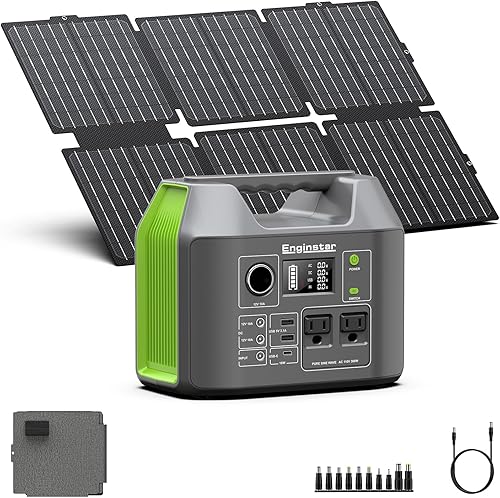
The ENGINSTAR R300 is a compact 300W portable solar generator paired with a 60W foldable monocrystalline solar panel, delivering 296Wh capacity from its lithium battery pack. Ideal for campers, RVers, van lifers, and home emergency backup, it powers phones, laptops, CPAP machines, radios, and small appliances safely via pure sine wave AC outlets.
Standout features include eight output ports for simultaneous charging, three input methods for quick recharges, and a high-efficiency solar panel that folds laptop-sized for easy carry. Users praise its real-world performance: running multiple lamps for 8 hours on minimal battery, supporting CPAP for 4 hours, or acting as a UPS replacement without interruptions. The LCD screen provides detailed input/output data, surpassing competitors in usability.
Build quality is solid with a 6.5-pound lightweight shell, smooth ports, and quiet operation under light loads, though the fan activates during heavy use. Safety systems prevent damage from overloads or shorts, and the battery endures 1000+ cycles. Drawbacks include vulnerability to weather exposure and power limits for intensive needs.
Overall, this power station excels as a reliable, versatile companion for off-grid adventures and outages, offering excellent value with its included solar panel and robust features.
Wattage: 300W (starting and running)
Capacity: 296Wh / 80000mAh
Ports: 2x 110V AC (pure sine wave), DC 12V/24V, USB-A (5V/3.1A), USB-C (18W)
Dimensions: 9.05 x 7.48 x 5.5 inches, 6.5 lbs
Charging: Solar (12-25V, panel included), AC wall, car 12V
Features: Digital display, short circuit protection, super quiet, USB ports
1x ENGINSTAR 300W Portable Power Station, 1x 60W Foldable Solar Panel, 1x AC Charger, 1x Car Charger Cable, 1x 10-in-1 Connector, 4x Hooks, 1x User Manual.
Pros
- Highly portable and compact for easy transport
- Multiple recharging options including solar, wall, and car
- Reliable emergency power as praised in user reviews for phones and small appliances
- Includes all essentials like adapters and manual out of the box
- Built-in protections for safety and longevity
Cons
- Solar charging slows without direct intense sunlight
- Runtime varies and limits high-wattage continuous use like fans for 4-6 hours
- Full recharge takes 5-7 hours depending on method
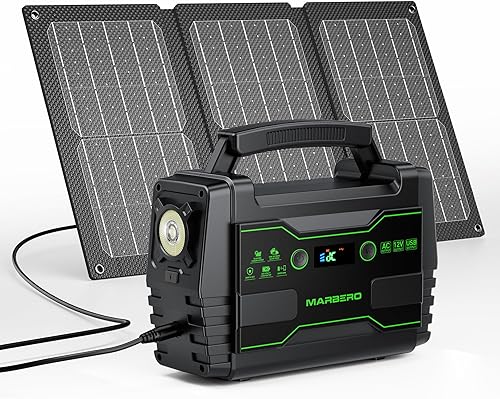
The MARBERO M155SL30 is a compact 155Wh solar generator kit paired with a 30W foldable panel, designed for anyone needing reliable backup power during home blackouts, camping trips, or RV adventures. It excels at powering essentials like phones, laptops, fans, and lights without the noise or bulk of traditional generators, making it perfect for urban dwellers facing outages or outdoor enthusiasts seeking off-grid convenience.
Standout features include two 100W AC outlets (150W peak), QC3.0 USB for rapid device charging, and multiple ports to run several gadgets at once. Users report strong real-world performance, such as keeping phones charged during disasters, powering hotspots and weather stations, or running small fans for hours. The efficient solar panel provides pass-through charging, and flexible recharge via wall, car, or sun keeps it ready anywhere.
Build quality shines with its lightweight 3.7 lb frame, durable ABS material, and intuitive LCD screen for monitoring power flow. The silent fan cooling system ensures quiet use, ideal for sleeping or focused work. Protections against overload, short circuits, and overvoltage add peace of mind.
Drawbacks include slower solar charging on cloudy days and limited runtime for power-hungry devices, requiring manual AC restart after low battery cutoffs. Still, its value as a portable lifesaver outweighs these for most users.
Verdict: A top pick for portable solar power needs, earning high marks for versatility and ease. Ideal if you want lightweight emergency readiness without complexity.
Capacity: 155Wh | AC Output: 2x 100W (150W peak) | USB: 1x QC3.0, 2x Standard | Solar Panel: 30W, 23% efficiency.
Recharge Time: Solar/Wall ~6-7 hours, Car ~7 hours | Weight: 3.7 lbs power station (5.4 lbs total) | Dimensions: 8.34 x 3.62 x 7.4 inches.
Features: Silent fan, LCD display, multiple protections, flashlight. Warranty: 12 months.
Buying Guide for 2026
Battery Capacity (Wh) & Chemistry (LFP/NMC)
The battery capacity, measured in Watt-hours (Wh), determines how long a power station can run your devices. A higher Wh rating means more power and longer runtimes. For home use, consider your typical power needs during an outage or for specific appliances. Battery chemistry is also crucial: Lithium Iron Phosphate (LiFePO4 or LFP) batteries offer superior longevity and safety, typically lasting 3,000+ charge cycles before degrading to 80% capacity. Nickel Manganese Cobalt (NMC) batteries are lighter and more compact but generally have a shorter lifespan. For sustained home backup, LFP is often the preferred choice due to its durability and safety profile.
When evaluating capacity, think about the devices you plan to power. A small power station with 150-300Wh might suffice for charging phones, laptops, and running a small fan. For extended outages or powering larger appliances like a mini-fridge or a CPAP machine, you’ll need a power station with 500Wh or more. Always check the wattage requirements of your devices to ensure the power station can handle the load.
AC Output and Port Versatility
The AC output, measured in Watts, indicates the maximum power a station can deliver to your appliances. Look for pure sine wave AC outlets, as these provide clean, stable power suitable for sensitive electronics like laptops and medical equipment. Many power stations also offer surge capabilities, allowing them to temporarily handle higher wattage devices during startup. Besides AC outlets, consider the variety and number of other ports, including USB-A, USB-C (especially Power Delivery enabled for fast charging), and 12V DC car ports.
The number and type of ports directly impact how many devices you can charge or power simultaneously. For home use, having multiple AC outlets is beneficial for running several small appliances. High-wattage USB-C ports are essential for rapidly charging modern smartphones and laptops. A good selection of ports ensures maximum compatibility and flexibility, making the power station a truly versatile tool for your household needs.
Recharge Speed and Methods
How quickly a portable power station recharges is a critical factor, especially during extended outages or when planning for quick turnarounds between uses. Most power stations can be recharged via a standard wall outlet, a car charger, or solar panels. Fast-charging technology, often seen with AC input or high-wattage USB-C PD, can significantly reduce recharge times, sometimes fully charging a unit in under an hour. This is particularly useful for emergency preparedness, allowing you to top up your power station quickly when electricity is available.
Solar recharging capability is a major advantage for off-grid situations or prolonged power disruptions. Look for power stations that are compatible with solar panels and offer efficient solar input. Some models even come bundled with solar panels, providing a complete, self-sufficient power solution. The ability to recharge from multiple sources adds a layer of resilience, ensuring you can always replenish your power supply. Consider how this impacts your overall preparedness, especially if you’re exploring options like heavy-duty solar generators.
Portability and Form Factor
While designed for home use, the “portable” aspect of these power stations means they should be easy to move when needed. Weight, dimensions, and the presence of sturdy handles all contribute to a unit’s portability. A compact and lightweight design is ideal if you plan to move it between rooms, take it camping, or store it away easily. However, larger capacities often equate to heavier units, so finding a balance between power and portability is key.
Consider where you’ll be using and storing the power station. A sleek, unobtrusive design might be preferred for indoor use, while a rugged, impact-resistant build is better suited for outdoor adventures. Some models feature stackable designs or integrated accessories like LED lights, adding to their utility. The form factor should align with your primary use cases, ensuring it’s both functional and convenient.
Quick Comparison: Side by Side
- – Ultra-Portable at 6.17 lbs.
- – Multiple Recharge Methods.
- – Durable LiFePO4, Smart Temp Control.
- – Ultra-Fast 70-Minute AC Charging.
- – 1600W Output.
- – 3,000+ Cycle LiFePO4 Battery.
- – Pure Sine Wave, Quiet Power.
- – 3-Way Charging.
- – Lightweight, Clear LCD.
- – Highly Portable & Lightweight.
- – Versatile Ports, Pass-Through Charging.
- – Efficient Solar Recharging.
- – Highly Portable & Compact.
- – Multiple Recharging Options.
- – Reliable Emergency Power.
- – No Wall Charger Included.
- – DC-Only, No AC Inverter.
- – 100W Max Solar Input.
- – Heavy for Extended Hikes.
- – 4.8h Solar Recharge Time.
- – No Reviews Yet.
- – 300W Device Limit.
- – Solar Panel Sold Separately.
- – Audible Fan Under Heavy Load.
- – 300W Output Limit.
- – Ports Exposed, Needs Protection.
- – ~4h CPAP Runtime, Not All-Night.
- – Solar Needs Direct Sunlight.
- – Limited High-Wattage Runtime (4-6h).
- – 5-7 Hour Full Recharge.
Why Trust Our Reviews
Our commitment at WikiGenerators.com is to provide you with unbiased and thoroughly researched recommendations. We understand that investing in a portable power station is a significant decision, which is why our review process is built on a foundation of extensive spec analysis and aggregated user feedback. We delve into product specifications, performance metrics, and the latest technological advancements to ensure our insights are accurate and relevant.
We synthesize a vast amount of customer reviews and expert opinions to highlight real-world performance and user satisfaction. Our goal is to present a comprehensive picture of each product’s strengths and weaknesses, allowing you to choose with confidence. As an Amazon affiliate, we may earn from qualifying purchases, but this never influences our editorial integrity or product selections. Our primary focus remains on delivering objective, helpful information to our readers.
Our Final Picks for 2026
Best Overall: EcoFlow RIVER 2 Pro 768Wh Solar Generator + 160W Panel – 70-Min Fast Charge, 1600W Output, LiFePO4 for Camping, RV, Home Backup
The EcoFlow RIVER 2 Pro stands out for its impressive 768Wh capacity and rapid 70-minute recharge time to 80%, making it ideal for home backup and demanding outdoor use. Its LiFePO4 battery ensures long-term durability, and the included 160W portable solar panel offers excellent off-grid recharging capabilities. With a 1600W output and 11 outlets, it can power a wide range of appliances, from essential home devices to RV equipment.
View on Amazon.comBest Value: EnginStar R300 296Wh Portable Solar Generator – 300W Pure Sine Wave Power Station for CPAP, Camping, Emergencies
For those seeking a budget-friendly yet capable option, the EnginStar R300 offers a 296Wh capacity and 300W pure sine wave AC output, suitable for smaller devices and CPAP machines. Its compact 6.5lb design and multiple charging methods, including solar, make it a versatile choice for camping, emergencies, or light home use. This model provides superior protection with its smart battery management system, ensuring reliable power when you need it most.
View on Amazon.comBest for Travel & Emergencies: Anker SOLIX C300 DC 288Wh Portable Power Station: 300W LiFePO4 Solar Generator for Camping, Travel & Emergencies
The Anker SOLIX C300 is an excellent choice for those prioritizing portability and fast charging for on-the-go power needs. With 288Wh capacity and a 300W output, it can charge multiple devices simultaneously using its 7 versatile ports, including dual 140W USB-C ports for ultra-fast recharging. Its LiFePO4 battery ensures durability, and the compact design, 30% smaller than similar stations, makes it perfect for camping, traveling, and unexpected emergencies. For similar compact solutions, consider options like portable generators with covers for running.
View on Amazon.comFrequently Asked Questions
Which portable battery power stations for home should I buy in 2026?
The best portable battery power stations for home for you depends on your specific needs. Consider factors like battery capacity (Wh), continuous AC output (Watts), recharge speed, and the types of ports available. For heavy home backup, look for higher capacity and output. For portability and lighter use, a smaller, more compact unit might be ideal. Reviewing the buying guide sections on battery capacity and AC output can help you narrow down your choices based on your intended use.
How long can a portable battery power station power my home?
The duration a portable power station can power your home depends entirely on its battery capacity (Wh) and the power consumption of the devices you’re running. To estimate, divide the power station’s Wh by the total wattage of your connected devices. For example, a 500Wh station running a 50W device would last approximately 10 hours. Higher capacity units will naturally provide longer runtimes for essential home appliances.
Are portable battery power stations safe for indoor use?
Yes, unlike traditional gasoline generators, portable battery power stations are generally safe for indoor use. They produce no harmful fumes or loud noise. However, always ensure proper ventilation, especially if the unit has active cooling fans, and follow the manufacturer’s safety guidelines. Their quiet operation makes them perfect for powering sensitive electronics or for use during nighttime outages without disturbance.
Can I charge a portable power station with solar panels?
Many portable battery power stations are designed with solar charging capabilities. This allows you to replenish the battery using compatible solar panels, making them excellent for off-grid living, camping, or prolonged power outages. Always check the power station’s specifications for its maximum solar input wattage and recommended panel types to ensure efficient charging. This feature enhances the versatility and sustainability of your power solution, similar to how solar generators provide renewable energy.