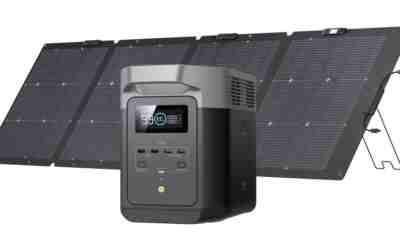
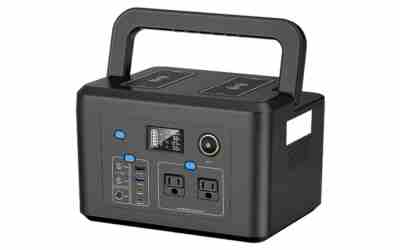
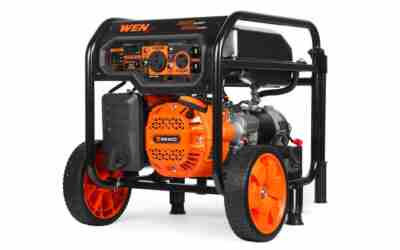
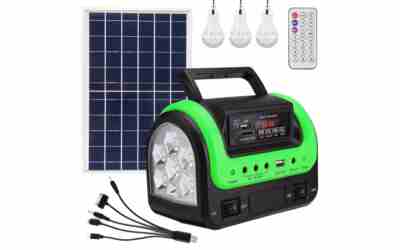
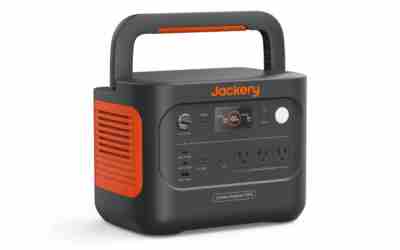
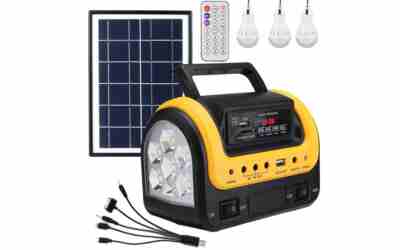
Our editorial team weighed Apowking's published specifications and how it stacks up against similar products in the generators category. What stands out: Lightweight at 3.3 lbs, Includes 40W Solar Panel & Cables, and Multiple Fast-Charging Ports. Where it falls short: May Underperform in Low Light and 100W Continuous Limit. That puts it at 7.9/10 on our WG Score – a solid, dependable choice.
 Reviewed byTristan
How much power do you actually need for your portable devices and home backup? The ideal portable power station capacity depends entirely on your intended use, ranging from small units perfect for charging phones and laptops to larger ones capable of running essential home appliances during an outage. Consider the total wattage of the devices you plan to power and their run time requirements to select a unit with sufficient watt-hours (Wh) capacity and AC output.
For more options suitable for specific needs, explore our guide to the best CPAP portable power stations.
What to Know Before Choosing Portable Power Stations
What battery type offers the best longevity?
When investing in a portable power station, the battery chemistry is a crucial factor for long-term reliability. Many top models, including those from Anker, EcoFlow, and Jackery, utilize LiFePO4 (Lithium Iron Phosphate) batteries. This type of battery is known for its extended lifespan, often providing 3,000 to 4,000 charge cycles while maintaining at least 80% of its original capacity. This means you can expect years of consistent performance, making them a cost-effective choice over time for frequent use in camping, RVs, or home backup scenarios.
How fast can these power stations recharge?
Recharge speed is a significant convenience factor, especially when you need power quickly. Many modern portable power stations boast rapid charging capabilities, often reaching a full charge in as little as one hour using a standard AC outlet. Some units, like the Anker SOLIX C1000 Gen 2, feature advanced technology like HyperFlash for ultra-fast recharging at 1,600W. Solar recharging times vary based on the solar panel wattage and sunlight conditions, with some models achieving a full charge in under two hours with optimal solar input.
Can a portable power station really run home appliances?
Yes, many portable power stations are designed to run a variety of home appliances, particularly essential ones during power outages or for off-grid living. Units with 1000W output or more can typically handle items like mini-fridges, lamps, CPAP machines, and laptops. Larger models with 1500W or 2000W AC output and higher surge peaks (e.g., 3000W) can even power some larger appliances like electric pots or AC units. Always check the power station’s continuous output wattage and surge capacity against your appliance’s requirements to ensure compatibility.
Pros
- Ultra-fast charging and high output praised in reviews for camping and outages
- Quiet operation even under load, ideal for indoor and nighttime use
- Intuitive app for monitoring, UPS, and custom settings enhances control
- Sturdy build powers fridges, heaters, and appliances reliably
- Multiple ports and fast solar compatibility for off-grid flexibility
Cons
- No battery expansion option prioritizes portability over scalability
- Charging slows below 20°C, delaying ultra-fast mode in cold conditions
- Not suited for high inrush devices like compressors or pumps
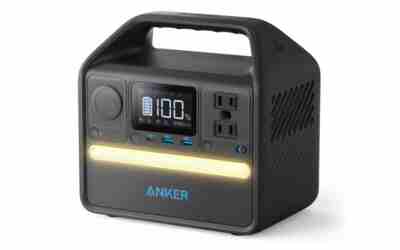
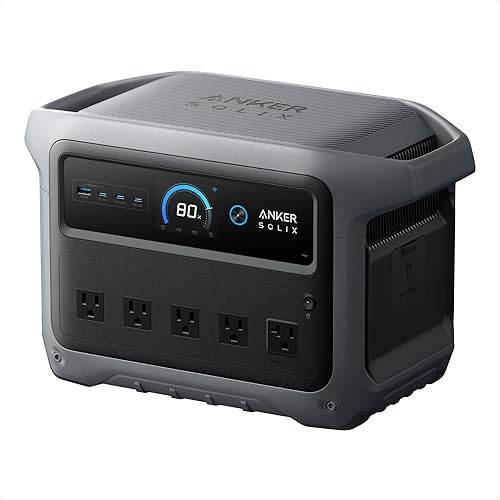
The Anker SOLIX C1000 Gen 2 is a versatile 1024Wh portable power station designed for campers, RV enthusiasts, home backup users, and anyone needing reliable off-grid power. With 2000W continuous output and a 3000W surge, it powers essentials like refrigerators, CPAP machines, laptops, and even microwaves, making it perfect for outages, tailgating, or remote work.
Standout features include 49-minute ultra-fast AC recharging via HyperFlash technology and 1.8-hour solar input up to 600W, allowing quick top-ups for extended adventures. Reviewers highlight its real-world performance: running fridges for days, boiling kettles on camping trips, and seamless UPS switchover under 10ms to prevent device interruptions. The app enables TOU mode for cost savings and detailed monitoring, even offline.
Build quality impresses with a compact 15.1 x 8.2 x 9.6-inch frame that's 14% smaller and 11% lighter than competitors, complete with handles for easy transport. It operates quietly under moderate loads, with a bright LCD and robust ports including multiple AC, USB-C, and car outlets. The LiFePO4 battery ensures safety and a 10-year lifespan after 4000 cycles.
Drawbacks include no expansion capability for those needing more capacity, slower charging in temperatures below 20°C, and unsuitability for devices with high startup surges like pumps. At 24.9 pounds, it's portable but not ultralight for long hikes.
Overall, the C1000 Gen 2 excels as a fast-charging, portable powerhouse for everyday backups and adventures, earning high praise for reliability and value. Ideal if you prioritize speed and mobility over massive scalability.
Capacity: 1024Wh LiFePO4 battery
Output: 2000W continuous, 3000W peak surge
Ports: 10 total (multiple AC, USB-C, USB-A, car outlet)
Recharge: 49 min AC (1600W max), 1.8 hrs solar (600W max)
Dimensions & Weight: 15.1 x 8.2 x 9.6 inches, 24.9 lbs
Warranty: 5 years, with 10-year battery lifespan
Users rave about powering refrigerators overnight, running diesel heaters on 5-day camping trips, and seamless UPS for networks during outages. Many note its quiet fans, sturdy build, and app features like storm guard and customizable limits.
Campers appreciate the portability for essentials like kettles and lights, while home users value fast recharges and TOU savings. Consistent 5-star feedback on value, especially on sale.
Pros
- Lightning-fast 1-hour AC charging and efficient solar input
- Reliable UPS performance tested with computers and CPAP machines
- Powers real-world loads like arcade cabinets, fans, and heaters for hours
- Durable LiFePO4 cells with 3000+ cycles for long-term reliability
- Versatile 11 ports cover all devices from phones to small appliances
Cons
- DC outputs may overload on certain low-draw setups initially
- Fan noise becomes noticeable under heavy loads
- Solar charging time varies with sunlight conditions
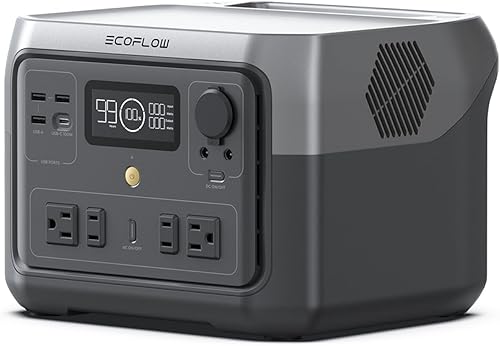
The EcoFlow River 2 Max 500 is a compact portable power station designed for outdoor enthusiasts, RV travelers, and anyone needing reliable home backup power. With a 499Wh LiFePO4 battery, it excels at providing clean, stable energy for camping trips, emergencies, or daily use without the noise and fumes of traditional generators.
Standout features include 1-hour AC fast charging, up to 1000W X-Boost output to run 11 devices simultaneously, and rapid 2.3-hour solar recharge. Real-world tests from users show it powering arcade machines for 17 hours, CPAP units all night, turbo heaters for 2 hours, and even astrophotography gear flawlessly after firmware updates. The UPS mode switches to battery in under 30ms, protecting sensitive electronics like computers during outages.
Build quality is premium with a sturdy, lightweight 13.3 lb design, side handle for easy transport, and intuitive app control for monitoring. The pure sine wave inverter ensures compatibility with a wide range of appliances, from blenders to laptops.
Minor drawbacks include occasional DC output sensitivity requiring troubleshooting and fan noise under load, though customer service resolves issues promptly with replacements. Solar performance depends on conditions, but pass-through charging adds versatility.
Overall, the River 2 Max 500 delivers exceptional value for portable power needs, earning high praise for reliability and speed. Ideal if you want a future-proof solar generator that punches above its size.
Capacity: 499Wh LiFePO4 Battery
Output: Up to 1000W (X-Boost), 11 Ports (AC, USB-A/C, DC)
Charging: 1 Hour AC, 2.3 Hours Solar (220W max)
Dimensions: 10.6 x 10.2 x 7.7 inches, 13.3 lbs
Other: UPS <30ms, App Control, 5-Year Warranty

Pros
- Exceptional battery lifespan with 3000+ cycles
- Rapid charging speeds from multiple sources
- High 1000W output for multiple devices
- Portable and weatherproof build
- Complete kit with cables and case included
Cons
- Ships in separate packages, requiring patience for full delivery
- Weighs 28.6 pounds, less ideal for ultra-light backpacking
- Requires separate handling for optimal solar positioning
The EcoFlow River 2 Max Solar Generator is a compact 512Wh LiFePO4 power station paired with a 160W portable solar panel, designed for campers, RVers, outdoor enthusiasts, and those seeking reliable home backup power. It replaces noisy gas generators with clean, silent renewable energy, recharging via solar in as little as 4 hours or AC outlet in 60 minutes.
Standout features include a 1000W output capable of running 11 devices simultaneously, covering 80% of typical home appliances like fridges, lights, and tools. The LiFePO4 battery delivers over 3000 charge cycles for nearly a decade of use, while the IP68-rated solar panel ensures weatherproof performance in rain or shine. Real-world use shines in off-grid scenarios, with fast top-ups from car outlets or USB-C for extended trips.
Build quality impresses with a lightweight, travel-friendly design at 10.6 x 10.2 x 7.7 inches and durable construction that handles high temperatures safely. The folding panel with kickstand sets up easily anywhere, making it a true grab-and-go companion.
Potential drawbacks include separate shipping of components and a 28.6-pound total weight, which may feel hefty for solo backpackers. Solar efficiency depends on sunlight, so cloudy days extend recharge times.
Overall, the River 2 Max excels as a long-lasting, versatile power solution. Verdict: Highly recommended for anyone prioritizing portability, durability, and eco-friendly energy.
Product Dimensions: 10.6 x 10.2 x 7.7 inches
Item Weight: 28.6 pounds
Manufacturer: EF ECOFLOW
ASIN: B0BR5NM8L4
Item Model Number: EFR610
Batteries: 1 Lithium Ion (included)
Voltage: 120 Volts
Battery Cell Composition: Lithium Ion
Special Features: Durable, Portable
Color: Black
Pros
- Exceptionally fast 1-hour charging keeps you powered without downtime
- Whisper-quiet operation ideal for camping and home backup
- Proven reliability in real-world tests like powering radios, heaters, and fridges for hours
- Portable and easy to store with compact build and long battery lifespan
- Versatile ports charge laptops, phones, and appliances simultaneously
Cons
- Solar panel requires frequent realignment to sun for optimal input, dropping efficiency if misaligned
- Panel sags in the middle without support, reducing output until propped up
- Runtime limited for continuous high-wattage devices like large heaters beyond short bursts
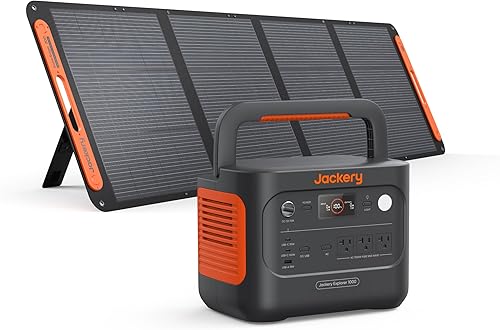
The Jackery Explorer 1000 v2 solar generator kit combines a 1070Wh LiFePO4 portable power station with a 200W solar panel, delivering 1500W AC output and up to 3000W surge. Weighing just 23.8 pounds with a foldable handle, it suits campers, RVers, off-grid enthusiasts, and anyone needing emergency backup power for essentials like fridges, microwaves, and CPAP machines.
Standout features include ChargeShield 2.0 for safe, rapid recharging—full in 1 hour via app emergency mode or 1.7 hours standard—and a battery lasting over 10 years with 4000 cycles. Users praise its real-world performance: powering home theaters for 45 hours, ham radios for 5+ hours, and campers during outages or storms. The app enables quiet 30dB overnight charging and efficiency modes, while versatile ports (3 AC, 2 USB-C 100W, USB-A, DC) handle multiple devices effortlessly.
Build quality shines with a durable, compact design (12.87 x 8.82 x 9.72 inches) using recyclable packaging and carbon-verified eco-friendliness. Reviewers highlight its silence versus gas generators, easy setup, and portability for trailers or closets. The solar panel folds for travel but excels in full sun, recharging fully in 4-5 hours on partly cloudy days when adjusted properly.
Drawbacks include the solar panel's need for constant sun alignment via its level bubble, as slight misalignment halves input to 50-100W. The panel sags centrally without propping, impacting efficiency, and high loads like 2000W heaters drain capacity quickly. Not ideal as a full UPS for sensitive electronics or primary solar reliance without maintenance.
Overall, this kit earns high marks for innovation and reliability in portable power. Buy it for versatile off-grid adventures or peace of mind during blackouts—its fast charge, longevity, and power make it a top choice despite minor solar tweaks.
Capacity: 1070Wh LiFePO4 battery
Output: 1500W continuous AC (3000W surge), 100W USB-C PD, 3x AC outlets, USB-A, DC car port
Charging: 1hr fast AC (app-enabled), solar via 200W panel, car DC
Weight/Dimensions: 23.8 lbs, 12.87"L x 8.82"W x 9.72"H
Warranty: 5 years; Battery life: 10+ years (4000 cycles)
Versus Explorer 2000 v2: Half the capacity (1070Wh vs 2042Wh) but lower price, lighter weight, ideal for lighter loads like projectors (7.6hrs) or rice cookers (2.7hrs).
Outperforms gas generators in silence and portability; runs fridges 37hrs (low draw), kettles 1hr, microwaves 48mins.
Carbon footprint verified by TÜV SÜD, with 100% recyclable packaging for eco-conscious users.

Pros
- Lightweight and portable at 3.3lbs, easy to carry for camping or emergencies
- Includes 40W foldable solar panel and all cables for immediate use
- Multiple fast-charging USB ports and AC/DC outputs handle diverse devices
- Built-in flashlight with SOS adds emergency utility
- Positive feedback on quick customer service and real-world charging performance
Cons
- Solar panel may underperform in low-light conditions or with incompatible generators
- Limited to 100W continuous power, not for high-wattage appliances
- Occasional reports of unit charging issues after extended use
The Apowking R100 is a compact 146Wh portable solar generator designed for campers, RV enthusiasts, and anyone needing reliable backup power during outages or off-grid adventures. Paired with a 40W foldable solar panel, it offers versatile charging for essentials like phones, laptops, tablets, fans, and lights, making it ideal for short trips or emergency kits rather than whole-home backup.
Standout features include seven output ports: two 110V AC outlets (100W rated, 200W peak), multiple USB options with quick charge, and a DC port for car accessories. Users praise its real-world performance, like fast phone charging via solar on sunny days and full recharges in a few hours from AC or car. The built-in dual LED flashlight with SOS mode proves handy for nighttime emergencies, while the BMS ensures safe operation with temperature and voltage control.
Build quality impresses with a sturdy, lightweight 3.3lb body and cooling vents to prevent overheating. The digital display shows battery status clearly, and its backpack-friendly size enhances portability. Most reviews highlight excellent value, though some note slower solar input in shade and minor compatibility quirks with other panels.
Drawbacks include power limits that exclude heavy appliances and isolated complaints about solar efficiency or longevity. Overall, this generator is a budget-friendly, feature-packed choice for portable power needs.
Verdict: Buy the Apowking R100 if you want an affordable, all-in-one solar solution for daily essentials during camping or blackouts. It's not for high-demand use but excels where convenience and solar readiness matter.
Capacity: 146Wh / 39600mAh Lithium Ion
Output: 100W Rated / 200W Peak; 2x AC 110V, USB-A/C ports, 1x DC 9-12.6V/10A
Input: Solar (40W panel included), AC adapter, Car charger
Weight: 3.3 pounds; Dimensions: 7.6 x 3.7 x 6.1 inches
Extras: Dual LED flashlight (3 modes), BMS safety, 1-year warranty
Apowking 146Wh solar generator, 40W solar panel, AC power adapter, car charging cable, carport output cable, user manuals (2).
Buying Guide for 2026
Understanding Capacity and Output
When selecting a portable power station, two key specifications to consider are its capacity, measured in Watt-hours (Wh), and its AC output, measured in Watts (W). The capacity tells you how much energy the battery can store, directly impacting how long it can power your devices. For example, a 1024Wh unit like the Anker SOLIX C1000 Gen 2 could theoretically power a 100W device for over 10 hours (1024 Wh / 100 W = 10.24 hours). The AC output, on the other hand, indicates the maximum wattage of devices it can run simultaneously. If you plan to power multiple small electronics, a lower output might suffice, but for larger appliances, look for higher continuous output and peak surge capabilities.
For more insights into different generator types, you might find our article on low THD portable generators helpful.
Charging Versatility and Speed
The flexibility of charging options and the speed at which a power station recharges are vital for convenience. Look for models that offer multiple input methods, such as AC wall outlets, car chargers, and solar panel compatibility. Fast charging technologies, like those seen in EcoFlow and Jackery models, can fully replenish a battery in as little as an hour, which is incredibly useful for last-minute preparations or quick turnarounds during extended trips. Solar charging is an excellent feature for off-grid use, allowing you to harness renewable energy and extend your power supply indefinitely, provided you have adequate sunlight and compatible solar panels.
Portability and Durability for Your Adventures
Since these are portable power stations, their size, weight, and build quality are significant considerations. If you intend to carry it on hikes or frequently move it between locations, a lighter, more compact design will be beneficial. Models like the EcoFlow River 2 Max 500, weighing just 13.3 lbs, are designed for easy transport. Durability is also key, especially for outdoor use. Many units feature robust construction and advanced battery management systems (BMS) for protection against voltage fluctuations, overheating, and short-circuiting, ensuring reliable performance in various environments.
Our Final Picks for 2026
Best Overall: Anker SOLIX C1000 Gen 2 Portable Power Station: 2000W Solar Generator, 1024Wh LiFePO4, 49-Min Fast Charge for Camping, Home Backup
The Anker SOLIX C1000 Gen 2 stands out with its impressive 1,024Wh capacity and a powerful 2,000W (3,000W peak) output, making it versatile for home backup, camping, and remote work. Its HyperFlash technology allows for an ultra-fast 49-minute recharge, and with LiFePO4 batteries, it promises a 10-year lifespan. The unit is also notably compact and lighter than many comparable models, offering excellent portability for its power class.
Skip this if: You need an integrated solar panel right out of the box, as it’s an optional accessory.
View on Amazon.comBest Value: EcoFlow River 2 Max 500 Portable Power Station: 499Wh LiFePO4 Battery, 1Hr Fast Charge, 1000W Output Solar Generator for Camping RV Home
The EcoFlow River 2 Max 500 offers a compelling balance of features and affordability. With a 499Wh LiFePO4 battery, it delivers up to 1000W output and recharges fully in just 1 hour via AC. Its lightweight design (13.3 lbs) makes it highly portable for outdoor adventures, and the LiFePO4 battery ensures over 10 years of use, making it a smart long-term investment for essential power needs.
Skip this if: You require a significantly higher capacity for prolonged home backup of multiple large appliances.
View on Amazon.comBest for Integrated Solar Power: Jackery Explorer 1000 v2 Solar Generator with 200W Panel: 1070Wh LiFePO4, 1500W Output, 1Hr Fast Charge for Camping, RV, Emergencies
The Jackery Explorer 1000 v2 is an excellent choice for those prioritizing integrated solar charging, coming bundled with a 200W solar panel. It features a 1070Wh LiFePO4 battery and a 1500W AC output, capable of powering various appliances. Its 1-hour fast charging (with emergency mode via app) and 10-year lifespan battery make it a reliable companion for off-grid living, RV trips, and emergency preparedness.
Skip this if: You already own compatible solar panels and only need the power station itself, or prefer a smaller, lighter setup without a bundled panel.
View on Amazon.comWhy Trust Our Reviews
Our goal at WikiGenerators.com is to provide clear, unbiased, and helpful information to guide your purchasing decisions. We meticulously analyze product specifications, key features, and user feedback to identify the strengths and ideal use cases for each portable power station. Our recommendations are based on a thorough understanding of the market and what consumers truly need from these devices.
We do not engage in hands-on testing, but rather aggregate and interpret the vast amount of data available to present you with well-researched comparisons. This approach allows us to cover a wider range of products and provide up-to-date insights, ensuring you can make an informed choice for your specific power needs.
Frequently Asked Questions
What is the typical lifespan of a portable power station battery?
Most high-quality portable power stations, especially those using LiFePO4 batteries, are designed for long lifespans. You can generally expect 3,000 to 4,000 charge cycles before the battery capacity degrades to around 80% of its original state. This often translates to 10 years or more of regular use, depending on how frequently you cycle the battery.
Can I use solar panels from a different brand with my portable power station?
Often, yes, but it’s crucial to check compatibility. You need to match the voltage and connector types (e.g., MC4) between the solar panel and the power station. While many brands offer their own solar panels, many power stations are designed to be compatible with universal solar connectors, allowing for flexibility. Always consult your power station’s manual for specific input requirements.
Are portable power stations safe to use indoors?
Yes, portable power stations are generally safe for indoor use because they run on batteries and do not emit fumes like gasoline-powered generators. They operate quietly and are designed with safety features such as Battery Management Systems (BMS) to prevent overcharging, overheating, and short circuits. This makes them ideal for home backup, apartments, or any indoor environment where traditional generators would be unsafe.
How do I determine the right size power station for my needs?
To determine the right size, list all the devices you plan to power and their wattage (W) requirements. Then, estimate how long you need to run each device. Multiply the wattage by the hours to get the total Watt-hours (Wh) needed. Choose a power station with a Wh capacity greater than your estimated total. Also, ensure the power station’s continuous AC output (W) can handle the combined wattage of all devices you plan to run simultaneously. For more on selecting the right unit, see our guide on portable generators for refrigerators.
Quick Comparison: Side by Side
- – Ultra-Fast Charging, High Output.
- – Quiet Under Load, Indoor-Friendly.
- – Intuitive App With UPS Controls.
- – Lightning-Fast 1-Hour AC Charging.
- – Reliable UPS Performance.
- – Powers Real-World Loads for Hours.
- – 3,000+ Cycle Battery Lifespan.
- – Rapid Multi-Source Charging.
- – 1000W Output.
- – Fast 1-Hour Charging.
- – Whisper-Quiet Operation.
- – Proven Real-World Reliability.
- – Lightweight at 3.3 lbs.
- – Includes 40W Solar Panel & Cables.
- – Multiple Fast-Charging Ports.
- – No Battery Expansion Option.
- – Slower Charging Below 20°C.
- – Not for High-Inrush Devices.
- – May Overload on Low-Draw Setups.
- – Audible Fan Under Heavy Load.
- – Solar Time Varies With Sunlight.
- – Ships in Separate Packages.
- – Heavy at 28.6 lbs.
- – Needs Separate Solar Positioning.
- – Needs Frequent Solar Realignment.
- – Panel Sags Without Support.
- – Limited Runtime on Heavy Loads.
- – May Underperform in Low Light.
- – 100W Continuous Limit.
- – Occasional Charging Issues Over Time.