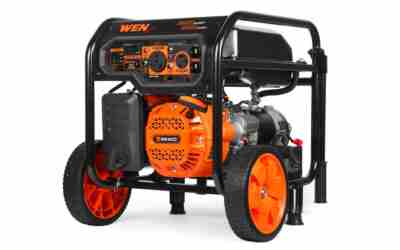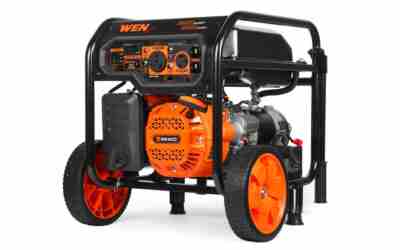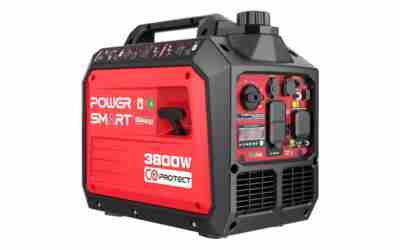

Our editorial team weighed WEN's published specifications and how it stacks up against similar products in the generators category. What stands out: Ultra-Quiet & Lightweight, Reliable Cold-Weather Starts, and Clean Power for Electronics. Where it falls short: Oil Change Every 25 Hours and Minor Oil Burn Risk. That puts it at 8.4/10 on our WG Score – an excellent, well-rounded option.
 Reviewed byDaniel
Choosing the right generator for full-time RV living can be a complex decision, often hinging on a single crucial question: how much power do you actually need to sustain your lifestyle on the road? The answer largely depends on whether you plan to run high-demand appliances like air conditioners or simply power essentials such as lights, charging devices, and small kitchen gadgets. Understanding your power requirements is the first step to selecting a generator that provides reliable and sufficient electricity without excess.
For those living the RV life, a generator is more than just a convenience; it’s a necessity for off-grid adventures and reliable power when hookups aren’t available. Our guide to the best generators to run a 30 amp RV covers options that can handle everything from basic needs to running your RV’s air conditioning.
What to Know Before Choosing Generators For Full-time RV
What power output do I truly need for my RV?
When selecting a generator for full-time RV use, a common concern is matching the generator’s power output to your RV’s demands. Many RVs, especially those with 30-amp service, require at least 3000-4000 running watts to comfortably operate major appliances like air conditioners, microwaves, or electric water heaters. However, if your needs are simpler, focusing on charging devices, running lights, and a small refrigerator, a generator with 1500-2500 running watts might suffice. It’s crucial to list all the appliances you plan to use simultaneously and calculate their combined wattage to avoid underpowering your setup.
How important is noise level for full-time RVing?
The noise level of a generator is a significant factor for full-time RVers, particularly if you frequent campgrounds with strict noise ordinances or value a peaceful environment. Inverter generators are generally much quieter than conventional models, often operating below 60 dBA. For example, the WEN 56235i operates at an extremely quiet level, comparable to a normal conversation. A generator that is too loud can detract from your outdoor experience and potentially disturb neighbors. Prioritizing a quieter model often leads to a more enjoyable and compliant RV experience.
Should I choose a dual fuel or gasoline-only generator?
The choice between a dual fuel and a gasoline-only generator impacts both convenience and fuel flexibility. Dual fuel generators, like the Westinghouse iGen5000DF, offer the advantage of running on either gasoline or propane. Propane has a longer shelf life and burns cleaner, reducing engine maintenance, while gasoline is often more readily available. This versatility can be a lifesaver when one fuel type is scarce or when you prefer the specific benefits of another. For full-time RVers, having multiple fuel options can provide greater peace of mind and adaptability in various locations.

Pros
- Ultra-quiet 52 dBA operation
- Exceptional 18-hour fuel efficiency
- Clean power safe for electronics
- Versatile outlets including RV 30A
- Multiple easy start options
Cons
- May have residual oil or fuel odor from factory testing
- Propane tank and hose sold separately
- Runtime shortens under heavy loads
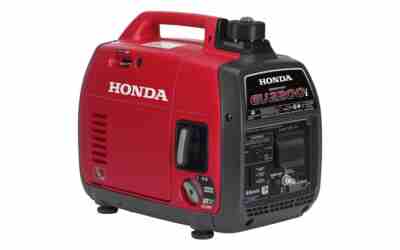
The Westinghouse iGen5000DF is a high-performance dual fuel inverter generator offering 5000 peak watts and 3900 running watts, perfect for RVers, campers, tailgaters, and homeowners needing reliable backup power. Its ability to run on gasoline or propane provides unmatched versatility for remote locations or emergencies, while the RV-ready TT-30R outlet and household duplex outlets cover all camping and home essentials.
Standout features include a whisper-quiet 52 dBA operation, economy mode for up to 18 hours on a 3.4-gallon gas tank, and less than 3% THD for safe operation of sensitive electronics like laptops and TVs. The LED data center rotates to display fuel level, runtime, voltage, and hours, keeping you informed. Remote electric start with key fob and recoil backup ensure effortless ignition every time.
Built with a lightweight, compact design featuring wheels and an extendable suitcase-style handle, it moves easily despite its power. EPA compliant with a 3-year warranty and lifetime support, it emphasizes durability and user peace of mind. Real-world performance shines in fuel efficiency and clean power delivery.
Potential drawbacks include a possible factory residual odor and the need for separate propane accessories. Overall, the iGen5000DF excels as a portable powerhouse, earning top marks for quiet, efficient, and versatile operation. Highly recommended for anyone prioritizing convenience and reliability.
Power: 5000 Peak Watts, 3900 Rated Watts, <3% THD
Fuel: Dual Fuel (Gasoline 3.4 gal / Propane), Up to 18 Hours Runtime
Noise: 52 dBA
Outlets: TT-30R RV, 120V 20A Duplex, 2 USB
Starts: Remote Electric, Push-Button Electric, Recoil
Features: Parallel Capable, LED Data Center, Wheels & Handle

Pros
- Ultra-quiet and lightweight for hassle-free camping and RV use
- Reliable first or second pull starts, even in 16°F cold
- Clean power handles microwaves, heaters, and electronics effortlessly
- Fuel-efficient with long runtime and easy maintenance features
- Durable build backed by two-year warranty
Cons
- Requires oil changes every 25 hours of use
- May burn a small amount of oil during operation
- Harder to start after prolonged storage without fuel drain
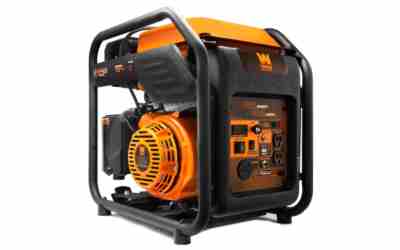
The WEN 56235i is a compact 2350-watt portable inverter generator designed for campers, RVers, tailgaters, and homeowners seeking reliable backup power without the racket of traditional generators. At just 39 pounds, it delivers 1900 rated watts of clean energy via a pure sine wave output, making it safe for charging laptops, tablets, phones, and running appliances like microwaves or small heaters.
Standout features include ultra-quiet 51 dB operation at quarter load, comparable to a normal conversation, and a fuel shut-off that uses up carburetor fuel before shutdown to fight clogs and extend life. Real-world performance shines in reviews: users report first-pull starts in freezing 16°F weather, seamless powering of RV microwaves and heaters, and eco-mode efficiency yielding over 5.7 hours at half load on one gallon. Parallel connection with another unit boosts power for bigger needs.
Build quality reflects WEN's decades of tool expertise, with a lightweight metal and plastic frame, intuitive panel with multiple outlets (two 120V, 12V DC, two USB), and safeguards like low-oil shutdown and overload protection. The 79cc 4-stroke engine is electronic ignition for easy starts, though oil changes every 25 hours are needed.
Minor drawbacks include slight oil consumption noted by some and occasional hard starts after months of storage, but proper maintenance mitigates these. Overall, it offers Honda-like quietness at a fraction of the cost.
Verdict: Excellent value for quiet, portable power. Ideal for anyone prioritizing convenience, reliability, and clean energy over heavy-duty commercial use.
Power: 2350 surge watts / 1900 running watts, 120V, 60 Hz
Engine: 79cc 4-stroke OHV, electronic ignition
Fuel & Runtime: Gasoline, 1-gallon tank, up to 10 hours
Outlets: 2x 120V 20A, 1x 12V DC 8.3A, 2x 5V USB (5 total)
Dimensions & Weight: 17.3 x 11.5 x 17.5 inches, 39 pounds
Noise Level: 51 dB at quarter load
Warranty: Two-year limited

Pros
- Highly portable with handle and low 37.5 lb weight
- Extended 5-hour runtime reduces refueling needs
- Versatile outlets for multiple devices
- Compact size fits easily in vehicles for camping
- Strong power output for its class
Cons
- Requires non-leaded gasoline and oil mixture for 2-stroke engine
- Recoil start demands manual effort
- Not rated for high-draw appliances like AC units
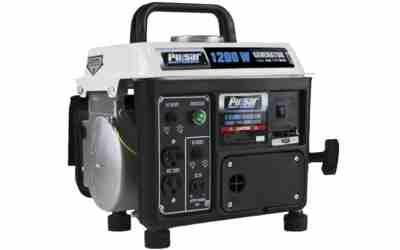
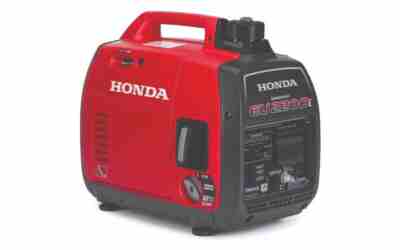
The Pulsar PG1202SA is a gas-powered portable generator delivering 1200 peak watts and 900 running watts, designed for campers, outdoor enthusiasts, and homeowners seeking backup power. Its single-cylinder 2-stroke engine with recoil start powers tools, lights, and chargers via two 120V outlets and one 12V DC output, making it perfect for recreation or light residential use.
Standout performance comes from the 1.1-gallon fuel tank, offering up to 5 hours of continuous operation at half load, which keeps devices running through long evenings at the campsite without frequent refills. The compact, durable build with a carrying handle enhances portability, allowing users to haul it easily to remote locations.
Build quality shines in its rugged yet lightweight 37.5-pound frame, ideal for tossing in a truck bed or RV. However, the 2-stroke engine needs a gasoline-oil mix, and recoil starting requires some pull strength, while it's not suited for power-hungry items like air conditioners.
Overall, the PG1202SA excels as an affordable, reliable choice for portable power needs, earning its place for anyone prioritizing convenience and runtime in outdoor settings. Verdict: Highly recommended for camping and emergencies.
Brand: Pulsar
Wattage: 1000 watts
Fuel Type: Non-leaded gasoline and oil mixture
Power Source: Gas-powered
Recommended Uses: Camping, Residential
Item Weight: 37.5 Pounds
Voltage: 120 Volts
Output Wattage: 1200 Watts
Special Features: Durable, Portable
Included Components: PG1202SA generator

Pros
- Compact and highly portable at under 40 lbs
- Multiple outlets including AC and DC for flexibility
- EPA compliant for legal outdoor use
Cons
- Requires manual oil-fuel mixing for 2-stroke engine
- 76 dBA noise level may disturb quiet environments
- Limited 5-hour runtime on full tank at half load
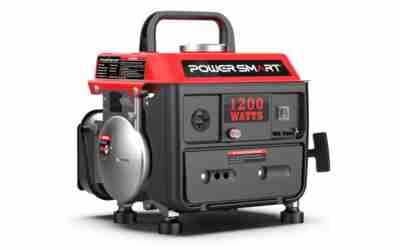
The PowerSmart 1200W portable gas generator uses a 71cc 2-stroke engine to supply 1200 peak watts and 900 rated watts. It targets campers, tailgaters, and users needing compact emergency backup power.
Its 39 lb weight and integrated handle make transport straightforward. The 1.1-gallon tank yields up to 5 hours of operation at 50% load while the control panel offers one 120V AC outlet and one 12V DC plug.
Build quality includes a durable frame, recoil starting, and EPA compliance. The unit lacks inverter technology and runs at 76 dBA, so it suits open-air settings rather than indoor or noise-sensitive areas.
Drawbacks include the need to premix fuel and oil plus modest runtime. Overall it serves as an affordable lightweight option for short outdoor power needs.

Pros
- Lightweight at 23580 grams for easy transport
- Multiple outlets support various appliances and devices
- Comes with parallel cables and dust cover included
- Two-year warranty with lifetime technical support
Cons
- No electric start option listed
- Tank size not specified limiting runtime estimates
- Dimensions not provided for storage planning
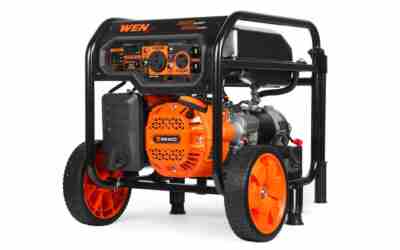
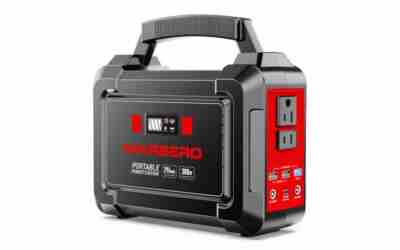
This MaXpeedingrods unit is a gas-powered inverter generator rated at 3500 peak watts.
It targets campers, RV owners, and homeowners seeking portable backup power during outages or outdoor activities.
Key strengths include clean sine wave output, quiet eco-mode operation, and an included RV outlet for direct appliance compatibility.
Build focuses on portability with parallel capability and safety features like CO detection.
Drawbacks center on missing details such as tank capacity and starting system type, but overall it provides solid value for its wattage class.
Buying Guide for 2026
Understanding Wattage: Running vs. Starting Power
When evaluating generators, you’ll encounter two key wattage figures: running watts and starting watts. Running watts represent the continuous power a generator can supply, which is essential for keeping appliances like your RV’s refrigerator or lights operating steadily. Starting watts, also known as peak or surge watts, indicate the extra burst of power needed to start motor-driven appliances such as air conditioners or microwaves. These appliances briefly draw more power at startup before settling into their running wattage. For example, the Westinghouse iGen5000DF offers 5000 peak watts and 3900 rated watts, ensuring it can handle the initial surge of larger RV equipment while providing ample continuous power.
Fuel Efficiency and Runtime for Extended Stays
For full-time RVers, fuel efficiency and extended runtime are critical. A generator that sips fuel allows for longer periods between refuels, which is particularly valuable when boondocking or in remote locations. Look for models with “Economy Mode” or similar features, as these automatically adjust engine speed to match the load, significantly improving fuel economy and reducing noise. The Westinghouse iGen5000DF, for instance, boasts up to an 18-hour run time on a 3.4-gallon gas tank in economy mode. To illustrate, if you run a basic 200W load continuously, this generator could theoretically power it for over three days on a single tank, making it ideal for prolonged use. Consider also the fuel tank capacity; a larger tank, combined with good efficiency, means fewer interruptions for refueling. If you’re looking for options specifically designed for longer trips, explore our picks for the best portable generators for tent camping, which often prioritize runtime.
Portability and Storage Considerations
The portability of your generator is paramount for RV life. Full-time RVers are constantly on the move, so a generator that is easy to transport, load, and store is a huge advantage. Features like lightweight designs, built-in carrying handles, or even telescoping handles and wheels can make a significant difference. The WEN 56235i, for example, weighs a mere 39 pounds, making it exceptionally easy to move. Similarly, the PowerSmart 1200W generator, also weighing 39 lbs, is designed with an ergonomic carrying handle for convenient transport. Before purchasing, consider your RV’s available storage space and your physical ability to maneuver the generator. For larger RVs that might require more substantial power, check out the best generators for large RVs, keeping in mind that increased power often comes with increased weight.
Our Final Picks for 2026
Best Overall: Westinghouse iGen5000DF 5000 Peak Watt Dual Fuel Inverter Generator – Super Quiet RV Ready Remote Start
The Westinghouse iGen5000DF stands out for its robust 5000 peak watts and 3900 rated watts, offering ample power for most RV needs, including air conditioning. Its dual fuel capability provides flexibility between gasoline and propane, while the remote electric start adds significant convenience. Operating at a quiet 52 dBA and offering an impressive 18-hour run time, it’s a top-tier choice for consistent and reliable power.
Skip this if: You require an extremely compact and lightweight generator for minimal power needs only, as its power output may be overkill for very small setups. View on Amazon.comBest Value: MaXpeedingrods 3500 Watt Portable Inverter Generator Gas Powered EPA Compliant
Offering a balanced combination of power and portability, the MaXpeedingrods 3500 Watt Portable Inverter Generator delivers 3500 peak watts and 3000 running watts, suitable for many RV appliances. Its clean sine wave power is safe for sensitive electronics, and its quiet operation at 58 dBA in Eco mode enhances comfort. The included RV30 plug and parallel cables add to its value, making it a strong contender for those seeking an efficient and budget-conscious option.
Skip this if: You need a dual-fuel option or require higher peak wattage for very demanding startup loads. View on Amazon.comBest for Ultra-Portability: WEN 56235i 2350W Super Quiet Portable Inverter Generator – Ultra Lightweight 39lbs, Fuel Shut-Off, Clean Power for Camping RV
The WEN 56235i is an excellent choice for RVers prioritizing extreme portability, weighing in at just 39 pounds. It provides 2350 surge watts and 1900 rated watts of clean power, perfect for charging electronics and running smaller appliances. Its super quiet operation, comparable to a normal conversation, makes it ideal for campgrounds. The fuel shut-off feature extends carburetor lifespan, adding to its practical appeal for travelers.
Skip this if: You need to power high-demand appliances like an RV air conditioner, as its wattage might be insufficient for such loads. For more powerful options, consider generators for 5th wheel RVs. View on Amazon.comWhy Trust Our Reviews
At WikiGenerators.com, our commitment is to provide unbiased, thoroughly researched recommendations for all your generator needs. We meticulously analyze product specifications, user feedback, and industry standards to present you with reliable information. Our goal is to simplify your decision-making process, ensuring you find a generator that perfectly matches your requirements for performance, durability, and value.
We understand that choosing a generator is a significant investment, and our reviews are designed to empower you with confidence. We do not engage in hands-on testing but rely on the wealth of data available, including manufacturer specifications and comprehensive user experiences, to form our expert opinions.
Frequently Asked Questions
What is the difference between peak and running watts?
Peak (or surge) watts refer to the maximum power a generator can produce for a short period, typically to start motor-driven appliances like air conditioners or refrigerators. Running watts, on the other hand, are the continuous power output a generator can sustain over a longer duration to keep those appliances operating. Always ensure the running watts meet your continuous power needs, and the peak watts are sufficient for starting your highest-demand appliances.
Can I run my RV’s air conditioner with a portable generator?
Yes, many portable generators are capable of running an RV’s air conditioner, but it depends on the AC unit’s wattage requirements and the generator’s output. A typical 13,500 BTU RV AC unit requires around 2000-2200 running watts and a significantly higher surge wattage (often 3000-3500W) to start. Generators like the Westinghouse iGen5000DF or MaXpeedingrods 3500 Watt are often powerful enough. Always check your AC unit’s specifications and the generator’s peak and running wattages. For more details on this, you might find our article on the best RV generators to run AC helpful.
Are inverter generators better for RVs than conventional generators?
For RV use, inverter generators are generally preferred over conventional generators. They produce clean, stable power (pure sine wave) that is safe for sensitive electronics like laptops, TVs, and charging devices. Inverter generators are also significantly quieter, more fuel-efficient, and often lighter and more compact than their conventional counterparts, making them ideal for the close quarters and environmental considerations of RV living.
How loud is too loud for an RV generator?
The acceptable noise level for an RV generator can vary, but generally, anything above 70 dBA is considered quite loud and can be disruptive in campgrounds or residential areas. Many national parks and campgrounds have noise limits, often around 60 dBA. Inverter generators typically operate in the 50-60 dBA range, which is comparable to a normal conversation and much more tolerable for extended use in an RV setting.
Quick Comparison: Side by Side
- – Ultra-Quiet at 52dBA.
- – 18-Hour Runtime.
- – Clean Power for Electronics.
- – Ultra-Quiet & Lightweight.
- – Reliable Cold-Weather Starts.
- – Clean Power for Electronics.
- – Compact, Under 40 lbs.
- – AC & DC Outlets.
- – EPA Compliant.
- – Lightweight at 37.5 lbs.
- – 5-Hour Runtime.
- – Versatile Outlets.
- – Lightweight (~52 lbs).
- – Multiple Outlets.
- – Includes Parallel Cables & Cover.
- – Minor Oil/Fuel Odor on Arrival.
- – Propane Tank/Hose Sold Separately.
- – Shorter Runtime Under Heavy Load.
- – Oil Change Every 25 Hours.
- – Minor Oil Burn Risk.
- – Hard Start After Long Storage.
- – Needs Manual Gas-Oil Mixing.
- – 76dB Noise Level.
- – 5-Hour Runtime at Half Load.
- – Needs Gas/Oil Mix.
- – Manual Recoil Start.
- – Not for High-Draw Appliances.
- – No Electric Start.
- – Tank Size Not Specified.
- – Dimensions Not Provided.