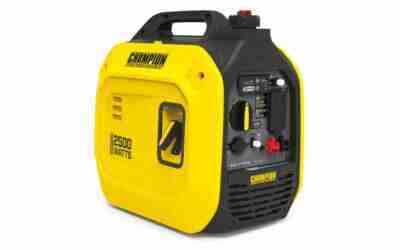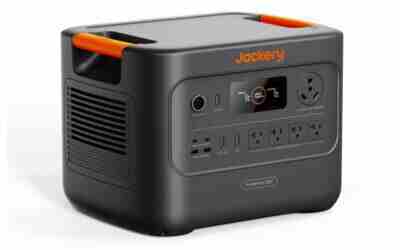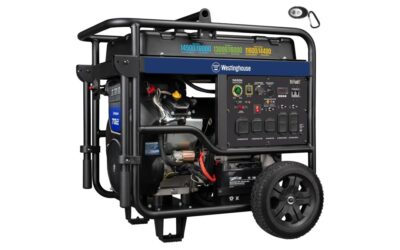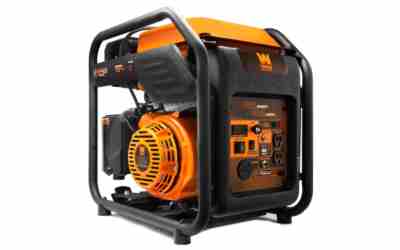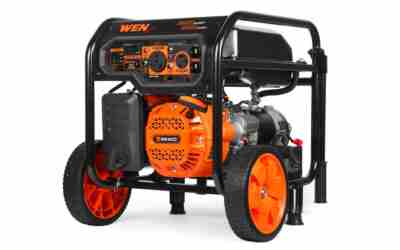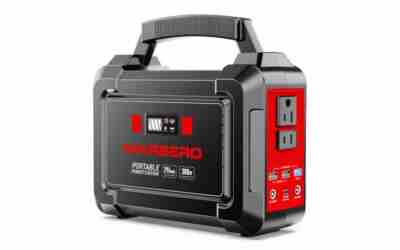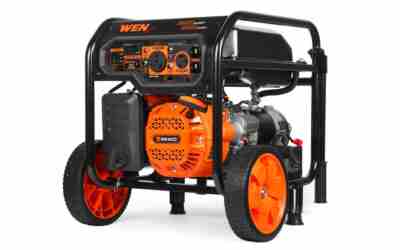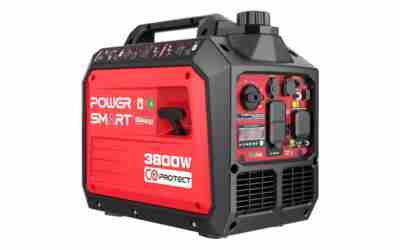

Our editorial team weighed PowerSmart's published specifications and how it stacks up against similar products in the generators category. What stands out: Compact, Under 40 lbs, AC & DC Outlets, and EPA Compliant. Where it falls short: Needs Manual Gas-Oil Mixing and 76dB Noise Level. That puts it at 7.7/10 on our WG Score – a solid, dependable choice.
 Reviewed byDaniel
Choosing the right generator for your RV means prioritizing running watts, as this single specification dictates what appliances and electronics you can power simultaneously without overloading the unit. Unlike features like brand loyalty or initial cost, running watts directly impact your ability to maintain comfort and convenience on the road, ensuring your air conditioner, microwave, or other essential RV equipment can operate smoothly. Without sufficient running watts, even the most feature-rich generator will fall short of your needs.
Running Watts Explained
Running watts represent the continuous power a generator can supply, distinct from peak or surge watts, which are only available for a brief moment to start motors. For RV use, understanding your running watt requirements is crucial. You need to sum the running wattage of all the appliances you anticipate using at the same time. For instance, a typical RV air conditioner might require around 1,500-2,000 running watts, while a microwave could need 1,000-1,500 watts. If you plan to run both simultaneously, you’ll need a generator with at least 3,000-3,500 running watts.
Consider the MaXpeedingrods 3500 Watt Portable Inverter Generator, which offers 3000 running watts. This means it can comfortably power a 1500-watt RV air conditioner along with a 1000-watt microwave, leaving approximately 500 watts for smaller devices like charging phones or running lights. This practical application of running watts ensures you select a generator that truly meets your RV’s power demands, preventing frustrating power outages during your travels.
Pros
- Exceptionally quiet for residential and camping use
- Reliable Honda engine with proven durability
- Compact size fits easily in truck beds or storage
- Parallel capability expands power options
- Built-in CO safety feature
Cons
- Recoil start only, no electric option
- Gasoline only with no dual fuel capability
- Higher price than some competing models
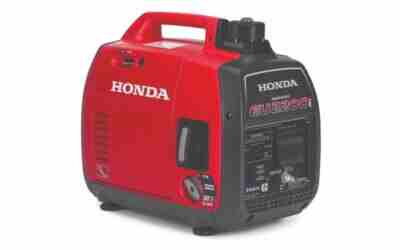
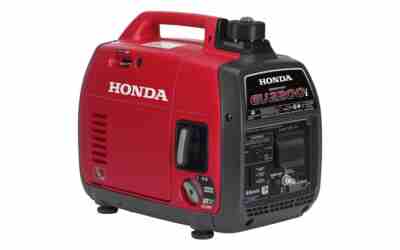
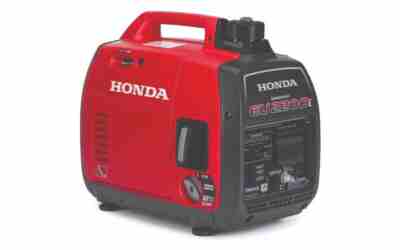
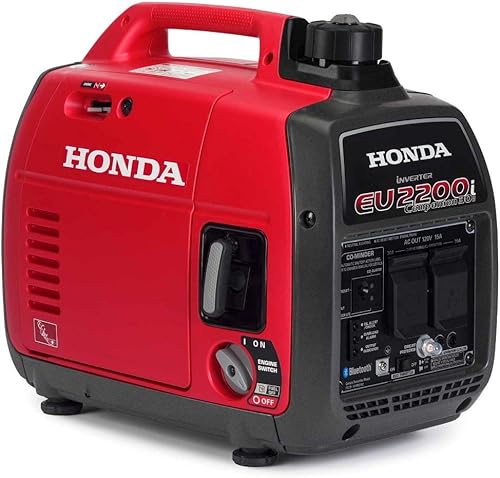
The Honda EU2200ITAN1 is a 2200-watt inverter generator designed for portable power needs. It provides clean, reliable electricity for RVs, camping, home backup, and job sites.
Users appreciate the low noise levels and lightweight build that make it easy to move and store. The CO-Minder feature adds an important safety layer by shutting down the unit if carbon monoxide reaches unsafe levels.
Build quality reflects Honda's reputation for durable engines, with the GXR120 delivering smooth performance. The 30A outlet supports direct RV connections and parallel operation with a second unit.
Drawbacks include the manual recoil start and gasoline-only fuel system. Overall it earns strong marks for reliability and quiet performance in its class.

Pros
- Highly portable with handle and low 37.5 lb weight
- Extended 5-hour runtime reduces refueling needs
- Versatile outlets for multiple devices
- Compact size fits easily in vehicles for camping
- Strong power output for its class
Cons
- Requires non-leaded gasoline and oil mixture for 2-stroke engine
- Recoil start demands manual effort
- Not rated for high-draw appliances like AC units
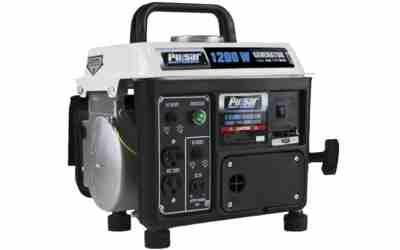
The Pulsar PG1202SA is a gas-powered portable generator delivering 1200 peak watts and 900 running watts, designed for campers, outdoor enthusiasts, and homeowners seeking backup power. Its single-cylinder 2-stroke engine with recoil start powers tools, lights, and chargers via two 120V outlets and one 12V DC output, making it perfect for recreation or light residential use.
Standout performance comes from the 1.1-gallon fuel tank, offering up to 5 hours of continuous operation at half load, which keeps devices running through long evenings at the campsite without frequent refills. The compact, durable build with a carrying handle enhances portability, allowing users to haul it easily to remote locations.
Build quality shines in its rugged yet lightweight 37.5-pound frame, ideal for tossing in a truck bed or RV. However, the 2-stroke engine needs a gasoline-oil mix, and recoil starting requires some pull strength, while it's not suited for power-hungry items like air conditioners.
Overall, the PG1202SA excels as an affordable, reliable choice for portable power needs, earning its place for anyone prioritizing convenience and runtime in outdoor settings. Verdict: Highly recommended for camping and emergencies.
Brand: Pulsar
Wattage: 1000 watts
Fuel Type: Non-leaded gasoline and oil mixture
Power Source: Gas-powered
Recommended Uses: Camping, Residential
Item Weight: 37.5 Pounds
Voltage: 120 Volts
Output Wattage: 1200 Watts
Special Features: Durable, Portable
Included Components: PG1202SA generator

Pros
- Compact and highly portable at under 40 lbs
- Multiple outlets including AC and DC for flexibility
- EPA compliant for legal outdoor use
Cons
- Requires manual oil-fuel mixing for 2-stroke engine
- 76 dBA noise level may disturb quiet environments
- Limited 5-hour runtime on full tank at half load
The PowerSmart 1200W portable gas generator uses a 71cc 2-stroke engine to supply 1200 peak watts and 900 rated watts. It targets campers, tailgaters, and users needing compact emergency backup power.
Its 39 lb weight and integrated handle make transport straightforward. The 1.1-gallon tank yields up to 5 hours of operation at 50% load while the control panel offers one 120V AC outlet and one 12V DC plug.
Build quality includes a durable frame, recoil starting, and EPA compliance. The unit lacks inverter technology and runs at 76 dBA, so it suits open-air settings rather than indoor or noise-sensitive areas.
Drawbacks include the need to premix fuel and oil plus modest runtime. Overall it serves as an affordable lightweight option for short outdoor power needs.

Pros
- Lightweight at 23580 grams for easy transport
- Multiple outlets support various appliances and devices
- Comes with parallel cables and dust cover included
- Two-year warranty with lifetime technical support
Cons
- No electric start option listed
- Tank size not specified limiting runtime estimates
- Dimensions not provided for storage planning
This MaXpeedingrods unit is a gas-powered inverter generator rated at 3500 peak watts.
It targets campers, RV owners, and homeowners seeking portable backup power during outages or outdoor activities.
Key strengths include clean sine wave output, quiet eco-mode operation, and an included RV outlet for direct appliance compatibility.
Build focuses on portability with parallel capability and safety features like CO detection.
Drawbacks center on missing details such as tank capacity and starting system type, but overall it provides solid value for its wattage class.

Pros
- App control adds convenience for remote operation and status checks
- Dual fuel capability extends runtime and reduces emissions on LPG
- Includes parallel cables and comprehensive accessory kit
- Certified to multiple safety and emissions standards
Cons
- Bluetooth app requires Wi-Fi or internet connection
- No pure sine wave THD specification provided
- 3.6 rating with zero reviews limits verified performance data
The maXpeedingrods MXR4000GT is a portable dual fuel inverter generator rated at 4000 peak watts on gasoline and 3600 on LPG. It targets users needing flexible backup power for camping, RV travel, or home emergencies.
Standout features include Bluetooth app remote start and monitoring of voltage, frequency, load, and remaining fuel. The unit offers electric start, recoil backup, and an RV-ready 30A outlet with adapter for zero-ground charging.
Build quality includes a digital display, multiple safety alerts with auto-shutdown, and PGMA/UL/EPA compliance. Noise stays at 58-60 dB at 23 feet in eco mode, comparable to a conversation.
Drawbacks include the app's internet requirement and lack of published THD data. Storage instructions require battery disconnection to prevent drain.
Overall the MXR4000GT delivers strong value for users prioritizing app control and dual-fuel versatility in a compact 52.9 lb package.
RV 30 Amp Generators: Our Picks Against the Numbers
The Reliable Workhorse: Honda EU2200ITAN1 2200-Watt Super Quiet Portable Inverter Generator with CO-Minder
The Honda EU2200ITAN1 delivers 2200 running watts, offering a solid foundation for powering a range of RV essentials. This capacity means it can handle most single high-draw appliances like a moderate RV air conditioner or several smaller devices simultaneously, making it a versatile choice for many RVers.
Skip this if: You require power for multiple high-wattage appliances at once, as its output might be stretched thin.
View on Amazon.comThe Compact Power Solution: PowerSmart 1200W Portable Gas Generator 900W Rated 2-Stroke 39 lbs for Camping Emergency
With 900 rated watts, the PowerSmart 1200W is a budget-friendly option ideal for minimal power needs in your RV. This output is suitable for charging electronics, running lights, or powering a small fan, perfect for those who prioritize portability over heavy-duty appliance support.
Skip this if: You need to run an RV air conditioner or other high-demand appliances, as its running wattage is limited.
View on Amazon.comThe Dual-Fuel Dynamo: maXpeedingrods MXR4000GT 4000W Dual Fuel Inverter Generator with Bluetooth App Control
The maXpeedingrods MXR4000GT offers substantial running watts, with 3200 watts on gasoline and 3000 watts on propane. This dual-fuel capability, combined with high output, makes it an excellent choice for powering most RVs, including those with air conditioning units and other demanding appliances, providing flexibility and extended runtimes.
Skip this if: You are seeking the absolute lightest and most compact generator for minimal power needs, as its higher output typically comes with a larger footprint.
View on Amazon.comOther Things That Matter for RV 30 Amp Generators
Noise Level and Portability
When you’re enjoying the great outdoors in your RV, the last thing you want is a generator that drowns out the sounds of nature. Noise level, typically measured in decibels (dB), is a significant factor, especially in campgrounds with strict quiet hours. Many modern inverter generators are designed to be super quiet, operating at levels comparable to a normal conversation. Portability, often linked to weight and the presence of wheels or a handle, also plays a crucial role for RV owners who need to move their generator frequently. For more options, check out the best portable backup generators.
Fuel Type and Runtime
Generators for RVs primarily run on gasoline, but dual-fuel models that can switch between gasoline and propane offer increased versatility. Propane can be easier to store and has a longer shelf life, while gasoline typically provides more power. The fuel tank capacity and the generator’s efficiency determine its runtime at various loads. Knowing how long your generator can run on a single tank of fuel is essential for extended trips or overnight use, ensuring you’re not constantly refueling.
RV-Specific Features and Outlets
For RV use, specific features like a 30-amp RV outlet (NEMA TT-30R) are highly beneficial, as they allow for a direct connection to your RV’s electrical system without adapters. Inverter technology is also a key consideration, as it produces clean, stable power that is safe for sensitive electronics like laptops, TVs, and charging devices. Some models also offer parallel capability, allowing you to link two generators for double the power output when needed. If you’re looking for generators specifically designed for 30-amp RVs, explore our guide on the best 30-amp RV generators.
Quick Comparison: Side by Side
- – Exceptionally Quiet.
- – Reliable Honda Engine.
- – Compact Size.
- – Lightweight at 37.5 lbs.
- – 5-Hour Runtime.
- – Versatile Outlets.
- – Compact, Under 40 lbs.
- – AC & DC Outlets.
- – EPA Compliant.
- – Lightweight (~52 lbs).
- – Multiple Outlets.
- – Includes Parallel Cables & Cover.
- – App Control for Remote Operation.
- – Dual Fuel Flexibility.
- – Includes Parallel Cables.
- – Recoil Start Only.
- – Gasoline Only.
- – Higher Price Point.
- – Needs Gas/Oil Mix.
- – Manual Recoil Start.
- – Not for High-Draw Appliances.
- – Needs Manual Gas-Oil Mixing.
- – 76dB Noise Level.
- – 5-Hour Runtime at Half Load.
- – No Electric Start.
- – Tank Size Not Specified.
- – Dimensions Not Provided.
- – App Needs WiFi/Internet.
- – No THD Spec Provided.
- – Low Rating, No Reviews Yet.
Why Trust Our Reviews
At WikiGenerators.com, our commitment is to provide thorough and reliable information to help you make informed purchasing decisions. We understand that choosing a generator is a significant investment, especially for RV travel where dependable power is essential. Our team meticulously analyzes product specifications, scrutinizes user feedback, and synthesizes expert opinions to present you with a comprehensive overview of each generator’s capabilities and suitability for various RV needs.
We do not conduct hands-on testing, but our rigorous data-driven approach ensures that our recommendations are based on verified product details and real-world experiences shared by other consumers. Our goal is to cut through the marketing noise and deliver clear, actionable insights, enabling you to confidently select a generator that perfectly aligns with your power requirements and lifestyle on the road.
Frequently Asked Questions
What size generator do I need for a 30-amp RV?
For a 30-amp RV, you typically need a generator that can provide at least 3,000 to 3,600 running watts. This wattage is usually sufficient to power common RV appliances like a single air conditioner, microwave, and lights without tripping breakers. Always check the specific power requirements of your RV’s appliances to ensure compatibility.
Can a 2000-watt generator run an RV air conditioner?
A standard 2000-watt generator can sometimes run a smaller RV air conditioner (around 8,000-10,000 BTUs), but it may struggle with larger units or when other appliances are running simultaneously. Many RV air conditioners require 1500-2000 running watts, plus a higher surge wattage to start. For reliable operation, especially with larger AC units, a generator with higher running watts, such as 3000 watts or more, is often recommended. For more information, see our guide on generators to run RV AC.
Are inverter generators better for RVs?
Yes, inverter generators are generally considered superior for RV use. They produce clean, stable sine wave power, which is essential for safely operating sensitive RV electronics like laptops, TVs, and charging systems. Inverter generators are also typically quieter, more fuel-efficient, and more compact than traditional open-frame generators, making them ideal for camping and recreational vehicle environments.