Our editorial team weighed 's published specifications and how it stacks up against similar products in the generators category. What stands out: 58-Minute Fast Recharge, 2112Wh, Modular Expansion, and Supports 99% of Appliances. Where it falls short: Expansion Battery Not Standalone and BP1000 Compatible With C1000 Only. That puts it at 8.3/10 on our WG Score – an excellent, well-rounded option.
 Reviewed byDaniel
When the lights go out or you’re heading off the grid, having a reliable power source can make all the difference. Whether you need backup for home essentials, juice for a weekend camping trip, or portable power for a job site, the small battery generators of November 2026 offer a compact and efficient solution. We’ve evaluated 5 top models based on specs and user feedback to help you find the perfect match for your needs.
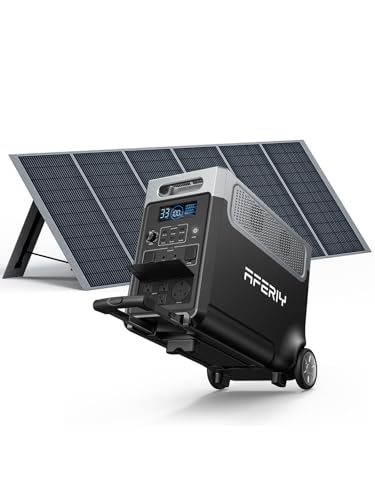
Our guide covers key factors like battery capacity, AC output, recharge options, and portability, so you can choose with confidence. From the 256Wh ALLWEI PPS300-4 and 288Wh EBL EB300 to the 3840Wh AFERIY and the Anker SOLIX C1000, we’ve got options for every situation. If you’re also considering solar options, check out our guide to best small portable solar generators.

Pros
- Fast 58-minute AC recharge time
- High 2112Wh capacity with modular expansion
- Multiple ports support 99% of common appliances
- Built-in app control and UPS functionality
Cons
- Expansion battery cannot be used independently
- BP1000 only compatible with C1000 model
- Ships in multiple packages that may arrive separately
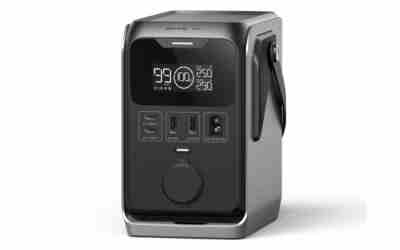
The Anker SOLIX C1000 paired with BP1000 expansion battery forms a 2112Wh portable power station rated for 1800W continuous output.
It targets campers, tailgaters and homeowners seeking quiet battery backup without gas or maintenance.
Key strengths include 58-minute AC recharge, 600W solar input and support for 11 simultaneous devices with 2400W surge handling.
Build quality uses LiFePO4 cells rated for 3000 cycles and a secure cable connection with status icon on the display.
Drawbacks include the requirement that the expansion battery must remain connected to the base unit and separate shipping packages for bundle orders.
Pros
- Long-life LiFePO4 battery rated for 3000 cycles
- Pure sine wave output protects sensitive devices
- Fast 60W USB-C PD charging for phones and laptops
- Very light and compact for travel and camping
- Pass-through charging and multi-layer BMS protection
Cons
- Only one AC outlet limits use with multiple mains-powered appliances
- 256Wh capacity and 300W output cannot run larger appliances for long
- Solar panel is sold separately
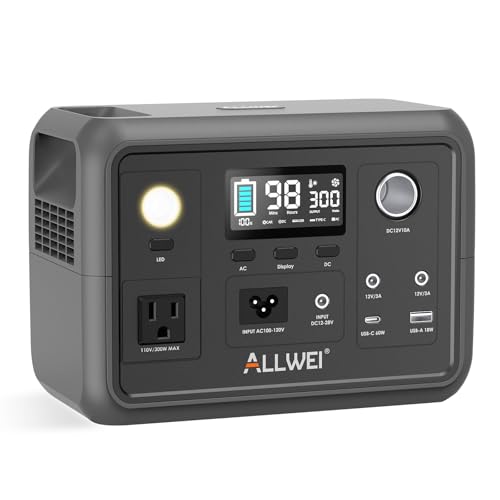
The ALLWEI PPS300-4 is a compact portable power station built around a 256Wh LiFePO4 battery. It delivers 300W of continuous pure sine wave power with a 600W surge, which is enough for laptops, drones, mini fridges and CPAP machines without risking sensitive electronics.
It is best suited to campers, road trippers and households that want a small backup source for essentials during an outage. Six outputs (one AC outlet, two DC5521 ports, a car socket, a USB-A 18W port and a USB-C PD 60W port) cover most small-device charging needs, and pass-through charging lets you power devices while the unit itself recharges.
Recharging is flexible. You can use a wall outlet, a 12V car port or a solar panel, and the built-in MPPT controller helps with solar efficiency. Combining AC and solar cuts a full recharge to roughly 2 to 2.5 hours. The LiFePO4 cells are rated for 3000 cycles, and a multi-layer BMS adds protection against short-circuit, over-current and over-voltage.
At 6.4 lbs and about 9.25 x 5 x 6.8 inches, it is easy to carry, and the ABS housing keeps weight down. The built-in 3-level LED light with SOS mode is handy at night or during power cuts. The main drawbacks are the single AC outlet and the modest 256Wh capacity, so larger or power-hungry appliances are out of reach. A solar panel must be bought separately.
Overall, it is a practical, lightweight option for anyone who values battery longevity and clean power for small devices. Buyers who need to run several household appliances or sustain heavy loads should look at a larger-capacity unit.

Pros
- Pure sine wave output protects sensitive electronics
- Versatile multi-port including 60W PD USB-C and 5W wireless charging
- Multiple recharging options for any scenario
- Compact durable design with impact protection
- Integrated emergency SOS light works independently
Cons
- Capacity limits runtime for high-draw appliances
- Solar panel sold separately
- No built-in high-capacity battery expansion
The EBL EB300 is a versatile portable power station designed for campers, RV enthusiasts, home emergency prep, and CPAP users needing reliable off-grid power. With 288.6Wh capacity and 330W pure sine wave AC output peaking at 600W, it handles small TVs, mini fridges, laptops, and drones without risking damage to sensitive devices.
Standout features include a full suite of ports: 330W AC, 60W USB-C, QC3.0 USB-A, DC5521, cigarette lighter, and a 5W wireless pad, allowing simultaneous charging of phones, tablets, and more. Recharging is flexible via wall adapter in 6-7 hours, car port in 7-9 hours, or compatible solar panels in 5-9 hours. The smart BMS, cooling fan, and LCD display ensure safe operation with protections against overloads and temperature extremes.
Build quality shines with its 7.94 lb weight, compact dimensions, folding handle, and anti-collision strips for portability and durability. The independent 3W LED with SOS mode adds value for nighttime camping or roadside emergencies.
Drawbacks include the modest capacity for prolonged heavy use and lack of included solar panel, but for lightweight backup and portable needs, it excels without excess bulk.
Overall, the EB300 delivers strong value for everyday outdoor and emergency power, earning high marks for convenience and reliability in its class.
Capacity: 288.6Wh
Output: 330W continuous AC (pure sine wave), 600W peak
Ports: 1x AC 330W, 1x USB-C PD60W, 1x USB-A QC18W, 2x DC5521 12V/5A, 1x Cigarette 12V/10A, 5W wireless
Weight: 7.94 lbs
Dimensions: 9.61 x 6.73 x 6.97 inches
Recharge: AC wall (6-7h), car (7-9h), solar (5-9h)
Warranty: 2 years
Buying Guide for 2026
Running vs. Starting Watts
Understanding the difference between running (rated) watts and starting (surge) watts is essential. Running watts are the continuous power a generator can supply, while starting watts cover the extra jolt needed to start motor-driven appliances like refrigerators or air conditioners. For example, a generator rated at 2200 running watts and 2800 starting watts can handle a small fridge and lights, but not a large AC unit. Always check the starting watt requirements of your devices before buying.
If you plan to run sensitive electronics such as laptops or medical devices, look for a power station with pure sine wave AC output. Models like the EBL EB300 list pure sine wave output, which helps protect your gear from voltage spikes.
Battery Capacity and Runtime
Battery capacity is measured in watt-hours (Wh), and it varies widely across small battery generators. The ALLWEI PPS300-4 offers 256Wh, the EBL EB300 288Wh, the EcoFlow DELTA 3 Plus 1024Wh, the Anker SOLIX C1000 2112Wh, and the AFERIY 3840Wh. If you need more runtime, choose a higher Wh rating or a model that supports an expansion battery, like the C1000 with its BP1000.
Because they have no fuel to store, portable power stations are easy to keep ready, and you can recharge them from a wall outlet, solar panels, or a car. For more on solar recharging, visit our small portable solar generators guide.
Noise Level
Noise is a critical factor, especially for camping or residential use. Battery power stations run silently, with no engine to rev, which makes them a great fit for campgrounds, apartments, and late-night use. The Anker SOLIX and EcoFlow units are well suited to quiet settings, and none of the models here need a noisy engine to deliver AC power.
Because there is no engine, you can use a power station indoors without exhaust or fumes. For more tips on quiet power, see our quiet portable generators for home guide.
Portability and Weight
If you plan to move your power station frequently, size and capacity matter. The EBL EB300 is the most compact option at 288Wh, while larger units like the AFERIY 3840Wh and the Anker SOLIX C1000 with its BP1000 expansion battery offer far more energy and are better suited to stationary use. For RV use, the EBL EB300 is a small, easy-to-place choice, so consider how often you’ll carry the unit before you buy.
If you need something even smaller for backpacking or emergency kits, check out our portable small generators guide.
Outlets and Connectivity
Check the port panel to ensure it matches your devices. Compare the AC output ratings: 300W for the ALLWEI PPS300-4, 330W for the EBL EB300, and 1800W for the Anker SOLIX C1000. The EBL EB300 also adds wireless charging and an SOS light. Always confirm that your devices’ wattage falls within the power station’s AC output rating.
Check how a power station handles recharging, whether by wall outlet, solar panel, or car. The EcoFlow DELTA 3 Plus and AFERIY bundles include solar panels (220W bifacial and 400W), making them easy to recharge off-grid. If you plan to run multiple appliances, choose a unit with enough AC output watts and Wh capacity for your combined load.
Inverter vs. Conventional
Power stations convert stored battery power into AC output for your devices, with no engine involved. Most models in our roundup use LiFePO4 batteries, known for long cycle life, and the EBL EB300 lists pure sine wave output. That makes them a good balance of power, silence, and portability. Gas generators are cheaper per watt and offer more sustained output, but they are louder and need fuel, so battery power stations suit camping and home backup better.
For more information on inverter technology, read our small camping generators buying guide.
Quick Comparison: Side by Side
- – 58-Minute Fast Recharge.
- – 2112Wh, Modular Expansion.
- – Supports 99% of Appliances.
- – Long-life LiFePO4 battery rated for 3000 cycles.
- – Pure sine wave output protects sensitive devices.
- – Fast 60W USB-C PD charging for phones and laptops.
- – Pure Sine Wave Output.
- – 60W PD USB-C + Wireless Charging.
- – Multiple Recharging Options.
- —
- —
- – Expansion Battery Not Standalone.
- – BP1000 Compatible With C1000 Only.
- – Ships in Multiple Packages.
- – Only one AC outlet limits use with multiple mains-powered appliances.
- – 256Wh capacity and 300W output cannot run larger appliances for long.
- – Solar panel is sold separately.
- – Limited Runtime for High-Draw Appliances.
- – Solar Panel Sold Separately.
- – No Battery Expansion Option.
- —
- —
Why Trust Our Reviews
At WikiGenerators.com, we base our recommendations on a thorough analysis of technical specifications, user feedback from verified buyers, and industry standards. We do not accept free products or payment for positive reviews, ensuring our rankings remain objective. Our team has years of experience evaluating portable power equipment, and we update our guides regularly to reflect the latest models and technologies.
As an Amazon Associate, we may earn a commission from qualifying purchases at no extra cost to you. This helps us continue providing unbiased, research-backed content. For more on our process, see our How We Rank page.
Our Final Picks for 2026
Best Overall: Anker SOLIX C1000 Portable Power Station with BP1000 Expansion Battery 1800W 2112Wh LiFePO4 Solar Generator
The Anker SOLIX C1000 pairs an 1800W portable power station with a BP1000 expansion battery for a total of 2112Wh. Its LiFePO4 battery offers long cycle life and silent, indoor-safe operation, making it a top choice for home backup and camping. You can recharge it from the wall, solar panels, or a car, and the expansion battery extends your capacity. For more camping-friendly options, see our best small camper generators guide.
View on Amazon.comBest Value: EBL EB300 288Wh Portable Power Station 330W Solar Generator Pure Sine Wave 600W Peak Wireless Charging SOS Light for Camping RV CPAP
The EBL EB300 is a compact 288Wh portable power station with 330W of pure sine wave AC output and 600W peak power. It also includes wireless charging and an SOS light, and it works as a solar generator when paired with panels. Silent and safe to use indoors, it’s a versatile choice for camping, RV trips, or emergency backup. Check out our generators to run small air conditioner guide if you need more cooling power.
View on Amazon.comBest for Ultralight Portability: EF ECOFLOW Solar Generator DELTA 3 Plus with 220W Bifacial Panel, 1024Wh
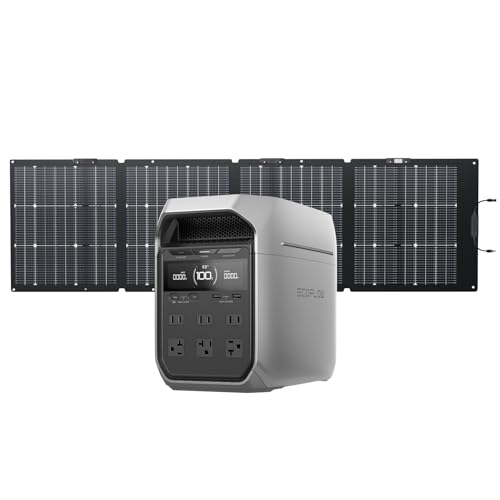
The EcoFlow DELTA 3 Plus comes with a 220W bifacial solar panel and a 1024Wh battery, making it a solid pick for campers, road-trippers, and anyone who wants solar recharging out of the box. It runs silently with no fuel or exhaust, so it’s safe to use indoors. For a more powerful option, see the quiet generators category.
View on Amazon.comFrequently Asked Questions
Which small battery generator should I buy in 2026?
Your choice depends on your primary use. For expandable capacity, the Anker SOLIX C1000 with its BP1000 is the top pick. If you want a budget-friendly, compact unit, the ALLWEI PPS300-4 with 300W of AC output is a strong choice. For ultra-compact portability, the EBL EB300 is hard to beat, and for maximum capacity, the AFERIY 3840Wh stands out. Consider your power needs, capacity, and recharge options before deciding.
How many watts do I need for camping?
For basic camping needs like lights, a phone charger, and a small cooler, a smaller unit like the ALLWEI PPS300-4 (256Wh, 300W) or the EBL EB300 (288Wh, 330W) can be enough. If you want to run higher-wattage appliances, look for higher AC output, such as the Anker SOLIX C1000 (1800W). It is a strong option for moderate camping loads.
Can I run a refrigerator on a small generator?
Yes, most small refrigerators require 600 to 800 running watts and a higher surge at startup. The Anker SOLIX C1000 has the AC output to handle a standard fridge, but always check the starting watt rating of your appliance. Smaller units like the ALLWEI PPS300-4 are better suited to lighter loads. For larger needs, consider a power station with greater capacity, such as the AFERIY 3840Wh.
What is the difference between the Anker SOLIX C1000 and ALLWEI PPS300-4?
The Anker SOLIX C1000 offers 1800W of output and 2112Wh with the BP1000 expansion battery. The ALLWEI PPS300-4 delivers 300W with a 256Wh battery in a much smaller package. Both are silent and safe to use indoors, so choose based on whether you value high capacity and output or compact size.
Are portable power stations worth the extra cost?
Yes, for most users. Power stations are quiet, produce no fumes, and are safe to use indoors, which makes them ideal for sensitive electronics. They need no fuel, and LiFePO4 batteries offer long cycle life. Recharging from the wall, solar, or your car makes them a smart investment for camping, RV, and home backup use.