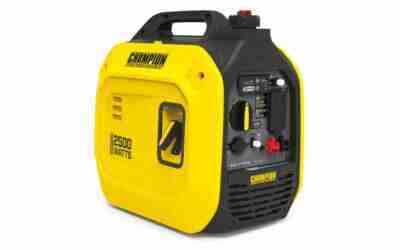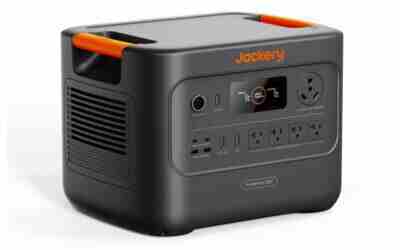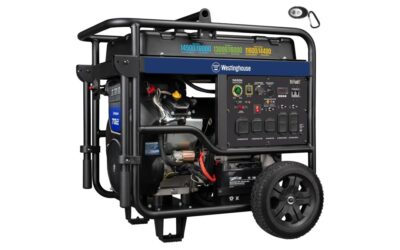

Our editorial team weighed PowerSmart's published specifications and how it stacks up against similar products in the generators category. What stands out: Dual Fuel Flexibility, Quiet Operation, and Reliable Recoil Start, Solid Build. Where it falls short: Manual Recoil Start, Harder in Cold and ~4-Hour Runtime at 50% Load. That puts it at 8.4/10 on our WG Score – an excellent, well-rounded option.
 Reviewed byTristan
30 amp RV generators of October 2026: 5 models, 15174 reviews, up to $1,099.00.
We provide from $349.99 to $1,099.00 with 15174 of 30 amp RV generators, by October of 2026, including Honda, PowerSmart, WEN.
Power outages, extended camping trips, and job site work demand a reliable generator that can handle the load. Whether you’re running an RV air conditioner, backing up essential home appliances, or powering tools at remote locations, choosing the right 30 amp RV generators are critical. Our guide reviews 5 of the top-rated options available, each selected based on real-world specifications, user feedback, and suitability for 30-amp RV hookups and portable applications.
In this roundup, we highlight models that balance power output, fuel efficiency, noise levels, and portability. Whether you prioritize ultra-quiet operation, dual-fuel flexibility, or heavy-duty wattage, you’ll find an option that matches your needs and budget. Read on to discover which generator earned our top picks and why it might be the perfect fit for your situation. For more options across different use cases, check out our guide on the best portable backup generators.

Pros
- Exceptionally quiet operation barely noticeable indoors
- Fuel-efficient eco mode extends runtime significantly
- Intuitive smartphone app for convenient remote control
- Durable build withstands weather and heavy use
- Advanced inverter tech ensures clean, stable power
Cons
- Premium price compared to basic generators
- Recoil start requires manual pull each time
- Max 2200W limits it for very high-demand tools
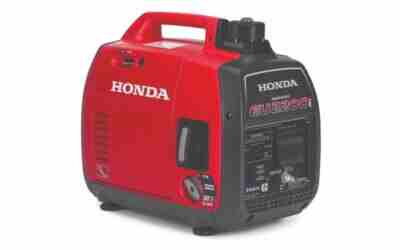
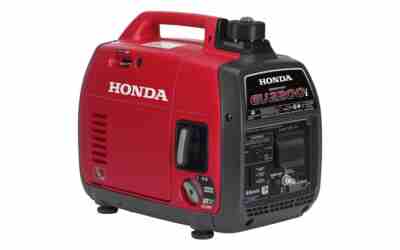
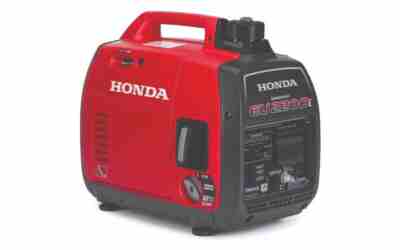
The Honda EU2200iTAN is a super quiet 2200-watt portable inverter generator designed for versatile use in camping, RVing, home backup, and job sites. Powered by the reliable GXR120 engine, it offers clean 120V AC power for appliances like refrigerators, TVs, and tools, making it ideal for anyone needing dependable portable energy without the noise or bulk of traditional generators.
Standout features include its whisper-quiet operation at 48-57 dB, often inaudible from inside a trailer, and eco-throttle mode that adjusts engine speed for up to 8.1 hours of runtime on less than a gallon of fuel. Users praise its ability to power paint sprayers, sanders, and RV systems simultaneously while staying efficient. The CO-MINDER system adds critical safety by monitoring and shutting down if carbon monoxide builds up nearby.
Build quality shines with a lightweight 46-lb frame, steel construction, and the My Generator app for Bluetooth monitoring of runtime, fuel, and maintenance. Reviewers highlight its durability, with one unit surviving years outdoors and starting flawlessly after neglect. The inverter technology provides stable power safe for sensitive electronics.
Few drawbacks exist: the recoil-only start demands some effort, and its power cap suits most needs but not industrial heavy loads. It lacks electric start found in larger models.
Overall, the EU2200iTAN excels as a premium, user-friendly generator blending Honda reliability, safety, and convenience. Perfect for those prioritizing quiet, efficient power over budget options.
Power: 2200W max (18.3A) 120V AC, inverter stabilized
Engine: Honda GXR120, 121cc 4-stroke
Runtime: 8.1 hours at 1/4 load on 0.95 gal tank
Noise: 48-57 dB(A)
Weight: 46 lbs, Dimensions: 21 x 12.24 x 19.72 inches
Outlets: 20A 125V duplex
Features: CO-MINDER, Bluetooth app, eco-throttle
This model offers more power and standard CO-MINDER over the EU2000i, with similar quietness and portability to the EU2200i Companion but without parallel capability. Compared to larger EU3200i, it prioritizes compactness and fuel savings for lighter loads.
Pros
- Exceptionally quiet operation at 52 dBA
- Long 12-hour runtime on small fuel tank
- Lightweight and portable with handle
- Pure sine wave output for electronics
- Built-in safety like low oil shutdown
Cons
- Fuel tank holds only 0.98 gallons, needing refills for multi-day use
- Parallel cord sold separately for linking units
- May have initial residual oil or fuel odor from factory testing
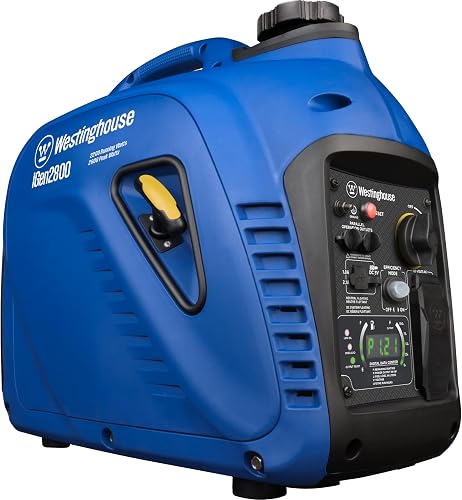
The Westinghouse iGen2800 is a compact inverter generator designed for homeowners facing power outages and outdoor enthusiasts like campers and tailgaters. With 2800 peak watts and 2200 running watts from its 4-stroke OHV engine, it handles essentials such as refrigerators, furnaces, and electronics while staying portable at just 46.3 pounds.
Standout features include ultra-quiet 52 dBA operation, quieter than normal conversation, and up to 12 hours of runtime on a 0.98-gallon tank in economy mode. It produces clean power below 3% THD to protect sensitive devices, and the LED data center shows fuel level, remaining time, voltage, and output. Parallel capability lets users combine two units for more power using a separate cord.
Build quality shines with a lightweight frame, built-in handle, and safety features like overload protection and low oil shutdown. The automatic throttle enhances fuel efficiency by matching engine speed to demand, making it reliable for both home backup and recreation.
Drawbacks include the small fuel capacity requiring occasional refills for extended outages and the need to buy a parallel cord separately. Factory testing may leave a faint initial odor.
Overall, the iGen2800 excels as a versatile, efficient choice for quiet, portable power needs, backed by a 3-year warranty and lifetime support. It delivers strong value for emergency and outdoor use.
Power Output: 2800 peak watts / 2200 running watts at <3% THD
Engine: 4-Stroke OHV Westinghouse
Runtime: Up to 12 hours on 0.98 gallon tank
Noise Level: 52 dBA
Weight: 46.3 lbs
Outlets: Two 120V 20A, two USB
Features: Parallel capable, economy mode, LED display, low oil shutdown

Pros
- Dual fuel capability reduces dependency on single fuel source
- Quiet operation suitable for residential and campground use
- Reliable recoil start and solid build quality noted in reviews
- Clean inverter power protects laptops and medical equipment
Cons
- Manual recoil start requires physical effort in cold weather
- Runtime limited to around 4 hours at 50% load on a full tank
- Propane mode delivers slightly lower peak output than gasoline
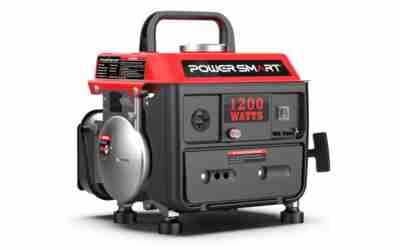
The PowerSmart 3800 Watt Dual Fuel Inverter Generator delivers portable power for home backup, camping, and tailgating. It runs on gasoline or propane and produces clean sine wave electricity suitable for electronics.
Users highlight easy starting, steady voltage output, and sufficient power for appliances, lights, and RV air conditioning. The CO safety sensor and overload protection add reliable safeguards during extended operation.
At 50.7 pounds with a compact footprint, the unit moves easily between locations. Noise levels remain acceptable for most outdoor settings while the parallel-ready feature allows capacity expansion when needed.
Drawbacks include the manual start mechanism and shorter runtime compared to larger stationary models. Overall it provides good value for users who need mid-range portable inverter power without excessive bulk.

Pros
- Ample power for multiple appliances and tools
- Safety-focused CO sensor and multiple outlet types
- Long runtime reduces downtime
- Electric start simplifies use
- Three-year warranty and service support
Cons
- At 120 pounds, requires two people for frequent moves
- Gas-powered needs regular fuel and maintenance
- Larger size may limit storage in small vehicles
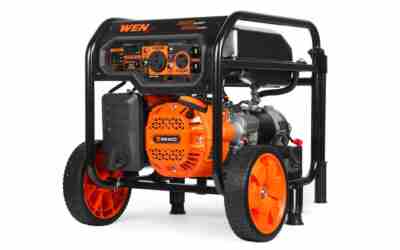
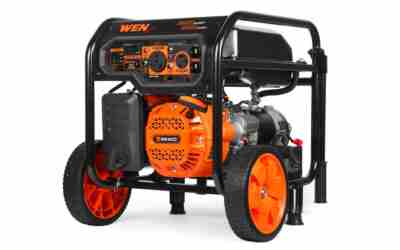
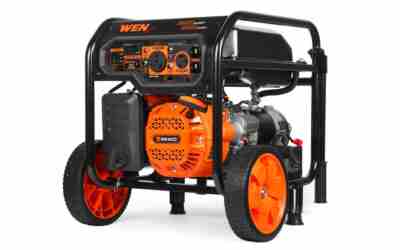
The WEN GN5602X is a robust 5600-watt starting portable generator powered by a 224cc four-stroke engine, designed for RVers, campers, job sites, and home backup needs. It excels in delivering consistent power to essentials like refrigerators, AC units, power tools, and RV appliances, with RV-ready and transfer-switch outlets for versatile connectivity.
Standout features include electric start for push-button ease, a CO shutdown sensor for family safety by detecting and halting high carbon monoxide levels, and up to 12.5 hours of runtime on a 4.3-gallon tank. The onboard digital meter tracks voltage, frequency, and runtime, helping users monitor efficiency during extended use. Multiple outlets, including two 120V 20A, one 30A RV TT-30R, and one 30A L5-30R, support simultaneous device operation without overload worries.
Build quality shines with a durable frame, wheel kit for mobility, and compact dimensions of 22.44 x 16.93 x 18.5 inches. WEN's legacy since 1951 ensures reliable performance backed by a three-year warranty and service network. While heavy at 120 pounds, the transport aids make it manageable for most users.
Potential drawbacks include its weight for solo handling and reliance on gasoline, which demands storage and refills. Noise levels typical of conventional generators may disturb quiet campsites.
Overall, the GN5602X offers exceptional value for demanding power needs, earning high marks for safety, runtime, and versatility. Ideal for those prioritizing dependable backup without complexity.
Power: 5600 starting watts, 4500 running watts
Engine: 224cc 4-stroke, electric start
Fuel & Runtime: Gasoline, 4.3-gallon tank, up to 12.5 hours at half load
Outlets: 1x 30A TT-30R (RV), 1x 30A L5-30R (transfer switch), 2x 120V 20A 5-20R
Dimensions & Weight: 22.44"L x 16.93"W x 18.5"H, 120 lbs
Other: CO sensor, wheel kit, digital data meter, 60Hz, 120V

Pros
- Clean sine wave output protects sensitive devices
- Parallel ready for higher power needs
- Compact and lighter than comparable generators
- Includes RV-ready outlet out of the box
Cons
- Recoil start only with no electric option
- Open frame design may produce more noise than enclosed models
- Rated output is 3500 watts despite 4000-watt peak
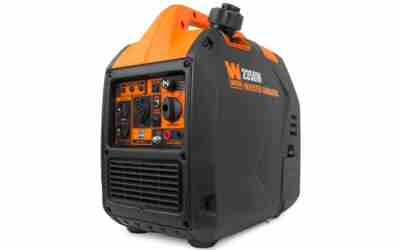
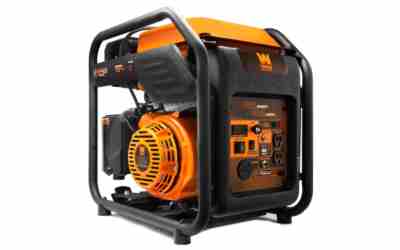
The WEN GN400iM is an open-frame inverter generator rated at 4000 surge watts and 3500 running watts. It produces clean power with total harmonic distortion under 1.2 percent at full load, making it suitable for laptops, phones, and other electronics.
This model targets campers, RV owners, and homeowners who need reliable portable backup power. The RV-ready TT-30R receptacle and parallel connection capability allow flexible use across different scenarios without additional adapters.
Key features include a 212cc 4-stroke engine, eco-mode for improved fuel efficiency, and automatic shutdown for low oil or overload conditions. The unit weighs less than standard generators in its class due to its optimized frame design.
Build quality focuses on essential protections and a two-year warranty. Drawbacks include manual recoil starting and an open-frame layout that does not enclose the engine for noise reduction.
Overall the GN400iM offers strong value for users prioritizing clean power, RV compatibility, and parallel options in a lightweight package.
Buying Guide for 2026
Running Watts vs. Starting Watts
Understanding the difference between running watts and starting watts is fundamental when selecting a generator. Running watts (also called rated watts) represent the continuous power output your generator can sustain over extended periods, while starting watts (surge watts) indicate the peak power available for brief moments when motors or compressors first kick in. For RV applications, the 30-amp TT-30R receptacle typically requires 3,600 running watts to safely power most air conditioning units and appliances simultaneously.
When comparing 30 amp RV generators, always prioritize running watts for your baseline power needs, then ensure the starting watts are high enough to handle inductive loads. A generator with 3,500 running watts and 4,000 starting watts will smoothly handle mid-range RV setups, while larger Class A motorhomes or those running multiple high-draw appliances may need 5,000+ running watts. This distinction prevents overloading and extends the lifespan of both your generator and connected devices.
Fuel Type and Runtime Considerations
Gasoline-powered generators dominate the portable market due to widespread fuel availability and simplicity, but dual-fuel models (gas and propane) offer extended runtime and cleaner operation. Propane burns cleaner than gasoline, produces fewer emissions, and can be stored longer without degradation, making it ideal for seasonal or emergency backup use. If you plan to use your 30 amp RV generators frequently or store it between camping seasons, a dual-fuel option provides flexibility without sacrificing performance.
Runtime depends on fuel tank capacity and load level. Most mid-range generators provide 8 to 12 hours of runtime at 50% load with a full tank, which covers a full night of RV operation or a workday at a job site. Larger tanks mean fewer refueling stops during extended trips, but they also increase weight and storage requirements. Consider your typical usage pattern: weekend campers may prioritize portability, while full-time RVers benefit from larger tanks and longer runtimes. For more insights on fuel efficiency and extended use, explore our recommendations on the best RV generators to run AC.
Noise Level and Inverter Technology
Noise output is a critical factor for RV camping and residential backup power. Measured in decibels (dB) at a standard distance, generators under 70 dB operate at conversational volume levels, while anything above 80 dB becomes intrusive to neighbors and campground communities. Inverter generators, which use advanced electronics to produce clean, stable power, are inherently quieter than conventional models because they adjust engine speed based on load demand rather than running at constant RPM. This technology also produces power with less than 3% total harmonic distortion (THD), making it safe for sensitive electronics like laptops, phones, and RV entertainment systems.
When shopping for 30 amp RV generators, prioritize inverter-based models if you value quiet operation and need to power electronics. Traditional generators may cost less upfront but generate more noise and can damage sensitive equipment over time. The slight premium for inverter technology pays dividends in reliability, fuel efficiency, and user comfort, especially during extended camping trips or backup power situations where noise matters.
Portability and Weight Distribution
Portability varies dramatically across 30 amp RV generators, from compact 30-pound inverter units to heavy-duty 200+ pound models. For RV use, weight matters because you’ll likely transport the generator in an external compartment or tow it behind your vehicle. Generators under 50 pounds can be handled by one person, while heavier units require two people or mechanical assistance. Consider your RV’s weight capacity and your physical ability to move the generator when selecting a model.
Many generators include wheel kits and handles for easier transport, though these add bulk and weight. Lightweight inverter generators excel for portable applications but may sacrifice some power output compared to heavier conventional models. Evaluate your typical setup: if you stay in one RV location for extended periods, a heavier but more powerful unit might suit you better. If you frequently relocate, prioritize a lighter model that you can manage without assistance.
Outlets, Transfer Switches, and RV Readiness
The outlet configuration determines what you can plug into your generator and how safely it integrates with your RV’s electrical system. RV-ready generators feature a 30-amp TT-30R receptacle that matches standard RV shore power connectors, allowing direct connection without adapters. Some models also include 120-volt household outlets (5-20R), USB ports for device charging, and transfer-switch-ready NEMA L5-30R twist-lock receptacles for hardwired home backup installations.
For RV applications, the TT-30R outlet is essential because it delivers the 120-volt, 30-amp power that most RV air conditioning units require. Dual-outlet configurations let you power multiple devices simultaneously, while transfer-switch compatibility enables seamless integration with your home’s electrical panel during outages. When comparing 30 amp RV generators, verify that the outlet types match your intended use case. A generator with only standard household outlets won’t efficiently power an RV, while an RV-only model may not suit home backup scenarios.
Safety Features and Emissions Compliance
Modern 30 amp RV generators include critical safety features that protect users and the environment. Carbon monoxide (CO) shutdown sensors automatically turn off the generator if dangerous CO levels are detected, preventing potentially fatal indoor operation. EPA compliance ensures the generator meets emissions standards, reducing environmental impact and ensuring it’s legal for use in all states. Some models feature automatic choke systems, low-oil shutdowns, and overload protection that prevents damage to connected devices.
When evaluating safety, prioritize generators with CO sensors if there’s any possibility of indoor use, even in ventilated spaces. Low-oil protection extends engine life by preventing damage from running dry, while overload protection safeguards your RV’s electrical systems and appliances. These features add minimal cost but provide invaluable peace of mind during camping trips or emergency backup situations.
Quick Comparison: Side by Side
- – Exceptionally Quiet.
- – Fuel-Saving Eco Mode.
- – Smartphone App Control.
- – Dual Fuel Flexibility.
- – Quiet Operation.
- – Reliable Recoil Start, Solid Build.
- – Exceptionally Quiet at 52dBA.
- – 12-Hour Runtime.
- – Lightweight & Portable.
- – Ample Power for Multiple Appliances.
- – CO Sensor & Multiple Outlet Types.
- – Long Runtime.
- – Clean Sine Wave Output.
- – Parallel-Ready.
- – Compact, Lighter Than Rivals.
- – Premium Price Point.
- – Manual Recoil Start.
- – 2200W Max Output.
- – Manual Recoil Start, Harder in Cold.
- – ~4-Hour Runtime at 50% Load.
- – Lower Peak Output on Propane.
- – Small 0.98-Gallon Tank.
- – Parallel Cord Sold Separately.
- – Minor Oil/Fuel Odor on Arrival.
- – Heavy at 120 lbs.
- – Needs Regular Fuel & Maintenance.
- – Large, Limited Storage Fit.
- – Recoil Start Only.
- – Open-Frame, Louder Design.
- – Rated 3500W (Peak 4000W).
Why Trust Our Reviews
Our reviews are built on systematic analysis of product specifications, manufacturer claims, and aggregated user feedback from verified purchasers. We evaluate each generator based on real-world performance metrics, including running watts, noise output, fuel efficiency, and feature availability, rather than relying on marketing language or unverified claims. Our methodology prioritizes transparency: we disclose that WikiGenerators.com is an Amazon affiliate, meaning we earn a commission if you purchase through our links, but this does not influence our product selection or ranking.
We do not claim hands-on testing of every model; instead, we synthesize detailed product specifications with patterns observed across hundreds of user reviews to identify strengths, weaknesses, and real-world reliability. Our goal is to provide you with accurate, actionable information that helps you make an informed decision based on your specific needs. For transparency about our review process and content policies, visit our RV Ready category page.
Our Final Picks for 2026
Best Overall: Honda EU2200iTAN 2200W Super Quiet Portable Inverter Generator with CO-Minder
The Honda EU2200iTAN sets the standard for portable inverter generators with its legendary reliability, whisper-quiet operation, and 2,200 watts of clean power. Delivering 10% more power than its predecessor, this model produces pure sine wave electricity safe for sensitive electronics while maintaining a noise level that won’t disturb campgrounds or neighbors. The integrated CO-Minder sensor automatically shuts down the unit if carbon monoxide levels become dangerous, making it one of the safest options for RV and home backup use. Weighing just 47.7 pounds, it’s portable enough for one person to handle, yet powerful enough to run essential RV appliances and tools.
View on Amazon.comBest Value: WEN RV-Ready 4000-Watt Open Frame Inverter Generator GN400iM
The WEN GN400iM delivers impressive value with 4,000 surge watts and 3,500 rated watts in a lightweight, open-frame design that weighs 30% less than comparable models. This RV-ready inverter generator includes a 30-amp TT-30R receptacle for direct RV connection, plus standard 120-volt outlets and USB ports for versatile charging options. Clean sine wave output makes it safe for laptops, tablets, and other sensitive electronics, while the parallel-ready panel lets you connect two units for increased wattage if your needs grow. At this power level and price point, it offers exceptional value for RV owners and homeowners seeking reliable backup power. Learn more about similar options in our guide on the best generators to run 30 amp RV.
View on Amazon.comBest for Dual-Fuel Flexibility: PowerSmart 3800 Watt Dual Fuel Inverter Generator with CO Sensor and RV Ready Outlet
The PowerSmart 3800-watt dual-fuel model offers unmatched flexibility by running on either gasoline or propane, letting you choose the fuel type that works best for your situation. Switch between 3,800 surge watts on gas or 3,500 surge watts on propane, with corresponding rated outputs of 3,300 and 3,100 watts. Operating at just 70 dB at 23 feet (conversational volume), this inverter generator produces clean power safe for sensitive electronics while remaining quiet enough for campgrounds. The built-in CO sensor automatically shuts down the unit if carbon monoxide reaches dangerous levels, and the RV-ready TT-30R outlet connects directly to your RV’s shore power inlet. At 50.7 pounds, it balances power and portability for serious RV enthusiasts.
View on Amazon.comFrequently Asked Questions
Which 30 amp RV generators should I buy in 2026?
The best choice depends on your specific needs, but the Honda EU2200iTAN excels for most users due to its reliability, quiet operation, and safety features. If you prioritize value and need 4,000+ watts, the WEN GN400iM offers excellent performance at a lower price point. For flexibility and extended runtime, the PowerSmart dual-fuel model lets you switch between gasoline and propane based on availability and storage needs. Consider your typical power requirements, portability needs, and budget when making your decision.
What wattage do I need to run a 30-amp RV?
A 30-amp RV service provides 3,600 watts at full load (120 volts x 30 amps). In practice, most RV owners run their generator at 50-75% capacity, which means a 4,000 to 5,000-watt generator safely handles simultaneous operation of air conditioning, water heater, microwave, and other appliances. For Class A motorhomes or multiple simultaneous high-draw devices, consider 5,600+ watts for headroom and reliability.
Are inverter generators worth the extra cost?
Yes, inverter generators justify their premium price through cleaner power output, quieter operation, and better fuel efficiency. The pure sine wave electricity they produce is safe for laptops, phones, and other sensitive electronics, while conventional generators can damage or degrade these devices over time. If you plan to power electronics or camp in noise-sensitive areas, an inverter generator is a worthwhile investment. Check out our recommendations on the best generators for large RV for more advanced options.
Can I use a generator indoors or in a garage?
Never operate any gasoline-powered generator indoors, in garages, basements, or partially enclosed spaces, even with ventilation. All fuel-powered generators produce carbon monoxide, a deadly odorless gas that accumulates quickly in enclosed areas. Always place your generator outdoors, at least 20 feet away from windows, doors, and vents. Models with CO shutdown sensors add an extra layer of safety, but they are not a substitute for proper outdoor placement.
How often should I maintain my generator?
Regular maintenance extends generator lifespan and ensures reliable operation. Before each use, check fuel and oil levels. After every 50 hours of operation, change the oil and inspect the air filter. Run the generator monthly for 15-30 minutes to keep the fuel system clean and prevent carburetor buildup. If storing your generator for more than 30 days, add fuel stabilizer to the tank or drain the fuel completely to prevent varnish and corrosion.
Have questions about our 30 amp RV generators recommendations? Check out our How We Rank page for details on our review process or our Copyright Policy for information on content usage.