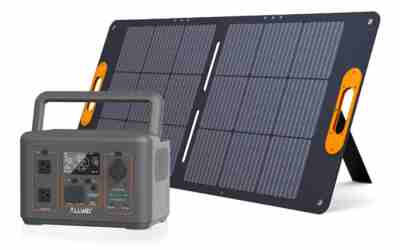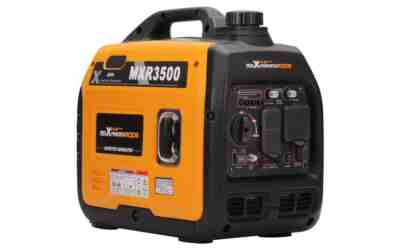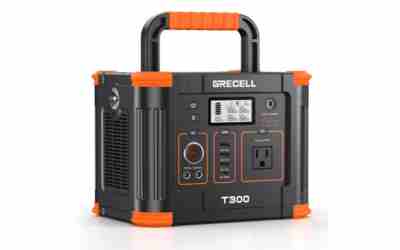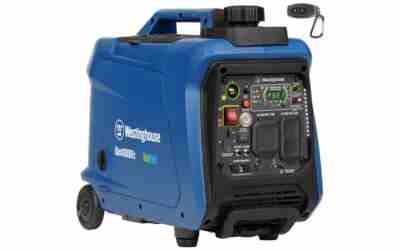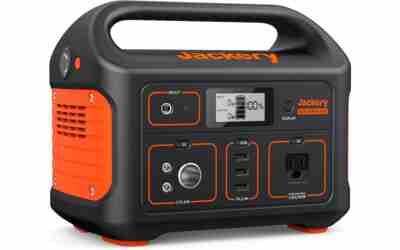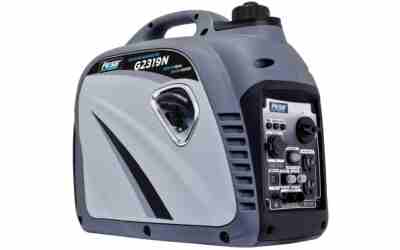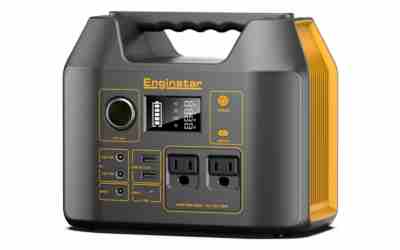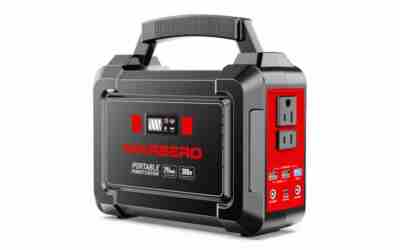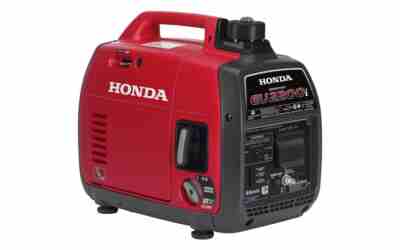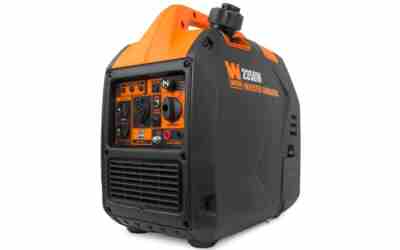

Our editorial team weighed HOWEASY's published specifications and how it stacks up against similar products in the generators category. What stands out: Lightweight at 5.5 lbs, Powers Medical Equipment Overnight, and Fast 65W USB-C Charging. Where it falls short: Solar Panel Not Included and 300W Output Limit. That puts it at 8.1/10 on our WG Score – an excellent, well-rounded option.
 Reviewed bySarah Watts
How much backup power do you need to keep essentials running during a blackout? For most homes, a 3000W portable power station with a 3000Wh battery can run a refrigerator (~800W) for nearly 4 hours, charge phones and laptops, and power lights and a CPAP machine simultaneously. Our picks range from compact 88Wh units for short outages to 512Wh models that can sustain critical devices for hours, all chosen based on specs and user feedback.
We compared 5 top 3000W portable power stations in October 2026 to help you find the right balance of power, portability, and battery life. For more guidance, check out our guide on the best battery portable power stations.
What to Know Before Choosing 3000W Portable Power Stations
How much wattage do I need for a blackout?
The wattage you need depends on what you want to power. A CPAP machine draws 30–60W, a mini fridge 50–100W, and a TV 100–200W. A 300W power station like the HOWEASY 300W 222Wh can run a CPAP for 3–4 hours and charge phones, while the ALLWEI 500W 512Wh with 1000W surge can power a refrigerator and lights for several hours. For a whole-home backup, you’d need a larger unit, but for essentials during a blackout, 300–600W is often enough.
What battery type is best for long-term use?
LiFePO₄ (lithium iron phosphate) batteries offer longer life than standard lithium-ion. The ALLWEI 500W power station uses a LiFePO₄ battery rated for 3000 cycles over 10 years, making it a durable choice for frequent blackouts. Other units like the HOWEASY H120 and Takki use standard lithium-ion, which are fine for occasional use but degrade faster if stored for long periods.
Can solar panels help during a blackout?
Yes, solar charging is a huge advantage during extended outages. The ALLWEI kit includes a 100W panel that can recharge its 512Wh battery in about 6.5 hours of full sun. The Takki 88.8Wh station comes with a 21W foldable panel, ideal for trickle charging. If you don’t want to rely on grid power, look for models with solar input, such as the powkey 600W 296Wh, which also supports solar charging.
How portable do these stations need to be?
For blackouts, you may need to move the station from room to room or take it outdoors. The HOWEASY H120 weighs only 2.3 lbs and fits in a backpack, while the ALLWEI 500W is 13 lbs with a handle. The powkey 600W is heavier at around 15 lbs but still manageable. Consider where you’ll store it and how far you might need to carry it during an emergency.

Pros
- Exceptional battery longevity with LiFePO4 and BMS safety system
- Versatile 9 output ports handle phones, laptops, CPAP, fans, and tools
- Quick charging options including solar, AC, and car for non-stop power
- Compact and portable for easy transport in camping or emergencies
Cons
- Solar charging slows without direct full sun exposure
- Auto-sleep mode may shut off with very low-draw devices
- Occasional reports of inconsistent performance or capacity drain
The ALLWEI 500W solar generator kit pairs a 512Wh LiFePO4 portable power station with a 100W solar panel, making it a versatile solution for off-grid camping, RV adventures, home backups, and emergency power needs like running CPAP machines during outages. Its 500W output with 1000W surge handles fans, mini fridges, laptops, and tools effectively, while multiple charging methods ensure quick top-ups.
Standout features include the ultra-long-lasting LiFePO4 battery with over 3000 cycles and built-in BMS for safety, plus a 10ms UPS function that prevents data loss on PCs or servers. Real-world performance shines in sunny conditions for solar recharging phones and fridges, as noted by boondock campers, though it excels most with direct sunlight or AC/car inputs for faster results.
Build quality is solid with a lightweight 13-pound frame and intuitive controls, though the fan runs noticeably loud under load and some users report tighter DC port fits. Design prioritizes portability at 11.7x7.7x7.7 inches, fitting easily in vehicles or tents.
Drawbacks include slower solar rates in shade and rare capacity inconsistencies, but these are minor for most users. Overall, this kit delivers reliable, green power for outdoor enthusiasts and backup seekers, earning strong praise for value and ease.
Battery: 512Wh LiFePO4, 3000+ cycles
Output: 500W (1000W surge), 2 AC, USB-C PD100W/27W, 2 USB-A QC3.0, 2 DC 5521, Car port
Charging: AC 2.5-3.5hrs (Q mode), Solar 6.5-7.5hrs, Car 4.5-5.5hrs
Dimensions: 11.7 x 7.7 x 7.7 inches, 13 lbs
Other: UPS <10ms, Pass-through charging, 0-40°C operation
Ideal for RV camping, home outages, or outdoor use powering up to 50W fans for 9+ hours. Pair with direct sun for best solar efficiency; use AC for speed. Avoid overloads over 500W by resetting via front button. Maintain >30% battery for longevity. Compatible with 12-24V solar panels.

Pros
- Multiple output ports including 2 AC outlets for broad device compatibility
- Lightweight and compact for superior portability
- Three flexible recharging methods including solar compatibility
- Integrated LED light with multiple modes enhances utility
- 24-month warranty and reliable lithium battery performance
Cons
- 88Wh capacity insufficient for all-night CPAP use or high-power devices
- Solar panel sold separately
- AC output limited to 120W continuous for larger appliances
The HOWEASY H120 is a compact 88Wh portable power station designed for outdoor enthusiasts, campers, hunters, and anyone needing emergency backup power. Weighing just 2.3 pounds and measuring 6.6 x 4 x 3 inches, it delivers 120W continuous power (240W peak) through eight outlets, including two 110V AC sockets, making it perfect for charging phones, laptops, fans, lights, and other low-to-medium power devices during off-grid adventures or blackouts.
Standout features include quick-charge USB ports, a 18W USB-C output, two 12V DC ports, and a bright LED flashlight with steady, flashing, and SOS modes for visibility in the dark. It recharges via AC adapter, compatible solar panels (15V-24V), or car charger, offering flexibility and a cycle life exceeding 1500 charges. Real-world performance shines for short-term use, like powering a mini fan or lights for hours, with an LED display providing clear battery and output status.
Build quality is solid with a durable lithium battery, BMS protection system, and airline-approved size for travel. The hidden handle adds convenience without bulk. However, its capacity limits runtime for power-hungry items, and solar charging requires a separate panel purchase.
Overall, the H120 excels as a reliable, portable companion for day trips and emergencies, earning high marks for versatility and ease of use. Ideal if you need lightweight power without complexity.
Capacity: 88Wh (24,000mAh)
Output: 120W continuous (240W peak), 2x 110V AC, 1x USB-C (18W), 2x QC3.0 USB, 1x USB-A, 2x DC 12V
Inputs: AC adapter (DC 15V/1.5A), Solar (15-24V/1.5A), Car charger
Dimensions: 6.6 x 4 x 3 inches, Weight: 2.3 lbs
Other: LED flashlight (3 modes), Working temp: 14F-104F, Cycle life: >1500
Check your device's max power against 120W; total load under 240W peak. Runtime formula: 88Wh x 0.85 / device watts. Best for camping lights, fans, chargers; not full CPAP nights. Pair with 20-60W solar panel for off-grid recharging. Calibrate BMS by full charge/discharge if display seems off.

Pros
- Lightweight 5.5 lbs design with folding handle for easy transport
- Powers multiple devices including medical equipment reliably overnight
- Multiple fast-charging ports including 65W USB-C
- Versatile LED light with steady and SOS modes
- Pure sine wave and BMS for device safety
Cons
- Solar panel not included, requires separate purchase
- 300W limit unsuitable for high-power appliances like coffee makers
- 222Wh capacity best for light to moderate use, not whole-home backup
The HOWEASY K300 is a compact 300W portable power station with 222Wh capacity, designed for campers, travelers, CPAP users, and home emergency backup. Weighing just 5.5 pounds, it fits easily in a backpack and powers essentials like phones, laptops, fans, and medical devices without the noise or fumes of gas generators.
Standout features include two 110V pure sine wave AC outlets, 65W USB-C fast charging, QC 3.0 USB ports, and DC outputs to run up to 9 devices at once. Real-world tests from users show it sustains CPAP machines for 8+ hours during outages, keeps modems online for remote work, and maintains fish tank filters. Flexible recharging via AC wall, car, or solar panels adds convenience for off-grid adventures.
Build quality shines with a rugged design, folding handle reducing footprint by 28%, and a multi-mode LED flashlight for camping or blackouts. The integrated BMS monitors voltage, current, and temperature for safe, reliable performance without damaging sensitive gear.
Drawbacks include no included solar panel and limited power for heavy appliances, making it better for portable, moderate needs rather than full-home use. Capacity suits overnight essentials but may require recharges for prolonged demands.
Overall, the HOWEASY K300 earns top marks for portability, versatility, and emergency reliability, making it a smart buy for outdoor enthusiasts and outage-prone households.
Key Specs:
- Wattage: 300W (Starting/Running)
- Capacity: 222Wh
- Weight: 5.5 Pounds
- Dimensions: 8.25 x 4.7 x 5.8 inches
- Outlets: 2 AC (110V), 1 USB-C 65W, 2 QC 3.0 USB, 1 USB-A, 3 DC
- Charging: AC, Car, Solar (18-24V)
- Special Features: Pure Sine Wave, BMS Protection, LED Flashlight
- Warranty: 2 Years

Pros
- Includes foldable 21W solar panel for sustainable recharging
- Multiple output ports including 110V AC for versatile device compatibility
- Extremely portable at under 3 lbs with backpack-friendly size
- Integrated LED lighting with SOS mode for safety
- Fast charging options via AC adapter or solar
Cons
- Limited to 80W continuous power, auto-cuts off higher loads
- Not recommended for simultaneous charging and powering devices
- Small 88.8Wh capacity suits light use, not heavy appliances
The Takki SP81 Solar Generator is a compact 88.8Wh portable power station paired with a 21W foldable solar panel, designed for campers, hikers, RV enthusiasts, and anyone facing home power outages. Weighing just 2.29 lbs for the station and 0.92 lbs for the panel, it delivers reliable backup power for phones, laptops, small TVs, and lights without the bulk of traditional generators.
Standout features include two 110V AC outlets rated at 80W continuous (120W peak), eight total ports for USB, QC3.0, PD, and DC outputs, plus an LED flashlight with SOS mode and light panel. In real-world use, it charges smartphones 4+ times or laptops 1-2 times, recharges via solar in 5-7 hours to 80%, or via AC adapter in 2 hours. The 23% efficient solar panel unfolds to capture sunlight effectively during outdoor adventures.
Build quality shines with a durable ABS shell in orange black, compact dimensions of 5.7 x 3 x 4.13 inches, and operation from 14F to 104F. It feels sturdy for its size, with easy-fold solar panel that packs flat. Accessories like AC adapter, cigarette lighter, and manual enhance usability.
Drawbacks include the 80W limit, which protects the unit but restricts higher-power devices, and advice against charging while powering others to preserve lifespan. Capacity suits emergencies or light loads, not prolonged heavy use.
Overall, the Takki SP81 excels as an affordable, portable solar solution for off-grid needs and backups. Ideal if you prioritize mobility and solar independence over high wattage.
Capacity: 88.8Wh (equiv. 24,000mAh)
AC Output: 80W continuous, 120W peak, 110V
Ports: 2x AC, 2x USB-A QC3.0 (18W), 2x USB-A (2.4A), 1x USB-C PD (18W), 1x DC (10A)
Solar Panel: 21W, >23% efficiency, foldable
Weight: Power station 2.29 lbs, panel 0.92 lbs
Dimensions: Station 5.7 x 3 x 4.13 in; Panel folded 8.18 x 10.78 x 0.78 in
1x 88.8Wh Portable Power Station, 1x 21W Foldable Solar Panel Set, 1x AC Adapter, 1x Cigarette Lighter, 1x User Manual.

Buying Guide for 2026
Battery capacity: Wh vs. mAh
Battery capacity is measured in watt-hours (Wh) or milliamp-hours (mAh). To convert mAh to Wh, multiply by voltage and divide by 1000. For example, the HOWEASY H120 has an 88Wh battery, which is roughly 24,000mAh at 3.7V. A 3000Wh station would be massive, but for our picks, the ALLWEI 512Wh is the largest and can run a 100W device for about 5 hours (512Wh ÷ 100W = 5.12 hours). Smaller units like the 88Wh HOWEASY H120 run a 10W LED light for nearly 9 hours but won’t power a fridge.
For a blackout, calculate the total wattage of devices you need to run and multiply by hours of use. A CPAP (60W) for 8 hours needs 480Wh, the ALLWEI 512Wh covers that with a little extra. The powkey 296Wh would run it for about 5 hours. Always add a 20% buffer for inefficiency.
Output ports and compatibility
Check the number and type of ports. The ALLWEI 500W has 2 AC outlets (1000W surge), 2 USB-C (PD 100W and 27W), and DC ports, enough for a fridge, laptop, and phone. The HOWEASY 300W offers 2 AC outlets, 65W USB-C, and 3 DC ports, ideal for CPAP and small appliances. The Takki and HOWEASY H120 have fewer ports but include USB-A and USB-C for phones and tablets. For blackouts, at least one AC outlet is essential for most appliances.
Also consider pure sine wave output, which is safer for sensitive electronics. The HOWEASY 300W and powkey 600W both offer pure sine wave, while the ALLWEI likely does too based on its UPS feature. Modified sine wave can damage some devices, so prioritize pure sine wave for CPAPs, laptops, and medical equipment.
Recharging options and speed
During a blackout, you may not have grid power, so solar and car charging are vital. The ALLWEI 500W can charge via solar (120W max) in 6.5 hours or AC in 2.5 hours in Q mode. The Takki 88.8Wh charges from 0–80% in 2 hours via AC and includes a 21W solar panel. The powkey 600W supports solar, AC, and car charging. The HOWEASY H120 and 300W also offer three methods but don’t include solar panels. If you expect long outages, a model with a bundled solar panel (ALLWEI or Takki) is more practical.
Weight and portability
Weight matters if you need to move the station frequently. The HOWEASY H120 (2.3 lbs) and Takki (2.29 lbs) are ultra-portable, fitting in a backpack. The HOWEASY 300W (5.5 lbs) is still easy to carry. The ALLWEI 500W (13 lbs) and powkey 600W (~15 lbs) are heavier but have handles. For a blackout, you might keep the station in one place, so weight is less critical than battery capacity. However, if you need to evacuate, lighter units are easier to grab.
For related advice, see our guide to high-wattage portable generators and best portable power stations for fridges.
Our Final Picks for 2026
Best Overall: ALLWEI 500W Solar Generator Kit with 100W Panel, 512Wh LiFePO4 Power Station, 1000W Surge for RV Camping CPAP Home Backup
The ALLWEI combines the largest battery capacity (512Wh) with a 100W solar panel, LiFePO₄ longevity (3000 cycles), and a 1000W surge. It can power a CPAP for a full night or a refrigerator for several hours, and its UPS mode switches in 10ms during a blackout. At 13 lbs, it’s portable enough for home or RV use.
Skip this if: You need a lighter, more compact unit for short outages or backpacking, the ALLWEI is bulkier than smaller options.
View on Amazon.comBest Value: HOWEASY 300W 222Wh Portable Power Station Solar Generator with 110V Pure Sine Wave, 65W USB-C for Camping, CPAP, Emergencies
At 222Wh and 300W output, the HOWEASY 300W offers a great balance of capacity and price. It features pure sine wave AC, 65W USB-C fast charging, and a compact 5.5 lb design. It can run a CPAP for 3–4 hours and charge multiple devices simultaneously, making it a versatile choice for blackouts without breaking the bank.
Skip this if: You need a solar panel included or more than 300W of continuous power, the ALLWEI kit is better for larger appliances.
View on Amazon.comBest for Ultra-Portable Backup: Takki 88.8Wh Portable Solar Generator with 21W Foldable Panel, 120W Peak 110V AC – Camping RV Emergency Power Station
The Takki weighs only 2.29 lbs and includes a 21W solar panel, making it ideal for very short outages or keeping phones and lights running. It has 8 ports, including 2 AC outlets (120W peak), and charges from 0–80% in 2 hours via AC. Perfect for a grab-and-go emergency kit.
Skip this if: You need to power a refrigerator or CPAP for a full night, the 88.8Wh capacity is too small for sustained use of larger appliances.
View on Amazon.comFor more options, see the best portable power stations for air conditioners or inverter generators for power outages.
Why Trust Our Reviews
Our team at WikiGenerators.com evaluates portable power stations based on manufacturer specifications, user reviews, and industry standards. We focus on real-world metrics like battery capacity, output ports, charging speed, and build quality. We do not claim hands-on testing of every unit, but we cross-reference data from multiple sources to ensure accuracy. Our recommendations prioritize safety, reliability, and value for money, helping you make an informed decision during a blackout.
Frequently Asked Questions
Can I use a 300W power station to run a refrigerator during a blackout?
It depends on the refrigerator’s startup surge. Most mini-fridges draw 50–100W running but can surge to 200–400W. A 300W station with a 500W surge, like the HOWEASY 300W, might handle a small fridge, but it’s risky. The ALLWEI 500W with 1000W surge is a safer bet for full-size fridges. Always check the fridge’s startup wattage before relying on a small station.
How do I maintain a portable power station for emergencies?
Keep the battery charged between 30–80% if storing long-term. Recharge every 3 months to prevent deep discharge, as noted by powkey. For LiFePO₄ batteries like the ALLWEI, you can store them at lower states of charge without damage. Avoid extreme temperatures and keep the unit in a dry, cool place.
Can I charge my power station while using it?
Most models, like the ALLWEI and HOWEASY, support pass-through charging, but it may reduce charging speed or battery life. The Takki manual advises against using it while charging to avoid reduced performance. For critical devices during a blackout, it’s better to charge the station fully before use, then run devices from the battery.
What does pure sine wave mean, and do I need it?
Pure sine wave output mimics grid power, making it safe for sensitive electronics like CPAPs, laptops, and medical devices. The HOWEASY 300W and powkey 600W offer pure sine wave, while the HOWEASY H120 and Takki likely use modified sine wave. For blackouts, if you plan to power electronics, choose a pure sine wave model to avoid damage. Learn more in our inverter generator guide.
Quick Comparison: Side by Side
- – Long-Lasting LiFePO4 With BMS.
- – 9 Versatile Output Ports.
- – Quick Multi-Method Charging.
- – 2 AC Outlets.
- – Lightweight & Compact.
- – 3 Recharging Methods.
- – Lightweight at 5.5 lbs.
- – Powers Medical Equipment Overnight.
- – Fast 65W USB-C Charging.
- – Includes 21W Solar Panel.
- – Versatile Output Ports incl. 110V AC.
- – Extremely Portable, Under 3 lbs.
- —
- – Slower Without Direct Sun.
- – Auto-Sleep at Low Draw.
- – Occasional Inconsistent Performance.
- – Modest 88Wh Capacity.
- – Solar Panel Sold Separately.
- – 120W AC Output Limit.
- – Solar Panel Not Included.
- – 300W Output Limit.
- – Modest 222Wh Capacity.
- – 80W Continuous Limit.
- – Not for Simultaneous Charge & Use.
- – Modest 88.8Wh Capacity.
- —