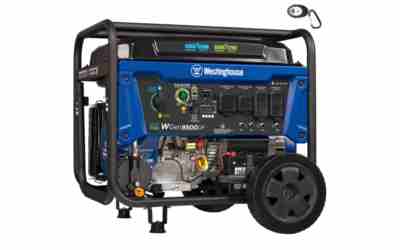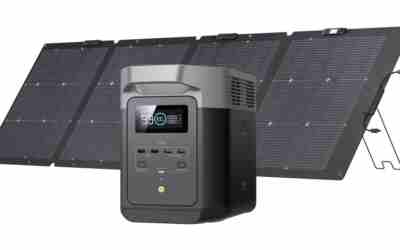

Our editorial team weighed Westinghouse Outdoor Power Equipment's published specifications and how it stacks up against similar products in the generators category. What stands out: Ultra-Quiet at 52dBA, 18-Hour Runtime, and Clean Power for Electronics. Where it falls short: Minor Oil/Fuel Odor on Arrival and Propane Tank/Hose Sold Separately. That puts it at 8.7/10 on our WG Score – an excellent, well-rounded option.
 Reviewed byTristan
Whether you’re facing a multi day grid outage, setting up camp at a remote site without hookups, need quiet overnight power for your RV, or require a reliable power source for a job site, a portable propane generator offers the perfect blend of fuel efficiency and convenience. Propane burns cleaner than gasoline, extends engine life, and is easier to store long term. In this guide, we’ve narrowed down the top models based on real specs and user feedback to help you find the best fit for your situation. For more on compact options, check out our best small portable propane generators review.

Pros
- Extremely quiet operation at 52 dBA for peaceful use
- Multiple outlets including RV-ready and USB for versatile powering
- Dual fuel capability adds convenience and availability
- LED data center displays real-time stats like runtime and voltage
- Portable design with telescoping handle and never-flat wheels
Cons
- Weighs 62.8 pounds, challenging for one person to transport long distances
- May have initial residual oil or fuel odor from factory testing
- Propane hose required for LPG use, though included
The Westinghouse iGen4000DFc is a versatile dual fuel inverter generator designed for campers, RVers, tailgaters, and homeowners needing reliable portable power. With 4000 peak watts and 3300 running watts, it handles essentials like refrigerators, lights, and electronics while delivering clean sine wave power under 3% THD to protect sensitive devices.
Standout features include a super quiet 52 dBA operation, economy mode for up to 7 hours on a 1.69-gallon gas tank, and dual fuel support for gasoline or propane. The RV-ready TT-30R outlet, household duplex, and USB ports make it ideal for travel trailers or home backups. Remote start via key fob, electric push-button, or recoil ensures easy use, while the rotating LED data center shows voltage, runtime, and more for real-time monitoring.
Build quality shines with a lightweight 62.8-pound frame, telescoping suitcase-style handle, and never-flat wheels for easy portability. Safety features like automatic CO and low oil shutdown provide peace of mind. It's EPA compliant with a 3-year warranty and lifetime support.
Potential drawbacks include its weight for solo carrying and possible factory residual odor. Overall, it excels in quiet, efficient performance for recreational and emergency needs.
Verdict: A top choice for those prioritizing quiet, clean power and versatility in a portable package. Highly recommended for RV enthusiasts and campers seeking dependable backup power.
Power: 4000 peak watts, 3300 running watts, 120V, 60Hz
Fuel: Gasoline or Propane (Dual Fuel), 1.69-gallon (12.8L) tank, up to 7-hour runtime
Outlets: TT-30R RV Ready, 5-20R duplex, two USB, total 6 outlets
Features: CO sensor, remote/electric start, LED display, <3% THD, 52 dBA noise
Dimensions: 21.3 x 12.6 x 19.3 inches, 62.8 lbs, blue color

Pros
- Exceptionally quiet and fuel-efficient performance praised in real-world tests
- Multiple easy start options including reliable remote fob
- Portable design with telescoping handle and wheels for easy mobility
- RV-ready outlets and USB ports handle diverse power needs
- Automatic safety features like low oil and overload protection
Cons
- Heavy at 105.8 pounds, best moved by two people despite wheels
- Electric starter can be finicky on initial uses or when warm
- Remote start requires manual switch toggle, limiting full remote convenience
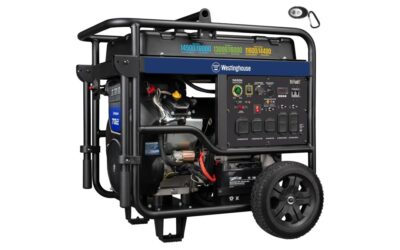
The Westinghouse iGen5000DFc is a premium dual fuel inverter generator delivering 5000 peak watts and 3900 running watts, perfect for RV camping, tailgating, or home emergency backup. Its variable speed engine adjusts output for efficiency, making it a go-to for users needing clean, stable power for sensitive electronics like laptops and TVs without surging or distortion.
Standout features include a super quiet 52 dBA noise level, rivaling conversation volume, and an impressive 18-hour runtime on gasoline in economy mode. Reviewers highlight its effortless remote electric start, LED data center displaying runtime, fuel, and load, plus dual fuel capability for propane versatility during outages or remote trips. It powers space heaters, fridges, and multiple devices simultaneously without faltering, backed by real-user tests.
Build quality shines with a lightweight 105.8-pound frame, telescoping suitcase handle, and wheels for one-person transport over varied terrain. The durable enclosure houses a 224cc 4-stroke engine with safety shutoffs for low oil, overload, and CO detection. Accessories like oil, propane hose, and tools arrive ready-to-use, with intuitive controls earning praise for arthritis-friendly handling.
Minor drawbacks include the weight requiring two-person lifting from the box and occasional starter hiccups on first runs, resolved by persistence or recoil. Panels may vibrate slightly under load, and full remote use needs the main switch on.
Overall, the iGen5000DFc excels as a reliable, quiet powerhouse for recreational and backup needs, with strong performance and safety features justifying its spot among top inverters. Highly recommended for those prioritizing portability and clean power.
Power: 5000 peak watts / 3900 running watts at 120V, 60Hz
Fuel: Dual fuel (gasoline 3.4 gal tank / propane), up to 18-hour runtime
Outlets: TT-30R RV-ready, 5-20R duplex (x2), USB (x2); 5 total
Features: Remote electric start, CO sensor, <3% THD, economy mode, LED data center
Dimensions: 24.5 x 17.5 x 20 inches; 105.8 lbs; Blue color
Warranty: 3-year limited with lifetime tech support
Users rave about the quiet operation comparable to smaller units, easy setup with included oil and tools, and reliable power for fridges, heaters, and camping gear. Many note quick propane starts and accurate load metering.
Positive highlights include sturdy packaging, wheels aiding mobility for those with mobility issues, and strong break-in performance under 50% load. International buyers confirm solid arrival and performance.
Some mention initial startup needs patience to clear residual oil, and suggest silencers for overnight camping quietness.
Which Portable Propane Generators Fit Your Situation?
You need a powerful, long running generator for a multi day grid outage or large RV
The Westinghouse iGen5000DFc delivers 5000 peak watts and 3900 rated watts on propane, with up to 18 hours of runtime on a 3.4 gallon gas tank (similar on propane). Its remote start, CO sensor, and parallel capability make it a top choice for serious backup power. The LED data center keeps you informed of fuel level and power output.
Skip this if: you need a lighter, more portable unit for weekend camping trips where weight and size matter more than maximum runtime.
View on Amazon.comYou want a quiet, efficient generator for a weekend campsite or tailgating
The Westinghouse iGen4000DFc is a superb mid range option at 4000 peak watts (3300 rated) with a noise level as low as 52 dBA, comparable to a normal conversation. Its compact size and telescoping handle make it easy to transport, while the CO sensor adds safety for close quarters.
Skip this if: you need enough power to run a central air conditioner or well pump during an extended outage; step up to the iGen5000DFc for the extra headroom.
View on Amazon.comYou need a balance of power and portability for RV travel and home backup
The Westinghouse iGen5000DF offers the same 5000 peak/3900 rated watts as the DFc but without the CO sensor, making it a slightly more budget friendly choice for those who prioritize power and runtime. With a TT 30R RV ready outlet and dual fuel capability, it’s a versatile companion for travel trailers and home essentials. For more on RV specific generators, see our best quiet generators for 30 amp RV guide.
Skip this if: you plan to use the generator in enclosed or semi enclosed spaces; the CO sensor on the DFc model is a critical safety feature you shouldn’t skip.
View on Amazon.comBuying Guide for 2026
Understanding Power Output: Peak vs. Rated Watts
Peak watts (or starting watts) handle the surge when a motor starts, like a refrigerator compressor or air conditioner. Rated watts (running watts) sustain continuous operation. For example, the Westinghouse iGen5000DFc provides 5000 peak and 3900 rated watts. A typical RV air conditioner may draw around 1500 running watts but spike to 2500 on startup, so a 3900 rated watt unit has plenty of headroom. To estimate your needs, add up the running watts of everything you plan to power simultaneously, then add the highest single starting surge.
Fuel Type: Propane vs. Gasoline
Propane burns cleaner, causes less engine wear, and can be stored indefinitely without degradation. Gasoline offers higher energy density and is more widely available, but degrades over time and requires stabilizers. Dual fuel generators like these three Westinghouse models let you choose based on availability and preference. For a 3 day outage running a 1500 watt load continuously, a 3.4 gallon gas tank at full load provides roughly 18 hours of runtime; on propane, a standard 20 lb tank (about 4.7 gallons propane equivalent) would give similar or slightly less runtime depending on efficiency.
Noise Level and Inverter Technology
Inverter generators produce cleaner power (less than 3% THD) suitable for sensitive electronics like laptops and CPAP machines. They also run quieter and more fuel efficiently than conventional generators. All three Westinghouse models operate as low as 52 dBA, about the volume of a normal conversation, making them ideal for campgrounds and neighborhoods with noise restrictions. Economy mode further reduces fuel consumption and noise by adjusting the engine speed to match the load.
Portability and Outlets
Look for features like telescoping handles, flat free wheels, and a compact footprint. All three generators include a TT 30R RV ready outlet, two 20A household outlets, and USB ports. The LED data center displays fuel level, power output, remaining runtime, and voltage, so you can monitor performance at a glance. For more on portable options, browse our best portable small generators roundup.
Quick Comparison: Side by Side

- – Ultra-Quiet at 52dBA.
- – 18-Hour Runtime.
- – Clean Power for Electronics.
- – Extremely Quiet at 52dBA.
- – RV-Ready & USB Outlets.
- – Dual Fuel Flexibility.
- – Quiet & Fuel-Efficient.
- – Remote Fob Start.
- – Telescoping Handle & Wheels.
- – Minor Oil/Fuel Odor on Arrival.
- – Propane Tank/Hose Sold Separately.
- – Shorter Runtime Under Heavy Load.
- – Heavy at 62.8 lbs.
- – Minor Residual Oil Odor.
- – Propane Hose Required (Included).
- – Heavy at 105.8 lbs.
- – Finicky Electric Starter.
- – Remote Needs Manual Switch Toggle.
Why Trust Our Reviews
Our team of researchers and outdoor enthusiasts evaluates portable generators based on publicly available specifications, user feedback across multiple platforms, and industry standards. We do not receive free products or payment for positive reviews. Every recommendation is independent and data driven, focusing on real world performance, reliability, and value. Our goal is to help you make an informed purchase with confidence.
Frequently Asked Questions
Can I run a portable propane generator indoors?
No. Even though propane burns cleaner than gasoline, portable generators still produce carbon monoxide (CO). Always operate them outdoors at least 20 feet from windows, doors, and vents. Models with built in CO sensors, like the Westinghouse iGen4000DFc and iGen5000DFc, provide an extra layer of safety by automatically shutting down if CO levels become dangerous.
How long does a 20 lb propane tank last on a generator?
Runtime depends on the load. At 50% load (around 2000 watts), a 20 lb propane tank can last approximately 10 to 15 hours on a 5000 watt class dual fuel inverter generator. At full load (3900 watts), runtime drops to roughly 6 to 8 hours. The Westinghouse iGen5000DFc can run up to 18 hours on a full gas tank at 25% load, but propane runtime will be similar or slightly less due to lower energy density.
Are dual fuel generators more expensive to maintain?
Not necessarily. Propane burns cleaner than gasoline, which can reduce carbon buildup and extend engine life. However, you may need to clean the carburetor and fuel system if you switch between fuels frequently. Regular oil changes and air filter maintenance are the same as with any generator. For more maintenance tips, check our Reviews category for related guides.
Can I parallel two Westinghouse inverter generators?
Yes, all three models in this roundup are parallel capable, meaning you can connect two identical units with a parallel kit to double your available power. This is useful for running larger appliances or for backup when you need more than 5000 peak watts. Always use the manufacturer recommended parallel kit for safe operation.
What size generator do I need for my RV?
For most RVs, a 3000 to 4000 watt generator is sufficient to run a 13,500 BTU air conditioner, refrigerator, lights, and a few small appliances. If you have a 15,000 BTU AC or want to run multiple high draw devices simultaneously, consider a 5000 watt model like the Westinghouse iGen5000DFc. Always check the startup surge of your AC unit and add 20% headroom for safety.