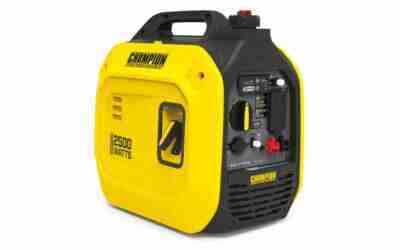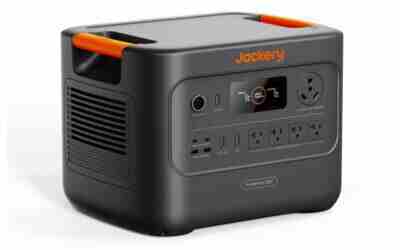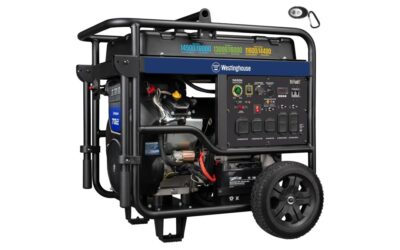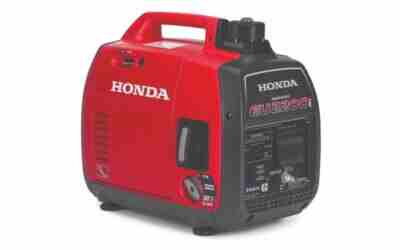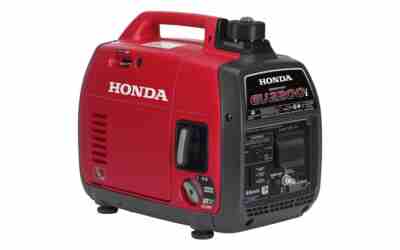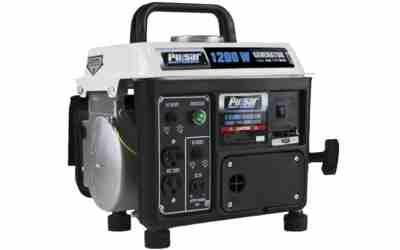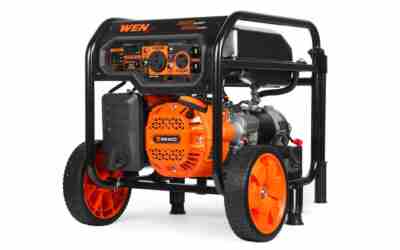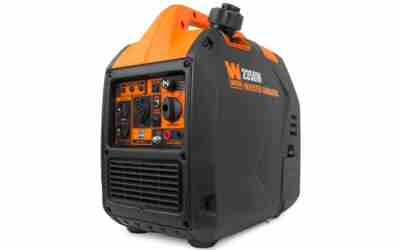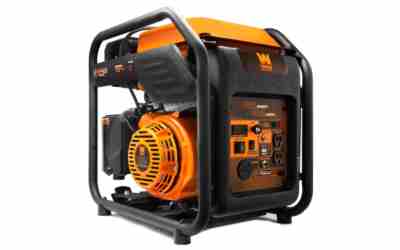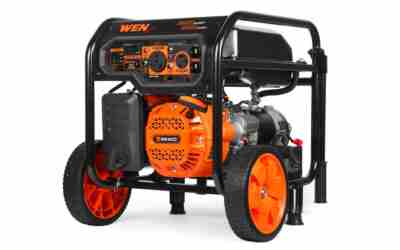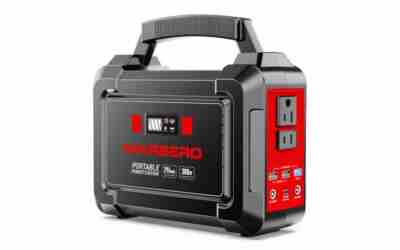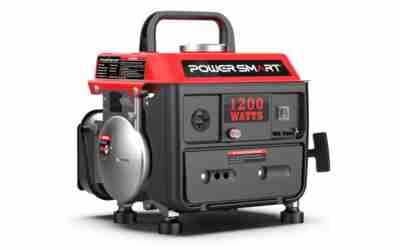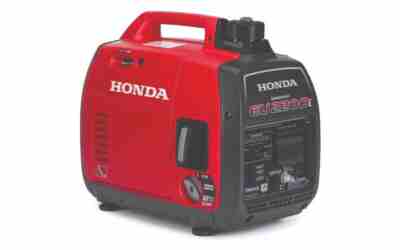

Our editorial team weighed 's published specifications and how it stacks up against similar products in the generators category. What stands out: Exceptionally Quiet, Lightweight & Durable, and Electric Start. Where it falls short: Needs Gasoline Refueling and Occasional Battery Maintenance. That puts it at 8.2/10 on our WG Score – an excellent, well-rounded option.
 Reviewed byEthan
When you are planning a road trip or preparing for unexpected power outages, having a reliable source of electricity can make all the difference. 50 amp RV generators are essential for keeping your RV appliances running smoothly, from air conditioners to microwaves, ensuring comfort and convenience wherever you go. In October 2026, we have analyzed 5 top models to help you find the perfect match for your needs. Whether you are a full time RVer or a weekend camper, our guide covers key factors like wattage, fuel type, noise level, and portability. For more insights, check out our Best Portable Generators for RV Camping (2026 Buyer’s Guide).
Our team has evaluated these generators based on their specifications, user feedback, and overall value. We focus on models that offer the right balance of power and features for RV use, including dual fuel capabilities, inverter technology for clean power, and safety features like CO shutdown sensors. Whether you need a lightweight unit for occasional trips or a heavy duty generator for extended boondocking, this guide has you covered. Let us dive into the top picks for 2026.

Pros
- Dual fuel capability reduces dependency on single fuel source
- Quiet operation suitable for residential and campground use
- Reliable recoil start and solid build quality noted in reviews
- Clean inverter power protects laptops and medical equipment
Cons
- Manual recoil start requires physical effort in cold weather
- Runtime limited to around 4 hours at 50% load on a full tank
- Propane mode delivers slightly lower peak output than gasoline
The PowerSmart 3800 Watt Dual Fuel Inverter Generator delivers portable power for home backup, camping, and tailgating. It runs on gasoline or propane and produces clean sine wave electricity suitable for electronics.
Users highlight easy starting, steady voltage output, and sufficient power for appliances, lights, and RV air conditioning. The CO safety sensor and overload protection add reliable safeguards during extended operation.
At 50.7 pounds with a compact footprint, the unit moves easily between locations. Noise levels remain acceptable for most outdoor settings while the parallel-ready feature allows capacity expansion when needed.
Drawbacks include the manual start mechanism and shorter runtime compared to larger stationary models. Overall it provides good value for users who need mid-range portable inverter power without excessive bulk.

Pros
- Ample power for multiple appliances and tools
- Safety-focused CO sensor and multiple outlet types
- Long runtime reduces downtime
- Electric start simplifies use
- Three-year warranty and service support
Cons
- At 120 pounds, requires two people for frequent moves
- Gas-powered needs regular fuel and maintenance
- Larger size may limit storage in small vehicles
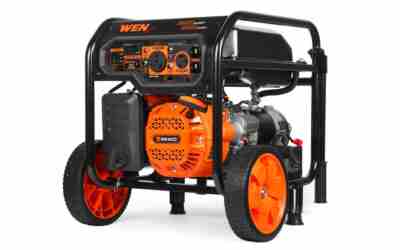
The WEN GN5602X is a robust 5600-watt starting portable generator powered by a 224cc four-stroke engine, designed for RVers, campers, job sites, and home backup needs. It excels in delivering consistent power to essentials like refrigerators, AC units, power tools, and RV appliances, with RV-ready and transfer-switch outlets for versatile connectivity.
Standout features include electric start for push-button ease, a CO shutdown sensor for family safety by detecting and halting high carbon monoxide levels, and up to 12.5 hours of runtime on a 4.3-gallon tank. The onboard digital meter tracks voltage, frequency, and runtime, helping users monitor efficiency during extended use. Multiple outlets, including two 120V 20A, one 30A RV TT-30R, and one 30A L5-30R, support simultaneous device operation without overload worries.
Build quality shines with a durable frame, wheel kit for mobility, and compact dimensions of 22.44 x 16.93 x 18.5 inches. WEN's legacy since 1951 ensures reliable performance backed by a three-year warranty and service network. While heavy at 120 pounds, the transport aids make it manageable for most users.
Potential drawbacks include its weight for solo handling and reliance on gasoline, which demands storage and refills. Noise levels typical of conventional generators may disturb quiet campsites.
Overall, the GN5602X offers exceptional value for demanding power needs, earning high marks for safety, runtime, and versatility. Ideal for those prioritizing dependable backup without complexity.
Power: 5600 starting watts, 4500 running watts
Engine: 224cc 4-stroke, electric start
Fuel & Runtime: Gasoline, 4.3-gallon tank, up to 12.5 hours at half load
Outlets: 1x 30A TT-30R (RV), 1x 30A L5-30R (transfer switch), 2x 120V 20A 5-20R
Dimensions & Weight: 22.44"L x 16.93"W x 18.5"H, 120 lbs
Other: CO sensor, wheel kit, digital data meter, 60Hz, 120V
Pros
- Exceptionally quiet operation ideal for recreational use
- Lightweight and durable for superior portability
- Electric start simplifies use in any condition
- Clean power output protects electronics
- CARB compliant for use in all states
Cons
- Requires gasoline refueling for extended runtime
- Battery may need occasional maintenance or charging
- Not designed for whole-home backup applications
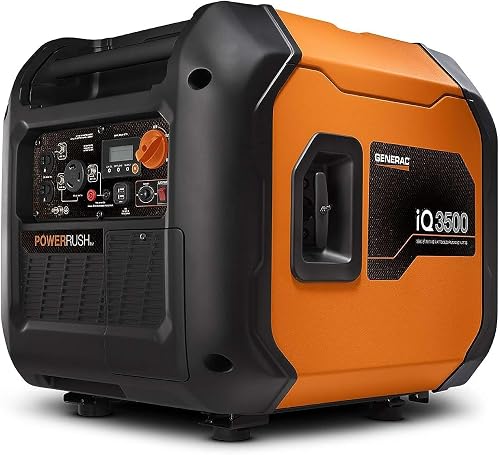
The Generac iQ3500 is a versatile 3,500-watt portable inverter generator tailored for outdoor enthusiasts, tailgaters, campers, and professionals on jobsites who need reliable, clean power without the bulk of traditional generators. Its lightweight yet rugged build makes it easy to transport, while delivering enough juice for small appliances, tools, and sensitive electronics like laptops during outages or adventures.
Standout features include the innovative PowerDial for seamless start, run, and stop functions with electric start capability via an included battery, plus PowerRush technology that boosts starting capacity by over 50% for demanding motor-driven equipment. Dual engine speeds allow selection between quiet Economy Mode for fuel savings and full power for heavy loads, with advanced inverter tech ensuring ultra-clean power and 40% noise reduction compared to standard models. USB ports add convenience for charging devices on the go.
Build quality shines with a durable enclosure that withstands rugged use, parallel-ready design for expandable power, and protective features like low-oil shutdown. Real-world performance excels in keeping lights on during outages, powering food trucks, or enhancing camping setups with movie nights, all while minimizing fuel use and disturbance.
Drawbacks include dependency on gasoline, which requires safe storage and refills, and the need for battery upkeep. It is not suited for large-scale home backup.
Overall, the iQ3500 earns high marks for balancing power, portability, and quiet efficiency, making it a top pick for mobile power needs with a strong verdict for anyone prioritizing convenience and reliability.
Power Output: 3,500 Watts (starting/running)
Fuel Type: Gasoline
Start Type: Electric Start (battery included)
Key Tech: Inverter, PowerRush Advance, Economy Mode
Compliance: CARB Compliant
Ports: USB, Parallel Ready
Ideal For: Camping, Tailgating, Jobsites, Small Appliances

Pros
- Clean sine wave output protects sensitive devices
- Parallel ready for higher power needs
- Compact and lighter than comparable generators
- Includes RV-ready outlet out of the box
Cons
- Recoil start only with no electric option
- Open frame design may produce more noise than enclosed models
- Rated output is 3500 watts despite 4000-watt peak
The WEN GN400iM is an open-frame inverter generator rated at 4000 surge watts and 3500 running watts. It produces clean power with total harmonic distortion under 1.2 percent at full load, making it suitable for laptops, phones, and other electronics.
This model targets campers, RV owners, and homeowners who need reliable portable backup power. The RV-ready TT-30R receptacle and parallel connection capability allow flexible use across different scenarios without additional adapters.
Key features include a 212cc 4-stroke engine, eco-mode for improved fuel efficiency, and automatic shutdown for low oil or overload conditions. The unit weighs less than standard generators in its class due to its optimized frame design.
Build quality focuses on essential protections and a two-year warranty. Drawbacks include manual recoil starting and an open-frame layout that does not enclose the engine for noise reduction.
Overall the GN400iM offers strong value for users prioritizing clean power, RV compatibility, and parallel options in a lightweight package.

Pros
- Lightweight and portable for camping or tailgating
- Pure sine wave output protects electronics
- Parallel ready for expanded power needs
Cons
- Gasoline only with no dual fuel option
- No electric start system included
- Limited runtime on a single tank
The Pulsar 2300W inverter generator provides portable power suitable for camping trips and outdoor events. Its compact design and low weight make it simple to carry and store.
Stable sine wave technology ensures safe operation of laptops, phones, and other sensitive devices. The included USB outlet adds convenience for charging small electronics directly.
Parallel capability allows users to link units for higher output when needed. Fuel efficiency supports up to 4.8 hours of runtime at half load.
Potential drawbacks include reliance on gasoline and the absence of an electric start. Overall this model offers solid performance for users seeking a lightweight inverter generator.
Buying Guide for 2026
Running vs Starting Watts
Understanding the difference between running (rated) watts and starting (surge) watts is crucial when selecting a generator for your RV. Running watts refer to the continuous power the generator can supply, while starting watts are the extra power needed to start motor driven appliances like air conditioners or refrigerators. For most 50 amp RVs, a generator with at least 3,500 running watts is recommended, but you may need more depending on your specific loads. Always check the starting watt requirements of your appliances to ensure your generator can handle the initial surge.
When comparing models, look for the surge watt rating, which is typically higher than the running watt rating. Some generators, like inverter models, can provide additional starting capacity through advanced technology. This is especially important if you plan to run multiple appliances simultaneously. For a deeper dive into wattage needs, see our The 5 Best 30 Amp Rv Generators of 2026.
Fuel Type and Runtime
Fuel type is a key consideration for RV generators. Gasoline is widely available and convenient, but it has a shorter shelf life and can be harder to find during emergencies. Propane (LP) is a cleaner burning alternative that stores indefinitely and is often cheaper, but it may provide slightly lower wattage. Dual fuel generators offer the flexibility to switch between gasoline and propane, giving you more options on the road. Runtime at half load is another important factor; a larger fuel tank means longer operation between refills, which is crucial for overnight use or extended boondocking.
Some generators also offer parallel capability, allowing you to connect two units for increased power output. This can be a cost effective way to scale up your power supply without buying a single large generator. When choosing a fuel type, consider your typical usage patterns and the availability of fuel at your destinations. For more on fuel options, check out our RV Ready category page.
Noise Level
Noise level is a major concern for RVers, especially when camping in quiet areas or near other campers. Inverter generators are generally much quieter than conventional models, with noise ratings as low as 50 to 60 decibels at a distance. This is comparable to a normal conversation, making them ideal for campgrounds with noise restrictions. Conventional generators, while often more powerful, can be significantly louder, which may disturb your peace or annoy neighbors.
When comparing noise levels, look for the decibel rating at a specific distance (usually 23 feet). Some generators also feature economy modes that reduce engine speed when the load is light, further lowering noise and fuel consumption. If quiet operation is a priority, an inverter generator is likely your best choice. For more quiet options, see our Best Portable Generators for RV Camping (2026 Buyer’s Guide).
Portability
Portability is essential for RV generators, as you may need to move them from your vehicle to the campsite or store them when not in use. Look for models with built in wheels and handles, or compact suitcase style designs that are easy to carry. Weight is a critical factor; lighter generators are easier to transport but may have lower power output. Some generators weigh as little as 50 pounds, while heavy duty models can exceed 100 pounds.
Consider how often you will need to move the generator and whether you have space in your RV for storage. A generator with a compact footprint and integrated handles can make setup and storage much easier. For more tips on portability, check out our Camping category page.
Outlets and Transfer Switch Compatibility
Having the right outlets is crucial for connecting your RV and other devices. Most 50 amp RV generators include a TT 30R outlet for standard RV connections, as well as 120V household outlets for general use. Some models also feature a NEMA L5 30R twist lock receptacle for transfer switch compatibility, allowing you to connect directly to your RV’s electrical system. USB ports are a convenient addition for charging phones and tablets.
If you plan to use your generator for home backup as well, look for models with multiple outlet types and a transfer switch ready design. This ensures you can safely power your home during outages. For more on transfer switch setups, see our The 5 Best Portable Home Backup Generators of 2026.
Inverter vs Conventional
Inverter generators use advanced electronics to produce clean, stable power with less than 3% total harmonic distortion (THD), making them safe for sensitive electronics like laptops and smartphones. They are also quieter and more fuel efficient than conventional generators, as the engine speed adjusts to the load. Conventional generators are typically less expensive and can provide higher wattage, but they produce dirtier power that may not be suitable for all devices.
For RV use, an inverter generator is often the better choice due to its quiet operation and clean power output. However, if you need maximum power for heavy duty appliances and are not concerned about noise, a conventional generator may suffice. Consider your specific needs and budget when deciding between the two types. For more on inverter technology, check out our The 5 Best Solar Generators For 30 Amp Rv of 2026.
Quick Comparison: Side by Side
- – Dual Fuel Flexibility.
- – Quiet Operation.
- – Reliable Recoil Start, Solid Build.
- – Clean Sine Wave Output.
- – Parallel-Ready.
- – Compact, Lighter Than Rivals.
- – Ample Power for Multiple Appliances.
- – CO Sensor & Multiple Outlet Types.
- – Long Runtime.
- – Exceptionally Quiet.
- – Lightweight & Durable.
- – Electric Start.
- – Lightweight, Great for Camping.
- – Pure Sine Wave Output.
- – Parallel-Ready.
- – Manual Recoil Start, Harder in Cold.
- – ~4-Hour Runtime at 50% Load.
- – Lower Peak Output on Propane.
- – Recoil Start Only.
- – Open-Frame, Louder Design.
- – Rated 3500W (Peak 4000W).
- – Heavy at 120 lbs.
- – Needs Regular Fuel & Maintenance.
- – Large, Limited Storage Fit.
- – Needs Gasoline Refueling.
- – Occasional Battery Maintenance.
- – Not for Whole-Home Backup.
- – Gasoline Only.
- – No Electric Start.
- – Limited Tank Runtime.
Why Trust Our Reviews
At WikiGenerators.com, we are committed to providing honest, unbiased reviews to help you make informed purchasing decisions. Our team analyzes each generator based on its specifications, features, and user feedback from various sources. We do not claim to have personally tested every model, but we aggregate data from verified buyers and expert opinions to give you a comprehensive overview. Our goal is to highlight the strengths and weaknesses of each product so you can choose the one that best fits your needs and budget.
We also maintain transparency about our affiliate relationships. As an Amazon Associate, we earn from qualifying purchases, but this does not influence our recommendations. Our reviews are based on objective criteria such as power output, fuel efficiency, noise level, and safety features. We strive to keep our content up to date and accurate, and we welcome your feedback to improve our guides.
Our Final Picks for 2026
Best Overall: PowerSmart 3800 Watt Dual Fuel Inverter Generator Quiet Portable Gas Propane with CO Sensor RV Ready
The PowerSmart 3800 watt dual fuel inverter generator stands out for its versatility and quiet operation. With 3800 surge watts and 3300 rated watts on gasoline, it can handle most RV appliances, including air conditioners. Its dual fuel capability lets you switch to propane for extended runtime, and the CO shutdown sensor adds a layer of safety. Weighing just 50.7 pounds, it is surprisingly portable for its power output. For more on dual fuel options, see our The 5 Best Generators For Rv Trailer of 2026.
View on Amazon.comBest Value: WEN RV-Ready 4000-Watt Open Frame Inverter Generator GN400iM
The WEN GN400iM offers a great balance of power and affordability. With 4000 surge watts and 3500 rated watts, it is capable of running most RV essentials, and its inverter technology provides clean power for sensitive electronics. The open frame design keeps the weight down, and the parallel ready panel allows you to connect a second unit for increased output. It includes a TT 30R RV outlet and two USB ports, making it a versatile choice for campers. For more value picks, check out our The 5 Best Portable Power Stations For Rv of 2026.
View on Amazon.comBest for Heavy Duty Use: WEN GN5602X 5600W Portable Generator Electric Start RV-Ready CO Sensor 4500 Running Watts
If you need maximum power for a large RV or multiple appliances, the WEN GN5602X delivers with 5600 starting watts and 4500 running watts. Its electric start makes operation easy, and the CO shutdown sensor ensures safety. The 4.3 gallon fuel tank provides up to 12.5 hours of runtime at half load, and the included wheel kit enhances portability. This generator is also transfer switch ready, making it suitable for home backup use. For more heavy duty options, see our The 5 Best Portable Home Backup Generators of 2026.
View on Amazon.comFrequently Asked Questions
Which 50 amp RV generators should I buy in 2026?
For most RVers, a dual fuel inverter generator like the PowerSmart 3800 offers the best combination of power, quiet operation, and fuel flexibility. If you are on a budget, the WEN GN400iM provides excellent value with its 4000 watt output and clean power. For heavy duty needs, the WEN GN5602X is a reliable choice with its high wattage and electric start.
How many watts do I need for a 50 amp RV?
A 50 amp RV typically requires a generator with at least 3,500 to 4,000 running watts to power standard appliances like air conditioning, refrigerator, and lights. However, if you plan to run multiple high wattage devices simultaneously, consider a generator with 5,000 watts or more. Always check the starting watt requirements of your specific appliances.
Are inverter generators worth the extra cost for RV use?
Yes, inverter generators are generally worth the investment for RV use due to their quiet operation, clean power output, and fuel efficiency. They are safer for sensitive electronics and produce less noise, making them ideal for campgrounds. While they may cost more upfront, the benefits often outweigh the price difference.
Can I run my RV air conditioner with a portable generator?
Yes, many portable generators can run RV air conditioners, but you need to ensure the generator has enough starting watts to handle the initial surge. A 13,500 BTU air conditioner typically requires around 2,000 starting watts, while a 15,000 BTU unit may need up to 3,500 watts. Check your AC’s specifications and choose a generator with adequate surge capacity. For more on this, see our The 5 Best Solar Generators For Cpap Camping of 2026.
What safety features should I look for in an RV generator?
Key safety features include a carbon monoxide (CO) shutdown sensor that automatically turns off the generator if dangerous CO levels are detected, low oil shutdown to protect the engine, and overload protection. Additionally, look for generators with spark arrestors for use in dry areas and proper grounding for safe operation.