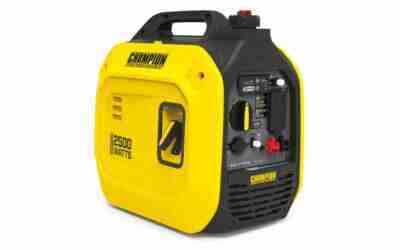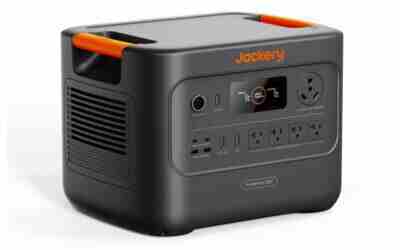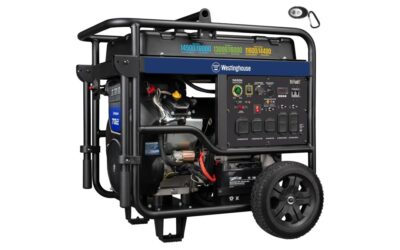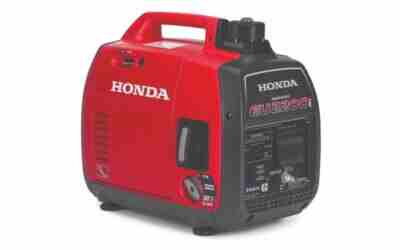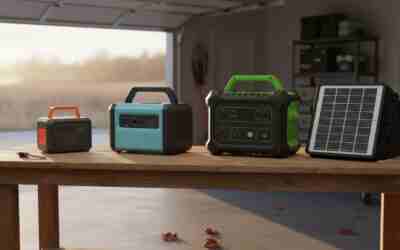

Our editorial team weighed Home's published specifications and how it stacks up against similar products in the generators category. What stands out: Truly Handheld Size, Includes Solar Panel & Lights, and Quiet, Gas-Free Operation. Where it falls short: Tiny 4Wh Capacity and Slow 5W Solar Input. That puts it at 7.7/10 on our WG Score – a solid, dependable choice.
 Reviewed byDaniel
When the power goes out or you head off the grid, having a reliable source of energy is non-negotiable. solar generators for home backup power of October 2026: 5 models, 6257 reviews, up to $499.98. Whether you are facing an unexpected blackout, planning a weekend camping trip, or setting up a remote workstation, these units offer a clean, quiet, and portable solution. Our guide breaks down the key specs and features to help you choose the right system for your needs.
We provide from $55.99 to $499.98 with 6257 of solar generators for home backup power, by October of 2026, including Anker, MARBERO, DJI. We have focused on factors like battery capacity, output power, recharge speed, and overall value to bring you a curated list of top contenders. For more information on how we evaluate these products, check out our portable home backup generators guide.
Pros
- Ultra-fast charging and high output praised in reviews for camping and outages
- Quiet operation even under load, ideal for indoor and nighttime use
- Intuitive app for monitoring, UPS, and custom settings enhances control
- Sturdy build powers fridges, heaters, and appliances reliably
- Multiple ports and fast solar compatibility for off-grid flexibility
Cons
- No battery expansion option prioritizes portability over scalability
- Charging slows below 20°C, delaying ultra-fast mode in cold conditions
- Not suited for high inrush devices like compressors or pumps
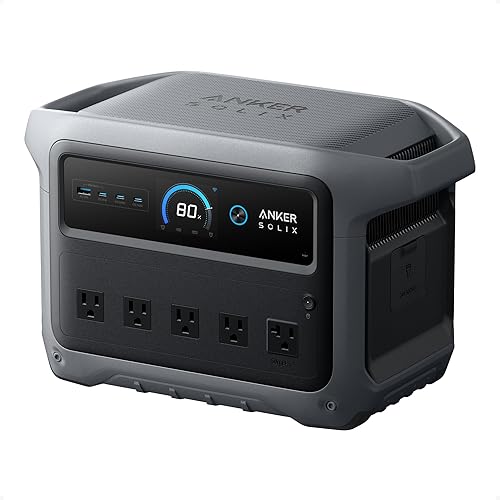
The Anker SOLIX C1000 Gen 2 is a versatile 1024Wh portable power station designed for campers, RV enthusiasts, home backup users, and anyone needing reliable off-grid power. With 2000W continuous output and a 3000W surge, it powers essentials like refrigerators, CPAP machines, laptops, and even microwaves, making it perfect for outages, tailgating, or remote work.
Standout features include 49-minute ultra-fast AC recharging via HyperFlash technology and 1.8-hour solar input up to 600W, allowing quick top-ups for extended adventures. Reviewers highlight its real-world performance: running fridges for days, boiling kettles on camping trips, and seamless UPS switchover under 10ms to prevent device interruptions. The app enables TOU mode for cost savings and detailed monitoring, even offline.
Build quality impresses with a compact 15.1 x 8.2 x 9.6-inch frame that's 14% smaller and 11% lighter than competitors, complete with handles for easy transport. It operates quietly under moderate loads, with a bright LCD and robust ports including multiple AC, USB-C, and car outlets. The LiFePO4 battery ensures safety and a 10-year lifespan after 4000 cycles.
Drawbacks include no expansion capability for those needing more capacity, slower charging in temperatures below 20°C, and unsuitability for devices with high startup surges like pumps. At 24.9 pounds, it's portable but not ultralight for long hikes.
Overall, the C1000 Gen 2 excels as a fast-charging, portable powerhouse for everyday backups and adventures, earning high praise for reliability and value. Ideal if you prioritize speed and mobility over massive scalability.
Capacity: 1024Wh LiFePO4 battery
Output: 2000W continuous, 3000W peak surge
Ports: 10 total (multiple AC, USB-C, USB-A, car outlet)
Recharge: 49 min AC (1600W max), 1.8 hrs solar (600W max)
Dimensions & Weight: 15.1 x 8.2 x 9.6 inches, 24.9 lbs
Warranty: 5 years, with 10-year battery lifespan
Users rave about powering refrigerators overnight, running diesel heaters on 5-day camping trips, and seamless UPS for networks during outages. Many note its quiet fans, sturdy build, and app features like storm guard and customizable limits.
Campers appreciate the portability for essentials like kettles and lights, while home users value fast recharges and TOU savings. Consistent 5-star feedback on value, especially on sale.
Pros
- Highly portable at under 6 lbs with compact foldable design
- Multiple recharge options including efficient 60W solar panel
- Powers 8 devices simultaneously with pure sine wave safety
- Durable build with waterproof panel and drop-resistant shell
- Includes all essentials: adapter, car charger, and 12-month warranty
Cons
- 300W output limits use to smaller appliances only
- Full recharge takes about 7 hours with AC adapter
- No customer reviews available yet for real-user feedback
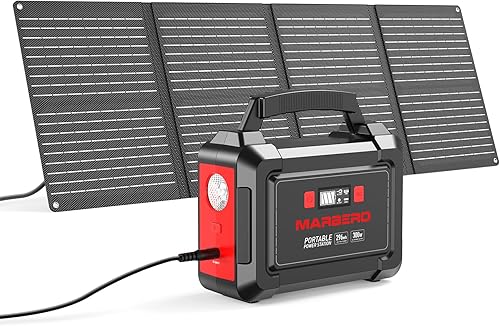
The MARBERO M188SL60 solar generator kit pairs a 296Wh portable power station with a 60W foldable solar panel, ideal for campers, RVers, van lifers, and anyone needing reliable off-grid or emergency power. With 300W pure sine wave AC output, it safely runs sensitive devices like mini fridges, fans, or laptops, while versatile ports handle phones, lights, and more for family outings or blackouts.
Standout features include three recharge methods: solar with 23% efficiency for quick outdoor top-ups, a 7-hour AC adapter charge, or car port for road trips. It powers an iPhone 15 up to 15 times or a laptop four times, and the eight output ports let you charge multiple gadgets without interruption. The built-in LED flashlight with SOS adds safety for night use.
Build quality shines with a rugged, impact-resistant shell, IP65 waterproof panel for light rain, and advanced BMS guarding against overcharge, heat, and shorts. At 5.73 lbs and slim dimensions, it's easy to carry, folding neatly for storage. Operation works from 14F to 104F, suiting varied conditions.
Drawbacks include the 300W limit, unsuitable for high-draw appliances, and longer recharge times without optimal sun. Still, for its class, it delivers exceptional portability and value.
Verdict: A top pick for lightweight, solar-ready backup power that balances capacity, outputs, and durability for outdoor enthusiasts and emergency prep.
Capacity: 296Wh (20Ah/14.8V)
AC Output: 300W (Peak 330W), 110V/60Hz, 2 outlets
USB Outputs: 1x USB-C PD 18W, 3x USB-A (2x QC3.0 18W, 1x 15W)
DC Outputs: 2x 12-16.8V/10A (150W max)
Recharge: Solar 16.4-24V/3.2A, Adapter 19V/3.15A (7hrs)
Weight: Power station 5.73 lbs, Panel 3.08 lbs
Dimensions: Station 9.09 x 4.01 x 8.38 inches
Battery Life: 90% capacity after 1000 cycles

Pros
- Exceptionally quiet at 23dB, ideal for sleeping near the unit during camping
- Fast recharging and high output handle multiple devices like fridges and projectors reliably
- Durable LiFePO4 battery offers long lifespan and safer operation than standard lithium-ion
- Intuitive display and multiple ports including solar input for flexible power sources
- Solid build quality from DJI, competing favorably with EcoFlow and Jackery
Cons
- Weighs 28.6 pounds, making it less ideal for backpacking hikes
- Solar panel sold separately, requiring additional purchase for full off-grid capability
- Runtime varies by load, around 1 hour for high-watt appliances like kettles
The DJI Power 1000 is a premium portable power station designed for campers, RV enthusiasts, home backup users, and drone operators needing reliable off-grid energy. With a 1024Wh LiFePO4 battery, it powers high-demand appliances up to 2200W continuous (2600W peak), from mini-fridges to power tools, making it versatile for outdoor adventures or emergency home use.
Standout features include ultra-fast 70-minute full recharge via AC, dual 140W USB-C outputs for laptops and cameras, and solar compatibility up to 800W. Real-world performance shines in reviews: users power RVs overnight, run projectors for movie nights, and use it as a silent UPS with 20ms switchover, outperforming noisier competitors like EcoFlow Delta 2. The 23dB operation is whisper-quiet, perfect for serene camping.
Build quality reflects DJI's precision engineering, with a sleek grey design, intuitive display, and robust ports. The LiFePO4 battery ensures 4000 cycles for decade-long reliability and enhanced safety over standard lithium-ion packs. At 28.6 pounds, it's portable for car trips but hefty for long hikes.
Minor drawbacks include the weight and optional solar panel, but these don't detract from its core strengths. Overall, the DJI Power 1000 earns high marks for power, silence, and durability, making it a top pick for demanding portable energy needs.
Capacity: 1024Wh LiFePO4 battery (4000 cycles)
Output: 2200W continuous / 2600W peak, 110V, 8 AC outlets + USB-C (140W x2)
Recharge: 70 mins AC full charge, 800W max solar input
Noise: 23dB ultra-silent
Dimensions: 19.2 x 8.85 x 9.05 inches, 28.6 lbs
Warranty: Up to 5 years
Choose DJI Power 1000 if you need silent, high-output power for camping, RVing, or home UPS. Pair with solar for off-grid; upgrade to Power 2000 for larger capacity. Ideal for DJI drone users extending flight times.
Avoid if ultralight portability is key; consider lighter models for backpacking.

Pros
- Long-lasting LiFePO4 battery with 3,000+ cycles
- Multiple lighting options save power in blackouts
- Two charging methods for convenience
- Portable and easy to carry at just 1kg
- Affordable entry into solar backup power
Cons
- Limited 2500mAh capacity suits only small devices, not laptops
- 5W solar panel charges slowly in low sunlight
- Low 5W output wattage restricts to light-duty use
This portable solar generator kit from Upusa is a compact 2500mAh LiFePO4 power station bundled with a 5W solar panel, ideal for users seeking lightweight emergency backup. It targets campers, travelers, and homeowners preparing for hurricanes or outages, powering small gadgets like phones, e-books, and cameras while providing essential lighting.
Standout features include a built-in LED flashlight plus three detachable LED lamps with individual switches and 3m cables, offering versatile low-consumption illumination. The battery supports over 3,000 cycles for durability, with USB/DC outputs delivering steady power for devices. In real-world use, it excels at keeping essentials charged during short blackouts or weekend camping, though solar recharging takes time in shade.
Build quality shines in its 1kg lightweight frame with a carry handle, anti-dust design, and quiet operation. Compact and integrated packaging makes transport simple, fitting easily in a backpack. It charges via solar or AC, enhancing reliability outdoors or indoors.
Drawbacks include the small capacity limiting it to low-power needs and slow solar input. It is not suited for high-draw appliances.
Overall, this is a solid, budget-friendly choice for basic off-grid lighting and phone charging, earning praise for portability and battery life. Recommended for light emergency or recreational use.
Brand: Upusa
Battery Capacity: 2500mAh LiFePO4
Solar Panel: 5W
Output Wattage: 5 Watts
Power Source: Solar Powered
Voltage: 110 Volts (AC)
Weight: 1 Kilogram
Special Features: Portable, LED Flashlight, Detachable Lamps
Included: Charging Cable, Solar Panel
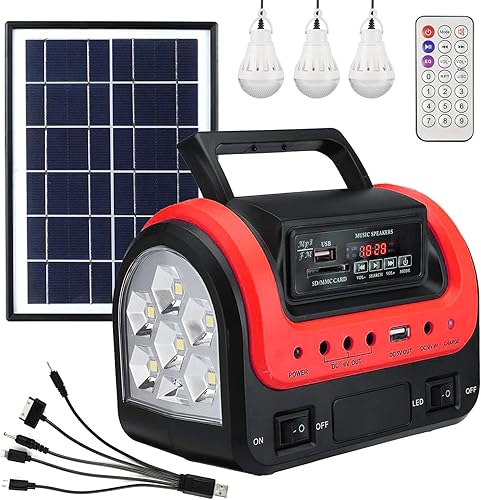
Pros
- Lightweight and truly handheld size
- Comes complete with solar panel and lights
- Quiet gas-free operation
- Multiple recharge methods
Cons
- Only 4Wh capacity limits runtime for high-draw devices
- Low 5W solar input requires long recharge times
- No AC outlets for standard household appliances
The Upusa SDM-0603 is a small solar generator built around a 12500mAh battery and paired 10W panel. It targets campers and homeowners needing basic off-grid lighting and device charging.
Standout elements include the three included LED bulbs with individual switches and long extension cords plus built-in radio. The unit weighs under two pounds and fits easily in a backpack.
Recharge occurs via the solar panel in 8-15 hours, wall adapter in 6-8 hours, or USB. Safety features cover overcharge and short circuits while promising over 3000 cycles.
Drawbacks center on the tiny 4Wh capacity and 5W solar input, which restrict use to low-power items only. No AC outlets are present.
Overall verdict: a niche ultra-portable kit for minimal emergency lighting and phone top-ups rather than full power station duties.
Buying Guide for 2026
Battery Capacity (Wh) & Chemistry (LFP/NMC)
The heart of any solar generator is its battery. Capacity is measured in watt-hours (Wh) and determines how long your devices can run. For home backup, a unit with at least 500Wh is often recommended to power essentials like lights, phones, and a small fridge. However, for more demanding appliances, capacities of 1000Wh or higher are ideal.
Battery chemistry is equally important. Lithium Iron Phosphate (LFP) batteries are known for their long cycle life (often 3,000+ cycles) and enhanced safety, making them a popular choice for stationary backup. Nickel Manganese Cobalt (NMC) batteries typically offer higher energy density and faster charging but may have a shorter lifespan. Consider your usage patterns: if you plan to use the generator daily, LFP is likely the better investment.
AC Output & Surge Capacity
The AC output rating tells you how much continuous power the generator can supply to your devices. For home backup, look for a unit that can handle the starting surge of appliances like refrigerators or sump pumps. A 2000W continuous output is often sufficient for most household essentials, but if you plan to run power tools or a window air conditioner, a higher output may be necessary.
Surge capacity is the temporary boost the generator can provide to start motors. Always check the surge rating, as some appliances require up to three times their running wattage to start. A generator with a 3000W peak output can handle most home electronics and small appliances without issue.
Recharge Speed & Solar Input
How quickly a generator recharges can be a critical factor during an outage. Many modern units feature fast AC charging, allowing you to go from 0% to 100% in under two hours. This is especially useful when the grid is unstable or when you need to recharge between uses.
Solar input is equally important for off-grid scenarios. The maximum solar input wattage determines how fast the generator can recharge from solar panels. A higher solar input means you can use larger panels and recharge faster. For home backup, a solar input of 600W or more is a good target, allowing you to replenish the battery in a few hours of good sunlight.
Portability & Form Factor
Even for home backup, portability matters. A generator that is too heavy or bulky may be difficult to move from room to room or take on a camping trip. Look for models with ergonomic handles and a weight under 30 pounds for easy transport. Some units are designed to be stackable or have a compact footprint, making them easier to store in a closet or garage.
Consider the overall dimensions and whether the generator will fit in your designated storage space. If you plan to use it for both home backup and outdoor activities, a lightweight and compact design is a significant advantage. For more on portable options, see our portable solar generators for home backup.
Safety Certifications & Battery Management
Safety should never be overlooked. Look for generators with built-in Battery Management Systems (BMS) that protect against overcharge, overdischarge, short circuits, and temperature extremes. Certifications like UL, FCC, or CE provide additional assurance that the product meets rigorous safety standards.
For home use, a generator with a low noise level is also a plus, especially if you are using it overnight. Some units operate as quietly as 23 dB, which is quieter than a whisper, ensuring they won’t disturb your sleep or your neighbors. Always prioritize safety features, as a reliable BMS can prevent accidents and extend the life of your generator.
Quick Comparison: Side by Side
- – Ultra-Fast Charging, High Output.
- – Quiet Under Load, Indoor-Friendly.
- – Intuitive App With UPS Controls.
- – Highly Portable, Under 6 lbs.
- – Efficient 60W Solar Panel.
- – Powers 8 Devices, Pure Sine Wave.
- – Exceptionally Quiet at 23dB.
- – Fast Recharging, High Output.
- – Durable, Safer LiFePO4 Battery.
- – 3,000+ Cycle LiFePO4 Battery.
- – Multiple Lighting Options.
- – Two Charging Methods.
- – Truly Handheld Size.
- – Includes Solar Panel & Lights.
- – Quiet, Gas-Free Operation.
- – No Battery Expansion Option.
- – Slower Charging Below 20°C.
- – Not for High-Inrush Devices.
- – 300W Output Limit.
- – 7-Hour Full Recharge.
- – No Reviews Yet.
- – Heavy at 28.6 lbs.
- – Solar Panel Sold Separately.
- – ~1h Runtime on High-Watt Appliances.
- – Small 2500mAh Capacity.
- – Slow 5W Solar Charging.
- – Low 5W Output Only.
- – Tiny 4Wh Capacity.
- – Slow 5W Solar Input.
- – No AC Outlets.
Why Trust Our Reviews
At WikiGenerators.com, we are committed to providing honest, data-driven recommendations. Our team analyzes product specifications, user feedback, and industry standards to create comprehensive guides. We do not accept payment for positive reviews, and our affiliate relationships do not influence our rankings. Each product is evaluated based on its performance, features, and value for the intended use case.
Our methodology focuses on the key factors that matter most to consumers: battery capacity, output power, recharge speed, portability, and safety. We aggregate feedback from verified purchasers and cross-reference it with technical specs to ensure our picks are reliable. For more details on our review process, please visit our Home Backup category page.
Our Final Picks for 2026
Best Overall: Anker SOLIX C1000 Gen 2 Portable Power Station: 2000W Solar Generator, 1024Wh LiFePO4, 49-Min Fast Charge for Camping, Home Backup
The Anker SOLIX C1000 Gen 2 strikes an excellent balance of power, speed, and portability. With a 1024Wh LiFePO4 battery and 2000W continuous output (3000W peak), it can handle most home essentials. Its standout feature is the 49-minute full recharge via AC, making it incredibly convenient for quick turnarounds. The unit also supports 600W solar input, allowing for off-grid recharging in about 1.8 hours. For more on high-capacity options, see our backup solar generators for home.
View on Amazon.comBest Value: MARBERO 296Wh Solar Generator with 60W Panel, 300W Pure Sine Wave Portable Power Station for Camping RV Emergency Backup
The MARBERO kit offers an affordable entry point into solar power with a 296Wh capacity and a 60W solar panel included. It delivers 300W pure sine wave AC output, sufficient for small appliances like mini fridges, CPAP machines, and electronics. The system is lightweight (under 9 lbs total) and features eight output ports for charging multiple devices simultaneously. It is a practical choice for light home backup and weekend camping trips.
View on Amazon.comBest for Silent Operation: DJI Power 1000: 1024Wh LiFePO4 Portable Power Station, 2200W Output, 23dB Silent, Solar Generator for Camping & Home Backup
The DJI Power 1000 is a premium option that excels in quiet performance, operating at just 23 dB. It packs a 1024Wh LiFePO4 battery and 2200W continuous output (2600W peak), capable of powering 99% of household appliances. Its dual 140W USB-C ports can fast-charge laptops and other high-power devices, and it recharges from 0% to 100% in 70 minutes via AC. This generator is ideal for those who prioritize silence and high-quality build.
View on Amazon.comFrequently Asked Questions
Which solar generators for home backup power should I buy in 2026?
For most homeowners, the Anker SOLIX C1000 Gen 2 offers the best combination of power, speed, and portability. If you need a more budget-friendly option for light use, the MARBERO kit is a great value. For silent operation, the DJI Power 1000 is unmatched.
How long does a solar generator last during a power outage?
It depends on the battery capacity and the devices you are powering. A 1000Wh generator can run a 60W refrigerator for about 16 hours, or a 10W LED light for 100 hours. Always calculate your total wattage needs to estimate runtime.
Can I use a solar generator indoors?
Yes, solar generators produce no fumes and are safe for indoor use. They are an excellent choice for home backup, especially for powering medical devices, lights, and electronics during an outage. For more tips, visit our Emergency Power category.
What size solar panel do I need to recharge a generator?
The required panel size depends on the generator’s solar input capacity. For a 1000Wh generator, a 200W to 300W panel is a good match, providing a full charge in 4-6 hours of good sunlight. Check the generator’s maximum solar input voltage and wattage before purchasing panels.
Are LiFePO4 batteries better than NMC?
LiFePO4 batteries are generally safer and have a longer cycle life (3,000-4,000 cycles), making them ideal for home backup where the generator may be used daily. NMC batteries offer higher energy density and faster charging, but typically last for 500-1,000 cycles. For stationary backup, LiFePO4 is often the preferred choice.
Have questions about our solar generators for home backup power recommendations? Check out our By Use page for details on our review process or our Copyright Policy for information on content usage.