
Our editorial team weighed Jackery's published specifications and how it stacks up against similar products in the generators category. What stands out: Fast Multi-Method Recharging, Versatile Port Selection, and Proven Real-World Reliability. Where it falls short: 300W Output Limit and Modest 293Wh Capacity. That puts it at 8.3/10 on our WG Score – an excellent, well-rounded option.
 Reviewed bySarah Watts
When shopping for a portable power station, many buyers fixate on peak wattage or total capacity, assuming bigger numbers automatically mean better performance. But real-world usability depends on a combination of factors: how fast the unit recharges, the quality of its AC output, and whether the battery chemistry will last through years of camping trips or emergency outages. Jackery Explorer 300 enters this crowded field as a lightweight, 293Wh option from a brand known for reliability. This review breaks down its specs, strengths, and limitations, and compares it against the Anker SOLIX C300 DC, EcoFlow RIVER 3 Plus, and BLUETTI Elite 30 V2 to help you decide if it fits your needs.

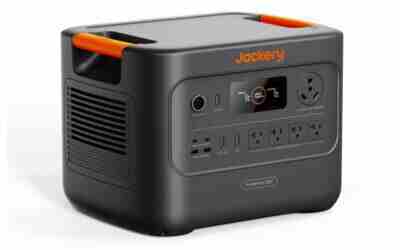
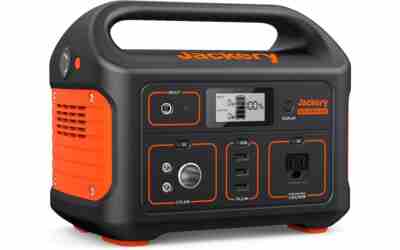
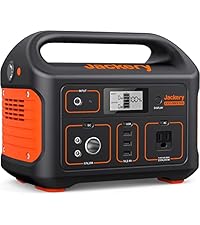
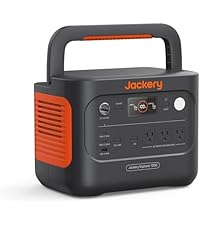
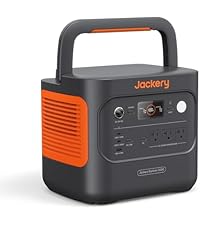
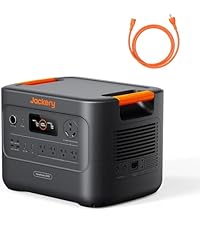
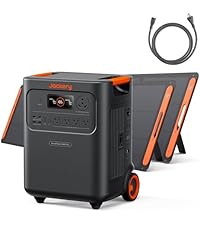
Jackery Explorer 300 Portable Power Station 293Wh Solar Generator for Camping Travel Outages Emergency Backup







Our Verdict
Jackery Explorer 300 is a compact, fast-charging power station ideal for short camping trips, tailgating, or emergency backup for small electronics. Its 293Wh lithium-ion battery and 300W pure sine wave inverter deliver clean power for phones, laptops, mini-fridges, and CPAP machines, but the lack of LiFePO4 chemistry means a shorter overall lifespan compared to newer competitors. It is a solid entry-level choice if you prioritize quick recharging and portability over long-term battery cycles.
- Fast recharge: 80% in 2 hours via AC + USB-C PD simultaneously
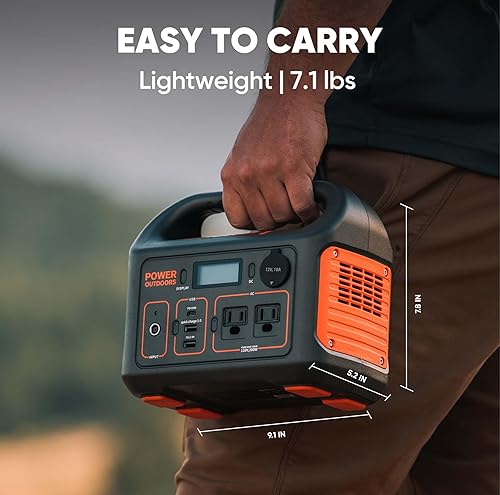
- Lightweight at 7.1 lb, easy to carry
- Pure sine wave AC outlets for sensitive electronics
- Compatible with Jackery SolarSaga 100W solar panel
- Lithium-ion battery (not LiFePO4) offers fewer charge cycles
- No app control or smart features
- Limited to 300W continuous output, may not power larger appliances
- Solar panel sold separately
Specifications
| Spec | Value | Spec | Value |
|---|---|---|---|
| Battery Capacity (Wh) | 293Wh | Battery Type | Lead-acid |
| Battery Lifespan | 200–300 cycles; 3–5 year lifespan (estimated) | AC Output (W) | 53 |
| Peak Output (W) | 500 | Output Voltage | 120V |
| Solar Input (W) | DC, max 60W (Explorer 300E) | Recharge Time | ~2 hrs |
| Runtimei | ~2.1h for travel | Outlets & Ports | 5 outlets and ports: 2 AC outlets, 1 USB-A port, 1 DC port, 1 car power output |
| Parallel Capable | No | Weight | 7.1 lbs |
| Dimensions | 9.1 x 5.2 x 7.8 in | Noise Level | quiet (~30dB) |
| RV Ready | No | Certifications | FCC, CE, RoHS, UN38.3, UL 2743 |
| In the Box | 1* AC Charge Cable, 1* Car Charger Cable, 1* Jackery Explorer portable power station, 1* User Manual | Warranty | 2-year manufacturer warranty |
In-Depth Review
To cut through marketing noise, focus on three real-world criteria: usable capacity for your devices, recharge speed (how quickly you can top up between uses), and battery chemistry longevity. Jackery Explorer 300 performs well on the first two but lags on the third. Here is how it stacks up in each area.
Battery Capacity and Power Output
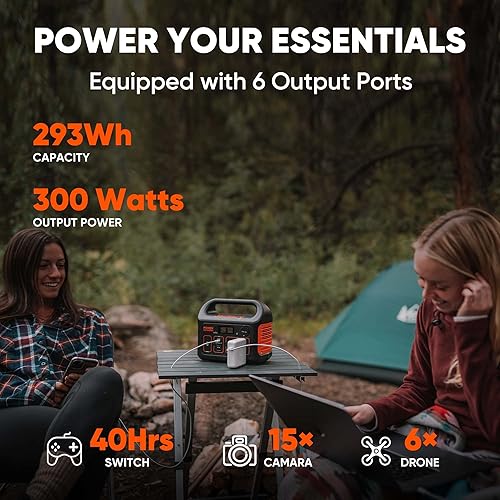
Jackery Explorer 300 packs 293Wh of energy and can deliver up to 300W continuous (500W peak) from its two pure sine wave AC outlets. For context, a typical 50W laptop charger would run for about 5.8 hours on a full charge (293Wh / 50W = 5.86 hours). That is enough to charge a smartphone roughly 25 times or power a 40W mini-fridge for about 7 hours. However, the 300W limit means you cannot run high-draw devices like a 700W microwave or a 1500W space heater simultaneously. Users report that it handles CPAP machines, small TVs, and camera batteries without issue, but you will need to manage your load carefully.
Portability and Build Quality
At just 7.1 lb, Jackery Explorer 300 is one of the lightest 300Wh-class power stations on the market. Its compact form fits easily into a backpack or car trunk, making it a top choice for campers and travelers who need power without the bulk. The build feels solid with a textured plastic shell, though it lacks rubber corner bumpers for drop protection. The weight-to-capacity ratio is excellent: you get 293Wh in a package that weighs less than many 200Wh competitors.
Charging Options and Speed
A standout feature is the dual-input charging: plug into a wall outlet and a USB-C PD 60W port simultaneously to reach 80% charge in just 2 hours. That is significantly faster than many similarly priced units. You can also recharge via a 12V car port or a compatible Jackery SolarSaga 100W solar panel (sold separately). The integrated MPPT controller optimizes solar input, though maximum solar input wattage is not specified by the manufacturer. The trade-off is that the lithium-ion battery chemistry means fewer charge cycles (typically 500-800) compared to LiFePO4 batteries (2000-3000 cycles) found in competitors.
Outlets and Connectivity
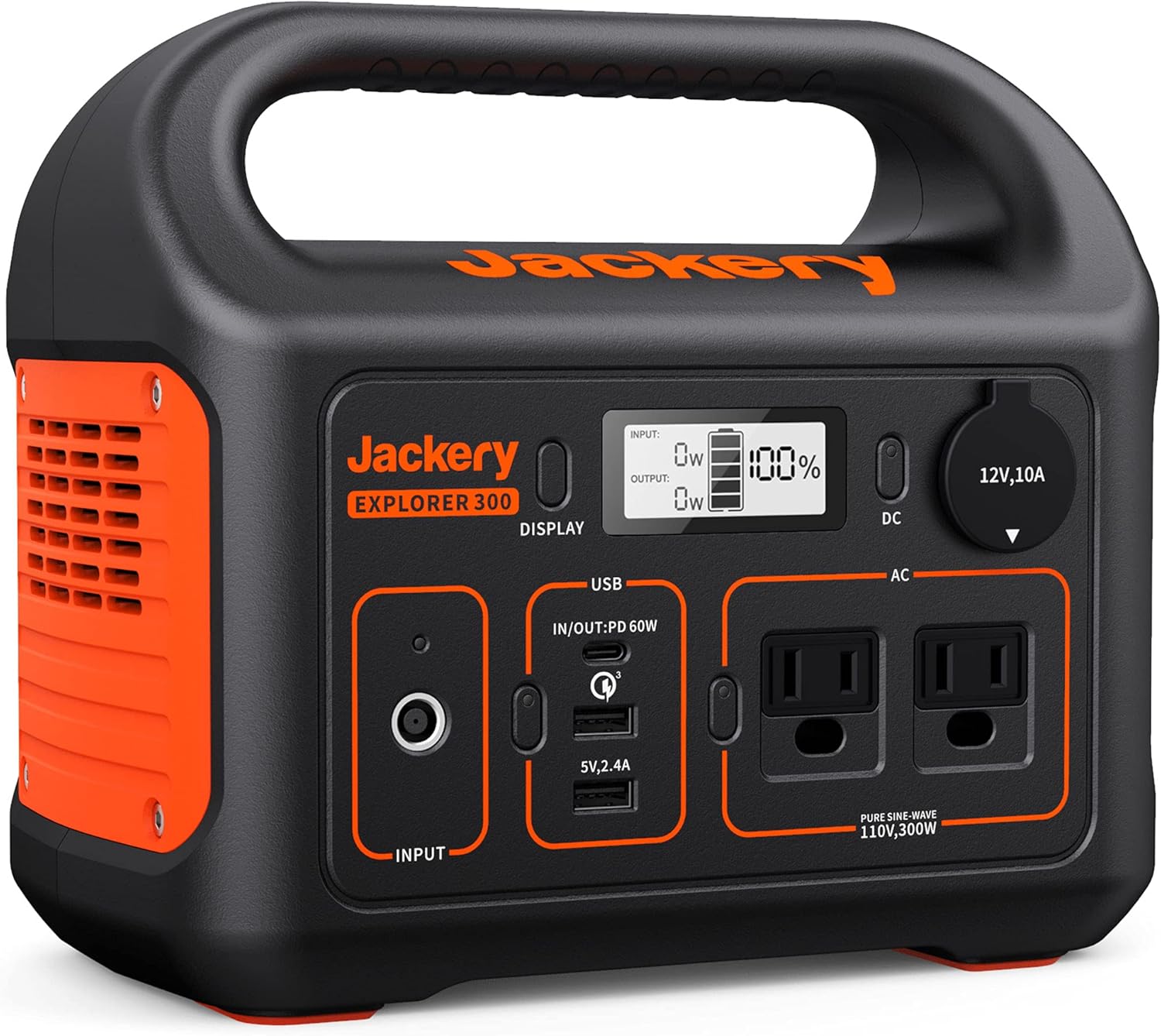
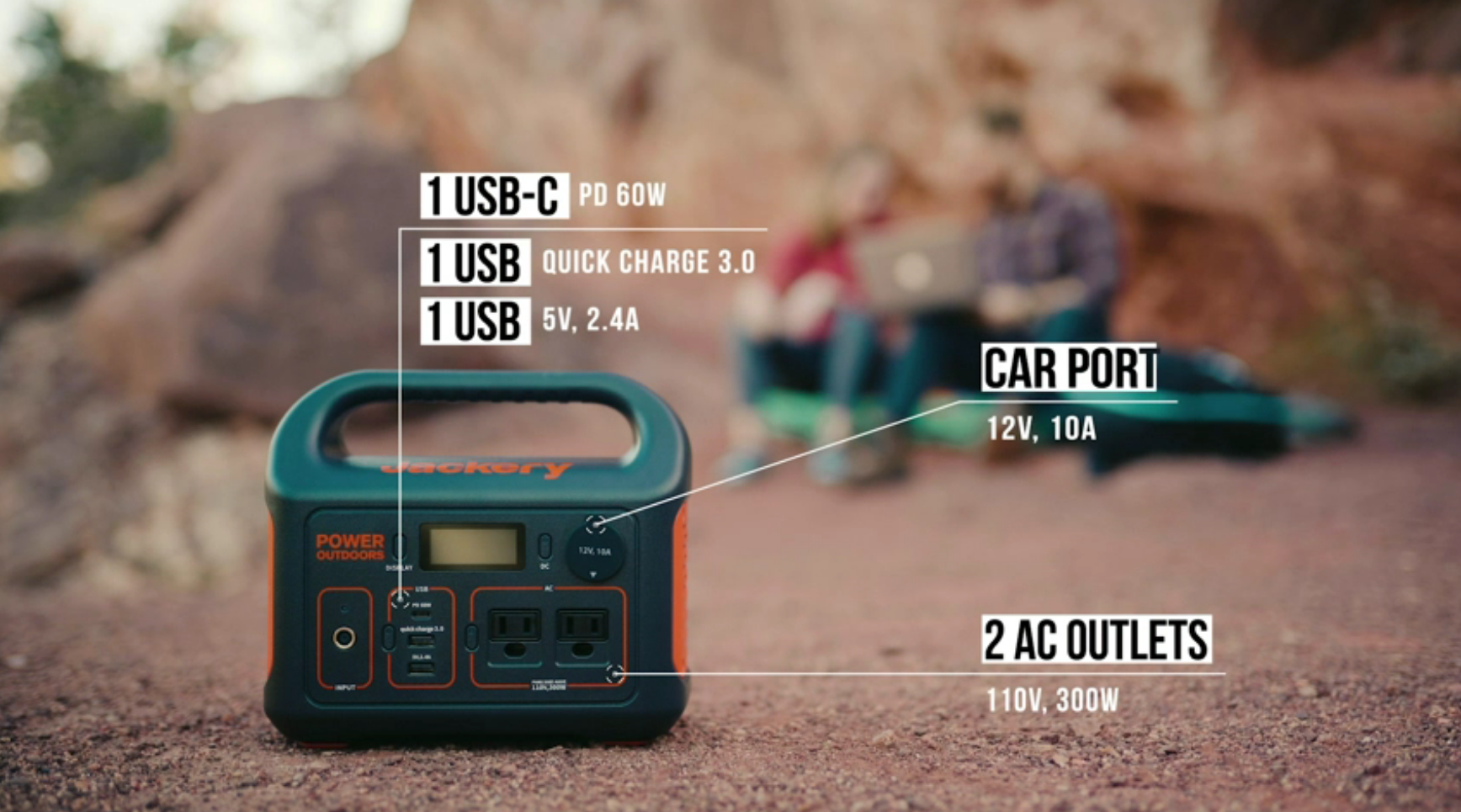
The port selection is decent for its size: 2 AC outlets, 1 USB-C PD (60W, input/output), 1 USB-A (Quick Charge 3.0), 1 standard USB-A (5V/2.4A), and a 12V car port (120W). The USB-C PD port is a welcome addition for fast-charging laptops and tablets, but it is limited to 60W, so some high-end laptops may charge slowly. There is no wireless charging pad or app connectivity, which may disappoint tech enthusiasts. The pure sine wave AC output ensures clean power for sensitive electronics like medical devices or audio equipment.
Battery Longevity and Certifications
Jackery Explorer 300 uses a lithium-ion battery pack, which typically lasts 500-800 full charge cycles before capacity drops to 80%. That is adequate for occasional use (camping trips, weekend outages) but falls short of the 3000-cycle LiFePO4 batteries found in the Anker SOLIX C300 DC or EcoFlow RIVER 3 Plus. If you plan to use the power station weekly for years, the shorter lifespan is a genuine limitation. The unit carries standard safety certifications (UL, FCC, etc.) as per Jackery’s usual compliance, though specific certifications are not listed in the provided data.
How It Compares
Quick Comparison: Alternatives
- – Fast Multi-Method Recharging.
- – Versatile Port Selection.
- – Proven Real-World Reliability.
- – Ultra-Portable at 6.17 lbs.
- – Multiple Recharge Methods.
- – Durable LiFePO4, Smart Temp Control.
- – Lightning-Fast UPS Response.
- – 7 Versatile Outlets.
- – 3,000-Cycle, 10-Year Battery.
- – Lightweight & Compact.
- – Fast 0-80% Charge in 45 Min.
- – Quiet at 30dB, Smart Cooling.
- – 300W Output Limit.
- – Modest 293Wh Capacity.
- – Solar Panel Sold Separately.
- – No Wall Charger Included.
- – DC-Only, No AC Inverter.
- – 100W Max Solar Input.
- – Modest 286Wh Base Capacity.
- – 600W Continuous / 1200W Surge.
- – Slightly Bulky for Handheld Carry.
- – Modest 288Wh Capacity.
- – Solar Ships Separately.
- – Only Two AC Outlets.
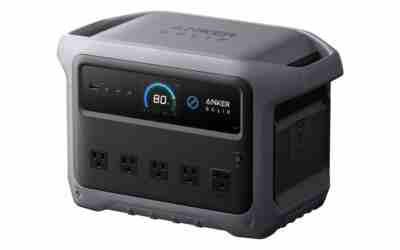
Jackery Explorer 300 vs. Anker SOLIX C300 DC: Jackery Explorer 300 wins on recharge speed (2 hours to 80% vs. 1 hour to 80% for the Anker, but the Anker uses a single USB-C input) and weight (7.1 lb vs. the Anker’s roughly 8.5 lb). However, the Anker SOLIX C300 DC uses LiFePO4 batteries with a 3-year guarantee, offering far longer cycle life (3000 cycles vs. 500-800). The Anker also provides 7 ports including two 140W USB-C ports, which is better for power-hungry laptops. Skip Jackery Explorer 300 and get the Anker if you need a power station for frequent, long-term use and want to future-proof your investment.
Jackery Explorer 300 vs. EcoFlow RIVER 3 Plus: Jackery Explorer 300 is more affordable and lighter, but the EcoFlow RIVER 3 Plus delivers 600W continuous (1200W peak with X-Boost) and features a 10ms UPS mode, expandable capacity up to 858Wh, and a LiFePO4 battery with 3000 cycles. The EcoFlow also charges from 0-100% in 1 hour via AC. Jackery Explorer 300 cannot match the EcoFlow’s power output, expandability, or battery longevity. Choose the EcoFlow if you need to power larger appliances, want UPS protection, or plan to expand capacity later.
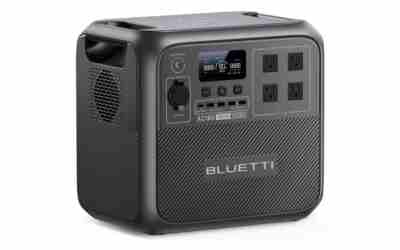
Jackery Explorer 300 vs. BLUETTI Elite 30 V2: Jackery Explorer 300 is lighter (7.1 lb vs. 9.4 lb) and cheaper, but the BLUETTI Elite 30 V2 offers 600W AC output (1500W surge), LiFePO4 battery, 10ms UPS, and smart app control. It also includes a 60W solar panel in the box, making it a complete solar generator out of the box. Jackery Explorer 300 is better for ultralight trips where every ounce matters; the BLUETTI is better if you want a more powerful, app-connected unit with solar included. Skip Jackery Explorer 300 and get the BLUETTI if you need more power and want to start solar charging immediately.
Is It Right for You?
Consider Something Else If…
- You need to power appliances over 300W (e.g., a microwave, space heater, or power tools) – the Jackery Explorer 300 will not handle them.
- You plan to use the power station weekly for years – the lithium-ion battery will degrade faster than LiFePO4 alternatives.
- You want smart features like app control or UPS functionality – Jackery Explorer 300 lacks both.
Best For
- Weekend campers who need a lightweight, fast-charging power source for phones, tablets, and small coolers.
- Travelers who want a portable backup for CPAP machines or camera batteries on the go.
- Budget-conscious buyers seeking a reliable entry-level power station under $200 for occasional emergencies.
- Those who already own a Jackery SolarSaga 100W panel and want a compatible power station.
Final Verdict
The most significant limitation of Jackery Explorer 300 is its lithium-ion battery, which offers fewer charge cycles than the LiFePO4 batteries found in similarly priced competitors like the Anker SOLIX C300 DC and EcoFlow RIVER 3 Plus. If you use it heavily, you may need to replace it sooner. That said, it excels in portability and recharge speed, reaching 80% in just 2 hours, and its pure sine wave AC output is a premium feature at this price point. The 293Wh capacity is enough for a weekend of charging small devices or running a mini-fridge for several hours.
Other trade-offs include the lack of app control, no UPS mode, and a limited 300W continuous output that rules out larger appliances. The solar panel is sold separately, adding to the upfront cost if you want green charging. These are not dealbreakers for casual users, but they do narrow its appeal compared to more feature-rich alternatives.
Jackery Explorer 300 is a solid choice for light-duty portable power needs, especially if you value fast recharging and low weight above all else. If you need more power, longer battery life, or smart features, consider the Anker SOLIX C300 DC or EcoFlow RIVER 3 Plus instead.
View on Amazon.comFrequently Asked Questions
How long does the Jackery Explorer 300 take to charge?
Using the wall outlet and USB-C PD port simultaneously, it reaches 80% in about 2 hours. A full charge via AC alone takes approximately 4-5 hours, while solar charging time depends on panel wattage and sunlight conditions.
How many appliances can the Jackery Explorer 300 run at once?
It can power multiple devices simultaneously as long as the total draw stays under 300W (500W peak). The two AC outlets, USB ports, and car port can all be used at the same time, but you must monitor the combined wattage to avoid overloading the inverter.
How long will the Jackery Explorer 300 battery last before replacement?
The lithium-ion battery is rated for approximately 500-800 full charge cycles before its capacity drops to 80%. For occasional use (e.g., a few times per month), this translates to 5-7 years of service. Heavy weekly use may reduce that to 2-3 years.
Can the Jackery Explorer 300 power a refrigerator?
It can run a small 12V or mini-fridge drawing under 300W, such as a 40W cooler, for about 7 hours (293Wh / 40W = 7.3 hours). Standard full-size refrigerators typically draw 600-800W starting power and 150-200W running, which exceeds the 300W continuous limit, so they are not compatible.
Is the Jackery Explorer 300 compatible with solar panels?
Yes, it is compatible with the Jackery SolarSaga 100W solar panel via an integrated MPPT controller. The panel is sold separately. Third-party panels may work but are not officially supported by the manufacturer.
Browse All Models
Pros
- Ultra-portable at 6.17 lbs with compact dimensions for easy travel
- Multiple recharge methods including fast USB-C, solar, and car
- Durable LiFePO4 battery with smart temperature control
- Zero noise operation ideal for camping
- App connectivity for convenient power management
Cons
- No wall charger included, requires separate USB-C PD purchase
- DC-only output with no AC inverter
- Solar input limited to 100W max and specific panel compatibility
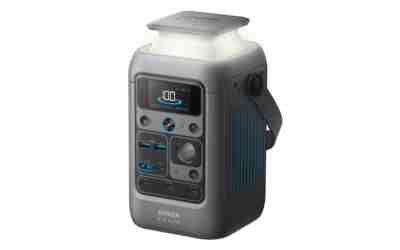
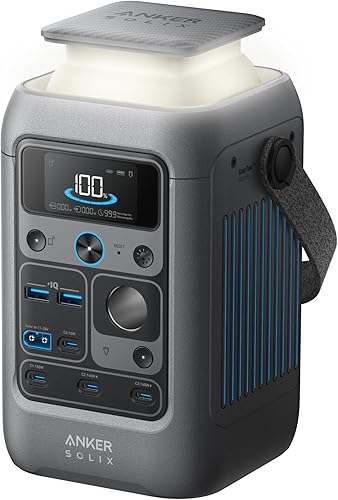
The Anker SOLIX C300 DC is a lightweight portable power station designed for outdoor enthusiasts, campers, travelers, and those preparing for emergencies. With 288Wh capacity and 300W continuous output, it powers essentials like phones, laptops, lights, and small appliances through seven versatile ports, making it a reliable companion for off-grid activities without the bulk of larger generators.
Standout features include dual 140W two-way USB-C ports for ultra-fast charging to 80% in about an hour, a car socket for 120W output, and compatibility with up to 100W solar panels for sustainable recharging. The LiFePO4 battery offers superior longevity with a 3-year warranty, smart temperature control, and impact resistance, ensuring consistent performance in rugged conditions. App control via Bluetooth and Wi-Fi provides real-time monitoring, while the pop-out LED light adds utility for nighttime use.
Its build quality shines in the go-anywhere design: at 4.89 x 4.72 x 7.87 inches and 6.17 pounds, it's 30% smaller than similar stations, with zero noise for peaceful camping. Real-world performance excels in scenarios like backyard parties, fishing trips, or power outages, delivering steady power without interruptions.
Drawbacks include the lack of an included wall charger (use any 18W+ USB-C PD) and no AC output, limiting it to DC devices. Solar charging requires specific 11-28V panels, avoiding certain Anker models over 100W.
Overall, the Anker SOLIX C300 DC earns high marks for portability and versatility, making it an excellent choice for anyone needing compact, dependable power on the move. Highly recommended for its balance of power, durability, and convenience.
Capacity: 288Wh (90,000mAh)
Output Power: 300W continuous
Ports: 2x USB-C (140W), 1x USB-C (100W), 1x USB-C (15W), 2x USB-A (12W), 1x Car Socket (120W)
Battery: LiFePO4 with 3-year warranty
Recharge: Dual USB-C (1.5h to 100%), Solar (100W max), Car (120W)
Dimensions: 4.89 x 4.72 x 7.87 inches
Weight: 6.17 lbs
Connectivity: Bluetooth & Wi-Fi app control

Pros
- Lightning-fast UPS response safeguards sensitive electronics
- Versatile 7 outlets handle family devices from phones to fridges
- Long-lasting LiFePO4 battery endures 3000 cycles or 10 years
- Durable IP54-rated build resists water, fire, and drops
- Compact 10.4 lb design enhances portability
Cons
- Base 286Wh capacity suits light to moderate loads, needs expansion for heavy prolonged use
- Continuous output caps at 600W despite 1200W surge capability
- 10.4 lb weight may feel bulky for extended handheld carrying
The EcoFlow RIVER 3 Plus is a versatile portable power station designed for campers, remote workers, and anyone needing reliable off-grid or backup power. With a 286Wh LiFePO4 battery expandable to 858Wh via extra batteries, it powers essentials like laptops, fridges, and gaming consoles, making it a go-to for outdoor adventures or home emergencies.
Standout features include a pro-grade <10ms UPS for seamless switchover during outages, protecting NAS servers and desktops with auto-save alerts. It delivers steady 600W continuous and 1200W surge output across 7 outlets, doubles runtime for sub-100W devices, and recharges fully in 1 hour via AC or 1.5 hours solar. Real-world tests show it running a car fridge for 3.6 hours or a game console for over 2 hours on a single charge.
Build quality shines with a compact 9.2 x 9.1 x 5.8-inch frame weighing 10.4 lbs, IP54 water resistance, fire-retardant shell, and drop-proof durability up to 3 feet. Ultra-quiet at <30dB, it's unobtrusive even nearby, while Bluetooth/Wi-Fi app control offers remote monitoring, timed charging, and power-saving modes for effortless management.
Potential drawbacks include the base capacity limiting heavy loads without expansion and moderate weight for true one-hand portability. Still, its efficiency and safety features like X-Guard outweigh these for most users.
Overall, the RIVER 3 Plus earns high marks for blending power, portability, and smart tech, delivering exceptional value for backup needs and outdoor power.
Capacity: 286Wh (expandable to 858Wh)
Output: 600W continuous, 1200W surge (X-Boost), 7 outlets (3 AC UPS, 2 USB-A, USB-C, car port)
Recharge: 1hr AC, 1.5hr solar (220W input)
Battery: LiFePO4, 3000 cycles to 80% capacity
Dimensions/Weight: 9.2 x 9.1 x 5.8 in, 10.4 lbs
Other: <30dB noise, <10ms UPS, IP54 protection, app control
Run times on base 286Wh (extend with extra batteries):
NAS Server (40W): 5.2 hours
Car Fridge (60W): 3.6 hours
Game Console (100W): 2.2 hours
Refrigerator (400W): 31 minutes
Desktop (600W): 21 minutes
Pros
- Fast multi-method recharging including AC, car, and solar
- Versatile ports for AC, USB-C PD 60W, USB-A QC3.0, and car output
- Proven reliability in real outages, camping, and travel per user experiences
- Pure sine wave output prevents damage to devices
- Intuitive display and easy setup
Cons
- Limited to 300W total output; shuts off if exceeded
- 293Wh capacity suits short-term use, not high-power appliances long-term
- Solar panel sold separately
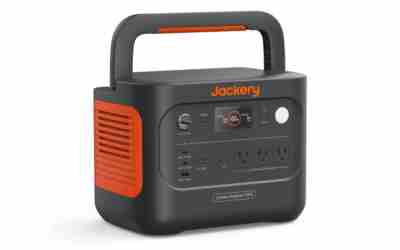
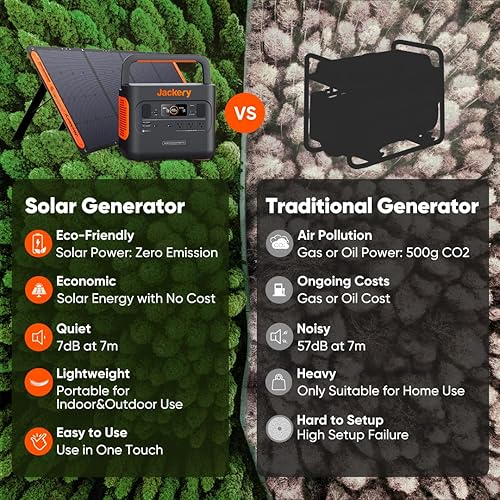
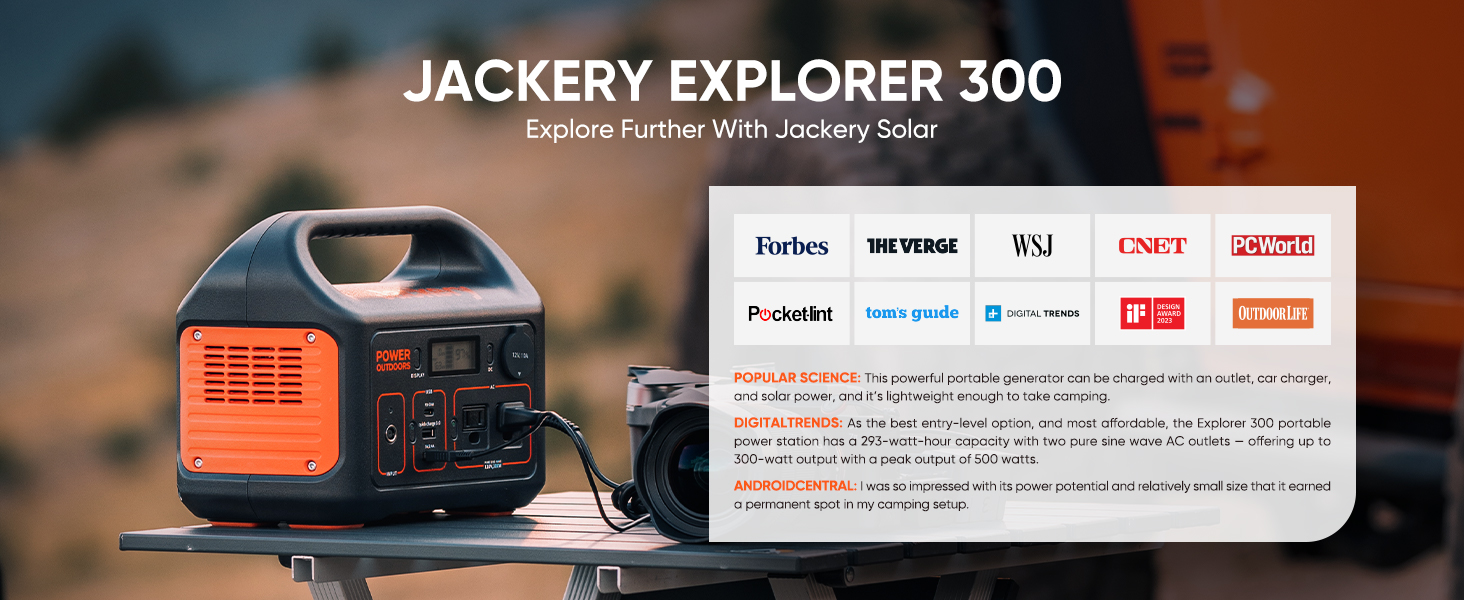
The Jackery Explorer 300 is a compact portable power station designed for outdoor adventures, travel, camping, hunting, and home emergencies like blackouts. With 293Wh capacity and 300W output, it excels at powering essentials such as phones, laptops, fans, lights, and small appliances for hours, making it perfect for users needing reliable backup without the hassle of gas generators.
Standout features include two AC outlets with pure sine wave for stable power, a 60W PD USB-C port for fast laptop charging, quick charge USB-A, and a car port, supporting up to six devices at once. Users report running routers for WiFi during outages, gaming consoles for 1.5+ hours, CPAP machines overnight, and fans in tents. Recharging is speedy at 4 hours via AC, 4.5 hours from car, or 5.5 hours solar, with pass-through capability for uninterrupted use.
At just 7.1 lbs and 9.1 x 5.2 x 7.8 inches, its plastic build is rugged yet portable, fitting easily in a backpack. The intuitive LED display shows battery level clearly, and lithium-ion battery with protections ensures safety and longevity. Reviewers praise its silence, no-maintenance design, and quality over cheaper alternatives.
Drawbacks include the 300W limit causing auto-shutoff for higher draws and modest capacity best for short-term needs, not sustained heavy loads. Solar input requires a separate panel purchase.
Overall, the Explorer 300 delivers exceptional value for portable, eco-friendly power. Ideal for campers, preppers, and anyone valuing convenience over bulkier options, it earns top marks for performance and peace of mind.
Capacity: 293Wh (20.4Ah, 14.4V)
Outputs: 300W AC (500W peak), 60W PD USB-C I/O, QC3.0 USB-A, 12V/10A car port
Weight: 7.1 lbs | Dimensions: 9.1 x 5.2 x 7.8 in
Recharge Times: 4 hrs AC, 4.5 hrs car, 5.5 hrs 100W solar
Battery: Lithium-ion | Temp Range: 14-104°F operating

Pros
- Lightweight and compact design ideal for travel
- Fast charging options with 0-80% in 45 minutes via AC
- Quiet operation at 30dB with smart cooling
- Multiple output ports including 140W PD for devices
- Customizable UPS modes for flexible backup needs
Cons
- 288Wh capacity limits runtime for high-power devices
- Solar panel ships separately, requiring coordination
- Only two AC outlets may limit simultaneous device use
The BLUETTI Elite 30 V2 is a lightweight 288Wh LiFePO4 portable power station bundled with a 60W solar panel, designed for campers, road trippers, outdoor enthusiasts, and those needing reliable home backup during outages. At just 9.5 pounds and backpack-sized, it delivers on-the-go power for daily essentials like phones, laptops, lights, and small appliances without the bulk of traditional generators.
Standout features include 600W continuous AC output with 1500W surge lifting power, enabling it to handle demanding devices briefly. The 10ms UPS function switches to battery power almost instantly during blackouts, with four customizable modes like PV Priority for solar-heavy areas. UltraCell technology and smart cooling reduce power consumption by 50%, extending runtime, while 8 charging methods—from 380W AC wall charging to car, solar, and even lead-acid battery—offer flexibility. App control via Bluetooth or Wi-Fi allows remote monitoring, and it recharges fully in 5.5 hours with the included 60W panel.
Build quality shines with a durable LiFePO4 battery offering 3000+ cycles, low 30dB noise, and rugged dimensions of 9.8x7x6.6 inches. Nine output ports, including 140W PD USB-C, cover diverse needs, and the efficient inverter ensures 90%+ performance. It adapts well to extreme conditions thanks to upgraded cooling.
Drawbacks include the modest 288Wh capacity, best for light to moderate loads rather than heavy prolonged use, and the solar panel shipping separately. With only two AC outlets, it suits solo or small-group scenarios over large setups.
Overall, the Elite 30 V2 excels as an entry-level solar generator for portable, eco-friendly power. Ideal for anyone prioritizing convenience and reliability in camping, emergencies, or daily off-grid needs—highly recommended for its efficiency and versatility.
Capacity: 288Wh LiFePO4 (3000+ cycles)
AC Output: 2×120V (600W total, 1500W surge)
Inputs: AC 380W max, Solar 200W max, Car, Lead-Acid
Ports: 9 total (incl. 140W PD USB-C)
Dimensions: 9.8 x 7 x 6.6 inches, 9.5 lbs
Special Features: 10ms UPS, App Control, 30dB Noise, UltraCell Tech
The Elite 30 V2 supports 8 methods: AC (380W, 0-100% in 70 mins), Solar (200W max, 5.5 hrs with 60W panel), Car (12/24V), Lead-Acid Battery, BLUETTI Charger 1, and combinations like AC+Solar. Use included cables for 60W panel; others may need separate solar cable. Efficiency formula: Runtime = 288Wh × 0.95 DoD × 0.90 Inverter ÷ (Device Power + Idle ~5-9W).