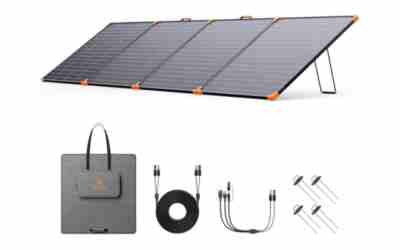
Our editorial team weighed Honda's published specifications and how it stacks up against similar products in the generators category. What stands out: Exceptionally Quiet, CO-Minder Safety Tech, and Portable & Lightweight. Where it falls short: Recoil Start Only and 3.2h Runtime at Full Load. That puts it at 8.9/10 on our WG Score – an excellent, well-rounded option.
 Reviewed byTristan
To properly use a generator, run it outdoors at least 20 feet from the house, start it with nothing plugged in, then add loads one at a time.
Place the generator outdoors, away from the house
Carbon monoxide (CO) from the exhaust is the main killer, so placement comes first. The CPSC says to run a portable generator only outdoors, never in a garage, basement, crawlspace, shed or porch. An open garage door does not clear the exhaust.
- Distance: A commonly cited guideline is at least 20 feet from the house and any building a person can enter. Your manual’s distance governs if it differs.
- Direction: Point the exhaust away from your home and from neighbors’ doors, windows and vents.
- Ground: Use a dry, level spot. Keep children and pets away from the hot engine and exhaust.
- CO alarms: Put battery-powered or battery-backup CO alarms inside the home before you start. If one sounds, get outside and call 911.
Run the pre-start checks
- Read the manual’s startup section for your model.
- Check the oil level on level ground and add the oil type the manual specifies.
- Check that the fuel tank has the fuel grade the manual calls for.
- Inspect cords for cuts, bent prongs and exposed wire. Replace any damaged cord.
- Follow the manual’s grounding instructions. Some models need a ground rod and some do not.
- Make sure the area around the engine is clear of debris, and keep the unit dry and your hands dry.
Start it empty, then add loads one at a time
Start the generator with nothing plugged in and let the engine settle for a minute. Then add appliances from the largest motor load to the smallest. Motors such as refrigerators and furnace fans draw extra “starting” watts for a moment when they switch on, and the generator must cover that surge. The combined running watts must stay within the generator’s rated output.
In this example, all wattages are rough estimates; check each appliance’s label for its real numbers.
| Appliance (in this example) | Running watts | Starting watts |
|---|---|---|
| Furnace fan | 800 | 2,350 |
| Refrigerator | 700 | 2,200 |
| TV and chargers | 150 | 150 |
| LED lights | 100 | 100 |
Running total in this example: 800 + 700 + 150 + 100 = 1,750 watts. Start the furnace fan first (2,350 peak), then the refrigerator while the fan runs: 800 + 2,200 = 3,000 watts peak. Add the TV and lights last. This setup needs at least 3,000 starting watts and 1,750 running watts. Never start two motors at the same moment, or the peak adds up to more than either alone.
Connect appliances safely
For a few items, plug heavy-duty, grounded outdoor extension cords directly into the generator. Choose cords rated for at least the amps of the load, keep them as short as practical, and uncoil them fully. Do not run cords through doors or windows that pinch them.
To power home circuits, use a transfer switch or interlock kit installed by a licensed electrician to local code. Never plug the generator into a wall outlet, which is called backfeeding. It can send power back to the grid and electrocute utility workers and neighbors. The CPSC also warns against male-to-male cords sold for this purpose.
Refuel and shut down correctly
- Before refueling: Turn the generator off and let it cool. Spilled fuel on hot parts can ignite.
- Fuel handling: Refuel outdoors from an approved, non-glass fuel container, and keep spare fuel outside living areas away from ignition sources.
- Shutdown: Switch off or unplug the loads first, then stop the engine as the manual directs. Many manuals suggest running it briefly with no load before switching off.
- After wet weather: If the unit got wet, dry it and have it checked before you run it again.
Our Top Picks
Ready to shop? These are the top-rated options from our related roundup, Best Portable Generators To Run A House of 2026.

Honda EU2200i 2200W Super Quiet Portable Inverter Generator with CO-Minder & Bluetooth App
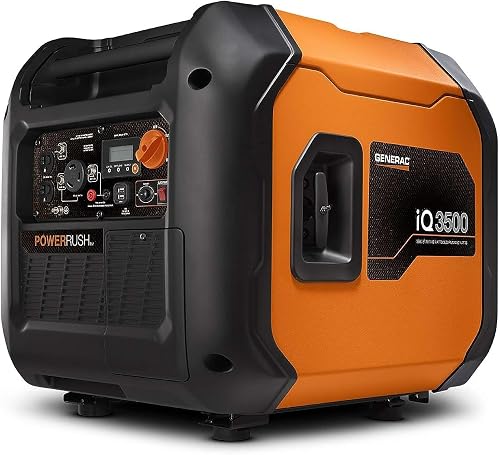
Generac iQ3500 3500W Portable Inverter Generator - Quiet, Lightweight, Electric Start, CARB Compliant for Camping & Jobsites
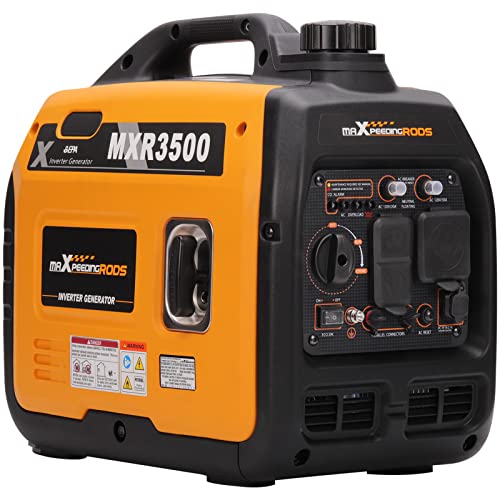
MaXpeedingrods 3500 Watt Portable Inverter Generator Gas Powered EPA Compliant
As an Amazon Associate we earn from qualifying purchases. Product prices and availability are accurate as of the date/time indicated.
Frequently Asked Questions
What should I do if the generator keeps shutting off or tripping its breaker?
Unplug everything, restart it, and add loads one at a time. If it trips again, the total running watts or a motor’s starting surge is too high, so leave the last appliance off.
Can I leave a generator running overnight while I sleep?
Yes, but only outdoors, with working battery-powered CO alarms inside. Stop the engine and let it cool before every refuel, so plan fuel and shutoff times before bed.
Can I run a generator in the rain or snow?
Only under a canopy or tent built for generators, with open sides and the exhaust clear. Never cover it with a tarp that traps exhaust, and clear snow from around the unit and exhaust.
Can I run a space heater or window air conditioner on a portable generator?
Yes, if the combined running watts stay within the generator’s rated output. Check the appliance label first, since heaters draw heavy continuous watts and air conditioners add a large starting surge.
{“@context”: “https://schema.org”, “@type”: “FAQPage”, “mainEntity”: [{“@type”: “Question”, “name”: “What should I do if the generator keeps shutting off or tripping its breaker?”, “acceptedAnswer”: {“@type”: “Answer”, “text”: “Unplug everything, restart it, and add loads one at a time. If it trips again, the total running watts or a motor’s starting surge is too high, so leave the last appliance off.”}}, {“@type”: “Question”, “name”: “Can I leave a generator running overnight while I sleep?”, “acceptedAnswer”: {“@type”: “Answer”, “text”: “Yes, but only outdoors, with working battery-powered CO alarms inside. Stop the engine and let it cool before every refuel, so plan fuel and shutoff times before bed.”}}, {“@type”: “Question”, “name”: “Can I run a generator in the rain or snow?”, “acceptedAnswer”: {“@type”: “Answer”, “text”: “Only under a canopy or tent built for generators, with open sides and the exhaust clear. Never cover it with a tarp that traps exhaust, and clear snow from around the unit and exhaust.”}}, {“@type”: “Question”, “name”: “Can I run a space heater or window air conditioner on a portable generator?”, “acceptedAnswer”: {“@type”: “Answer”, “text”: “Yes, if the combined running watts stay within the generator’s rated output. Check the appliance label first, since heaters draw heavy continuous watts and air conditioners add a large starting surge.”}}]}