

Our editorial team weighed MARBERO's published specifications and how it stacks up against similar products in the generators category. What stands out: Exceptionally Lightweight & Compact, Reliable During Outages/Camping, and Versatile Device Outputs. Where it falls short: Slow Without Direct Sunlight and Faster Drain With Multiple Devices. That puts it at 7.9/10 on our WG Score – a solid, dependable choice.
 Reviewed bySarah Watts
The safest way to make a portable generator quieter is distance: every doubling of distance cuts sound by about 6 dB.
Place it right before you change anything
Placement costs nothing and carries no overheating risk, so do it first.
- Set it as far away as your cord allows. Use a heavy-duty outdoor cord rated for the load. Keep it at least 20 ft from the house, or whatever distance the manual specifies, with the exhaust pointed away from windows, doors, vents and your neighbors’ property.
- Put it on grass, dirt or mulch. Concrete, pavement and decks reflect sound back at you.
- Keep walls, fences and parked vehicles away from its sides. Sound bounces off them and gets louder in the corners they form. Aim the exhaust side toward open space, not toward where people sit.
- Keep it level and dry. Do not run it in rain unless it is under a proper canopy with open sides.
Carbon monoxide matters more than noise here. One safety source estimates a portable gas generator emits as much CO as about 450 idling cars, so run it outdoors only and use battery-powered CO alarms inside.
Lower the load and stop vibration
An engine under heavy load runs faster and louder. Run only the loads you need, and stagger big appliances instead of starting them together.
- Use eco or economy throttle if the unit has it. It slows the engine when demand is light. Models differ, so the manual tells you how it behaves on your unit.
- Put anti-vibration pads under the feet. They cut the hum that travels through a deck, truck bed or wood floor. Use heat-resistant rubber rated for the unit’s weight, and never cover cooling vents.
- Tighten loose panels and fasteners. Rattling covers add a buzz that the engine itself does not make.
None of these has a reliable published dB figure, so treat them as modest gains that cost almost nothing.
Make a portable generator quieter with a vented baffle box
Yes, but only a box with open airflow, never a sealed one. A well-built enclosure lined with mass-loaded vinyl and foam cuts about 9-15 dB (rough estimate, one acoustics source). Claims of 15-25 dB are marketing unless someone measured them.
Ventilation and safety rules
- Separate paths: one cool-air intake and one hot-air exhaust, each with lined, bent baffles so sound cannot travel straight out.
- Pipe the exhaust fully outside the box and away from the intake so it cannot be pulled back in.
- Leave clearance around the engine, muffler and cooling fan. Opening sizes depend on the model, so ask the manufacturer rather than copying a generic plan.
- Keep foam and vinyl away from the muffler and exhaust. They are a fire hazard near hot parts.
- Never refuel inside the box. Shut down, let it cool, then pull it out.
- Test it for a short run first and shut down if the engine surges, loses power or the box gets too hot to touch.
What foam can and cannot do
Foam absorbs high-pitched whine. Low-frequency rumble needs mass and distance, so a thin box leaves the rumble you hear most. A freestanding barrier panel beside the unit deflects some sound, but keep it clear of the exhaust and cooling intake.
Do muffler upgrades and exhaust extensions work?
Sometimes, but the risk outweighs the gain for most owners. One source says a car-style muffler on a flexible exhaust tube can cut up to 15 dB, but it requires welding and is a single claim.
- Backpressure: a poorly matched muffler can make the engine overheat or lose power.
- Carbon monoxide: every new joint can leak. Seal joints with high-temperature sealant rated to about 1,000°F.
- Warranty: Generac support warns against modifying the exhaust, and any change can void coverage. Read your warranty before cutting or welding anything.
If you want an exhaust change, ask the manufacturer about an approved part.
When to switch to an inverter generator or power station
| Fix | Sourced figure | Effort |
|---|---|---|
| Double the distance | About 6 dB | None |
| Lined baffle box | About 9-15 dB (rough estimate) | High |
| Car-style muffler | Up to 15 dB (one source) | High, with risk |
| Inverter generator | Rated about 52-62 dB by vendors | Replacement |
Compare ratings only at the same load and distance, which the label or spec sheet states.
A 3 dB change is about the smallest difference most people notice, and roughly 10 dB sounds twice as loud. A 6 dB cut is clearly audible but does not halve the noise.
Replace the unit when distance and placement still leave it too loud for your campsite, neighbors or HOA. An inverter generator with an eco mode is the quieter engine option. A battery power station has no engine or exhaust, so it makes little more than fan noise.
Our Top Picks
Ready to shop? These are the top-rated options from our related roundup, Best Portable Generator Power Stations of 2026.

MARBERO 172Wh Solar Generator with 40W Panel - 200W Portable Power Station for Camping, Emergencies, CPAP & Outdoors
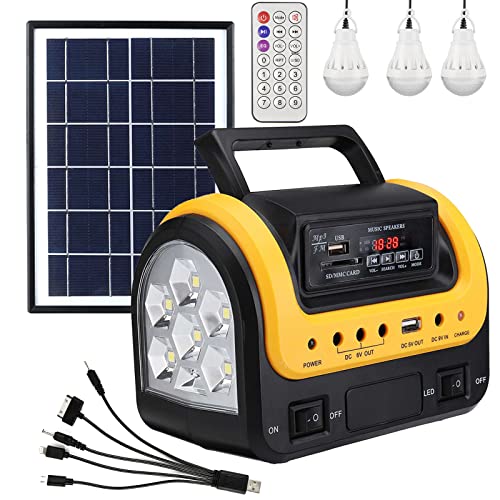
Portable 2500mAh LiFePO4 Solar Generator with 5W Panel & LED Lights - Ideal for Camping, Emergencies (Yellow)
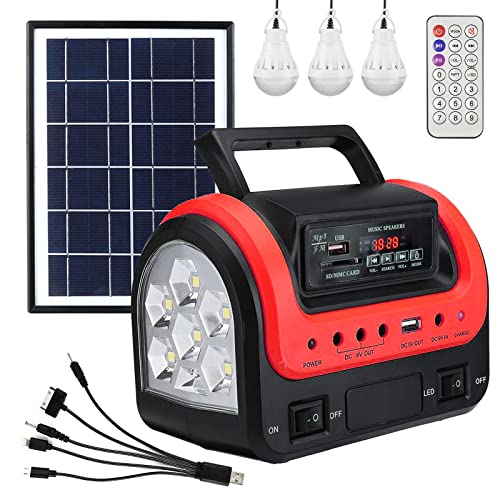
Upusa SDM-0603 Solar Generator Portable Power Station with 10W Panel
As an Amazon Associate we earn from qualifying purchases. Product prices and availability are accurate as of the date/time indicated.
Frequently Asked Questions
Can I throw a blanket or tarp over the generator to muffle it?
No. Covering a running generator blocks cooling air, traps heat near the muffler and creates a fire risk. Any cover also hides exhaust that can pool around the unit.
Is it safe to run a generator in a shed with the door open?
No. Carbon monoxide builds up in a shed or garage even with the door open. Run the generator outdoors, in the open, with the exhaust pointed away from buildings.
My generator suddenly got louder or started rattling. What now?
Shut it down and let it cool. A sudden change points to a loose heat shield, failed muffler or exhaust leak, and a leak can release carbon monoxide, so repair it before running again.
Do campgrounds and HOAs allow generators if mine is quiet?
Campgrounds and HOAs set their own quiet hours and dB limits. Read the posted rules before you run it, because a quiet unit still breaks a no-generator hour.
{“@context”: “https://schema.org”, “@type”: “FAQPage”, “mainEntity”: [{“@type”: “Question”, “name”: “Can I throw a blanket or tarp over the generator to muffle it?”, “acceptedAnswer”: {“@type”: “Answer”, “text”: “No. Covering a running generator blocks cooling air, traps heat near the muffler and creates a fire risk. Any cover also hides exhaust that can pool around the unit.”}}, {“@type”: “Question”, “name”: “Is it safe to run a generator in a shed with the door open?”, “acceptedAnswer”: {“@type”: “Answer”, “text”: “No. Carbon monoxide builds up in a shed or garage even with the door open. Run the generator outdoors, in the open, with the exhaust pointed away from buildings.”}}, {“@type”: “Question”, “name”: “My generator suddenly got louder or started rattling. What now?”, “acceptedAnswer”: {“@type”: “Answer”, “text”: “Shut it down and let it cool. A sudden change points to a loose heat shield, failed muffler or exhaust leak, and a leak can release carbon monoxide, so repair it before running again.”}}, {“@type”: “Question”, “name”: “Do campgrounds and HOAs allow generators if mine is quiet?”, “acceptedAnswer”: {“@type”: “Answer”, “text”: “Campgrounds and HOAs set their own quiet hours and dB limits. Read the posted rules before you run it, because a quiet unit still breaks a no-generator hour.”}}]}













