
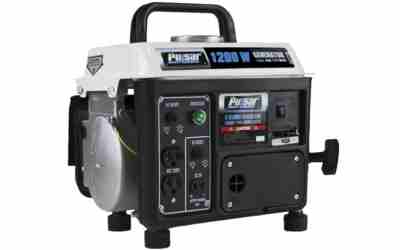
Portable Generators vs Home Generators: Which to Buy
In portable generators vs home generators, a portable covers essentials for less and a standby unit runs the whole house automatically.
We independently review everything we recommend. When you buy through our links, we may earn a commission. As an Amazon Associate we earn from qualifying purchases. Learn more ›
In-depth educational guides on generator and power station concepts, safety, and buying decisions.
In portable generators vs home generators, a portable covers essentials for less and a standby unit runs the whole house automatically.
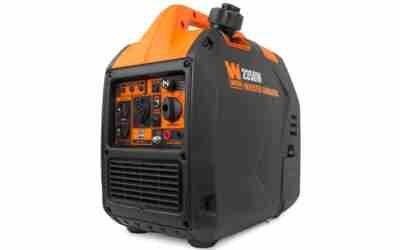
The quietest portable generator is a 2,000-watt class inverter such as the Honda EU2200i, rated 48–57 dBA depending on load; compare ratings fairly.
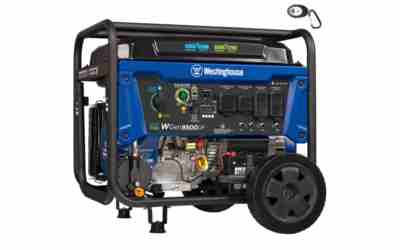
Westinghouse iGen12000TFc vs Cummins 11,000: both run 9,000 watts on gasoline; Westinghouse adds 1,000 peak watts and a bigger tank.
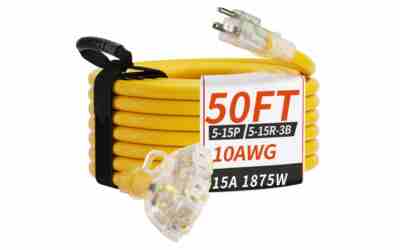
The safest way to hook up a portable generator is a transfer switch or interlock kit, or rated outdoor cords for a few appliances, never a wall outlet.
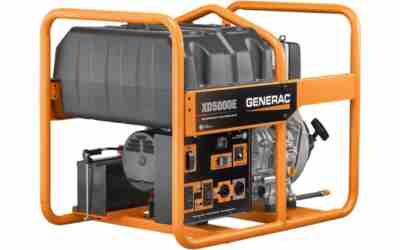
The Generac 12500 starting watt noise level is roughly 70 to 80 dBA at 23 feet; a same-class 10,000-watt open-frame Champion is rated 74 dBA.
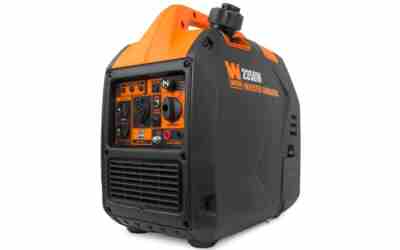
The PowerSmart 3600 noise level is listed at 70 dB at 23 feet, roughly 17 dB louder than the PowerSmart 2500 listing, so verify your exact model.
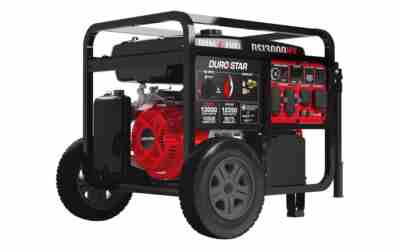
The DuroMax XP15000HXT price has been listed near $2,499 to $2,599, and the brand is reliable for backup if you maintain it and treat fuel right.
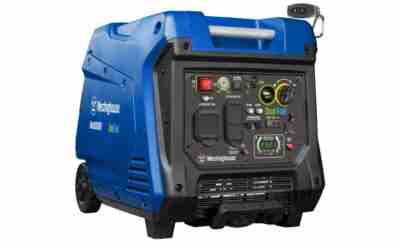
The PowerSmart 3800 dual fuel generator is a good budget choice for camping, RVs and light backup, but it cannot run a whole house.
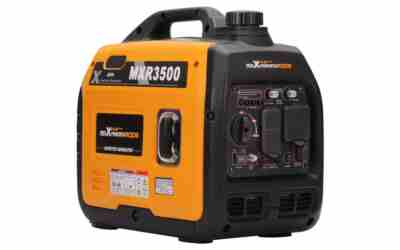
The PowerSmart 3600 generator fuel capacity is 1.6 gallons on the 3,600-running-watt model and 1.3 gallons on the 3,200-watt unit, so check your label.
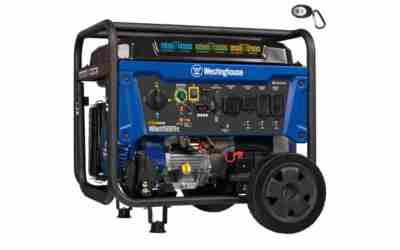
Westinghouse 2550 vs WEN 2350: the iGen2550 suits RV and camping better, while the WEN 56235i is the cheaper pick for lighter loads.