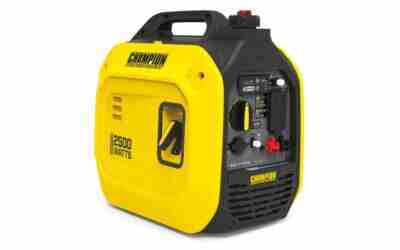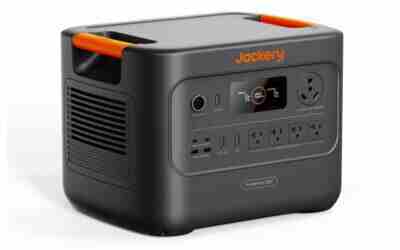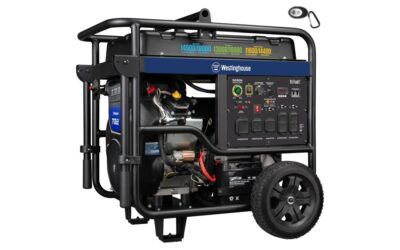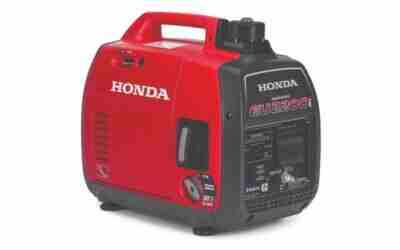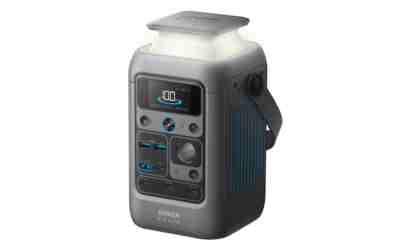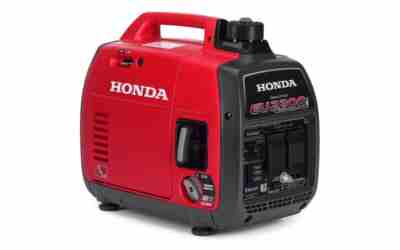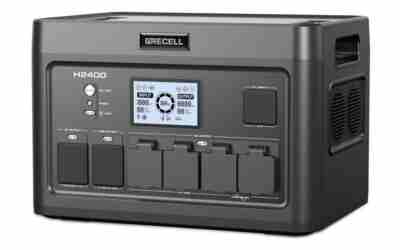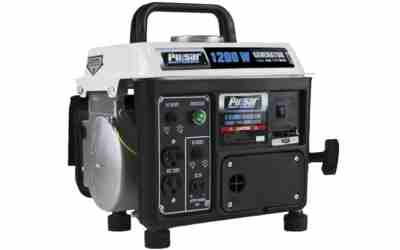

Our editorial team weighed PowerSmart's published specifications and how it stacks up against similar products in the generators category. What stands out: Compact, Under 40 lbs, AC & DC Outlets, and EPA Compliant. Where it falls short: Needs Manual Gas-Oil Mixing and 76dB Noise Level. That puts it at 7.7/10 on our WG Score – a solid, dependable choice.
 Reviewed byTristan
Whether you’re planning a weekend camping trip, hosting a backyard BBQ, or just need reliable power on the go, a portable generator designed for tailgating can make all the difference. These versatile units provide the electricity needed for everything from powering mini-fridges and blenders to charging phones and running outdoor entertainment systems. Finding the right balance of power, portability, and quiet operation is key to enhancing your outdoor experiences without disruption.
Our comprehensive guide for October 2026 delves into the top 5 tailgate portable generators, evaluating them based on critical factors like wattage output, fuel efficiency, noise levels, and overall ease of use. We’ve analyzed specifications and user feedback to help you choose a generator that perfectly fits your tailgating and portable power needs. For more options in portable power, explore our guide to the best portable generators covers while running.
Pros
- Exceptionally quiet operation at 52 dBA
- Long 12-hour runtime on small fuel tank
- Lightweight and portable with handle
- Pure sine wave output for electronics
- Built-in safety like low oil shutdown
Cons
- Fuel tank holds only 0.98 gallons, needing refills for multi-day use
- Parallel cord sold separately for linking units
- May have initial residual oil or fuel odor from factory testing
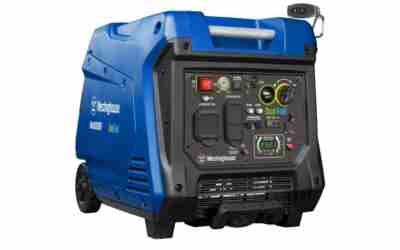
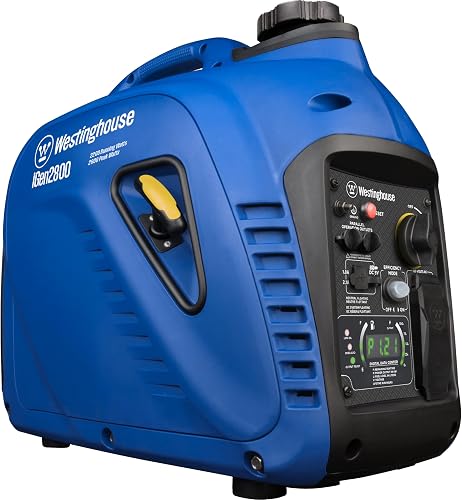
The Westinghouse iGen2800 is a compact inverter generator designed for homeowners facing power outages and outdoor enthusiasts like campers and tailgaters. With 2800 peak watts and 2200 running watts from its 4-stroke OHV engine, it handles essentials such as refrigerators, furnaces, and electronics while staying portable at just 46.3 pounds.
Standout features include ultra-quiet 52 dBA operation, quieter than normal conversation, and up to 12 hours of runtime on a 0.98-gallon tank in economy mode. It produces clean power below 3% THD to protect sensitive devices, and the LED data center shows fuel level, remaining time, voltage, and output. Parallel capability lets users combine two units for more power using a separate cord.
Build quality shines with a lightweight frame, built-in handle, and safety features like overload protection and low oil shutdown. The automatic throttle enhances fuel efficiency by matching engine speed to demand, making it reliable for both home backup and recreation.
Drawbacks include the small fuel capacity requiring occasional refills for extended outages and the need to buy a parallel cord separately. Factory testing may leave a faint initial odor.
Overall, the iGen2800 excels as a versatile, efficient choice for quiet, portable power needs, backed by a 3-year warranty and lifetime support. It delivers strong value for emergency and outdoor use.
Power Output: 2800 peak watts / 2200 running watts at <3% THD
Engine: 4-Stroke OHV Westinghouse
Runtime: Up to 12 hours on 0.98 gallon tank
Noise Level: 52 dBA
Weight: 46.3 lbs
Outlets: Two 120V 20A, two USB
Features: Parallel capable, economy mode, LED display, low oil shutdown

Pros
- Dual fuel capability reduces dependency on single fuel source
- Quiet operation suitable for residential and campground use
- Reliable recoil start and solid build quality noted in reviews
- Clean inverter power protects laptops and medical equipment
Cons
- Manual recoil start requires physical effort in cold weather
- Runtime limited to around 4 hours at 50% load on a full tank
- Propane mode delivers slightly lower peak output than gasoline
The PowerSmart 3800 Watt Dual Fuel Inverter Generator delivers portable power for home backup, camping, and tailgating. It runs on gasoline or propane and produces clean sine wave electricity suitable for electronics.
Users highlight easy starting, steady voltage output, and sufficient power for appliances, lights, and RV air conditioning. The CO safety sensor and overload protection add reliable safeguards during extended operation.
At 50.7 pounds with a compact footprint, the unit moves easily between locations. Noise levels remain acceptable for most outdoor settings while the parallel-ready feature allows capacity expansion when needed.
Drawbacks include the manual start mechanism and shorter runtime compared to larger stationary models. Overall it provides good value for users who need mid-range portable inverter power without excessive bulk.

Pros
- Clean sine wave output protects sensitive devices
- Parallel ready for higher power needs
- Compact and lighter than comparable generators
- Includes RV-ready outlet out of the box
Cons
- Recoil start only with no electric option
- Open frame design may produce more noise than enclosed models
- Rated output is 3500 watts despite 4000-watt peak
The WEN GN400iM is an open-frame inverter generator rated at 4000 surge watts and 3500 running watts. It produces clean power with total harmonic distortion under 1.2 percent at full load, making it suitable for laptops, phones, and other electronics.
This model targets campers, RV owners, and homeowners who need reliable portable backup power. The RV-ready TT-30R receptacle and parallel connection capability allow flexible use across different scenarios without additional adapters.
Key features include a 212cc 4-stroke engine, eco-mode for improved fuel efficiency, and automatic shutdown for low oil or overload conditions. The unit weighs less than standard generators in its class due to its optimized frame design.
Build quality focuses on essential protections and a two-year warranty. Drawbacks include manual recoil starting and an open-frame layout that does not enclose the engine for noise reduction.
Overall the GN400iM offers strong value for users prioritizing clean power, RV compatibility, and parallel options in a lightweight package.

Pros
- Lightweight and portable for camping or tailgating
- Pure sine wave output protects electronics
- Parallel ready for expanded power needs
Cons
- Gasoline only with no dual fuel option
- No electric start system included
- Limited runtime on a single tank
The Pulsar 2300W inverter generator provides portable power suitable for camping trips and outdoor events. Its compact design and low weight make it simple to carry and store.
Stable sine wave technology ensures safe operation of laptops, phones, and other sensitive devices. The included USB outlet adds convenience for charging small electronics directly.
Parallel capability allows users to link units for higher output when needed. Fuel efficiency supports up to 4.8 hours of runtime at half load.
Potential drawbacks include reliance on gasoline and the absence of an electric start. Overall this model offers solid performance for users seeking a lightweight inverter generator.

Pros
- Compact and highly portable at under 40 lbs
- Multiple outlets including AC and DC for flexibility
- EPA compliant for legal outdoor use
Cons
- Requires manual oil-fuel mixing for 2-stroke engine
- 76 dBA noise level may disturb quiet environments
- Limited 5-hour runtime on full tank at half load
The PowerSmart 1200W portable gas generator uses a 71cc 2-stroke engine to supply 1200 peak watts and 900 rated watts. It targets campers, tailgaters, and users needing compact emergency backup power.
Its 39 lb weight and integrated handle make transport straightforward. The 1.1-gallon tank yields up to 5 hours of operation at 50% load while the control panel offers one 120V AC outlet and one 12V DC plug.
Build quality includes a durable frame, recoil starting, and EPA compliance. The unit lacks inverter technology and runs at 76 dBA, so it suits open-air settings rather than indoor or noise-sensitive areas.
Drawbacks include the need to premix fuel and oil plus modest runtime. Overall it serves as an affordable lightweight option for short outdoor power needs.
Buying Guide for 2026
Running vs. Starting Watts
Understanding the difference between running watts and starting watts is crucial when selecting a generator. Running watts (or rated watts) refer to the continuous power a generator can supply, which is what your appliances need to operate steadily. Starting watts (or surge watts) are the extra burst of power required to start motor-driven appliances like refrigerators or air conditioners.
For tailgating, you’ll need enough running watts to cover the continuous load of all your desired electronics and appliances, plus sufficient starting watts for any items that have a motor. Always check the wattage requirements of your specific devices to ensure your chosen generator can handle the load without tripping circuits or struggling.
Fuel Type and Runtime
Tailgate generators typically run on gasoline, but dual-fuel models that can switch between gasoline and propane offer increased versatility and convenience. Gasoline is readily available, while propane can be stored longer and burns cleaner. Consider how long you’ll need power for your events; runtime specifications, usually provided at 25% or 50% load, will give you an idea of how often you’ll need to refuel.
A longer runtime means less interruption, which is ideal for all-day events. Look for models with efficient engines and larger fuel tanks if extended operation without constant refueling is a priority. Some generators also feature an economy mode to optimize fuel consumption when less power is needed.
Noise Level
For tailgating and other social outdoor activities, a quiet generator is often a top priority. Nobody wants a loud generator drowning out conversations or music. Noise levels are measured in decibels (dBA) and are usually specified at a certain distance (e.g., 23 feet). Inverter generators are generally much quieter than conventional generators due to their advanced engine technology and enclosed designs.
Aim for generators with noise levels below 60 dBA for a more pleasant experience. Many modern tailgate-specific generators are engineered to operate at noise levels comparable to a normal conversation, making them ideal for close-quarter gatherings. For further quiet options, consider checking out the best low THD portable generators, which often boast lower noise profiles.
Portability and Design
A generator for tailgating needs to be easily transportable. Consider its weight, dimensions, and the presence of features like built-in wheels and telescopic handles. Compact, suitcase-style inverter generators are popular for their portability and ease of storage. Lighter units are easier to lift in and out of vehicles, while robust wheels can make maneuvering heavier models across various terrains much simpler.
The overall design should also be durable enough to withstand outdoor use. Look for sturdy frames and protected outlets. A generator that is easy to set up and take down will contribute significantly to a hassle-free tailgating experience.
Quick Comparison: Side by Side
- – Dual Fuel Flexibility.
- – Quiet Operation.
- – Reliable Recoil Start, Solid Build.
- – Exceptionally Quiet at 52dBA.
- – 12-Hour Runtime.
- – Lightweight & Portable.
- – Lightweight, Great for Camping.
- – Pure Sine Wave Output.
- – Parallel-Ready.
- – Compact, Under 40 lbs.
- – AC & DC Outlets.
- – EPA Compliant.
- – Manual Recoil Start, Harder in Cold.
- – ~4-Hour Runtime at 50% Load.
- – Lower Peak Output on Propane.
- – Small 0.98-Gallon Tank.
- – Parallel Cord Sold Separately.
- – Minor Oil/Fuel Odor on Arrival.
- – Gasoline Only.
- – No Electric Start.
- – Limited Tank Runtime.
- – Needs Manual Gas-Oil Mixing.
- – 76dB Noise Level.
- – 5-Hour Runtime at Half Load.
Why Trust Our Reviews
At WikiGenerators.com, our commitment is to provide unbiased and thoroughly researched product recommendations. We understand the importance of reliable power solutions, especially for outdoor activities like tailgating. Our review process involves a meticulous analysis of product specifications, manufacturer data, and extensive aggregation of real-world user feedback and expert opinions.
We do not conduct hands-on testing of every product; instead, we leverage a data-driven approach to evaluate performance, durability, features, and value. Our goal is to present you with a clear, objective overview of the market’s leading options, ensuring you can make an informed decision based on comprehensive information, rather than promotional claims. Our recommendations are continually updated to reflect the latest advancements and consumer insights in the generator market.
Our Final Picks for 2026
Best Overall: PowerSmart 3800 Watt Dual Fuel Inverter Generator Quiet Portable Gas Propane with CO Sensor RV Ready
The PowerSmart 3800 Watt Dual Fuel Inverter Generator stands out with its impressive dual-fuel versatility, allowing seamless switching between gasoline and propane. It delivers 3800 peak watts on gas and 3500 peak watts on propane, making it a robust choice for various tailgating needs. Its quiet operation at 70dB and advanced inverter technology ensure clean power for sensitive electronics.
View on Amazon.comBest Value: Pulsar 2300W Portable Gas Inverter Generator with USB Outlet and Parallel Capability
For those seeking an excellent balance of performance and affordability, the Pulsar 2300W Portable Gas Inverter Generator is a fantastic option. It offers 2,300 peak watts and 1,800 running watts, ideal for powering essential tailgating gear and small appliances. Weighing less than 47 lbs, its compact suitcase design and stable sine wave technology make it a user-friendly and reliable choice for camping and tailgating.
View on Amazon.comBest for Quiet Operation: Westinghouse iGen2800 2800 Peak Watt Super Quiet Lightweight Portable Inverter Generator – Gas Powered, Parallel Ready
The Westinghouse iGen2800 is engineered for tranquility, operating as low as 52 dBA, making it one of the quietest options available for tailgating. It provides 2,800 peak watts and 2,200 running watts, perfect for sensitive electronics with less than 3% THD. Its lightweight design at only 46.3 lbs and impressive fuel efficiency with up to 12 hours of run time make it a top contender for any event where noise is a concern.
View on Amazon.comFrequently Asked Questions
Which tailgate portable generators should I buy in 2026?
The best tailgate portable generators for you in 2026 depends on your specific needs, including the wattage required for your appliances, desired noise level, and portability. Consider models with dual-fuel capability for versatility and inverter technology for sensitive electronics. Refer to our buying guide for detailed criteria to help you make an informed decision.
How many watts do I need for tailgating?
For tailgating, most users find that a generator providing between 2,000 and 4,000 running watts is sufficient. This range can comfortably power common tailgating appliances like small refrigerators, blenders, TVs, and charging devices. Always add up the running watts of all the items you plan to use simultaneously to ensure your generator can handle the load.
Are inverter generators better for tailgating?
Yes, inverter generators are generally considered superior for tailgating. They are significantly quieter, produce clean power safe for sensitive electronics (like smartphones and laptops), and are typically more fuel-efficient and portable than conventional generators. Their compact design and lower noise levels make them ideal for social outdoor environments.
What is the quietest generator for tailgating?
The quietest generators for tailgating are typically inverter models, with noise levels often ranging from 50 to 60 dBA. Brands like Westinghouse, Honda, and Yamaha are known for producing particularly quiet inverter generators. Always check the dBA rating at 23 feet when comparing models to find the quietest option that meets your power needs.