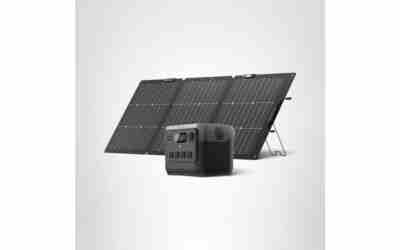
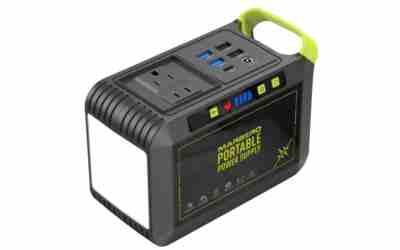
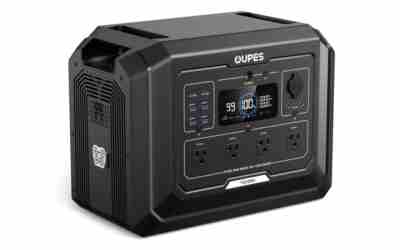
Our editorial team weighed Jackery's published specifications and how it stacks up against similar products in the generators category. What stands out: Military-Grade Reliability, Pure Sine Wave Output, and Multiple Recharge Options. Where it falls short: 500W Continuous Limit and Solar Panel Sold Separately. That puts it at 8.7/10 on our WG Score – an excellent, well-rounded option.
 Reviewed byDaniel
When choosing among the many solar charging generators available, the most critical specification to consider is the battery’s Watt-hour (Wh) capacity combined with its AC output. These two metrics directly determine how long and how powerfully your devices can be charged or run. Understanding these numbers is far more important than focusing solely on brand recognition or initial cost, as they dictate the true utility and suitability of the generator for your specific needs. For instance, a higher Wh capacity means longer runtimes for your essential electronics, while a robust AC output ensures you can power more demanding appliances. For more insights into how we evaluate these crucial specifications, explore our guide on The 5 Best Diy Solar Generators of 2026.
Watt-hour (Wh) Capacity Explained
Watt-hour (Wh) capacity is a fundamental metric for solar charging generators, representing the total amount of energy a battery can store and deliver. Think of it as the fuel tank size for your electrical devices. A higher Wh rating means the solar generator can power your gadgets for a longer duration before needing to be recharged. This is especially crucial for extended outdoor adventures, emergency backups, or off-grid living where consistent power access is vital. Knowing the Wh capacity helps you match the generator’s capabilities with your expected power consumption, preventing unexpected power outages.
To put this into perspective, let’s consider the Jackery Portable Power Station Explorer 500, which boasts a 518Wh capacity. If you were to power a typical 60W portable mini-fridge, this unit could theoretically keep it running for approximately 8.6 hours (518 Wh / 60 W = 8.63 hours). This calculation provides a practical understanding of how battery capacity translates into real-world usage, allowing you to estimate how long your essential devices will stay powered during an outage or camping trip.
Pros
- Exceptional reliability proven in extreme military and desert use per customer reviews
- Pure sine wave output handles sensitive electronics like radios and oscilloscopes smoothly
- Multiple recharge options including solar compatibility for off-grid freedom
- Clear battery display and pass-through feature for uninterrupted power
- Lightweight at 13.3 lbs for true portability without sacrificing capacity
Cons
- Limited to 500W continuous output, shuts off if exceeded
- Solar panel sold separately, adding extra cost for full off-grid setup
- Rare reports of units failing after initial use
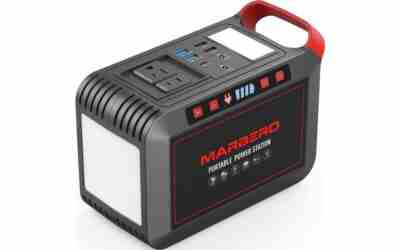
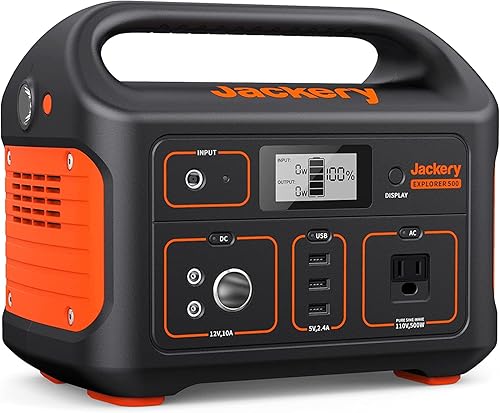
The Jackery Explorer 500 is a versatile portable power station designed for outdoor enthusiasts, campers, road trippers, and anyone needing reliable home backup power. With 518Wh capacity and 500W AC output (1000W peak), it powers devices like fans, lights, coolers, laptops, and small appliances under 500W total, making it perfect for extended off-grid adventures or emergency outages.
Standout features include pass-through charging, allowing simultaneous device powering and recharging via AC wall (7.5 hours full), car port, or optional Jackery SolarSaga 100W panel (9.5 hours). Customers rave about its real-world performance, from lighting sports fields in desert heat to running radios and test equipment during blackouts, with consistent reliability over years of harsh use. Multiple ports (1 AC, 3 USB-A, 2 DC, 1 car) ensure broad compatibility.
Build quality shines with a sturdy plastic frame, solid handle, and quiet fanless operation under light loads, weighing just 13.3 lbs in basketball-like dimensions. The BMS protects individual cells for longevity, and the clear LCD shows exact battery status. It's eco-friendly with no fumes or fuel needs.
Drawbacks include the 500W limit, which auto-shuts for safety on overloads, and solar dependency on separate purchase. One review noted early failure, though most praise durability.
Verdict: A top choice for portable, dependable power that enhances camping, travel, and backup needs without the hassle of gas generators.
Capacity: 518Wh (24Ah, 21.6V)
Outputs: 1x 110V/500W AC (1000W peak), 3x USB-A 5V/2.4A, 1x Car 12V/10A, 2x DC 12V/7A
Inputs: AC adapter (7.5 hrs full), Car (7.5 hrs), Solar 12-30V/100W max (9.5 hrs with 100W panel)
Weight & Size: 13.3 lbs, 11.8 x 7.6 x 9.2 inches
Other: Lithium-ion battery, 14-104°F operating temp, 2-year warranty
Ideal for camping, RV trips, or home emergencies if your devices total under 500W. Calculate runtime: 500Wh x 0.85 / device watts (e.g., 60W fan ~7 hours). Pair with SolarSaga 100W for off-grid recharging. Avoid if needing over 500W continuous or massive capacity like whole-home fridges.
Compares favorably to Explorer 240 (smaller) or 1000 (larger/heavier). Great for military, sports parents, or preppers per reviews.

Pros
- Exceptional 1-hour fast charging via AC
- Durable LiFePO4 battery with 10-year lifespan
- Lightweight and easy to carry anywhere
- Versatile ports including 2x 300W AC outlets
- Strong app integration for monitoring
Cons
- Fan noise audible during fast charging
- Single USB-C port limits simultaneous charging
- Best for low-to-medium power devices, not heavy appliances long-term
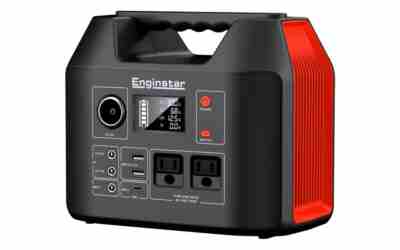
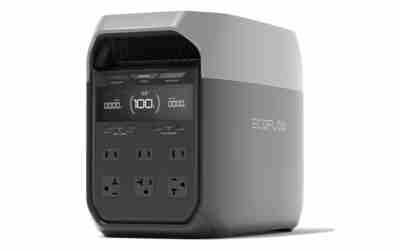
The EcoFlow RIVER 2 is a versatile portable power station designed for campers, RV travelers, outdoor enthusiasts, and home emergency backup. With 256Wh capacity and LiFePO4 battery chemistry, it powers essentials like phones, cameras, drones, laptops, fans, and mini fridges, offering runtimes from hours to days depending on device wattage.
Standout features include X-Stream 1-hour AC recharge, up to 600W output with X-Boost for handling surges, and fast solar input for off-grid use. Users praise its real-world performance, such as recharging e-bikes in sheds, sustaining camping gadgets for a week, or acting as UPS for routers during outages, with seamless 30ms switching. The app provides detailed monitoring, enhancing usability.
Build quality shines with a lightweight 7.7 lbs design, sturdy handle, and advanced BMS for safety. Reviewers highlight its compact size, quiet operation under load, and premium feel, making it ideal for sheds, trips, or teleworking.
Drawbacks include fan noise during rapid charging and a single USB-C port, which may require prioritization. It suits low-to-medium loads best, not prolonged high-wattage use.
Overall, the RIVER 2 delivers exceptional value for portable, reliable power, earning high marks for speed, longevity, and convenience. Perfect for anyone seeking a gateway to sustainable off-grid living.
Capacity: 256Wh LiFePO4 battery
Output: Up to 600W AC (2 outlets), multiple USB ports including USB-C
Recharge: 1 hour AC, 2.3 hours solar (110W input), car/USB-C options
Weight/Dimensions: 7.7 lbs (3.5 kg), 9.6 x 8.4 x 5.5 inches
Other: App control, UPS mode (30ms switch), 5-year warranty

Pros
- Exceptionally lightweight and compact for hiking and travel
- Powers devices reliably during outages and camping trips
- Versatile outputs support diverse gear like routers and fans
- Efficient solar panel extends runtime in sunlight
- Quick AC recharging in 7-8 hours
Cons
- Solar recharging can be slow without direct sunlight
- Battery drains faster with multiple high-draw devices simultaneously
- Built-in flashlight limited for extended camping use
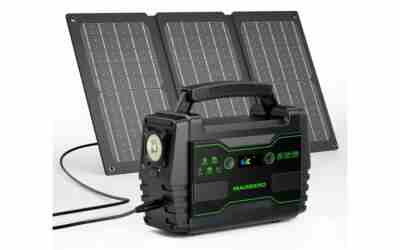
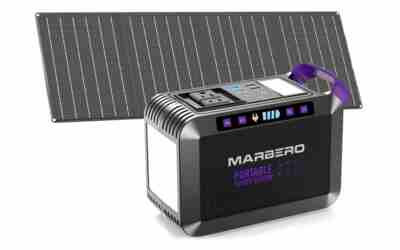
The MARBERO 172Wh solar generator kit combines a compact 200W power station with a 40W foldable solar panel, perfect for campers, hikers, fishers, and anyone needing emergency backup power for CPAP machines or home outages. It delivers reliable electricity off-grid, powering essentials like phones, laptops, routers, and small appliances without noise or fuel.
Standout features include multiple outputs for simultaneous charging, a high-efficiency solar panel with 21.5-23.5% conversion rate, and three recharging options: AC in 7-8 hours, car port, or solar. Users rave about its performance in real scenarios, like sustaining devices through snowstorms or multi-day camping, with fast device charging and solid runtime for lights and fans.
Design emphasizes portability with the 3.3lb power station (7.6x3.6x5.4 inches) and lightweight panel, plus safety features like overcharge and overload protection. Build quality feels premium with ABS material and intuitive LED indicators, though solar input lags in shade and heavy multi-device use reduces capacity.
Minor drawbacks include slower solar times and flashlight limitations, but overall, this kit excels for lightweight, versatile power needs. Verdict: Highly recommended for outdoor enthusiasts and preppers seeking dependable, portable energy.
Capacity: 172Wh | Output: 200W (270W peak) | Weight: Power station 3.3lbs, Panel 2.3lbs
Ports: 2 AC, 2 USB-A QC3.0, 2 USB-A, 1 USB-C PD, 1 DC | Recharge: AC, Solar, Car
Dimensions: Station 7.6x3.6x5.4in | Panel folded 8x10x1in | Power Source: Solar, Battery, AC
Safety: Overcharge, overload, short circuit protection | Color: Purple Black

Pros
- Long-lasting LiFePO4 battery with 3,000+ cycles
- Multiple lighting options save power in blackouts
- Two charging methods for convenience
- Portable and easy to carry at just 1kg
- Affordable entry into solar backup power
Cons
- Limited 2500mAh capacity suits only small devices, not laptops
- 5W solar panel charges slowly in low sunlight
- Low 5W output wattage restricts to light-duty use
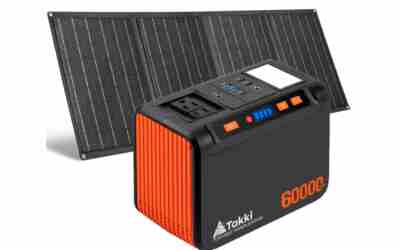
This portable solar generator kit from Upusa is a compact 2500mAh LiFePO4 power station bundled with a 5W solar panel, ideal for users seeking lightweight emergency backup. It targets campers, travelers, and homeowners preparing for hurricanes or outages, powering small gadgets like phones, e-books, and cameras while providing essential lighting.
Standout features include a built-in LED flashlight plus three detachable LED lamps with individual switches and 3m cables, offering versatile low-consumption illumination. The battery supports over 3,000 cycles for durability, with USB/DC outputs delivering steady power for devices. In real-world use, it excels at keeping essentials charged during short blackouts or weekend camping, though solar recharging takes time in shade.
Build quality shines in its 1kg lightweight frame with a carry handle, anti-dust design, and quiet operation. Compact and integrated packaging makes transport simple, fitting easily in a backpack. It charges via solar or AC, enhancing reliability outdoors or indoors.
Drawbacks include the small capacity limiting it to low-power needs and slow solar input. It is not suited for high-draw appliances.
Overall, this is a solid, budget-friendly choice for basic off-grid lighting and phone charging, earning praise for portability and battery life. Recommended for light emergency or recreational use.
Brand: Upusa
Battery Capacity: 2500mAh LiFePO4
Solar Panel: 5W
Output Wattage: 5 Watts
Power Source: Solar Powered
Voltage: 110 Volts (AC)
Weight: 1 Kilogram
Special Features: Portable, LED Flashlight, Detachable Lamps
Included: Charging Cable, Solar Panel
Solar Charging Generators: Our Picks Against the Numbers
Best for Extended Power Needs: Jackery Explorer 500 Portable Power Station 518Wh 500W Solar Generator for Camping, Home Backup, Road Trips
With a substantial 518Wh capacity and 500W AC output, the Jackery Explorer 500 stands out for users requiring significant power for longer durations. This capacity allows it to handle a range of devices, from charging laptops multiple times to running small appliances for several hours, making it ideal for extended camping trips or as a reliable home backup option.
Skip this if: You need a unit that is exceptionally lightweight for ultralight backpacking, as its 13.3 lbs might be more than desired for minimal carry.
View on Amazon.comBest for Fast Recharging and Portability: EcoFlow RIVER 2 Portable Power Station: 256Wh LiFePO4, 1Hr Fast Charge, 600W Output, Solar Generator for Camping, RV, Home Backup
The EcoFlow RIVER 2 offers a 256Wh capacity with an impressive 600W AC output, coupled with a rapid 1-hour AC recharge time. This combination makes it an excellent choice for users who prioritize quick turnaround times for power and require a unit capable of handling slightly higher wattage devices for shorter periods. Its light weight also enhances its portability for on-the-go use.
Skip this if: Your primary need is to power very high-drain appliances for extended periods, as its 256Wh capacity, while efficient, may not match the longevity of larger units.
View on Amazon.comBest Budget-Friendly Option with Included Solar Panel: MARBERO 172Wh Solar Generator with 40W Panel – 200W Portable Power Station for Camping, Emergencies, CPAP & Outdoors
The MARBERO 172Wh Solar Generator offers a 172Wh capacity and 200W AC output, uniquely bundled with a 40W solar panel. This integrated package provides a complete, entry-level solar charging solution right out of the box, making it highly convenient for those new to solar power or seeking a straightforward setup for light use.
Skip this if: You require robust power for multiple demanding devices simultaneously, as its lower capacity and output are better suited for smaller electronics and single-device charging.
View on Amazon.comOther Things That Matter for Solar Charging Generators
Portability and Design
Beyond raw power metrics, the physical attributes of solar charging generators significantly impact its usability. A compact and lightweight design, often featuring a sturdy handle, is crucial for easy transport during camping, road trips, or emergency situations. Consider units like the EcoFlow RIVER 2, which weighs only 7.7 lbs, making it highly convenient for various outdoor adventures. The overall footprint and ruggedness of the build also play a role in how well the generator can withstand different environments. For those looking for more heavy-duty options, see our review of The 5 Best Heavy Duty Solar Generators of 2026.
Charging Versatility and Speed
A good solar charging generators should offer multiple ways to recharge, enhancing its flexibility. While solar charging is a core feature, the speed of AC wall charging and compatibility with car chargers are also important. The EcoFlow RIVER 2, for example, boasts a 1-hour AC recharge time, minimizing downtime. Efficient solar input, like the 110W solar input on the EcoFlow, ensures faster replenishment from the sun. Look for units that provide a balance of charging options to suit different scenarios.
Battery Type and Lifespan
The type of battery used in a solar generator directly impacts its longevity and safety. LiFePO4 (Lithium Iron Phosphate) batteries, found in models like the EcoFlow RIVER 2, are known for their extended lifecycles, often exceeding 3000 charge cycles before degrading to 80% capacity. This translates to years of reliable use, making them a more sustainable and cost-effective choice in the long run. Advanced Battery Management Systems (BMS) also contribute to safety and optimal performance.
Quick Comparison: Side by Side
- – Military-Grade Reliability.
- – Pure Sine Wave Output.
- – Multiple Recharge Options.
- – 1-Hour Fast AC Charging.
- – 10-Year LiFePO4 Lifespan.
- – Lightweight & Portable.
- – Exceptionally Lightweight & Compact.
- – Reliable During Outages/Camping.
- – Versatile Device Outputs.
- – 3,000+ Cycle LiFePO4 Battery.
- – Multiple Lighting Options.
- – Two Charging Methods.
- – 500W Continuous Limit.
- – Solar Panel Sold Separately.
- – Rare Early Failures.
- – Fan Noise During Fast Charging.
- – Only One USB-C Port.
- – Best for Light-Medium Loads.
- – Slow Without Direct Sunlight.
- – Faster Drain With Multiple Devices.
- – Limited Flashlight for Extended Use.
- – Small 2500mAh Capacity.
- – Slow 5W Solar Charging.
- – Low 5W Output Only.
Why Trust Our Reviews
Our commitment at WikiGenerators.com is to provide you with thoroughly researched and unbiased reviews for solar charging generators. We meticulously analyze product specifications, evaluate user feedback, and compare features to offer comprehensive insights. Our recommendations are based on a deep understanding of generator technology and what truly matters to consumers, ensuring you receive reliable information to make informed purchasing decisions. We do not engage in hands-on product testing; instead, we leverage extensive data analysis to highlight the strengths and weaknesses of each model.
Frequently Asked Questions
What is the typical lifespan of solar charging generators?
The lifespan of solar charging generators largely depends on its battery chemistry. Generators utilizing LiFePO4 batteries, like the EcoFlow RIVER 2, can offer over 3,000 charge cycles before their capacity drops to 80%, often translating to 10 years or more of regular use. Lithium-ion batteries typically have a shorter lifespan but still provide several years of service with proper care.
Can solar charging generators power household appliances?
Yes, many solar charging generators models are capable of powering a variety of household appliances, depending on their AC output wattage and battery capacity. Smaller units are suitable for charging phones, laptops, and running small fans, while larger units can handle mini-fridges, CPAP machines, and even some power tools. Always check the generator’s AC output (in Watts) and the power requirements of your appliances to ensure compatibility. For more information on generator capabilities, you might find our article on The 5 Best 50 Amp Portable Generators of 2026 helpful.
How long does it take to charge solar charging generators using solar panels?
Solar charging times for solar charging generators vary significantly based on the size of the solar panel, the generator’s input capacity, and environmental factors like sunlight intensity. For instance, the EcoFlow RIVER 2 can recharge in as fast as 2.3 hours with a 110W solar input under ideal conditions. Smaller panels or less direct sunlight will naturally extend charging times.