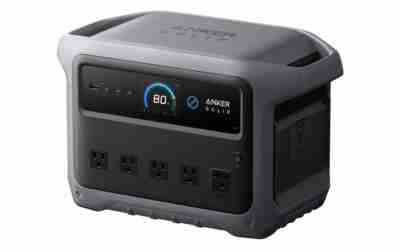
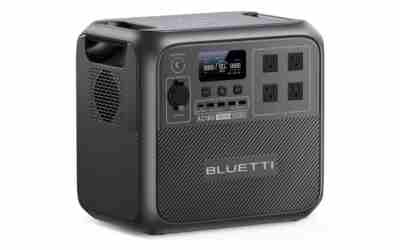
Our editorial team weighed MARBERO's published specifications and how it stacks up against similar products in the generators category. What stands out: Highly Portable & Compact, Multiple Recharging Options, and Reliable Emergency Power. Where it falls short: Solar Needs Direct Sunlight and Limited High-Wattage Runtime (4-6h). That puts it at 8.1/10 on our WG Score – an excellent, well-rounded option.
 Reviewed byEthan
How much power do you truly need from a solar backup generator? The ideal capacity largely depends on what you plan to power during outages or off-grid adventures. For essential devices like phones and laptops, a smaller unit will suffice, while larger appliances or extended home backup require higher wattage and battery capacity.
Finding the right balance between portability, power output, and battery longevity is key to selecting the perfect solar backup generator for your needs. Consider models like those featured in The 4 Best Indoor Solar Generators of 2026 for a sense of available options.
What to Know Before Choosing Solar Backup Generators
What capacity do I need for home backup vs. camping?
The required capacity for a solar backup generator varies significantly based on its intended use. For camping and light outdoor activities, a portable unit with a capacity around 150-300Wh, like the MARBERO 155Wh Solar Generator, is often sufficient to charge small electronics, lights, and perhaps a mini-fridge. These units prioritize portability and ease of transport.
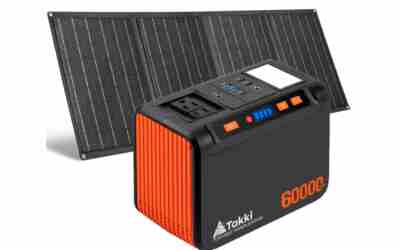
For home backup during power outages, you’ll generally need a much higher capacity. Generators designed for this purpose, such as the Anker SOLIX C1000 Gen 2 with its 1,024Wh battery, can power essential home appliances like refrigerators, CPAP machines, or even a microwave for several hours. These units offer greater output and more ports to handle multiple devices simultaneously.
How quickly can these units recharge using solar panels?
Solar recharging times depend on the generator’s battery capacity, the wattage of the solar panels used, and weather conditions. For instance, the Anker SOLIX C1000 Gen 2 can recharge in approximately 1.8 hours with a 600W solar input, showcasing its rapid off-grid capabilities. Smaller units, like the MARBERO 155Wh model, can fully recharge in 6-7 hours with its included 30W solar panel under direct sunlight.
It’s important to match your solar panel wattage to your generator’s input capabilities for optimal charging speed. Higher wattage panels will reduce recharge times, making your generator ready for use more quickly, especially in emergency situations or during extended trips.
Are LiFePO4 batteries better for solar generators?
LiFePO4 (Lithium Iron Phosphate) batteries are a superior choice for solar backup generators due to their enhanced longevity, safety, and cycle life compared to traditional lithium-ion batteries. Products like the Anker SOLIX C1000 Gen 2 and Anker SOLIX C300 feature LiFePO4 batteries, designed to retain at least 80% capacity after 4,000 cycles, translating to years of reliable use. This extended lifespan makes them a more sustainable and cost-effective investment over time.
Beyond durability, LiFePO4 batteries offer improved thermal and chemical stability, reducing the risk of overheating and making them safer for prolonged use, especially in varying environmental conditions. Their robust performance makes them ideal for applications requiring consistent power delivery and a long operational lifespan, from home backup to demanding off-grid scenarios.
Pros
- Ultra-fast charging and high output praised in reviews for camping and outages
- Quiet operation even under load, ideal for indoor and nighttime use
- Intuitive app for monitoring, UPS, and custom settings enhances control
- Sturdy build powers fridges, heaters, and appliances reliably
- Multiple ports and fast solar compatibility for off-grid flexibility
Cons
- No battery expansion option prioritizes portability over scalability
- Charging slows below 20°C, delaying ultra-fast mode in cold conditions
- Not suited for high inrush devices like compressors or pumps
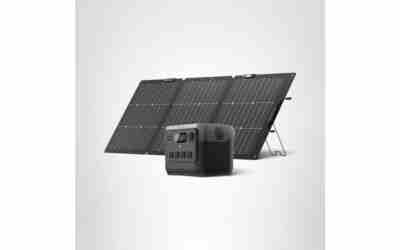
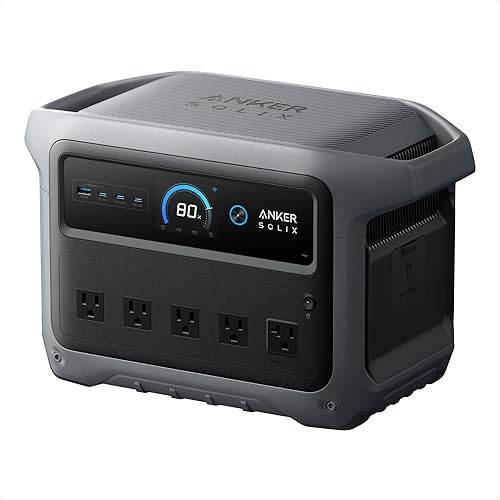
The Anker SOLIX C1000 Gen 2 is a versatile 1024Wh portable power station designed for campers, RV enthusiasts, home backup users, and anyone needing reliable off-grid power. With 2000W continuous output and a 3000W surge, it powers essentials like refrigerators, CPAP machines, laptops, and even microwaves, making it perfect for outages, tailgating, or remote work.
Standout features include 49-minute ultra-fast AC recharging via HyperFlash technology and 1.8-hour solar input up to 600W, allowing quick top-ups for extended adventures. Reviewers highlight its real-world performance: running fridges for days, boiling kettles on camping trips, and seamless UPS switchover under 10ms to prevent device interruptions. The app enables TOU mode for cost savings and detailed monitoring, even offline.
Build quality impresses with a compact 15.1 x 8.2 x 9.6-inch frame that's 14% smaller and 11% lighter than competitors, complete with handles for easy transport. It operates quietly under moderate loads, with a bright LCD and robust ports including multiple AC, USB-C, and car outlets. The LiFePO4 battery ensures safety and a 10-year lifespan after 4000 cycles.
Drawbacks include no expansion capability for those needing more capacity, slower charging in temperatures below 20°C, and unsuitability for devices with high startup surges like pumps. At 24.9 pounds, it's portable but not ultralight for long hikes.
Overall, the C1000 Gen 2 excels as a fast-charging, portable powerhouse for everyday backups and adventures, earning high praise for reliability and value. Ideal if you prioritize speed and mobility over massive scalability.
Capacity: 1024Wh LiFePO4 battery
Output: 2000W continuous, 3000W peak surge
Ports: 10 total (multiple AC, USB-C, USB-A, car outlet)
Recharge: 49 min AC (1600W max), 1.8 hrs solar (600W max)
Dimensions & Weight: 15.1 x 8.2 x 9.6 inches, 24.9 lbs
Warranty: 5 years, with 10-year battery lifespan
Users rave about powering refrigerators overnight, running diesel heaters on 5-day camping trips, and seamless UPS for networks during outages. Many note its quiet fans, sturdy build, and app features like storm guard and customizable limits.
Campers appreciate the portability for essentials like kettles and lights, while home users value fast recharges and TOU savings. Consistent 5-star feedback on value, especially on sale.
Pros
- Ultra-portable at 6.17 lbs with compact dimensions for easy travel
- Multiple recharge methods including fast USB-C, solar, and car
- Durable LiFePO4 battery with smart temperature control
- Zero noise operation ideal for camping
- App connectivity for convenient power management
Cons
- No wall charger included, requires separate USB-C PD purchase
- DC-only output with no AC inverter
- Solar input limited to 100W max and specific panel compatibility
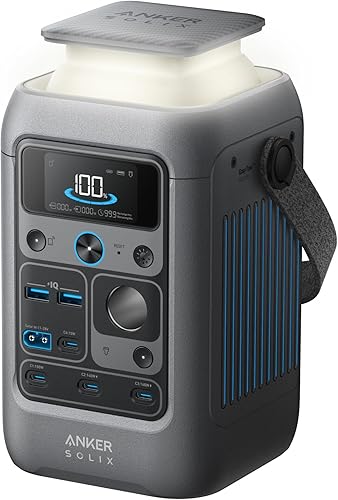
The Anker SOLIX C300 DC is a lightweight portable power station designed for outdoor enthusiasts, campers, travelers, and those preparing for emergencies. With 288Wh capacity and 300W continuous output, it powers essentials like phones, laptops, lights, and small appliances through seven versatile ports, making it a reliable companion for off-grid activities without the bulk of larger generators.
Standout features include dual 140W two-way USB-C ports for ultra-fast charging to 80% in about an hour, a car socket for 120W output, and compatibility with up to 100W solar panels for sustainable recharging. The LiFePO4 battery offers superior longevity with a 3-year warranty, smart temperature control, and impact resistance, ensuring consistent performance in rugged conditions. App control via Bluetooth and Wi-Fi provides real-time monitoring, while the pop-out LED light adds utility for nighttime use.
Its build quality shines in the go-anywhere design: at 4.89 x 4.72 x 7.87 inches and 6.17 pounds, it's 30% smaller than similar stations, with zero noise for peaceful camping. Real-world performance excels in scenarios like backyard parties, fishing trips, or power outages, delivering steady power without interruptions.
Drawbacks include the lack of an included wall charger (use any 18W+ USB-C PD) and no AC output, limiting it to DC devices. Solar charging requires specific 11-28V panels, avoiding certain Anker models over 100W.
Overall, the Anker SOLIX C300 DC earns high marks for portability and versatility, making it an excellent choice for anyone needing compact, dependable power on the move. Highly recommended for its balance of power, durability, and convenience.
Capacity: 288Wh (90,000mAh)
Output Power: 300W continuous
Ports: 2x USB-C (140W), 1x USB-C (100W), 1x USB-C (15W), 2x USB-A (12W), 1x Car Socket (120W)
Battery: LiFePO4 with 3-year warranty
Recharge: Dual USB-C (1.5h to 100%), Solar (100W max), Car (120W)
Dimensions: 4.89 x 4.72 x 7.87 inches
Weight: 6.17 lbs
Connectivity: Bluetooth & Wi-Fi app control

Pros
- Pure sine wave output protects electronics and runs quieter than modified sine wave units
- Versatile charging methods including solar compatibility for true off-grid use
- Compact and lightweight for easy transport during outdoor activities
- Strong real-world performance for CPAP, phones, and small appliances per user reviews
- Passthrough charging allows use while recharging without interruption
Cons
- Limited to 300W output, cannot power high-draw appliances like microwaves or grills
- Full recharge takes several hours, especially from car or solar
- Ports exposed, not fully rugged for wet or dusty outdoor environments without protection
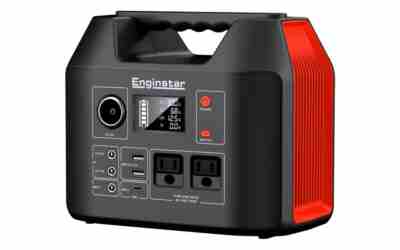
The EnginStar R300 is a versatile 300W portable power station with 296Wh capacity, designed for campers, hunters, emergency preparedness, and CPAP users needing reliable backup power. Weighing just 6.5 pounds and measuring 9 x 5.5 x 7.6 inches, it delivers essential power for phones, laptops, cameras, mini-fridges, and lights without the bulk of larger generators.
Standout features include two 110V pure sine wave AC outlets for clean, stable power that safeguards sensitive electronics, plus DC, USB-A, USB-C, and regulated 12V/24V outputs for simultaneous multi-device charging. Users praise its real-world runtime, like powering CPAP machines for hours, running radios all week, or keeping lights on during outages. The LCD display provides clear visibility into battery levels, input/output wattage, and remaining time, while three charging methods (AC wall, car, or 12-25V solar) ensure flexibility off-grid.
Build quality is solid with a metal frame and high-quality lithium-ion batteries supporting over 1000 cycles, backed by overload and temperature protection. The integrated flashlight adds utility for emergencies. Reviewers highlight its role as an effective UPS replacement and camping companion, though the fan can be audible under heavy loads.
Drawbacks include the 300W limit excluding high-power devices and longer recharge times compared to premium models. Ports lack weatherproofing, so extra care is needed in rain.
Verdict: Excellent value for portable, reliable power in moderate scenarios. Ideal for weekend campers, remote workers, or anyone prioritizing CPAP/emergency backup over heavy-duty needs.
Capacity: 296Wh / 80,000mAh Lithium-ion
AC Output: 110V Pure Sine Wave, 300W (60Hz)
DC Output: 12V/8A, 24V/3A
USB Outputs: 5V/3.1A (USB-A), USB-C (18W max)
Weight: 6.5 lbs | Dimensions: 9 x 5.5 x 7.6 inches
Operating Temp: -4°F to 113°F | Recharge Temp: 32°F to 113°F
Charging: Wall (65W, 80% in 2 hours), Car, Solar (12-25V panel separate)
Warranty: 12 months limited
Pros
- Highly portable and compact for easy transport
- Multiple recharging options including solar, wall, and car
- Reliable emergency power as praised in user reviews for phones and small appliances
- Includes all essentials like adapters and manual out of the box
- Built-in protections for safety and longevity
Cons
- Solar charging slows without direct intense sunlight
- Runtime varies and limits high-wattage continuous use like fans for 4-6 hours
- Full recharge takes 5-7 hours depending on method
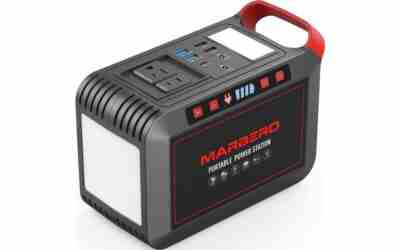
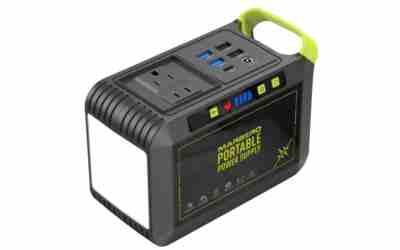
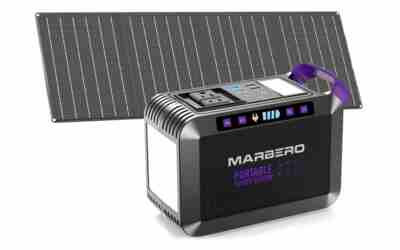
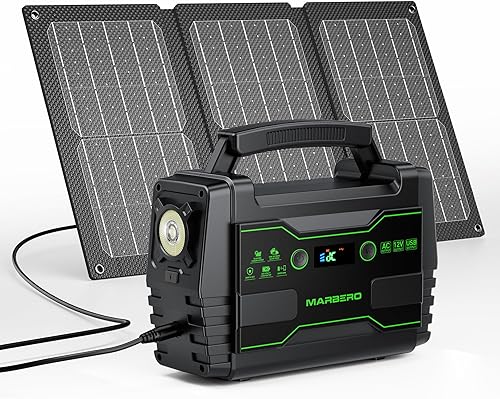
The MARBERO M155SL30 is a compact 155Wh solar generator kit paired with a 30W foldable panel, designed for anyone needing reliable backup power during home blackouts, camping trips, or RV adventures. It excels at powering essentials like phones, laptops, fans, and lights without the noise or bulk of traditional generators, making it perfect for urban dwellers facing outages or outdoor enthusiasts seeking off-grid convenience.
Standout features include two 100W AC outlets (150W peak), QC3.0 USB for rapid device charging, and multiple ports to run several gadgets at once. Users report strong real-world performance, such as keeping phones charged during disasters, powering hotspots and weather stations, or running small fans for hours. The efficient solar panel provides pass-through charging, and flexible recharge via wall, car, or sun keeps it ready anywhere.
Build quality shines with its lightweight 3.7 lb frame, durable ABS material, and intuitive LCD screen for monitoring power flow. The silent fan cooling system ensures quiet use, ideal for sleeping or focused work. Protections against overload, short circuits, and overvoltage add peace of mind.
Drawbacks include slower solar charging on cloudy days and limited runtime for power-hungry devices, requiring manual AC restart after low battery cutoffs. Still, its value as a portable lifesaver outweighs these for most users.
Verdict: A top pick for portable solar power needs, earning high marks for versatility and ease. Ideal if you want lightweight emergency readiness without complexity.
Capacity: 155Wh | AC Output: 2x 100W (150W peak) | USB: 1x QC3.0, 2x Standard | Solar Panel: 30W, 23% efficiency.
Recharge Time: Solar/Wall ~6-7 hours, Car ~7 hours | Weight: 3.7 lbs power station (5.4 lbs total) | Dimensions: 8.34 x 3.62 x 7.4 inches.
Features: Silent fan, LCD display, multiple protections, flashlight. Warranty: 12 months.
Buying Guide for 2026
Understanding Watt-Hours (Wh) and Wattage (W)
When selecting a solar backup generator, understanding the difference between Watt-hours (Wh) and Watts (W) is crucial. Watt-hours represent the battery’s total energy capacity, how much energy it can store. For example, the Anker SOLIX C1000 Gen 2 has a 1,024Wh capacity, meaning it can deliver 1,024 watts for one hour, or 100 watts for over 10 hours (1024Wh / 100W = 10.24 hours). This metric helps you estimate how long a generator can power your devices.
Wattage, on the other hand, refers to the power output, how many watts a generator can deliver at any given moment. The Anker SOLIX C1000 Gen 2 offers a 2,000W output (3,000W peak), indicating it can run devices with a combined continuous draw of up to 2,000 watts. Always check the running wattage of your intended appliances to ensure the generator can handle the load. For a deeper dive into power needs, consider The 4 Best Heavy Duty Solar Generators of 2026.
Portability and Design
The physical design and weight of a solar backup generator significantly impact its usability, especially for those on the go. Compact and lightweight models, like the MARBERO 155Wh Solar Generator weighing only 3.7 lbs, are ideal for backpacking, short camping trips, or as a convenient emergency power source in a small apartment. These units often feature integrated handles or compact forms for easy transport.
Larger capacity generators, while offering more power, will naturally be heavier. The Anker SOLIX C1000 Gen 2, for example, is designed to be 14% smaller and 11% lighter than similar models, emphasizing its portability despite its substantial 1,024Wh capacity and 2,000W output. Consider where and how often you plan to move your generator to determine the right balance between power and portability.
Output Ports and Connectivity
A versatile array of output ports is essential for maximizing the utility of your solar backup generator. Look for models that offer a mix of AC outlets, USB-A ports, and fast-charging USB-C ports to accommodate various devices. The Anker SOLIX C1000 Gen 2 provides 10 output ports, including AC, USB-C, and USB-A, ensuring you can power multiple devices simultaneously, from laptops to small appliances.
For devices requiring specific power delivery, such as CPAP machines or sensitive electronics, ensure the generator features pure sine wave AC outlets. This type of output provides cleaner, more stable power, protecting your sensitive equipment from potential damage. The EnginStar R300, for instance, highlights its pure sine wave AC outlets for this very reason, making it suitable for critical medical devices.
Our Final Picks for 2026
Best Overall: Anker SOLIX C1000 Gen 2 Portable Power Station: 2000W Solar Generator, 1024Wh LiFePO4, 49-Min Fast Charge for Camping, Home Backup
The Anker SOLIX C1000 Gen 2 stands out for its exceptional blend of high power output and rapid recharging capabilities. With a 1,024Wh LiFePO4 battery and 2,000W (3,000W peak) output across 10 ports, it’s capable of handling significant home backup needs or extensive off-grid use. Its HyperFlash tech allows a full recharge in just 49 minutes, making it incredibly efficient.
Skip this if: you only need minimal power for small devices and prioritize ultra-light portability above all else.
View on Amazon.comBest Value: EnginStar R300 300W Portable Power Station 296Wh 80000mAh Pure Sine Wave AC for Camping CPAP Emergencies
The EnginStar R300 offers a compelling balance of features and affordability for those needing reliable portable power. With a 296Wh capacity and 300W pure sine wave AC output, it’s well-suited for camping, hunting, and powering essential devices like CPAP machines during emergencies. Its compact size and 6.5-pound weight enhance its value for portability.
Skip this if: you require a significantly higher power output and battery capacity for larger appliances or whole-home backup.
View on Amazon.comBest for Ultra-Light Portability: MARBERO 155Wh Solar Generator with 30W Panel – Portable Power Station 100W AC QC3.0 USB Ultra-Light Silent for Camping RV Blackouts
For users prioritizing extreme portability, the MARBERO 155Wh Solar Generator is an excellent choice. Weighing only 3.7 lbs and featuring a compact design, it’s effortless to carry. It comes with a 30W solar panel for convenient off-grid recharging and provides 100W AC output, QC3.0 USB, and other ports, making it perfect for charging small electronics and lights during camping or short blackouts. This model is a great example of a portable option, similar to those discussed in The 4 Best Portable Power Stations For Projector of 2026.
Skip this if: you need to power multiple high-wattage appliances or require a generator for extended home backup.
View on Amazon.comWhy Trust Our Reviews
Our commitment at WikiGenerators.com is to provide you with thoroughly researched and unbiased recommendations. We delve into product specifications, analyze user feedback, and compare features to present you with a comprehensive overview of the best solar backup generators on the market.
We understand that choosing the right generator is a significant decision, and our goal is to simplify this process by highlighting key performance indicators, unique features, and practical applications for each model. Our reviews are designed to equip you with the knowledge needed to make an informed purchase that aligns with your specific power needs.
Frequently Asked Questions
Can a solar backup generator power a refrigerator?
Yes, many solar backup generators can power a refrigerator, but the duration depends on the generator’s capacity and the refrigerator’s wattage. A generator with a high Wh capacity and sufficient continuous output, like the Anker SOLIX C1000 Gen 2 (1,024Wh, 2,000W output), can power a standard refrigerator for several hours. Always check your refrigerator’s starting and running wattage requirements against the generator’s specifications.
What maintenance do solar backup generators require?
Solar backup generators generally require minimal maintenance. Key steps include keeping the unit clean, storing it in a cool, dry place, and periodically charging the battery to maintain its health, especially for LiFePO4 batteries which benefit from regular cycling. Ensure solar panels are clean and free of obstructions for optimal charging efficiency. For more insights on battery care, refer to resources like The 4 Best Battery For Diy Solar Generators of 2026.
Are solar generators noisy?
No, one of the significant advantages of solar backup generators over traditional gas generators is their near-silent operation. Since they rely on batteries and solar panels, they produce no exhaust fumes and minimal to no operational noise, often only a quiet fan for cooling. This makes them ideal for indoor use, camping, and situations where noise pollution is a concern, such as with the MARBERO 155Wh unit which boasts whisper-quiet operation.
Quick Comparison: Side by Side
- – Ultra-Fast Charging, High Output.
- – Quiet Under Load, Indoor-Friendly.
- – Intuitive App With UPS Controls.
- – Ultra-Portable at 6.17 lbs.
- – Multiple Recharge Methods.
- – Durable LiFePO4, Smart Temp Control.
- – Pure Sine Wave, Quiet Operation.
- – Versatile Solar Charging.
- – Compact & Lightweight.
- – Highly Portable & Compact.
- – Multiple Recharging Options.
- – Reliable Emergency Power.
- – No Battery Expansion Option.
- – Slower Charging Below 20°C.
- – Not for High-Inrush Devices.
- – No Wall Charger Included.
- – DC-Only, No AC Inverter.
- – 100W Max Solar Input.
- – 300W Output Limit.
- – Several Hours to Full Recharge.
- – Ports Exposed, Not Fully Rugged.
- – Solar Needs Direct Sunlight.
- – Limited High-Wattage Runtime (4-6h).
- – 5-7 Hour Full Recharge.