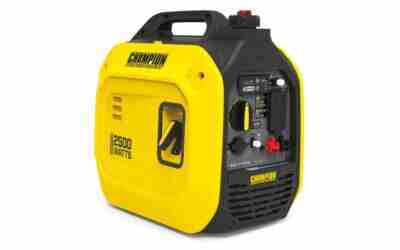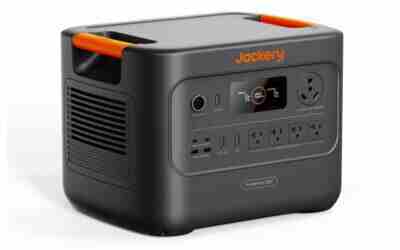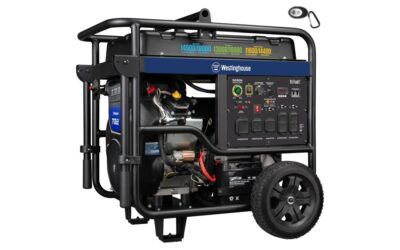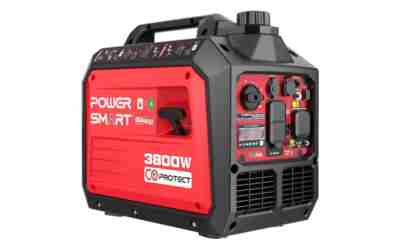

Our editorial team weighed maXpeedingrods's published specifications and how it stacks up against similar products in the generators category. What stands out: App Control for Remote Operation, Dual Fuel Flexibility, and Includes Parallel Cables. Where it falls short: App Needs WiFi/Internet and No THD Spec Provided. That puts it at 7.7/10 on our WG Score – a solid, dependable choice.
 Reviewed byEthan
When selecting the inverter generators for high altitude, the most crucial specification to consider is the running watts. This metric directly dictates how many appliances and devices your generator can power simultaneously, especially at higher elevations where engines naturally lose some power. Understanding your wattage needs is paramount, as it ensures your generator can effectively handle your load without being underpowered or excessively oversized, which can impact fuel efficiency and portability. It matters more than brand or price because an underpowered generator, regardless of its reputation or cost, simply won’t meet your demands in a high-altitude environment.
For more insights into choosing the right power solution, explore our guide on The 4 Best Portable Power Inverter Generators of 2026.
Running Watts Explained
Running watts, also known as continuous watts, refers to the power an inverter generator can produce consistently over time. This is distinct from peak or starting watts, which is the brief surge of power needed to start motor-driven appliances. At high altitudes, internal combustion engines, including those in generators, experience a reduction in power output due to lower atmospheric pressure and reduced oxygen density. This means a generator rated for 2000 running watts at sea level might only produce 1700-1800 running watts at 5,000 feet, for example. It’s essential to factor in this power degradation when calculating your needs for high-altitude use.
For instance, the Pulsar 2300W Portable Gas Inverter Generator is rated for 1,800 running watts. If you’re at an elevation where power output is reduced by approximately 15%, its effective running wattage would be closer to 1,530 watts (1,800 watts * 0.85). This means while it might power a refrigerator (around 600-800 running watts) and some lights, adding a microwave (around 1000-1500 running watts) simultaneously might push it past its effective capacity at altitude. Always calculate your total wattage requirements for all essential appliances and add a buffer for high-altitude performance loss.

Pros
- Exceptionally quiet operation ideal for noise-sensitive environments
- Advanced safety with CO-Minder carbon monoxide detection
- Portable and lightweight for easy carrying
- Smartphone app integration for convenient remote control
- Clean inverter power safe for sensitive electronics
Cons
- Recoil start only, no electric start option
- Runtime limited to 3.2 hours at full rated load
- 51-pound weight may feel heavy for extended carrying by one person
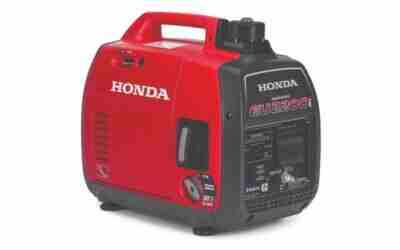
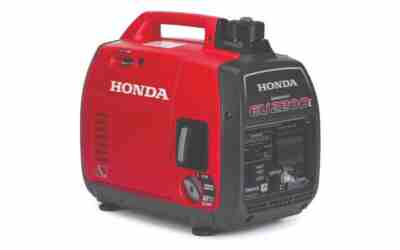
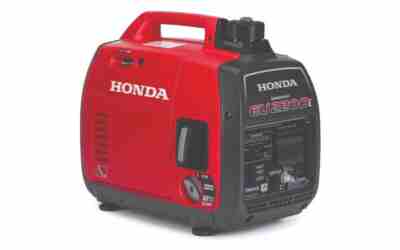
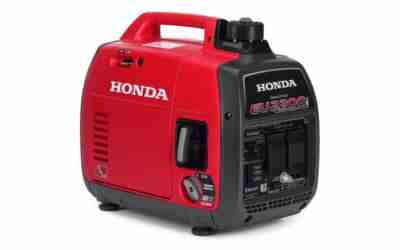
The Honda EU2200i is a premium 2200-watt portable inverter generator designed for versatile use at home, camping, tailgating, or job sites. It targets users needing reliable, quiet power for appliances like refrigerators, TVs, or power tools without the bulk of traditional generators.
Standout features include 10% more power than the prior EU2000i model, super quiet operation from 48 to 57 dB, and the innovative CO-Minder system that continuously monitors carbon monoxide levels and shuts down automatically for enhanced safety. The Bluetooth-enabled My Generator app allows wireless start/stop, real-time monitoring, and service alerts, adding unmatched convenience. Powered by the robust GXR120 commercial engine, it provides clean, stable inverter power efficient up to 8.1 hours at quarter load.
Build quality shines with its lightweight 47-pound frame, compact dimensions of 20 x 11.4 x 16.7 inches, and durable construction originally developed for heavy equipment. It excels in real-world scenarios like powering an extra fridge during outages or tools on construction sites, all while maintaining fuel efficiency on just 0.95 gallons.
Potential drawbacks include reliance on recoil starting, which may be tiring for frequent use, and shorter 3.2-hour runtime at full load. The weight, though light for its class, could challenge solo transport over long distances.
Overall, the EU2200i sets the standard for portable generators with its power, safety, quietness, and smart features, making it a top pick for anyone prioritizing quality and convenience in backup power.
Power: 2200W max / 1800W rated, 120V, 60Hz
Engine: Honda GXR120, 121cc, recoil start
Runtime: 3.2 hours at rated load, 8.1 hours at 1/4 load on 0.95-gal tank
Noise: 48-57 dB(A)
Weight/Dimensions: 51 lbs, 20"L x 11.4"W x 16.7"H
Outlets: 20A 125V duplex
Features: CO-Minder, Bluetooth app, inverter technology
Pros
- Exceptionally quiet operation ideal for recreational use
- Lightweight and durable for superior portability
- Electric start simplifies use in any condition
- Clean power output protects electronics
- CARB compliant for use in all states
Cons
- Requires gasoline refueling for extended runtime
- Battery may need occasional maintenance or charging
- Not designed for whole-home backup applications
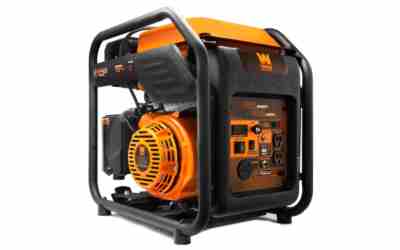
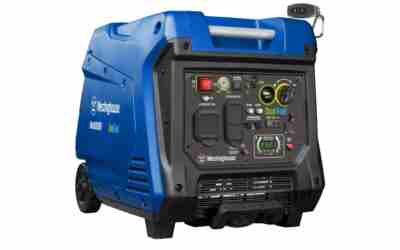
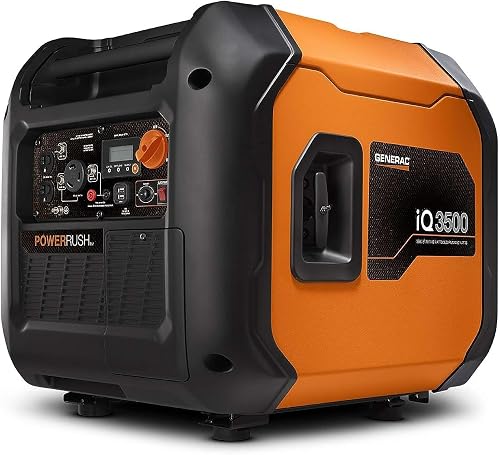
The Generac iQ3500 is a versatile 3,500-watt portable inverter generator tailored for outdoor enthusiasts, tailgaters, campers, and professionals on jobsites who need reliable, clean power without the bulk of traditional generators. Its lightweight yet rugged build makes it easy to transport, while delivering enough juice for small appliances, tools, and sensitive electronics like laptops during outages or adventures.
Standout features include the innovative PowerDial for seamless start, run, and stop functions with electric start capability via an included battery, plus PowerRush technology that boosts starting capacity by over 50% for demanding motor-driven equipment. Dual engine speeds allow selection between quiet Economy Mode for fuel savings and full power for heavy loads, with advanced inverter tech ensuring ultra-clean power and 40% noise reduction compared to standard models. USB ports add convenience for charging devices on the go.
Build quality shines with a durable enclosure that withstands rugged use, parallel-ready design for expandable power, and protective features like low-oil shutdown. Real-world performance excels in keeping lights on during outages, powering food trucks, or enhancing camping setups with movie nights, all while minimizing fuel use and disturbance.
Drawbacks include dependency on gasoline, which requires safe storage and refills, and the need for battery upkeep. It is not suited for large-scale home backup.
Overall, the iQ3500 earns high marks for balancing power, portability, and quiet efficiency, making it a top pick for mobile power needs with a strong verdict for anyone prioritizing convenience and reliability.
Power Output: 3,500 Watts (starting/running)
Fuel Type: Gasoline
Start Type: Electric Start (battery included)
Key Tech: Inverter, PowerRush Advance, Economy Mode
Compliance: CARB Compliant
Ports: USB, Parallel Ready
Ideal For: Camping, Tailgating, Jobsites, Small Appliances

Pros
- Lightweight and portable for camping or tailgating
- Pure sine wave output protects electronics
- Parallel ready for expanded power needs
Cons
- Gasoline only with no dual fuel option
- No electric start system included
- Limited runtime on a single tank
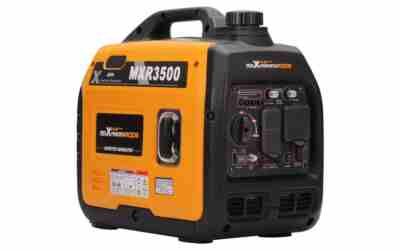
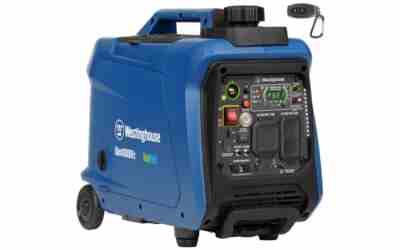
The Pulsar 2300W inverter generator provides portable power suitable for camping trips and outdoor events. Its compact design and low weight make it simple to carry and store.
Stable sine wave technology ensures safe operation of laptops, phones, and other sensitive devices. The included USB outlet adds convenience for charging small electronics directly.
Parallel capability allows users to link units for higher output when needed. Fuel efficiency supports up to 4.8 hours of runtime at half load.
Potential drawbacks include reliance on gasoline and the absence of an electric start. Overall this model offers solid performance for users seeking a lightweight inverter generator.

Pros
- App control adds convenience for remote operation and status checks
- Dual fuel capability extends runtime and reduces emissions on LPG
- Includes parallel cables and comprehensive accessory kit
- Certified to multiple safety and emissions standards
Cons
- Bluetooth app requires Wi-Fi or internet connection
- No pure sine wave THD specification provided
- 3.6 rating with zero reviews limits verified performance data
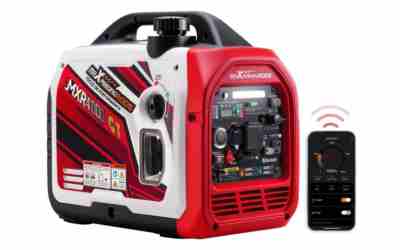
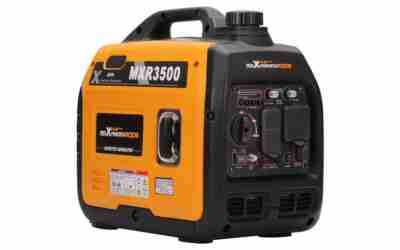
The maXpeedingrods MXR4000GT is a portable dual fuel inverter generator rated at 4000 peak watts on gasoline and 3600 on LPG. It targets users needing flexible backup power for camping, RV travel, or home emergencies.
Standout features include Bluetooth app remote start and monitoring of voltage, frequency, load, and remaining fuel. The unit offers electric start, recoil backup, and an RV-ready 30A outlet with adapter for zero-ground charging.
Build quality includes a digital display, multiple safety alerts with auto-shutdown, and PGMA/UL/EPA compliance. Noise stays at 58-60 dB at 23 feet in eco mode, comparable to a conversation.
Drawbacks include the app's internet requirement and lack of published THD data. Storage instructions require battery disconnection to prevent drain.
Overall the MXR4000GT delivers strong value for users prioritizing app control and dual-fuel versatility in a compact 52.9 lb package.
Inverter Generators For High Altitude: Our Picks Against the Numbers
The Reliable Performer: Honda EU2200i 2200W Super Quiet Portable Inverter Generator with CO-Minder & Bluetooth App
The Honda EU2200i, with its 1800 running watts, offers a solid foundation of power for high-altitude applications. Its reputation for consistent performance means you can rely on its stated output, even accounting for atmospheric pressure changes. This makes it suitable for powering essential camping gear, a small RV, or basic home backup needs where reliability is key.
View on Amazon.comThe Powerhouse Pick: Generac iQ3500 3500W Portable Inverter Generator – Quiet, Lightweight, Electric Start, CARB Compliant for Camping & Jobsites
Boasting 3000 running watts, the Generac iQ3500 stands out for its higher power output, which is a significant advantage in high-altitude scenarios. This increased capacity allows for more flexibility in powering larger appliances or multiple devices simultaneously, making it a strong contender for RVs, job sites, or more extensive backup needs where a greater power reserve is beneficial.
View on Amazon.comThe Compact Solution: Pulsar 2300W Portable Gas Inverter Generator with USB Outlet and Parallel Capability
The Pulsar 2300W offers 1,800 running watts in a highly portable package. While its raw wattage is lower than some others, its lightweight design makes it an excellent choice for those who prioritize ease of transport to remote, high-altitude locations. For minimal power needs, like charging devices or running small appliances, its efficiency and portability can outweigh the need for higher wattage.
View on Amazon.comThe Versatile Performer: maXpeedingrods MXR4000GT 4000W Dual Fuel Inverter Generator with Bluetooth App Control
With 3200 running watts on gasoline and 3000 on propane, the maXpeedingrods MXR4000GT offers robust power for high-altitude use, coupled with the flexibility of dual-fuel operation. This makes it highly adaptable to various situations, especially where one fuel type might be more readily available or preferred. Its strong wattage ensures it can handle a wide range of applications, even with the power loss associated with elevation.
View on Amazon.comOther Things That Matter for Inverter Generators For High Altitude
Altitude Performance and Derating
Beyond running watts, understanding how altitude affects generator performance is critical. Most manufacturers specify a power derating factor, typically around 3.5% for every 1,000 feet above a certain elevation (often 1,000 to 3,000 feet). This means a generator’s effective output decreases as you go higher. Always consult the manufacturer’s guidelines for specific derating information to ensure your chosen model can meet your needs at your intended elevation. This is especially important for critical applications like powering medical equipment or construction tools.
Noise Levels and Eco-Mode
Inverter generators are generally quieter than conventional models, but noise levels can still vary. Many models, like the Generac iQ3500, feature an Eco-Mode or Economy Mode that adjusts engine speed to match the load, significantly reducing noise and improving fuel efficiency. For camping or residential use, a quieter generator is a huge advantage. Consider models that operate below 60 dB at a typical load, which is comparable to a normal conversation. For more quiet options, check out our review of The 4 Best Inverter Generators For Home Power Outage of 2026.
Fuel Type and Run Time
The type of fuel and the generator’s run time are also important considerations. Gasoline is common, but dual-fuel options, such as the maXpeedingrods MXR4000GT, offer flexibility by allowing operation on both gasoline and propane. Propane can be easier to store and has a longer shelf life, which can be advantageous for emergency preparedness in remote areas. Evaluate the fuel tank capacity and fuel efficiency to determine how long the generator can run on a single tank or cylinder, ensuring it meets your expected duration of use without constant refueling.
Quick Comparison: Side by Side
- – Exceptionally Quiet.
- – CO-Minder Safety Tech.
- – Portable & Lightweight.
- – Exceptionally Quiet.
- – Lightweight & Durable.
- – Electric Start.
- – Lightweight, Great for Camping.
- – Pure Sine Wave Output.
- – Parallel-Ready.
- – App Control for Remote Operation.
- – Dual Fuel Flexibility.
- – Includes Parallel Cables.
- – Recoil Start Only.
- – 3.2h Runtime at Full Load.
- – Heavy at 51 lbs.
- – Needs Gasoline Refueling.
- – Occasional Battery Maintenance.
- – Not for Whole-Home Backup.
- – Gasoline Only.
- – No Electric Start.
- – Limited Tank Runtime.
- – App Needs WiFi/Internet.
- – No THD Spec Provided.
- – Low Rating, No Reviews Yet.
Why Trust Our Reviews
Our recommendations for the inverter generators for high altitude are meticulously compiled based on extensive analysis of product specifications, manufacturer data, and aggregated user feedback. We delve into the technical details of each model, examining key features like running watts, engine displacement, fuel efficiency, and portability to assess their suitability for high-altitude conditions. Our goal is to provide comprehensive, unbiased insights that empower you to make an informed purchasing decision.
We understand that choosing a generator is a significant investment, especially when specific environmental factors like high altitude come into play. Therefore, we focus on delivering data-driven comparisons and practical advice, ensuring that our reviews highlight the strengths and potential trade-offs of each product, without relying on subjective claims or promotional language.
Frequently Asked Questions
How much power do I lose at high altitude?
Generators typically lose about 3-3.5% of their rated power for every 1,000 feet of elevation above a certain baseline (often 1,000 feet above sea level). This is due to the thinner air, which reduces the amount of oxygen available for combustion. For example, a generator rated for 2,000 watts at sea level might only produce around 1,700 watts at 6,000 feet of elevation. Always factor this into your calculations.
Are inverter generators better for high altitude?
Inverter generators are generally excellent for high altitude. While they still experience power derating like conventional generators, their advanced electronics allow them to produce clean, stable power regardless of engine speed. This means they can adjust their engine RPM to match the load, which can sometimes mitigate some of the efficiency losses experienced at higher elevations. They are also typically more fuel-efficient and quieter, which are desirable traits in any environment.
What features should I look for in a high-altitude inverter generator?
Beyond sufficient running watts, look for features like an Eco-Mode for fuel efficiency and reduced noise, a CO-Minder for safety, and robust construction for durability in varied environments. Dual-fuel capability, as seen in some models, can also be a significant advantage for fuel versatility. Consider the generator’s weight and portability if you plan to move it frequently to remote locations. For more options, see our guide on The 4 Best 2000 Inverter Generators of 2026.