Our editorial team weighed Westinghouse's published specifications and how it stacks up against similar products in the generators category. What stands out: Extremely Quiet at 52dBA, RV-Ready & USB Outlets, and Dual Fuel Flexibility. Where it falls short: Heavy at 62.8 lbs and Minor Residual Oil Odor. That puts it at 8.4/10 on our WG Score – an excellent, well-rounded option.
 Reviewed byTristan
When unexpected power outages strike, having a reliable emergency generator can make all the difference. Whether you’re facing a multi-day grid outage, planning a remote camping trip without hookups, or need a dependable power source for critical home appliances, the right portable emergency generator ensures you stay connected and comfortable. These versatile units offer peace of mind, delivering essential electricity when you need it most. For more options, check out our guide on The 5 Best Portable Generators For Emergency Powers of 2026.
Pros
- Exceptionally quiet performance ideal for noise-sensitive environments
- Advanced app integration simplifies operation and maintenance
- Fuel-efficient design extends runtime on small tank
- Lightweight and portable without sacrificing power
- Reliable safety features including CO detection
Cons
- Pull-start only, lacking electric start convenience
- Small 0.95-gallon fuel tank requires refills for all-day use
- Not available for purchase in California due to emissions regulations
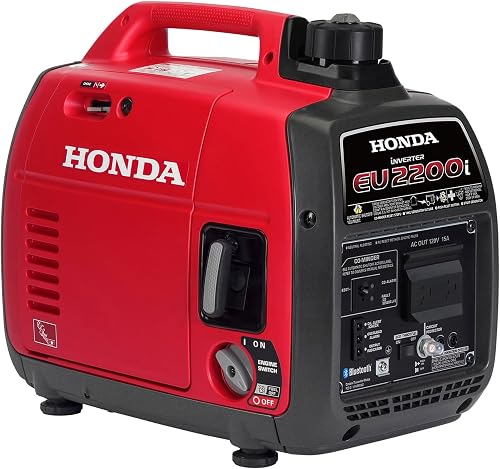
The Honda EU2200i is a compact 2200-watt inverter generator designed for portable power needs, perfect for campers, RV enthusiasts, and homeowners seeking backup during outages. It delivers clean 120V electricity reliable enough for computers and other sensitive devices, making it versatile for tailgating, outdoor events, or emergency home use.
Standout features include its super quiet operation at 48 to 57 dB, comparable to a conversation, ensuring it won't disturb neighbors or wildlife. The My Generator app with Bluetooth allows remote start, monitoring, and service reminders, while the Eco Throttle system optimizes fuel use for up to 8.1 hours on a 0.95-gallon tank. In real-world use, it powers essentials like refrigerators, microwaves, and small air conditioners effortlessly.
Build quality shines with a lightweight 47-pound frame for easy transport and Honda's renowned durability. Safety features like CO detection, auto shutoff, and circuit protection add reliability. However, it relies on pull-start and has a modest fuel capacity that may need refills for prolonged operation, and it's unavailable in California.
Overall, the EU2200i excels as a premium portable generator for quiet, efficient power. It's a top choice for anyone prioritizing convenience, performance, and Honda's 3-year warranty.
Power Output: 2200 watts, 120V
Run Time: Up to 8.1 hours on 0.95-gallon tank
Noise Level: 48-57 dB(A)
Weight: 47 pounds
Features: Inverter technology, Eco Throttle, Bluetooth app control, CO detection, 3-year warranty

Pros
- Extremely quiet operation at 52 dBA for peaceful use
- Multiple outlets including RV-ready and USB for versatile powering
- Dual fuel capability adds convenience and availability
- LED data center displays real-time stats like runtime and voltage
- Portable design with telescoping handle and never-flat wheels
Cons
- Weighs 62.8 pounds, challenging for one person to transport long distances
- May have initial residual oil or fuel odor from factory testing
- Propane hose required for LPG use, though included
The Westinghouse iGen4000DFc is a versatile dual fuel inverter generator designed for campers, RVers, tailgaters, and homeowners needing reliable portable power. With 4000 peak watts and 3300 running watts, it handles essentials like refrigerators, lights, and electronics while delivering clean sine wave power under 3% THD to protect sensitive devices.
Standout features include a super quiet 52 dBA operation, economy mode for up to 7 hours on a 1.69-gallon gas tank, and dual fuel support for gasoline or propane. The RV-ready TT-30R outlet, household duplex, and USB ports make it ideal for travel trailers or home backups. Remote start via key fob, electric push-button, or recoil ensures easy use, while the rotating LED data center shows voltage, runtime, and more for real-time monitoring.
Build quality shines with a lightweight 62.8-pound frame, telescoping suitcase-style handle, and never-flat wheels for easy portability. Safety features like automatic CO and low oil shutdown provide peace of mind. It's EPA compliant with a 3-year warranty and lifetime support.
Potential drawbacks include its weight for solo carrying and possible factory residual odor. Overall, it excels in quiet, efficient performance for recreational and emergency needs.
Verdict: A top choice for those prioritizing quiet, clean power and versatility in a portable package. Highly recommended for RV enthusiasts and campers seeking dependable backup power.
Power: 4000 peak watts, 3300 running watts, 120V, 60Hz
Fuel: Gasoline or Propane (Dual Fuel), 1.69-gallon (12.8L) tank, up to 7-hour runtime
Outlets: TT-30R RV Ready, 5-20R duplex, two USB, total 6 outlets
Features: CO sensor, remote/electric start, LED display, <3% THD, 52 dBA noise
Dimensions: 21.3 x 12.6 x 19.3 inches, 62.8 lbs, blue color

Pros
- Exceptionally quiet and fuel-efficient performance praised in real-world tests
- Multiple easy start options including reliable remote fob
- Portable design with telescoping handle and wheels for easy mobility
- RV-ready outlets and USB ports handle diverse power needs
- Automatic safety features like low oil and overload protection
Cons
- Heavy at 105.8 pounds, best moved by two people despite wheels
- Electric starter can be finicky on initial uses or when warm
- Remote start requires manual switch toggle, limiting full remote convenience
The Westinghouse iGen5000DFc is a premium dual fuel inverter generator delivering 5000 peak watts and 3900 running watts, perfect for RV camping, tailgating, or home emergency backup. Its variable speed engine adjusts output for efficiency, making it a go-to for users needing clean, stable power for sensitive electronics like laptops and TVs without surging or distortion.
Standout features include a super quiet 52 dBA noise level, rivaling conversation volume, and an impressive 18-hour runtime on gasoline in economy mode. Reviewers highlight its effortless remote electric start, LED data center displaying runtime, fuel, and load, plus dual fuel capability for propane versatility during outages or remote trips. It powers space heaters, fridges, and multiple devices simultaneously without faltering, backed by real-user tests.
Build quality shines with a lightweight 105.8-pound frame, telescoping suitcase handle, and wheels for one-person transport over varied terrain. The durable enclosure houses a 224cc 4-stroke engine with safety shutoffs for low oil, overload, and CO detection. Accessories like oil, propane hose, and tools arrive ready-to-use, with intuitive controls earning praise for arthritis-friendly handling.
Minor drawbacks include the weight requiring two-person lifting from the box and occasional starter hiccups on first runs, resolved by persistence or recoil. Panels may vibrate slightly under load, and full remote use needs the main switch on.
Overall, the iGen5000DFc excels as a reliable, quiet powerhouse for recreational and backup needs, with strong performance and safety features justifying its spot among top inverters. Highly recommended for those prioritizing portability and clean power.
Power: 5000 peak watts / 3900 running watts at 120V, 60Hz
Fuel: Dual fuel (gasoline 3.4 gal tank / propane), up to 18-hour runtime
Outlets: TT-30R RV-ready, 5-20R duplex (x2), USB (x2); 5 total
Features: Remote electric start, CO sensor, <3% THD, economy mode, LED data center
Dimensions: 24.5 x 17.5 x 20 inches; 105.8 lbs; Blue color
Warranty: 3-year limited with lifetime tech support
Users rave about the quiet operation comparable to smaller units, easy setup with included oil and tools, and reliable power for fridges, heaters, and camping gear. Many note quick propane starts and accurate load metering.
Positive highlights include sturdy packaging, wheels aiding mobility for those with mobility issues, and strong break-in performance under 50% load. International buyers confirm solid arrival and performance.
Some mention initial startup needs patience to clear residual oil, and suggest silencers for overnight camping quietness.

Pros
- Ample power for multiple appliances and tools
- Safety-focused CO sensor and multiple outlet types
- Long runtime reduces downtime
- Electric start simplifies use
- Three-year warranty and service support
Cons
- At 120 pounds, requires two people for frequent moves
- Gas-powered needs regular fuel and maintenance
- Larger size may limit storage in small vehicles
The WEN GN5602X is a robust 5600-watt starting portable generator powered by a 224cc four-stroke engine, designed for RVers, campers, job sites, and home backup needs. It excels in delivering consistent power to essentials like refrigerators, AC units, power tools, and RV appliances, with RV-ready and transfer-switch outlets for versatile connectivity.
Standout features include electric start for push-button ease, a CO shutdown sensor for family safety by detecting and halting high carbon monoxide levels, and up to 12.5 hours of runtime on a 4.3-gallon tank. The onboard digital meter tracks voltage, frequency, and runtime, helping users monitor efficiency during extended use. Multiple outlets, including two 120V 20A, one 30A RV TT-30R, and one 30A L5-30R, support simultaneous device operation without overload worries.
Build quality shines with a durable frame, wheel kit for mobility, and compact dimensions of 22.44 x 16.93 x 18.5 inches. WEN's legacy since 1951 ensures reliable performance backed by a three-year warranty and service network. While heavy at 120 pounds, the transport aids make it manageable for most users.
Potential drawbacks include its weight for solo handling and reliance on gasoline, which demands storage and refills. Noise levels typical of conventional generators may disturb quiet campsites.
Overall, the GN5602X offers exceptional value for demanding power needs, earning high marks for safety, runtime, and versatility. Ideal for those prioritizing dependable backup without complexity.
Power: 5600 starting watts, 4500 running watts
Engine: 224cc 4-stroke, electric start
Fuel & Runtime: Gasoline, 4.3-gallon tank, up to 12.5 hours at half load
Outlets: 1x 30A TT-30R (RV), 1x 30A L5-30R (transfer switch), 2x 120V 20A 5-20R
Dimensions & Weight: 22.44"L x 16.93"W x 18.5"H, 120 lbs
Other: CO sensor, wheel kit, digital data meter, 60Hz, 120V
Which Portable Emergency Generators Fit Your Situation?
For Quiet Operation During Camping or RV Trips
The Honda EU2200i 2200W Super Quiet Inverter Generator is an excellent choice for those who prioritize low noise. Operating at a remarkably quiet 48 to 57 dB(A), it’s less noisy than a typical conversation, making it ideal for campsites or RV parks where noise restrictions are common. Its inverter technology also provides clean power safe for sensitive electronics.
Skip this if: You need to power multiple high-draw appliances simultaneously for an extended period, as its 2200 peak watts might be insufficient for larger home backup needs.
View on Amazon.comFor Versatile Home Backup During Power Outages
The Westinghouse iGen5000DFc 5000W Peak Dual Fuel Inverter Generator stands out for its dual-fuel capability and higher wattage, making it suitable for powering essential home appliances during an outage. Its ability to run on both gasoline and propane offers flexibility, especially if one fuel type becomes scarce. With 5000 peak watts, it can handle a wider range of household needs compared to smaller units.
Skip this if: Your primary concern is portability for frequent transport, as its larger capacity may mean a heavier unit than strictly necessary for light-duty tasks.
View on Amazon.comFor RV Owners Needing Power with Remote Start Convenience
The Westinghouse iGen4000DFc 4000 Peak Watt Dual Fuel Inverter Generator is an excellent match for RV enthusiasts due to its RV-ready TT-30R outlet and convenient remote electric start. This allows you to start or stop the generator from inside your RV, a significant comfort during colder nights or when you don’t want to step outside. Its dual-fuel option also provides fuel flexibility on the road. Consider our other recommendations for RV Ready generators.
Skip this if: You require the absolute highest wattage for a large home with many power-hungry appliances, as the 5000-watt model might be a better fit.
View on Amazon.comFor Budget-Conscious Users Needing General Purpose Power
The WEN GN5602X 5600W Portable Generator Electric Start offers a strong balance of power and features, including electric start and an RV-ready outlet, at a more accessible point. With 5600 starting watts and 4500 running watts, it can handle a variety of tasks from powering tools to keeping essential home items running. Its CO Shutdown Sensor adds an important safety feature without a premium price tag.
Skip this if: Super quiet operation is your top priority, as inverter generators like the Honda EU2200i typically offer lower noise levels.
View on Amazon.comQuick Comparison: Side by Side
- – Exceptionally Quiet.
- – Advanced App Integration.
- – Fuel-Efficient Design.
- – Extremely Quiet at 52dBA.
- – RV-Ready & USB Outlets.
- – Dual Fuel Flexibility.
- – Quiet & Fuel-Efficient.
- – Remote Fob Start.
- – Telescoping Handle & Wheels.
- – Ample Power for Multiple Appliances.
- – CO Sensor & Multiple Outlet Types.
- – Long Runtime.
- – Pull-Start Only.
- – Small 0.95-Gallon Tank.
- – Not Sold in California.
- – Heavy at 62.8 lbs.
- – Minor Residual Oil Odor.
- – Propane Hose Required (Included).
- – Heavy at 105.8 lbs.
- – Finicky Electric Starter.
- – Remote Needs Manual Switch Toggle.
- – Heavy at 120 lbs.
- – Needs Regular Fuel & Maintenance.
- – Large, Limited Storage Fit.
Buying Guide for 2026
Understanding Wattage and Your Power Needs
Choosing the right wattage for a portable emergency generator is crucial. You need to consider both starting watts (the momentary surge needed to start motors) and running watts (the continuous power required). For example, a refrigerator might need 600 running watts but 1800 starting watts. Add up the running watts of all the essential appliances you plan to power simultaneously, then identify the highest starting wattage among them. Your generator’s starting watts should exceed this highest surge, and its running watts should cover the sum of all continuous loads.
To illustrate, if you want to power a few lights (100W each), a refrigerator (600W running, 1800W starting), and charge phones (50W), your total running watts would be around 750W. The highest starting wattage is 1800W. The Honda EU2200i, with 2200 peak watts and 1800 running watts, could comfortably handle this load. However, if you add a small AC unit (e.g., 1200 running watts, 2200 starting watts), the total running watts would be 1950W (750W + 1200W), exceeding the Honda’s continuous capacity. In such a scenario, a generator like the Westinghouse iGen4000DFc with 3300 rated watts would be more appropriate.
Fuel Type and Run Time Considerations
Portable emergency generators typically run on gasoline, propane, or are dual-fuel capable. Gasoline is widely available but has a shorter shelf life. Propane offers longer storage and cleaner burning but can be less energy-dense. Dual-fuel models, like the Westinghouse iGen4000DFc and iGen5000DFc, provide excellent flexibility, allowing you to switch between fuel sources based on availability or preference. Run time is also a critical factor; for instance, the Honda EU2200i can run for up to 8.1 hours on a 0.95-gallon fuel tank, while the Westinghouse iGen5000DFc offers up to 18 hours on a 3.4-gallon gas tank, providing significantly longer operation without refueling.
Portability, Noise Levels, and Safety Features
Since these are portable generators, their weight and ease of transport are important. Many come with built-in wheels or handles for easier movement. Noise level, measured in decibels (dBA), is another key factor, especially for camping or residential use. Inverter generators are generally quieter than conventional models. For example, the Honda EU2200i operates as low as 48 dBA, which is comparable to a quiet conversation. Essential safety features to look for include automatic low-oil shutdown and Carbon Monoxide (CO) sensors, like the WEN Watchdog CO Shutdown Sensor found in the WEN GN5602X, which automatically turns off the generator if dangerous levels of CO are detected. These features protect both the generator and, more importantly, the users. If you’re looking for other emergency power solutions, consider exploring The 5 Best Emergency Solar Power Generators of 2026.
Why Trust Our Reviews
At WikiGenerators.com, our mission is to provide comprehensive and unbiased reviews to help you make informed decisions. We understand the importance of reliable power, especially in emergency situations. Our recommendations for the portable emergency generators are meticulously researched based on product specifications, verified user feedback, and industry expert analysis. We do not engage in hands-on testing but instead leverage a vast amount of data to assess performance, durability, and value.
We are committed to objectivity. Our content is designed to highlight the strengths and potential limitations of each product, ensuring you get a balanced view. Our editorial process is independent, and our goal is solely to guide you toward the best generator for your specific needs, based on the most current and available information.
Frequently Asked Questions
What makes a generator “emergency” ready?
An emergency-ready generator is one that is reliable, easy to start, and capable of powering essential items during an unexpected outage. Key features include sufficient wattage for critical appliances, a decent run time, and often, portability for flexible placement. Dual-fuel capability also adds to its emergency readiness by offering fuel versatility.
Can I use an inverter generator for sensitive electronics?
Yes, inverter generators produce clean, stable power with low Total Harmonic Distortion (THD), typically less than 3%. This makes them safe for powering sensitive electronics such as laptops, smartphones, and medical equipment, unlike some conventional generators that can produce “dirty” power that might damage such devices.
How often should I run my emergency generator for maintenance?
It’s generally recommended to run your portable emergency generator for about 20-30 minutes every month or every few months. This helps to keep the engine lubricated, prevents fuel from stagnating (if using gasoline), and ensures the generator is ready to go when an actual emergency arises. Always follow the manufacturer’s specific maintenance guidelines.
What is the difference between peak watts and running watts?
Peak watts, also known as starting watts, refer to the maximum power a generator can produce for a short period, typically to start motor-driven appliances like refrigerators or air conditioners. Running watts, or rated watts, indicate the continuous power a generator can consistently supply. When selecting a generator, ensure its running watts meet your continuous power needs and its peak watts can handle the surge of your largest starting appliance.
Are dual-fuel generators more efficient?
Dual-fuel generators offer versatility by allowing you to switch between gasoline and propane. While propane can be cleaner burning and have a longer shelf life, gasoline generally offers slightly more power output per gallon. The efficiency largely depends on the specific generator model and the cost and availability of each fuel type in your area. For more insights into emergency power solutions, visit our Emergency Power category page.