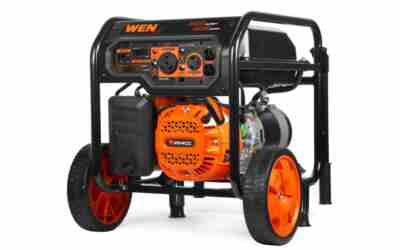

Our editorial team weighed PowerSmart's published specifications and how it stacks up against similar products in the generators category. What stands out: Dual Fuel Flexibility, Quiet Operation, and Reliable Recoil Start, Solid Build. Where it falls short: Manual Recoil Start, Harder in Cold and ~4-Hour Runtime at 50% Load. That puts it at 8.4/10 on our WG Score – an excellent, well-rounded option.
 Reviewed byDaniel
How much power do you actually need for a camping trip? The honest answer is that most campsites only require between 900 and 3,300 running watts, depending on whether you are charging phones, running lights, or powering a small fridge. The camping battery generators in this guide span that entire range, from compact 900-watt units for basic charging to a 3,300-watt dual fuel inverter that can handle heavier gear without weighing down your vehicle.
We focused on portability, noise output, fuel flexibility, and clean power delivery. If you are also exploring solar or mini options for the campsite, our mini generators for camping guide covers smaller-footprint alternatives that pair well with the gas models here.
What to Know Before Choosing Camping Battery Generators
Is an inverter generator really necessary for camping?
For sensitive electronics like phones, tablets, and laptops, yes. Inverter models such as the PowerSmart 3800 Watt Dual Fuel Inverter Generator and the Westinghouse iGen2800 produce clean power with less than 3% total harmonic distortion, which is safe for devices that a conventional generator might damage. The Pulsar 2300W also uses stable sine wave technology for the same reason.
Will a small 900-watt unit actually run anything useful?
It will run more than you might expect, but not everything at once. A 900 running watt generator can handle camping lights, a slow cooker, phone chargers, and a small fan simultaneously. What it cannot do is start an RV air conditioner or run a microwave. Both the Pulsar PG1202SA and the PowerSmart 1200W fall into this category, and they are best treated as lightweight charging and lighting stations rather than full campsite power sources.
Does fuel type matter for a camping generator?
It matters more than most buyers realize. Gasoline is widely available but requires careful storage. Propane burns cleaner and stores indefinitely, which is why the PowerSmart 3800 Watt Dual Fuel Inverter Generator stands out in this group. It is the only model here that can switch between gasoline and propane, giving you a backup fuel option if one supply runs short during a longer trip.
How loud will these generators be at a campsite?
Noise varies significantly across this lineup. The Westinghouse iGen2800 is the quietest option at as low as 52 dBA, which is roughly the level of a quiet conversation in a library. The PowerSmart 3800 Watt Dual Fuel Inverter Generator runs at about 70 dBA at 23 feet, closer to normal conversation volume. If you camp in quiet zones or near other people, the lower dBA rating is worth prioritizing.
Pros
- Exceptionally quiet operation at 52 dBA
- Long 12-hour runtime on small fuel tank
- Lightweight and portable with handle
- Pure sine wave output for electronics
- Built-in safety like low oil shutdown
Cons
- Fuel tank holds only 0.98 gallons, needing refills for multi-day use
- Parallel cord sold separately for linking units
- May have initial residual oil or fuel odor from factory testing
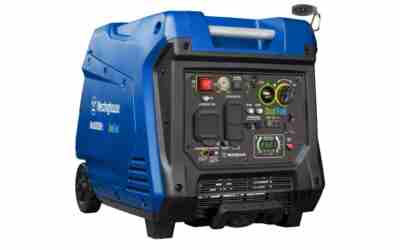
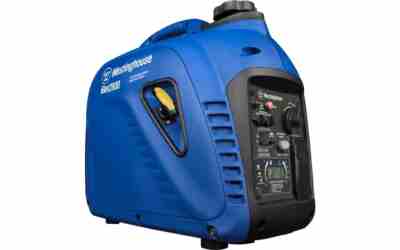
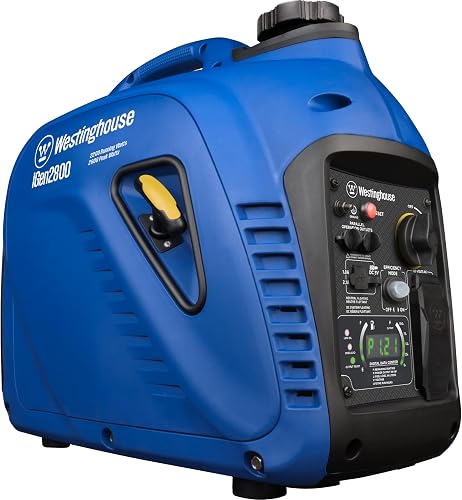
The Westinghouse iGen2800 is a compact inverter generator designed for homeowners facing power outages and outdoor enthusiasts like campers and tailgaters. With 2800 peak watts and 2200 running watts from its 4-stroke OHV engine, it handles essentials such as refrigerators, furnaces, and electronics while staying portable at just 46.3 pounds.
Standout features include ultra-quiet 52 dBA operation, quieter than normal conversation, and up to 12 hours of runtime on a 0.98-gallon tank in economy mode. It produces clean power below 3% THD to protect sensitive devices, and the LED data center shows fuel level, remaining time, voltage, and output. Parallel capability lets users combine two units for more power using a separate cord.
Build quality shines with a lightweight frame, built-in handle, and safety features like overload protection and low oil shutdown. The automatic throttle enhances fuel efficiency by matching engine speed to demand, making it reliable for both home backup and recreation.
Drawbacks include the small fuel capacity requiring occasional refills for extended outages and the need to buy a parallel cord separately. Factory testing may leave a faint initial odor.
Overall, the iGen2800 excels as a versatile, efficient choice for quiet, portable power needs, backed by a 3-year warranty and lifetime support. It delivers strong value for emergency and outdoor use.
Power Output: 2800 peak watts / 2200 running watts at <3% THD
Engine: 4-Stroke OHV Westinghouse
Runtime: Up to 12 hours on 0.98 gallon tank
Noise Level: 52 dBA
Weight: 46.3 lbs
Outlets: Two 120V 20A, two USB
Features: Parallel capable, economy mode, LED display, low oil shutdown

Pros
- Dual fuel capability reduces dependency on single fuel source
- Quiet operation suitable for residential and campground use
- Reliable recoil start and solid build quality noted in reviews
- Clean inverter power protects laptops and medical equipment
Cons
- Manual recoil start requires physical effort in cold weather
- Runtime limited to around 4 hours at 50% load on a full tank
- Propane mode delivers slightly lower peak output than gasoline
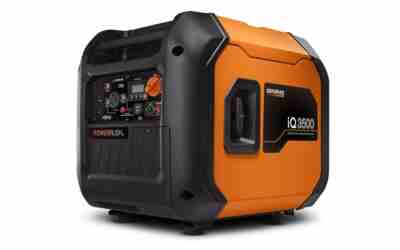
The PowerSmart 3800 Watt Dual Fuel Inverter Generator delivers portable power for home backup, camping, and tailgating. It runs on gasoline or propane and produces clean sine wave electricity suitable for electronics.
Users highlight easy starting, steady voltage output, and sufficient power for appliances, lights, and RV air conditioning. The CO safety sensor and overload protection add reliable safeguards during extended operation.
At 50.7 pounds with a compact footprint, the unit moves easily between locations. Noise levels remain acceptable for most outdoor settings while the parallel-ready feature allows capacity expansion when needed.
Drawbacks include the manual start mechanism and shorter runtime compared to larger stationary models. Overall it provides good value for users who need mid-range portable inverter power without excessive bulk.

Pros
- Lightweight and portable for camping or tailgating
- Pure sine wave output protects electronics
- Parallel ready for expanded power needs
Cons
- Gasoline only with no dual fuel option
- No electric start system included
- Limited runtime on a single tank
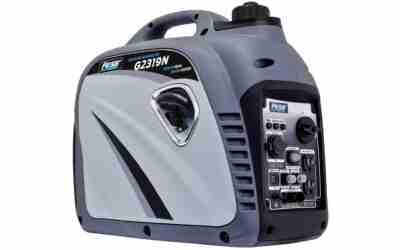
The Pulsar 2300W inverter generator provides portable power suitable for camping trips and outdoor events. Its compact design and low weight make it simple to carry and store.
Stable sine wave technology ensures safe operation of laptops, phones, and other sensitive devices. The included USB outlet adds convenience for charging small electronics directly.
Parallel capability allows users to link units for higher output when needed. Fuel efficiency supports up to 4.8 hours of runtime at half load.
Potential drawbacks include reliance on gasoline and the absence of an electric start. Overall this model offers solid performance for users seeking a lightweight inverter generator.

Pros
- Highly portable with handle and low 37.5 lb weight
- Extended 5-hour runtime reduces refueling needs
- Versatile outlets for multiple devices
- Compact size fits easily in vehicles for camping
- Strong power output for its class
Cons
- Requires non-leaded gasoline and oil mixture for 2-stroke engine
- Recoil start demands manual effort
- Not rated for high-draw appliances like AC units
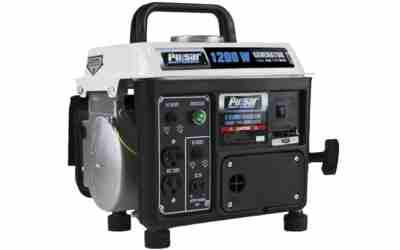
The Pulsar PG1202SA is a gas-powered portable generator delivering 1200 peak watts and 900 running watts, designed for campers, outdoor enthusiasts, and homeowners seeking backup power. Its single-cylinder 2-stroke engine with recoil start powers tools, lights, and chargers via two 120V outlets and one 12V DC output, making it perfect for recreation or light residential use.
Standout performance comes from the 1.1-gallon fuel tank, offering up to 5 hours of continuous operation at half load, which keeps devices running through long evenings at the campsite without frequent refills. The compact, durable build with a carrying handle enhances portability, allowing users to haul it easily to remote locations.
Build quality shines in its rugged yet lightweight 37.5-pound frame, ideal for tossing in a truck bed or RV. However, the 2-stroke engine needs a gasoline-oil mix, and recoil starting requires some pull strength, while it's not suited for power-hungry items like air conditioners.
Overall, the PG1202SA excels as an affordable, reliable choice for portable power needs, earning its place for anyone prioritizing convenience and runtime in outdoor settings. Verdict: Highly recommended for camping and emergencies.
Brand: Pulsar
Wattage: 1000 watts
Fuel Type: Non-leaded gasoline and oil mixture
Power Source: Gas-powered
Recommended Uses: Camping, Residential
Item Weight: 37.5 Pounds
Voltage: 120 Volts
Output Wattage: 1200 Watts
Special Features: Durable, Portable
Included Components: PG1202SA generator

Pros
- Compact and highly portable at under 40 lbs
- Multiple outlets including AC and DC for flexibility
- EPA compliant for legal outdoor use
Cons
- Requires manual oil-fuel mixing for 2-stroke engine
- 76 dBA noise level may disturb quiet environments
- Limited 5-hour runtime on full tank at half load
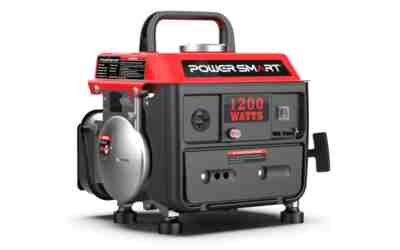
The PowerSmart 1200W portable gas generator uses a 71cc 2-stroke engine to supply 1200 peak watts and 900 rated watts. It targets campers, tailgaters, and users needing compact emergency backup power.
Its 39 lb weight and integrated handle make transport straightforward. The 1.1-gallon tank yields up to 5 hours of operation at 50% load while the control panel offers one 120V AC outlet and one 12V DC plug.
Build quality includes a durable frame, recoil starting, and EPA compliance. The unit lacks inverter technology and runs at 76 dBA, so it suits open-air settings rather than indoor or noise-sensitive areas.
Drawbacks include the need to premix fuel and oil plus modest runtime. Overall it serves as an affordable lightweight option for short outdoor power needs.
Buying Guide for 2026
Running Watts vs Peak Watts
Peak watts only matter for the first second or two when a device starts up. Running watts, also called rated watts, are what you can actually sustain. The PowerSmart 3800 Watt Dual Fuel Inverter Generator offers 3,300 running watts on gasoline, while the Westinghouse iGen2800 provides 2,200 running watts. The three smaller units in this guide all deliver between 900 and 1,800 running watts.
To put that in perspective, a typical camping fridge draws around 150 to 300 watts, a slow cooker uses about 200 watts, and a phone charger pulls under 20 watts. That means even the 900-watt PowerSmart 1200W can run a fridge and a slow cooker together with room to spare for charging, but it cannot add a microwave or a portable heater on top.
Fuel Efficiency and Runtime
Runtime per tank is a better camping metric than raw power output. The Westinghouse iGen2800 leads this group with up to 12 hours of runtime on a 0.98 gallon tank in economy mode. The Pulsar PG1202SA and PowerSmart 1200W both offer about 5 hours at half load on a 1.1 gallon tank. The Pulsar 2300W sits in the middle at 4.8 hours on 1.18 gallons.
Here is a useful calculation based on the Westinghouse iGen2800 specs: 12 hours of runtime on 0.98 gallons works out to roughly 12.2 hours per gallon. If you are camping for three nights and running the generator 6 hours per day, you would need about 1.5 gallons total, or two full tanks. That is a practical number for planning fuel stops before a trip.
Portability and Weight
Every pound matters when you are loading a vehicle for a camping trip. The PowerSmart 1200W is the lightest option here at 39 lbs, followed by the Westinghouse iGen2800 at 46.3 lbs and the Pulsar 2300W at under 47 lbs. The PowerSmart 3800 Watt Dual Fuel Inverter Generator is the heaviest at 50.7 lbs, but it also delivers the most power and dual fuel capability.
For car campers who do not need to carry their generator far from the vehicle, the extra weight of the larger units is manageable. For tent campers or anyone hiking into a site, the sub-40 lb PowerSmart 1200W is the more realistic choice. Our portable camping generators guide goes deeper into weight and carry-handle ergonomics.
Outlets and Parallel Capability
Check the outlet layout before you buy. The Westinghouse iGen2800 includes two 120V 20 amp outlets and two USB ports, which covers most camping needs. The Pulsar 2300W adds USB output and parallel capability, meaning you can link two identical units for double the power. The Pulsar PG1202SA offers two 120V outlets and a 12V DC output for direct battery charging.
Parallel capability is worth considering if you think your power needs may grow. Starting with one Pulsar 2300W and adding a second later is cheaper than buying a larger generator upfront. For most campers, however, a single unit with two AC outlets and USB ports is enough.
Our Final Picks for 2026
Best Overall: PowerSmart 3800 Watt Dual Fuel Inverter Generator Quiet Portable Gas Propane with CO Sensor RV Ready
The PowerSmart 3800 Watt Dual Fuel Inverter Generator is the most versatile camping generator in this group, with 3,300 running watts on gasoline, 3,100 on propane, and a built-in CO shutdown sensor for safety. Its pure sine wave output and less than 3% THD make it safe for laptops and phones, while the RV ready outlet adds flexibility for trailer campers. At 50.7 lbs it is the heaviest option here, but the dual fuel capability and higher wattage justify the extra weight for power users.
Skip this if: you want the quietest possible operation, since its 70 dBA output is noticeably louder than the Westinghouse iGen2800.
View on Amazon.comBest Value: Westinghouse iGen2800 2800 Peak Watt Super Quiet Lightweight Portable Inverter Generator – Gas Powered, Parallel Ready
The Westinghouse iGen2800 balances power, noise, and runtime better than anything else in this lineup. It delivers 2,200 running watts with a 52 dBA noise rating and up to 12 hours of runtime per tank, all at 46.3 lbs. The rotating LED display showing fuel level and remaining runtime is a genuinely useful feature for camping trips where you need to plan refueling.
Skip this if: you want the option to run propane, since the iGen2800 is gasoline only.
View on Amazon.comBest for Lightweight Camping: PowerSmart 1200W Portable Gas Generator 900W Rated 2-Stroke 39 lbs for Camping Emergency
At 39 lbs, the PowerSmart 1200W is the lightest generator in this guide and the easiest to carry to a remote campsite. Its 900 running watts are enough for lights, phone charging, and a slow cooker, and the 1.1 gallon tank provides about 5 hours of runtime at half load. The 50:1 fuel mix and recoil start keep the design simple and reliable.
Skip this if: you plan to run a microwave or any appliance with a high startup draw, since 900 running watts will not cover it.
View on Amazon.comIf you are still deciding between gas and solar for your next trip, our solar generators for camping guide compares the two approaches side by side.
Why Trust Our Reviews
We build our camping battery generators recommendations from published specifications, manufacturer documentation, and real buyer feedback rather than marketing claims. Our team has spent hundreds of hours comparing generator specs across power output, noise level, fuel efficiency, and portability to identify the models that actually deliver for campers.
We do not accept payment for placement, and we do not let brand relationships influence which products make our lists. Every pick is evaluated against the same criteria, and we update our guides regularly as new models and real-world feedback emerge. For more detail on our process, see our camping generator category page.
Frequently Asked Questions
Can I run a generator inside my tent?
No. Gas-powered generators produce carbon monoxide and must always be operated outdoors in a well-ventilated area, at least 20 feet from tents, vehicles, and open windows. The PowerSmart 3800 Watt Dual Fuel Inverter Generator includes a CO shutdown sensor as an extra safety layer, but that is not a substitute for proper placement.
How much fuel should I bring for a weekend camping trip?
It depends on your runtime needs. The Westinghouse iGen2800 runs about 12 hours per 0.98 gallon tank, so two tanks would cover a full weekend of moderate use. The smaller 1200W units run about 5 hours per tank, so you would want at least three tanks for the same period. Our RV boondocking generators guide covers fuel planning in more detail.
What is the difference between an inverter generator and a regular generator?
An inverter generator produces clean, stable power with low total harmonic distortion, typically under 3%. This makes it safe for sensitive electronics like phones, laptops, and tablets. Regular generators produce less stable power that can damage those devices. All of the inverter models in this guide, including the Pulsar 2300W and Westinghouse iGen2800, are safe for electronics.
Do I need a dual fuel generator for camping?
You do not need one, but it can be a significant convenience. Dual fuel models like the PowerSmart 3800 Watt Dual Fuel Inverter Generator let you switch between gasoline and propane, which is useful if you already carry propane for a camp stove or grill. Propane also stores longer than gasoline, making it a better backup fuel for occasional campers.
Quick Comparison: Side by Side
- – Dual Fuel Flexibility.
- – Quiet Operation.
- – Reliable Recoil Start, Solid Build.
- – Exceptionally Quiet at 52dBA.
- – 12-Hour Runtime.
- – Lightweight & Portable.
- – Lightweight, Great for Camping.
- – Pure Sine Wave Output.
- – Parallel-Ready.
- – Lightweight at 37.5 lbs.
- – 5-Hour Runtime.
- – Versatile Outlets.
- – Compact, Under 40 lbs.
- – AC & DC Outlets.
- – EPA Compliant.
- – Manual Recoil Start, Harder in Cold.
- – ~4-Hour Runtime at 50% Load.
- – Lower Peak Output on Propane.
- – Small 0.98-Gallon Tank.
- – Parallel Cord Sold Separately.
- – Minor Oil/Fuel Odor on Arrival.
- – Gasoline Only.
- – No Electric Start.
- – Limited Tank Runtime.
- – Needs Gas/Oil Mix.
- – Manual Recoil Start.
- – Not for High-Draw Appliances.
- – Needs Manual Gas-Oil Mixing.
- – 76dB Noise Level.
- – 5-Hour Runtime at Half Load.