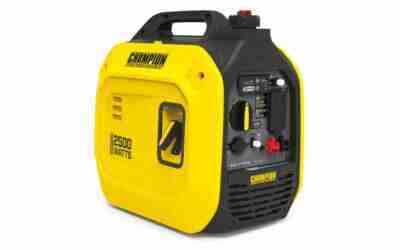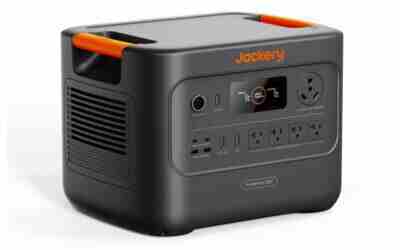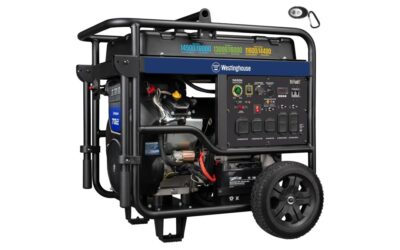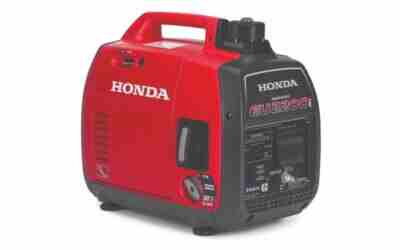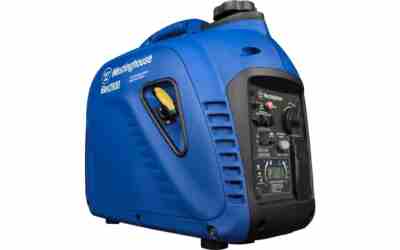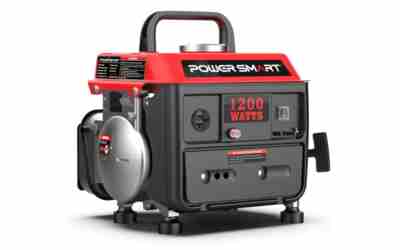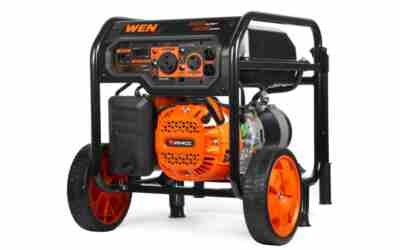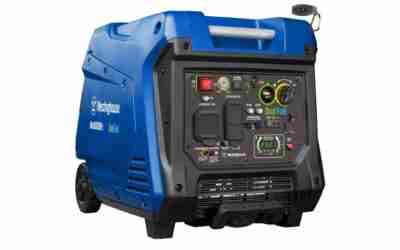

Our editorial team weighed maXpeedingrods's published specifications and how it stacks up against similar products in the generators category. What stands out: Lightweight (~52 lbs), Multiple Outlets, and Includes Parallel Cables & Cover. Where it falls short: No Electric Start and Tank Size Not Specified. That puts it at 7.7/10 on our WG Score – a solid, dependable choice.
 Reviewed byEthan
When your RV air conditioner struggles to keep up on a hot day, the noise of a loud generator can ruin the peace. Whether you are boondocking, tailgating, or camping at a quiet site, finding a generator that runs your AC without disturbing neighbors is essential. We have analyzed 5 top quiet generators for RV air conditioner based on specs, user feedback, and real-world performance to help you stay cool and quiet.
Our guide covers inverter generators that deliver clean power for sensitive electronics, low decibel ratings, and enough wattage to start and run your RV air conditioner. We focus on models that balance noise output, portability, and runtime so you can enjoy your trip without compromise. For more background, check out our best quiet portable generators for camping guide.

Pros
- Dual fuel capability reduces dependency on single fuel source
- Quiet operation suitable for residential and campground use
- Reliable recoil start and solid build quality noted in reviews
- Clean inverter power protects laptops and medical equipment
Cons
- Manual recoil start requires physical effort in cold weather
- Runtime limited to around 4 hours at 50% load on a full tank
- Propane mode delivers slightly lower peak output than gasoline
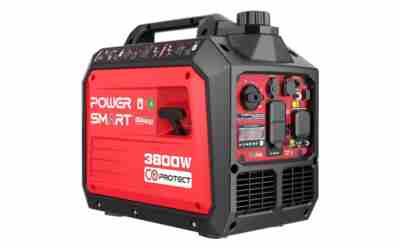
The PowerSmart 3800 Watt Dual Fuel Inverter Generator delivers portable power for home backup, camping, and tailgating. It runs on gasoline or propane and produces clean sine wave electricity suitable for electronics.
Users highlight easy starting, steady voltage output, and sufficient power for appliances, lights, and RV air conditioning. The CO safety sensor and overload protection add reliable safeguards during extended operation.
At 50.7 pounds with a compact footprint, the unit moves easily between locations. Noise levels remain acceptable for most outdoor settings while the parallel-ready feature allows capacity expansion when needed.
Drawbacks include the manual start mechanism and shorter runtime compared to larger stationary models. Overall it provides good value for users who need mid-range portable inverter power without excessive bulk.
Pros
- Exceptionally quiet operation ideal for recreational use
- Lightweight and durable for superior portability
- Electric start simplifies use in any condition
- Clean power output protects electronics
- CARB compliant for use in all states
Cons
- Requires gasoline refueling for extended runtime
- Battery may need occasional maintenance or charging
- Not designed for whole-home backup applications
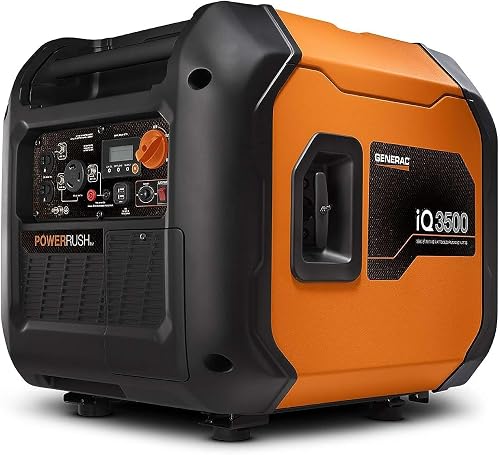
The Generac iQ3500 is a versatile 3,500-watt portable inverter generator tailored for outdoor enthusiasts, tailgaters, campers, and professionals on jobsites who need reliable, clean power without the bulk of traditional generators. Its lightweight yet rugged build makes it easy to transport, while delivering enough juice for small appliances, tools, and sensitive electronics like laptops during outages or adventures.
Standout features include the innovative PowerDial for seamless start, run, and stop functions with electric start capability via an included battery, plus PowerRush technology that boosts starting capacity by over 50% for demanding motor-driven equipment. Dual engine speeds allow selection between quiet Economy Mode for fuel savings and full power for heavy loads, with advanced inverter tech ensuring ultra-clean power and 40% noise reduction compared to standard models. USB ports add convenience for charging devices on the go.
Build quality shines with a durable enclosure that withstands rugged use, parallel-ready design for expandable power, and protective features like low-oil shutdown. Real-world performance excels in keeping lights on during outages, powering food trucks, or enhancing camping setups with movie nights, all while minimizing fuel use and disturbance.
Drawbacks include dependency on gasoline, which requires safe storage and refills, and the need for battery upkeep. It is not suited for large-scale home backup.
Overall, the iQ3500 earns high marks for balancing power, portability, and quiet efficiency, making it a top pick for mobile power needs with a strong verdict for anyone prioritizing convenience and reliability.
Power Output: 3,500 Watts (starting/running)
Fuel Type: Gasoline
Start Type: Electric Start (battery included)
Key Tech: Inverter, PowerRush Advance, Economy Mode
Compliance: CARB Compliant
Ports: USB, Parallel Ready
Ideal For: Camping, Tailgating, Jobsites, Small Appliances

Pros
- Clean sine wave output protects sensitive devices
- Parallel ready for higher power needs
- Compact and lighter than comparable generators
- Includes RV-ready outlet out of the box
Cons
- Recoil start only with no electric option
- Open frame design may produce more noise than enclosed models
- Rated output is 3500 watts despite 4000-watt peak
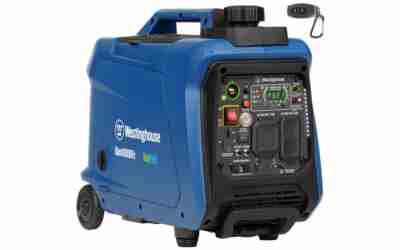
The WEN GN400iM is an open-frame inverter generator rated at 4000 surge watts and 3500 running watts. It produces clean power with total harmonic distortion under 1.2 percent at full load, making it suitable for laptops, phones, and other electronics.
This model targets campers, RV owners, and homeowners who need reliable portable backup power. The RV-ready TT-30R receptacle and parallel connection capability allow flexible use across different scenarios without additional adapters.
Key features include a 212cc 4-stroke engine, eco-mode for improved fuel efficiency, and automatic shutdown for low oil or overload conditions. The unit weighs less than standard generators in its class due to its optimized frame design.
Build quality focuses on essential protections and a two-year warranty. Drawbacks include manual recoil starting and an open-frame layout that does not enclose the engine for noise reduction.
Overall the GN400iM offers strong value for users prioritizing clean power, RV compatibility, and parallel options in a lightweight package.

Pros
- Lightweight and portable for camping or tailgating
- Pure sine wave output protects electronics
- Parallel ready for expanded power needs
Cons
- Gasoline only with no dual fuel option
- No electric start system included
- Limited runtime on a single tank
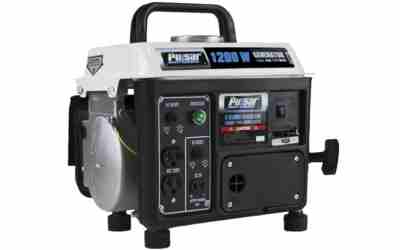
The Pulsar 2300W inverter generator provides portable power suitable for camping trips and outdoor events. Its compact design and low weight make it simple to carry and store.
Stable sine wave technology ensures safe operation of laptops, phones, and other sensitive devices. The included USB outlet adds convenience for charging small electronics directly.
Parallel capability allows users to link units for higher output when needed. Fuel efficiency supports up to 4.8 hours of runtime at half load.
Potential drawbacks include reliance on gasoline and the absence of an electric start. Overall this model offers solid performance for users seeking a lightweight inverter generator.

Pros
- Lightweight at 23580 grams for easy transport
- Multiple outlets support various appliances and devices
- Comes with parallel cables and dust cover included
- Two-year warranty with lifetime technical support
Cons
- No electric start option listed
- Tank size not specified limiting runtime estimates
- Dimensions not provided for storage planning
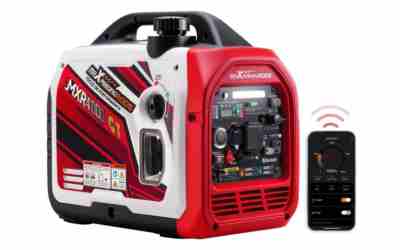
This MaXpeedingrods unit is a gas-powered inverter generator rated at 3500 peak watts.
It targets campers, RV owners, and homeowners seeking portable backup power during outages or outdoor activities.
Key strengths include clean sine wave output, quiet eco-mode operation, and an included RV outlet for direct appliance compatibility.
Build focuses on portability with parallel capability and safety features like CO detection.
Drawbacks center on missing details such as tank capacity and starting system type, but overall it provides solid value for its wattage class.
Buying Guide for 2026
Running vs Starting Watts
The most critical spec for powering an RV air conditioner is wattage. Running watts represent the continuous power needed to keep the AC running, while starting watts (or surge watts) are the extra power required to start the compressor. Most RV air conditioners need around 1,500 to 2,000 running watts and up to 3,500 starting watts. Always check your AC unit’s starting wattage before choosing a generator.
A generator with insufficient starting watts may trip or fail to start your AC. Inverter generators typically provide clean, stable power that is safe for sensitive electronics, but they may have lower surge capacity than conventional models. Look for a generator with at least 3,000 starting watts for a 13,500 BTU RV AC.
Noise Level
Noise is measured in decibels (dB). A typical conversation is about 60 dB, while a loud generator can exceed 80 dB. For RV camping, look for generators rated at 60 dB or lower at 23 feet. Many inverter generators operate around 58-70 dB, which is quiet enough for campgrounds. Some models offer an eco mode that reduces noise and fuel consumption when running lighter loads.
Quiet operation is especially important for overnight use. A generator that runs your AC while you sleep should be barely audible inside the RV. Consider models with noise-dampening enclosures and variable speed engines that adjust to load.
Fuel Type and Runtime
Most portable generators run on gasoline, but dual fuel models also accept propane, which burns cleaner and stores longer. Propane is also quieter in some cases and produces fewer fumes. Runtime varies by load: a generator running at half load may last 4 to 8 hours on a tank of gas. For extended boondocking, consider models with larger fuel tanks or the ability to connect to external propane tanks.
Inverter generators are generally more fuel efficient than conventional ones because they adjust engine speed to match load. Eco mode can extend runtime significantly. If you plan to run your AC for many hours, look for a generator with at least 3-4 hours of runtime at 50% load.
Portability
RV generators need to be easy to move. Weight is a key factor: models under 50 pounds are considered lightweight and can be carried by one person. Suitcase style designs with built-in handles and wheels are ideal. Some open frame generators are heavier but may offer more power. Consider where you will store the generator in your RV and how often you will need to move it.
Compact size also matters. A generator that fits in a compartment or on a hitch mount saves space. Look for models with parallel capability if you might want to combine two units for more power later.
Outlets and RV Readiness
For RV use, a TT-30R outlet is essential. This 120V, 30-amp receptacle matches the standard RV shore power plug. Some generators also include 5-20R household outlets and USB ports for charging devices. Parallel ready panels allow you to connect two generators for increased wattage, which is useful if you upgrade to a larger RV or add more appliances.
Check that the generator has enough outlets for your needs. A single TT-30R is usually sufficient for one AC unit, but if you plan to run multiple devices, look for additional outlets. Some models also feature a built-in transfer switch or CO sensor for safety.
Inverter vs Conventional
Inverter generators produce clean, stable power (pure sine wave) with less than 3% total harmonic distortion (THD). This makes them safe for sensitive electronics like laptops, phones, and RV control boards. They are also quieter and more fuel efficient than conventional generators. Conventional generators are often louder and produce power with higher THD, which can damage electronics. For RV air conditioner use, an inverter generator is the better choice for quiet operation and clean power.
Inverter generators are typically more expensive upfront but offer better long term value due to fuel savings and longer lifespan. They also tend to be lighter and more compact. If you need maximum power for a large RV or multiple AC units, a conventional generator might be an option, but noise and power quality are trade offs.
Quick Comparison: Side by Side
- – Dual Fuel Flexibility.
- – Quiet Operation.
- – Reliable Recoil Start, Solid Build.
- – Exceptionally Quiet.
- – Lightweight & Durable.
- – Electric Start.
- – Clean Sine Wave Output.
- – Parallel-Ready.
- – Compact, Lighter Than Rivals.
- – Lightweight, Great for Camping.
- – Pure Sine Wave Output.
- – Parallel-Ready.
- – Lightweight (~52 lbs).
- – Multiple Outlets.
- – Includes Parallel Cables & Cover.
- – Manual Recoil Start, Harder in Cold.
- – ~4-Hour Runtime at 50% Load.
- – Lower Peak Output on Propane.
- – Needs Gasoline Refueling.
- – Occasional Battery Maintenance.
- – Not for Whole-Home Backup.
- – Recoil Start Only.
- – Open-Frame, Louder Design.
- – Rated 3500W (Peak 4000W).
- – Gasoline Only.
- – No Electric Start.
- – Limited Tank Runtime.
- – No Electric Start.
- – Tank Size Not Specified.
- – Dimensions Not Provided.
Why Trust Our Reviews
At WikiGenerators.com, we base our recommendations on thorough analysis of manufacturer specifications, user feedback, and industry standards. We do not claim hands on testing of every product, but we evaluate each generator based on key criteria like wattage, noise level, fuel efficiency, portability, and safety features. Our goal is to provide objective, data driven guidance to help you make an informed purchase.
We also aggregate feedback from verified buyers across multiple platforms to identify common pros and cons. As an Amazon affiliate, we may earn a commission if you purchase through our links, but this does not influence our picks. Our reviews are independent and focused on helping you find the best generator for your needs.
Our Final Picks for 2026
Best Overall: PowerSmart 3800 Watt Dual Fuel Inverter Generator Quiet Portable Gas Propane with CO Sensor RV Ready
The PowerSmart 3800W dual fuel inverter generator offers excellent power output with quiet operation at 70 dB. It runs on gasoline or propane, providing flexibility for extended trips. With a TT-30R RV outlet and a built in CO sensor, it is a safe and reliable choice for powering your RV air conditioner.
View on Amazon.comBest Value: MaXpeedingrods 3500 Watt Portable Inverter Generator Gas Powered EPA Compliant
For those seeking a budget friendly option, the MaXpeedingrods 3500W inverter generator delivers reliable power at just 58 dB in eco mode. It includes a 30A RV outlet and runs up to 8.3 hours at 25% load. Its lightweight design (47 lbs) makes it easy to transport.
View on Amazon.comBest for Compact RV: Pulsar 2300W Portable Gas Inverter Generator with USB Outlet and Parallel Capability
The Pulsar G2319N is a compact suitcase style generator that produces 2,300 peak watts and 1,800 running watts, enough for smaller RV AC units. It weighs under 47 lbs and features parallel capability for future expansion. Its stable sine wave power is safe for electronics.
View on Amazon.comFrequently Asked Questions
Which quiet generators for RV air conditioner should I buy in 2026?
For most RV owners, a 3,000 to 4,000 watt inverter generator with a TT-30R outlet and low noise rating is ideal. The PowerSmart 3800W dual fuel model is a top pick for its power, quiet operation, and safety features. If you have a smaller RV, the Pulsar 2300W is a great compact option.
How many watts do I need to run my RV air conditioner?
A typical 13,500 BTU RV air conditioner requires about 1,500 running watts and up to 3,500 starting watts. A 15,000 BTU unit may need 1,800 running watts and 4,000 starting watts. Always check your AC’s specifications and choose a generator with sufficient surge capacity.
Are inverter generators quieter than conventional ones?
Yes, inverter generators are generally much quieter because they run at variable speeds and have sound dampening enclosures. Many operate at 58-70 dB, comparable to a normal conversation, while conventional generators often exceed 80 dB. For quiet camping, an inverter generator is the better choice.
Can I run my RV air conditioner on propane?
Yes, if you choose a dual fuel generator that accepts propane. Propane burns cleaner and stores longer than gasoline, and it may produce slightly lower power output. Check the generator’s propane wattage rating to ensure it can still start and run your AC. For more on dual fuel options, see our best dual fuel inverter generators for home backup guide.
What is the difference between running watts and starting watts?
Running watts (or rated watts) is the continuous power a generator can supply. Starting watts (or surge watts) is the extra power needed to start motors, like an AC compressor. Generators can handle a brief surge, but if the starting watts exceed the generator’s surge capacity, the AC may not start. Always match the generator’s surge watts to your AC’s starting requirements.