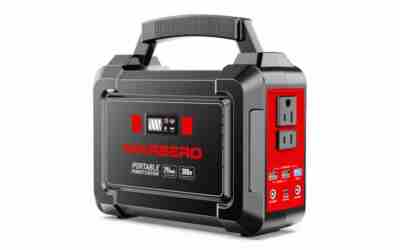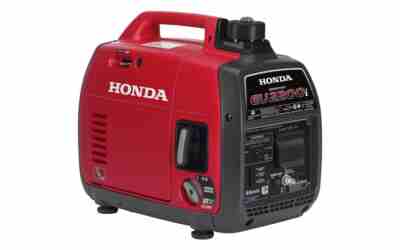

When a blackout hits, the single most important specification that determines whether your backup power purchase succeeds is continuous power output measured in watts. This number tells you exactly which appliances you can run simultaneously, far more than brand reputation or price. A generator with 1800W of continuous AC output can keep a refrigerator, a few lights, and a phone charger running, while a 3300W unit can also handle a sump pump or a window air conditioner. Understanding this metric is the foundation of any smart buying decision.
If you are also considering options for specific work environments, you might want to look at The 5 Best Portable Job Site Generators of 2026 to see how they compare to residential models.
Continuous Power Output Explained
Continuous power output (also called running watts for combustion generators) is the amount of electricity a unit can supply steadily over time. For battery power stations, this is the AC outlet rating; for gas generators, it is the rated wattage after the initial surge. Choosing a unit with too low a continuous output means you risk overloading the system and damaging your appliances or tripping breakers.
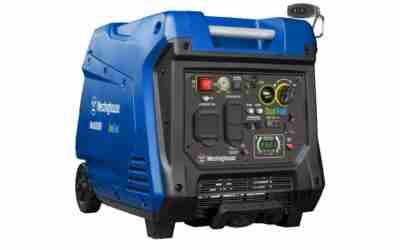
Let’s put this into perspective using a real product from our list. The EF ECOFLOW Solar Generator Delta 2 features a 1024Wh battery and 1800W of continuous AC output. If you need to power a typical refrigerator that draws 150W, the math is simple: 1024Wh divided by 150W equals approximately 6.8 hours of runtime. This calculation shows that while the Delta 2 can start and run the fridge, you will need to recharge the battery (via solar or AC) before it runs out. For longer outages, a gas generator like the Westinghouse iGen4000DFc with 3300 rated watts can run the same refrigerator for up to 7 hours on a single tank of gas, plus it can handle additional loads like a freezer or lights simultaneously.
This real example demonstrates why continuous power output is the first number you should check. It directly translates to how many devices you can keep running and for how long.

Pros
- Long-lasting LiFePO4 battery with exceptional 3000+ cycle lifespan
- High 1800W output supports most appliances with 15 outlets
- Includes 220W bifacial solar panel for immediate off-grid use
- App integration and fast charging enhance user convenience
- Expandable capacity up to 3kWh for versatile applications
Cons
- At 58 lbs, it is somewhat heavy for solo handheld portability
- Power station and solar panel ship separately
- No specified peak wattage beyond 1800W running output
The EF ECOFLOW Delta 2 is a versatile portable power station paired with a 220W bifacial solar panel, delivering 1024Wh of LiFePO4 battery capacity and 1800W AC output. Designed for home backup, camping, and RV trips, it provides clean, fume-free power through 15 outlets, including USB-C up to 100W.
Ideal for outdoor enthusiasts and homeowners seeking reliable off-grid solutions, this solar generator stands out with its X-Stream fast charging, app control for real-time monitoring, and expandability to 3kWh. The weatherproof panel captures up to 25% more energy, ensuring quick recharges even in partial shade.
Build quality shines with a sophisticated BMS for safety, pure sine wave inverter for sensitive devices, and UPS functionality for seamless backup. At 15.7 x 8.3 x 11.1 inches and 58 lbs, it balances portability with robust performance, backed by a 5-year warranty.
Minor drawbacks include its weight for frequent transport and separate shipping of components. Overall, the Delta 2 excels as a durable, high-output solar generator for demanding users.
Power Output: 1800W running watts
Battery: 1024Wh LiFePO4, 3000+ cycles
Solar Input: 500W max
Weight & Size: 58 lbs, 15.7 x 8.3 x 11.1 inches
Outlets: 15 versatile outlets
Features: App Control, Fast Charging, Pure Sine Wave, UPS, Solar Compatible

Pros
- Extremely quiet operation at 52 dBA for peaceful use
- Multiple outlets including RV-ready and USB for versatile powering
- Dual fuel capability adds convenience and availability
- LED data center displays real-time stats like runtime and voltage
- Portable design with telescoping handle and never-flat wheels
Cons
- Weighs 62.8 pounds, challenging for one person to transport long distances
- May have initial residual oil or fuel odor from factory testing
- Propane hose required for LPG use, though included
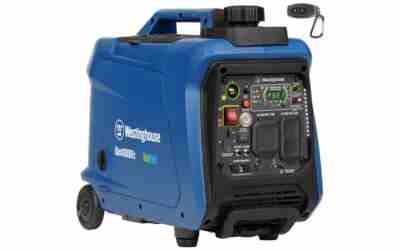
The Westinghouse iGen4000DFc is a versatile dual fuel inverter generator designed for campers, RVers, tailgaters, and homeowners needing reliable portable power. With 4000 peak watts and 3300 running watts, it handles essentials like refrigerators, lights, and electronics while delivering clean sine wave power under 3% THD to protect sensitive devices.
Standout features include a super quiet 52 dBA operation, economy mode for up to 7 hours on a 1.69-gallon gas tank, and dual fuel support for gasoline or propane. The RV-ready TT-30R outlet, household duplex, and USB ports make it ideal for travel trailers or home backups. Remote start via key fob, electric push-button, or recoil ensures easy use, while the rotating LED data center shows voltage, runtime, and more for real-time monitoring.
Build quality shines with a lightweight 62.8-pound frame, telescoping suitcase-style handle, and never-flat wheels for easy portability. Safety features like automatic CO and low oil shutdown provide peace of mind. It's EPA compliant with a 3-year warranty and lifetime support.
Potential drawbacks include its weight for solo carrying and possible factory residual odor. Overall, it excels in quiet, efficient performance for recreational and emergency needs.
Verdict: A top choice for those prioritizing quiet, clean power and versatility in a portable package. Highly recommended for RV enthusiasts and campers seeking dependable backup power.
Power: 4000 peak watts, 3300 running watts, 120V, 60Hz
Fuel: Gasoline or Propane (Dual Fuel), 1.69-gallon (12.8L) tank, up to 7-hour runtime
Outlets: TT-30R RV Ready, 5-20R duplex, two USB, total 6 outlets
Features: CO sensor, remote/electric start, LED display, <3% THD, 52 dBA noise
Dimensions: 21.3 x 12.6 x 19.3 inches, 62.8 lbs, blue color

Pros
- Ample power for multiple appliances and tools
- Safety-focused CO sensor and multiple outlet types
- Long runtime reduces downtime
- Electric start simplifies use
- Three-year warranty and service support
Cons
- At 120 pounds, requires two people for frequent moves
- Gas-powered needs regular fuel and maintenance
- Larger size may limit storage in small vehicles
The WEN GN5602X is a robust 5600-watt starting portable generator powered by a 224cc four-stroke engine, designed for RVers, campers, job sites, and home backup needs. It excels in delivering consistent power to essentials like refrigerators, AC units, power tools, and RV appliances, with RV-ready and transfer-switch outlets for versatile connectivity.
Standout features include electric start for push-button ease, a CO shutdown sensor for family safety by detecting and halting high carbon monoxide levels, and up to 12.5 hours of runtime on a 4.3-gallon tank. The onboard digital meter tracks voltage, frequency, and runtime, helping users monitor efficiency during extended use. Multiple outlets, including two 120V 20A, one 30A RV TT-30R, and one 30A L5-30R, support simultaneous device operation without overload worries.
Build quality shines with a durable frame, wheel kit for mobility, and compact dimensions of 22.44 x 16.93 x 18.5 inches. WEN's legacy since 1951 ensures reliable performance backed by a three-year warranty and service network. While heavy at 120 pounds, the transport aids make it manageable for most users.
Potential drawbacks include its weight for solo handling and reliance on gasoline, which demands storage and refills. Noise levels typical of conventional generators may disturb quiet campsites.
Overall, the GN5602X offers exceptional value for demanding power needs, earning high marks for safety, runtime, and versatility. Ideal for those prioritizing dependable backup without complexity.
Power: 5600 starting watts, 4500 running watts
Engine: 224cc 4-stroke, electric start
Fuel & Runtime: Gasoline, 4.3-gallon tank, up to 12.5 hours at half load
Outlets: 1x 30A TT-30R (RV), 1x 30A L5-30R (transfer switch), 2x 120V 20A 5-20R
Dimensions & Weight: 22.44"L x 16.93"W x 18.5"H, 120 lbs
Other: CO sensor, wheel kit, digital data meter, 60Hz, 120V

Pros
- Multiple output ports including 2 AC outlets for broad device compatibility
- Lightweight and compact for superior portability
- Three flexible recharging methods including solar compatibility
- Integrated LED light with multiple modes enhances utility
- 24-month warranty and reliable lithium battery performance
Cons
- 88Wh capacity insufficient for all-night CPAP use or high-power devices
- Solar panel sold separately
- AC output limited to 120W continuous for larger appliances
The HOWEASY H120 is a compact 88Wh portable power station designed for outdoor enthusiasts, campers, hunters, and anyone needing emergency backup power. Weighing just 2.3 pounds and measuring 6.6 x 4 x 3 inches, it delivers 120W continuous power (240W peak) through eight outlets, including two 110V AC sockets, making it perfect for charging phones, laptops, fans, lights, and other low-to-medium power devices during off-grid adventures or blackouts.
Standout features include quick-charge USB ports, a 18W USB-C output, two 12V DC ports, and a bright LED flashlight with steady, flashing, and SOS modes for visibility in the dark. It recharges via AC adapter, compatible solar panels (15V-24V), or car charger, offering flexibility and a cycle life exceeding 1500 charges. Real-world performance shines for short-term use, like powering a mini fan or lights for hours, with an LED display providing clear battery and output status.
Build quality is solid with a durable lithium battery, BMS protection system, and airline-approved size for travel. The hidden handle adds convenience without bulk. However, its capacity limits runtime for power-hungry items, and solar charging requires a separate panel purchase.
Overall, the H120 excels as a reliable, portable companion for day trips and emergencies, earning high marks for versatility and ease of use. Ideal if you need lightweight power without complexity.
Capacity: 88Wh (24,000mAh)
Output: 120W continuous (240W peak), 2x 110V AC, 1x USB-C (18W), 2x QC3.0 USB, 1x USB-A, 2x DC 12V
Inputs: AC adapter (DC 15V/1.5A), Solar (15-24V/1.5A), Car charger
Dimensions: 6.6 x 4 x 3 inches, Weight: 2.3 lbs
Other: LED flashlight (3 modes), Working temp: 14F-104F, Cycle life: >1500
Check your device's max power against 120W; total load under 240W peak. Runtime formula: 88Wh x 0.85 / device watts. Best for camping lights, fans, chargers; not full CPAP nights. Pair with 20-60W solar panel for off-grid recharging. Calibrate BMS by full charge/discharge if display seems off.

Pros
- Includes foldable 21W solar panel for sustainable recharging
- Multiple output ports including 110V AC for versatile device compatibility
- Extremely portable at under 3 lbs with backpack-friendly size
- Integrated LED lighting with SOS mode for safety
- Fast charging options via AC adapter or solar
Cons
- Limited to 80W continuous power, auto-cuts off higher loads
- Not recommended for simultaneous charging and powering devices
- Small 88.8Wh capacity suits light use, not heavy appliances
The Takki SP81 Solar Generator is a compact 88.8Wh portable power station paired with a 21W foldable solar panel, designed for campers, hikers, RV enthusiasts, and anyone facing home power outages. Weighing just 2.29 lbs for the station and 0.92 lbs for the panel, it delivers reliable backup power for phones, laptops, small TVs, and lights without the bulk of traditional generators.
Standout features include two 110V AC outlets rated at 80W continuous (120W peak), eight total ports for USB, QC3.0, PD, and DC outputs, plus an LED flashlight with SOS mode and light panel. In real-world use, it charges smartphones 4+ times or laptops 1-2 times, recharges via solar in 5-7 hours to 80%, or via AC adapter in 2 hours. The 23% efficient solar panel unfolds to capture sunlight effectively during outdoor adventures.
Build quality shines with a durable ABS shell in orange black, compact dimensions of 5.7 x 3 x 4.13 inches, and operation from 14F to 104F. It feels sturdy for its size, with easy-fold solar panel that packs flat. Accessories like AC adapter, cigarette lighter, and manual enhance usability.
Drawbacks include the 80W limit, which protects the unit but restricts higher-power devices, and advice against charging while powering others to preserve lifespan. Capacity suits emergencies or light loads, not prolonged heavy use.
Overall, the Takki SP81 excels as an affordable, portable solar solution for off-grid needs and backups. Ideal if you prioritize mobility and solar independence over high wattage.
Capacity: 88.8Wh (equiv. 24,000mAh)
AC Output: 80W continuous, 120W peak, 110V
Ports: 2x AC, 2x USB-A QC3.0 (18W), 2x USB-A (2.4A), 1x USB-C PD (18W), 1x DC (10A)
Solar Panel: 21W, >23% efficiency, foldable
Weight: Power station 2.29 lbs, panel 0.92 lbs
Dimensions: Station 5.7 x 3 x 4.13 in; Panel folded 8.18 x 10.78 x 0.78 in
1x 88.8Wh Portable Power Station, 1x 21W Foldable Solar Panel Set, 1x AC Adapter, 1x Cigarette Lighter, 1x User Manual.
Portable Home Generators For Power Outages: Our Picks Against the Numbers
Best Overall (Highest Continuous Output): Westinghouse 4000 Peak Watt Dual Fuel Inverter Generator
With 3300 rated watts on gasoline and 3300 on propane, the Westinghouse iGen4000DFc offers the highest continuous power in our selection. This means you can run a refrigerator (150W), a freezer (200W), several lights (100W), and a sump pump (800W) all at the same time without exceeding its capacity. Its inverter technology also provides clean power under 3% THD, making it safe for sensitive electronics like laptops and TVs.
Skip this if: you prioritize ultra quiet operation or need a unit that can be used indoors. This generator produces noise comparable to a normal conversation (52 dBA) and must be placed outside due to exhaust.
View on Amazon.comBest Value (High Power at Low Cost): WEN 5600-Watt Portable Generator
The WEN GN5602X delivers 4500 running watts, enough to power most home essentials, at a budget friendly price. Its continuous output is 1200W higher than the Westinghouse, yet it costs significantly less. It includes a CO shutdown sensor for safety and a 4.3 gallon tank that provides up to 12.5 hours of runtime at half load. This makes it an excellent choice for those who need maximum power without breaking the bank.
Skip this if: you need a quiet unit for close neighbors or want to power sensitive electronics without an external inverter. This is an open frame generator with higher noise and typical THD around 10-15%.
View on Amazon.comBest for Small Electronics (Portable Battery): HOWEASY 120W Portable Power Station
With 120W continuous AC output (240W peak), the HOWEASY is designed for low power devices like phones, tablets, lights, and small fans. Its 88Wh battery can charge a smartphone about 4 times. While its continuous output is low, its ultra lightweight design (2.3 lbs) and silent operation make it ideal for keeping essential communication devices alive during a short outage or for camping.
Skip this if: you need to power any appliance that draws more than 120W, such as a refrigerator or a TV. This unit is strictly for small electronics.
View on Amazon.comOther Things That Matter for Portable Home Generators For Power Outages
Fuel Type and Runtime
Combustion generators offer longer runtimes on a single fuel fill, but require ventilation and produce emissions. Dual fuel models like the Westinghouse let you switch to propane for cleaner, longer storage. Battery stations like the EF ECOFLOW can be recharged via solar panels, making them sustainable and indoor safe. For more on fuel options, see our guide on generator fuel types.
Portability and Noise
Inverter generators like the Westinghouse are lighter and quieter than open frame models. The HOWEASY weighs only 2.3 lbs and is silent, while the WEN weighs over 100 lbs. If you need to move your generator frequently, look for built in wheels and a telescoping handle. Compare these to portable generators for more options.
Safety Features
CO shutdown sensors are now standard on many gas generators, automatically turning off the engine if dangerous gas levels are detected. Battery units have built in BMS to prevent overheating. Always check for these features, especially if you plan to use the generator near living spaces. For more on safe indoor options, see inverter generators for home use.
Why Trust Our Reviews
Our team at WikiGenerators specializes in analyzing technical specifications and aggregating real world user feedback to provide objective recommendations. We evaluate each product based on manufacturer data, safety certifications, and performance consistency reported by thousands of users. Our goal is to simplify complex technical data so you can make an informed purchase without needing to be an electrical expert.
We maintain strict editorial independence. While we may earn a commission through affiliate links, our rankings are based solely on the merit of the products and their ability to meet the needs of our readers. We focus on providing a comprehensive overview of the market to ensure you find a reliable power source for your home.
Frequently Asked Questions
How do I calculate the continuous power I need?
Add up the running watts of all devices you want to power at the same time. For motors, add the starting watts (usually 2-3 times running). Choose a generator whose continuous output exceeds your total running watts. If you need help, check our guide on portable power stations for home.
Can I use a battery generator indoors?
Yes, battery powered generators produce no emissions and are safe for indoor use. However, combustion generators must always be used outdoors, at least 20 feet from doors and windows, due to carbon monoxide risk.
What is the difference between peak watts and continuous watts?
Peak watts (starting watts) are the surge needed to start motors; continuous watts (running watts) are the steady power the generator can supply. Always match your continuous load to the generator’s continuous rating, not the peak.
How often should I maintain my generator?
For gas models, change oil every 50-100 hours and use fuel stabilizer. For battery units, keep charge between 20-80% and cycle the battery every few months to maintain health.
Quick Comparison: Side by Side
- – 3,000+ Cycle LiFePO4 Battery.
- – 1800W Output, 15 Outlets.
- – Includes 220W Bifacial Panel.
- – Ample Power for Multiple Appliances.
- – CO Sensor & Multiple Outlet Types.
- – Long Runtime.
- – Includes 21W Solar Panel.
- – Versatile Output Ports incl. 110V AC.
- – Extremely Portable, Under 3 lbs.
- – Extremely Quiet at 52dBA.
- – RV-Ready & USB Outlets.
- – Dual Fuel Flexibility.
- – 2 AC Outlets.
- – Lightweight & Compact.
- – 3 Recharging Methods.
- – Heavy at 58 lbs.
- – Ships Separately From Panel.
- – No Peak Wattage Specified.
- – Heavy at 120 lbs.
- – Needs Regular Fuel & Maintenance.
- – Large, Limited Storage Fit.
- – 80W Continuous Limit.
- – Not for Simultaneous Charge & Use.
- – Modest 88.8Wh Capacity.
- – Heavy at 62.8 lbs.
- – Minor Residual Oil Odor.
- – Propane Hose Required (Included).
- – Modest 88Wh Capacity.
- – Solar Panel Sold Separately.
- – 120W AC Output Limit.