

A single-fuel generator runs on gasoline only. A dual-fuel generator can switch between gasoline and propane. A tri-fuel generator adds natural gas on top of that, letting it run on gasoline, propane, or a home’s existing natural gas line. Each additional fuel option adds flexibility and cost — the right choice depends on how much you value fuel-source redundancy versus keeping things simple and affordable.
Single-Fuel (Gasoline-Only) Generators
The simplest and typically most affordable option. Gasoline is widely available, but it has a real shelf-life problem — untreated gasoline degrades in as little as 30 days, and even with a fuel stabilizer added, it’s generally good for only a few months. Gasoline can also become hard to find during widespread emergencies, when stations lose power or sell out from surge demand at the same time you need it most.
Dual-Fuel Generators: Gasoline or Propane
Dual-fuel units switch between gasoline and propane (LPG), giving you a real backup fuel source. Propane doesn’t degrade in storage the way gasoline does — a sealed tank can sit for years — making it a genuinely more reliable emergency-preparedness fuel, at the cost of slightly less energy density (somewhat less running time per equivalent volume compared to gasoline) and needing to source/store standard propane tanks (the common 20-lb grill-tank size works with most dual-fuel units). See our best portable dual fuel generators and best dual fuel generators for home use roundups.
Tri-Fuel Generators: Adding Natural Gas
Tri-fuel generators add natural gas capability on top of gasoline and propane — a genuinely powerful option for homes that already have a natural gas line. Natural gas utility service typically stays up during electrical outages, since it’s separate infrastructure from the power grid, meaning a tri-fuel generator connected to your home’s gas line can theoretically run indefinitely without ever hauling fuel at all. This requires a proper gas-line connection (a job for a licensed professional, not a DIY project) but removes fuel logistics entirely for households that already have the hookup. See our best tri-fuel generators and best tri-fuel inverter generators guides.
Quick Comparison
| Single-Fuel | Dual-Fuel | Tri-Fuel | |
|---|---|---|---|
| Fuel options | Gasoline only | Gasoline + propane | Gasoline + propane + natural gas |
| Fuel shelf life | Weeks to a few months | Propane stores indefinitely | Natural gas has no storage limit at all (piped) |
| Cost | Lowest | Moderate | Highest |
| Best for | Occasional, simple use with fresh gas access | Emergency-preparedness flexibility | Homes with an existing natural gas line wanting unlimited runtime |
Which Should You Choose?
If you already have natural gas service at home and want the closest thing to unlimited backup runtime, tri-fuel is worth the extra cost and the professional gas-line hookup. If you don’t have natural gas but want real fuel-security flexibility for emergencies, dual-fuel is the sensible middle ground. If your generator use is occasional and you’re comfortable managing fresh gasoline, single-fuel keeps things simple and affordable — see our full best dual fuel generators roundup for the widest range of options across price points.
Our Top Picks
Ready to shop? These are the top-rated options from our hands-on roundup, Best Quiet Dual Fuel Inverter Generators of 2026.

Westinghouse iGen5000DF 5000 Peak Watt Dual Fuel Inverter Generator - Super Quiet RV Ready Remote Start

Westinghouse iGen4000DFc 4000 Peak Watt Dual Fuel Inverter Generator - Super Quiet RV Ready Remote Start CO Sensor
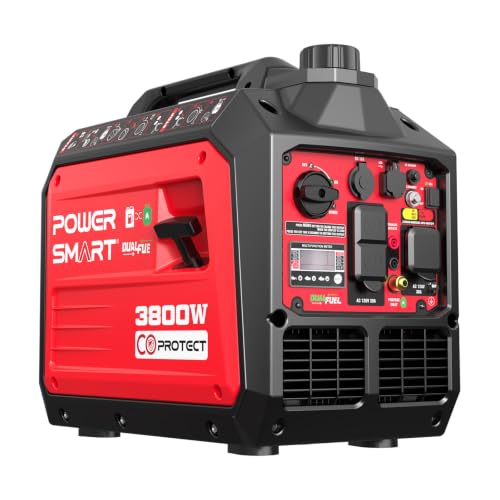
PowerSmart 3800 Watt Dual Fuel Inverter Generator Quiet Portable Gas Propane with CO Sensor RV Ready
As an Amazon Associate we earn from qualifying purchases. Product prices and availability are accurate as of the date/time indicated.
Related: Ready to compare specific models? Check out our PowerSmart 3800 dual fuel guidefor a closer look at pricing and performance.
Related: Not sure whether your unit can switch fuels? Find out if running a dual fuel generator on natural gasis possible.
What Are Multifuel Generators?
A multifuel generator is one that can run on more than one type of fuel, and in practice the term covers dual-fuel (gasoline and propane) and tri-fuel (gasoline, propane and natural gas) models. Single-fuel units, by definition, are not multifuel.
Most multifuel generators use a fuel selector switch or dial, and some use a small adapter or regulator for the gaseous fuels. You pick the fuel you have on hand, and the engine runs on it. Switching is typically done at the generator, and the manufacturer’s manual will explain whether the engine should be stopped first.
- Dual-fuel: gasoline plus propane. Propane stores for years, which makes it the easier backup fuel.
- Tri-fuel: gasoline, propane and natural gas. Natural gas can come from a home’s existing line, which removes the need to haul fuel.
Some larger or specialty generators run on other fuels, such as diesel, but those are usually sold as diesel units rather than multifuel models, so check the spec sheet for the exact fuels supported.
| Type | Fuels | Main advantage |
|---|---|---|
| Single-fuel | Gasoline | Simple and lowest cost |
| Dual-fuel | Gasoline, propane | Storable backup fuel |
| Tri-fuel | Gasoline, propane, natural gas | Longest potential runtime |
Expect some trade-offs. Output is often a bit lower on propane and natural gas than on gasoline, so look at the rated wattage for each fuel in the specs. Natural gas hookups should be installed by a licensed professional.
Frequently Asked Questions About Dual-Fuel and Tri-Fuel Generators
Can a dual-fuel generator run on gasoline and propane at the same time?
No — dual-fuel and tri-fuel generators switch between fuel sources, they don’t blend or use them simultaneously.
Does propane give less power than gasoline in a dual-fuel generator?
Generally yes, slightly — propane is somewhat less energy-dense than gasoline, so running watts and runtime per tank can be a bit lower on propane, though many manufacturers publish separate specs for each fuel mode.
Do I need a professional to hook up a tri-fuel generator to my home’s gas line?
Yes — connecting to a home’s natural gas line should be done by a licensed professional, not attempted as a DIY project.
Is propane really better for long-term storage than gasoline?
Yes — sealed propane tanks don’t degrade the way gasoline does over time, making propane a more reliable fuel to have on hand for infrequent emergency use.
Is a tri-fuel generator worth it if I don’t have natural gas at home?
Not usually — the main advantage of the natural gas option specifically requires an existing gas line. Without one, a dual-fuel generator captures most of the practical benefit at a lower cost.














