

Our editorial team weighed Home's published specifications and how it stacks up against similar products in the generators category. What stands out: Truly Handheld Size, Includes Solar Panel & Lights, and Quiet, Gas-Free Operation. Where it falls short: Tiny 4Wh Capacity and Slow 5W Solar Input. That puts it at 7.7/10 on our WG Score – a solid, dependable choice.
 Reviewed byDaniel
Most portable generators run on gasoline, while standby units run on propane or natural gas.
Generator Fuel Types at a Glance
| Fuel | Typical generator | Storage | Main tradeoff |
|---|---|---|---|
| Gasoline | Portable and inverter units | Roughly 3-6 months, up to about 12 with stabilizer (rough estimate; sources disagree) | Easy to buy, but it goes stale |
| Propane (LP) | Portable dual fuel, standby | Does not spoil | Burns more gallons per hour than gasoline |
| Natural gas | Standby, some dual and tri-fuel portables | None needed; pipeline supply | Stops if utility gas service is interrupted |
| Diesel | Larger, long-run and commercial units | Roughly 6-12 months (rough estimate; sources disagree) | Long runtime, heavier and costlier units |
| Dual or tri-fuel | Portables with a fuel selector | Depends on the fuel you pick | Flexibility, usually with less output on gas fuels |
| Battery or solar | Power stations and solar generators | No fuel; the battery holds charge | Limited capacity, silent |
Shelf-life figures are approximate and vary by source, fuel quality and container, so treat them as rough estimates and follow your generator manual.
How to Find Out Which Fuel Your Generator Takes
Do not guess from the engine size. Check these in order:
- Nameplate or label. Many units print the fuel type and rated output near the engine or on the side panel.
- Owner’s manual. The specifications page lists approved fuels, fuel tank capacity and any ethanol limit.
- Fuel cap. Gasoline caps are often marked with a fuel icon or the word gasoline. Diesel units are usually marked diesel.
- Fuel selector switch. A dial or switch labeled gasoline, LPG or natural gas means a dual or tri-fuel model.
- Gas inlet. A propane or natural gas hose connection on the housing points to a unit built for gaseous fuel.
If none of these confirm the fuel, look up the model number on the manufacturer’s site. Manufacturers warn that modifying a generator to burn a fuel it was not built for can void the warranty, so use only a conversion kit the manufacturer approves for your exact model.
Gasoline: Octane, Ethanol and Stabilizer
Gasoline is the standard fuel for most portable and inverter generators, and it is the one most homeowners already know how to buy. Manuals commonly call for fresh, clean unleaded gasoline at 87 octane or higher, but the exact number in your manual governs.
Ethanol blends
Many small-engine manuals approve ethanol blends up to 10 percent (E10) and warn against higher blends. E15 and E85 are not approved for many generators, so read the fuel section of your manual before filling up. Pump labels tell you the ethanol percentage.
Stabilizer and stale fuel
Fuel stabilizer extends how long gasoline stays usable. If you want to compare what Honda owners use, see this guide to the best fuel for Honda generators.
Refueling
Shut the generator off and let it cool before adding fuel. Keep gasoline in approved containers stored away from living spaces and ignition sources.
Propane, Natural Gas and Diesel Compared
Propane
Propane stores indefinitely in a sealed cylinder, which makes it a good fit for emergency use. Portable propane tanks are easy to swap, and bulk tanks supply standby generators. For how propane works on portables, read can a generator run on propane.
Natural gas
Natural gas comes through a utility pipe, so there is nothing to refill. The catch is that service can be interrupted in a widespread outage. Natural gas and propane installations need a licensed installer and must follow local codes such as NFPA 54 and 58.
Diesel
Diesel is less easily ignited than gasoline and common in larger generators built for long runs. Diesel standby units can run for 24, 48, 72 hours or longer depending on tank size. It is rare in small portables.
Dual and tri-fuel output
- Output on propane is typically about 10 percent lower than on gasoline (rough estimate); the manual lists the exact running watts per fuel.
- Switching fuels follows the steps in the manual, which usually means shutting down and turning the selector before reconnecting a hose.
Estimating Runtime From Tank Size and Load
Divide usable fuel by hourly consumption at your load. The real hourly figures come from the runtime chart in your manual, which is usually listed at 25 and 50 percent load, so use those numbers instead of a general estimate.
Load matters more than tank size alone. A generator running a light load burns less fuel per hour than the same unit running near its rated output, so runtime is always shorter as you add appliances.
Fuel type matters too. Propane burns more gallons per hour than gasoline for the same output, so a propane cylinder and a gasoline tank of similar volume will not last the same number of hours. Read the manual’s runtime chart for each fuel your unit accepts, and plan refills around the figure for your actual load.
Fuel-Free Options: Power Stations and Solar Generators
Portable power stations and solar generators store electricity in a battery, so nothing is burned and there is no fuel to store. They run indoors since they produce no exhaust, and they are quiet.
They make sense for short outages and small loads such as phones, laptops, a CPAP or a few lights. Their limit is battery capacity, listed in watt-hours on the spec sheet. Once the battery is empty, you must recharge from a wall outlet, a car or solar panels.
Fueled generators suit heavy loads and multi-day outages, because you can refill the tank and keep going.
Our Top Picks
Ready to shop? These are the top-rated options from our related roundup, Best Portable Generator Power Stations of 2026.

DJI Power 1000: 1024Wh LiFePO4 Portable Power Station, 2200W Output, 23dB Silent, Solar Generator for Camping & Home Backup

MARBERO 172Wh Solar Generator with 40W Panel - 200W Portable Power Station for Camping, Emergencies, CPAP & Outdoors
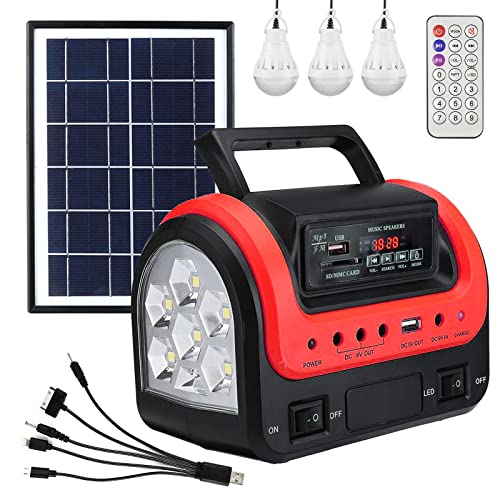
Upusa SDM-0603 Solar Generator Portable Power Station with 10W Panel
As an Amazon Associate we earn from qualifying purchases. Product prices and availability are accurate as of the date/time indicated.
Frequently Asked Questions
What should I do with gasoline that sat in the generator all winter?
Drain it into an approved container and dispose of it through your local hazardous-waste program. Refill with fresh fuel before starting. Stale gasoline clogs the carburetor and causes hard starting.
What should I do if the generator will not start on old fuel?
Drain the old fuel, refill with fresh fuel and try again. If it still fails to start, have the carburetor inspected by a service technician.
Is it acceptable to use E15 in an emergency?
Only if your manual approves it. If the manual limits ethanol to 10 percent (E10), do not use E15 even in an emergency; find E10 or lower instead.
Should I switch a dual fuel generator to propane when the gasoline is stale?
Yes. Follow the manual’s steps to switch the selector and connect the propane hose, then drain the stale gasoline from the unit afterward.
Will a propane-only generator run on natural gas?
No. Run it on natural gas only if the manufacturer sells an approved conversion kit for your exact model. Otherwise use propane.
{“@context”: “https://schema.org”, “@type”: “FAQPage”, “mainEntity”: [{“@type”: “Question”, “name”: “What should I do with gasoline that sat in the generator all winter?”, “acceptedAnswer”: {“@type”: “Answer”, “text”: “Drain it into an approved container and dispose of it through your local hazardous-waste program. Refill with fresh fuel before starting. Stale gasoline clogs the carburetor and causes hard starting.”}}, {“@type”: “Question”, “name”: “What should I do if the generator will not start on old fuel?”, “acceptedAnswer”: {“@type”: “Answer”, “text”: “Drain the old fuel, refill with fresh fuel and try again. If it still fails to start, have the carburetor inspected by a service technician.”}}, {“@type”: “Question”, “name”: “Is it acceptable to use E15 in an emergency?”, “acceptedAnswer”: {“@type”: “Answer”, “text”: “Only if your manual approves it. If the manual limits ethanol to 10 percent (E10), do not use E15 even in an emergency; find E10 or lower instead.”}}, {“@type”: “Question”, “name”: “Should I switch a dual fuel generator to propane when the gasoline is stale?”, “acceptedAnswer”: {“@type”: “Answer”, “text”: “Yes. Follow the manual’s steps to switch the selector and connect the propane hose, then drain the stale gasoline from the unit afterward.”}}, {“@type”: “Question”, “name”: “Will a propane-only generator run on natural gas?”, “acceptedAnswer”: {“@type”: “Answer”, “text”: “No. Run it on natural gas only if the manufacturer sells an approved conversion kit for your exact model. Otherwise use propane.”}}]}













