

Our editorial team weighed Honda's published specifications and how it stacks up against similar products in the generators category. What stands out: Exceptionally Quiet, CO-Minder Safety Tech, and Portable & Lightweight. Where it falls short: Recoil Start Only and 3.2h Runtime at Full Load. That puts it at 8.9/10 on our WG Score – an excellent, well-rounded option.
 Reviewed byEthan
To start a home generator, place it outdoors, check oil and fuel, unplug loads, open the fuel valve, set the choke, start it, then add loads. Follow your manual where it differs, and never run the unit indoors.
Safety checks before you start a home generator
Generator exhaust contains carbon monoxide (CO), which can kill within minutes indoors. Run the unit only outdoors, never in a garage, basement, crawlspace or shed, and never near windows, doors or vents. Point the exhaust away from the house. The minimum clearance from the building is set by your owner’s manual or the label on the unit, so follow that figure for your model.
- CO alarms: put battery-backed or battery-backup alarms on every level and outside sleeping areas before an outage begins.
- Ground: set the generator on firm, level ground with open air on all sides. Do not enclose it.
- People and pets: keep children and animals away from the hot engine and exhaust.
- No backfeeding: never plug the generator into a wall outlet with a male-to-male cord. The Consumer Product Safety Commission warns this energizes utility lines and can injure line workers and your household.
The seven steps to start a portable generator
This is the common sequence for a gasoline portable generator. Your manual overrides it where the two differ.
- Place it outdoors. Move it to its running spot first. Do not start it and then drag it.
- Check oil and fuel. With the unit level, confirm the oil reaches the full mark on the dipstick. Look over the tank for fresh gasoline, and check the cord, housing and fuel line for cracks or leaks.
- Disconnect all loads. Unplug everything from the outlets and switch off the generator’s own breaker or outlet switches, so the engine starts without a load.
- Open the fuel valve. Turn the fuel valve to ON. If your model has a vented fuel cap, open the vent as the manual directs.
- Set the choke. For a cold engine, close the choke. A warm engine often needs it half closed or open.
- Start the engine. Turn the engine switch to ON, then pull the recoil handle firmly or press the electric start button. When the engine fires, move the choke gradually to RUN. Let it run for a few minutes to stabilize before connecting anything.
- Add loads gradually. Turn the generator’s breaker on, then connect one item at a time, letting the engine settle between each.
Recoil, electric-start and inverter models
Recoil start
Pull the handle slowly until you feel resistance, then pull hard and straight. Guide the cord back by hand rather than letting it snap, which can damage the recoil housing.
Electric start
Turn the key or press the button in short bursts, as the manual allows, so the starter and battery do not overheat. Many units also have a backup recoil cord, which is useful when the battery is dead.
Inverter generators
Many inverter models have no manual choke or manage it automatically. They often use an ECO or economy switch that you can leave on once running. Follow the model’s start-up panel rather than the generic choke steps above.
Connect power and add loads in order
For a few items, use heavy-duty outdoor-rated extension cords sized for the load, and run them from the generator to the appliance. To power hardwired circuits, have a licensed electrician install a transfer switch or an interlock kit that meets local code. With a transfer switch, start the generator first, then switch the circuits over as the instructions say.
| Order | Load type | Reason |
|---|---|---|
| 1 | Lights and phone chargers | Small draw, confirms output is stable |
| 2 | Refrigerator and freezer | Protects food |
| 3 | Furnace fan or sump pump | Safety and property protection |
| 4 | Microwave, space heater, other heating items | Largest draw, add last or skip |
Motors in refrigerators, pumps and fans pull extra power for a moment when they start, which is why you add them one at a time. Compare each appliance’s label to your generator’s rating; the guide on how to size a generator for your home shows how.
If the generator won’t start
Work through these in order, stopping when it fires:
- Fuel: stale gasoline is the most common cause. As a rough estimate, untreated gas can begin to go bad within one to three months, and ethanol blends can degrade sooner. Drain it and refill with fresh fuel.
- Fuel valve and switches: confirm the valve is ON, the engine switch is ON and the choke matches a cold or warm start.
- Oil: a low-oil sensor shuts the engine off or blocks starting. Add oil to the full mark.
- Spark plug: remove it, and replace it if it is wet, fouled or cracked.
- Carburetor: varnish from old fuel can clog it, and it needs cleaning or service.
- Battery (electric start): recharge a dead battery with a trickle charger, or use the recoil cord if the unit has one.
For a longer checklist, see this generator won’t start troubleshooting guide.
How a standby generator starts
A permanent standby generator senses a utility outage, starts itself and switches the house over through its automatic transfer switch. You do nothing during an outage when it is in AUTO.
To start one manually, use the controller on the unit. The steps differ by brand, so follow your manual. Typically you set the controller to MANUAL or HAND, press START, and let it run. Return it to AUTO afterward, or it will not start on its own in the next outage. Standby units are installed and connected by licensed professionals, so leave wiring and gas connections to them.
Shut down safely and get ready for the next outage
To stop a portable unit, turn off and unplug the loads, switch off the generator’s breaker, let the engine run briefly unloaded, then turn the engine switch off and close the fuel valve. Never add fuel to a running or hot generator. Wait until it has cooled, as the manual directs.
- Before storm season, run the generator under a light load and confirm it starts, then note what you need to restock.
- Keep fuel in approved containers, stored outside living space.
- Keep cords, the manual and a printed load-priority list with the generator.
Our Top Picks
Ready to shop? These are the top-rated options from our related roundup, Best Portable Power Generators For Home of 2026.

Honda EU2200i 2200W Super Quiet Portable Inverter Generator with CO-Minder & Bluetooth App
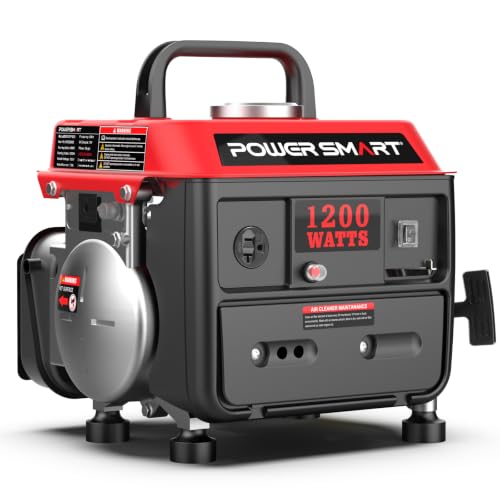
PowerSmart 1200W Portable Gas Generator 900W Rated 2-Stroke 39 lbs for Camping Emergency

maXpeedingrods MXR4000GT 4000W Dual Fuel Inverter Generator with Bluetooth App Control
As an Amazon Associate we earn from qualifying purchases. Product prices and availability are accurate as of the date/time indicated.
Frequently Asked Questions
Can I start a generator in the rain?
Only if it is protected by an open-sided generator tent or canopy built for the purpose, placed fully outdoors with open air on all sides. Never move it into a garage or porch with walls to get it out of the weather.
Why does my generator run but nothing has power?
Press the reset button on any GFCI outlet on the generator and switch its main breaker back on. If the outlets stay dead, try a different cord.
Can I leave a generator running overnight?
Run it only as long as the tank lasts, because you cannot refuel a running engine. If the fuel is low at bedtime, shut it down, let it cool and refill it first.
Does a new generator need anything before its first start?
Yes. Many new portable generators ship with no oil in the crankcase, so add the oil type and amount listed in the manual before the first start. Also confirm the fuel cap and valve settings it specifies.
Can I start a generator with a dead battery?
Yes, use the recoil cord, but only if the unit has one. Models with electric start only need the battery recharged first.
{“@context”: “https://schema.org”, “@type”: “FAQPage”, “mainEntity”: [{“@type”: “Question”, “name”: “Can I start a generator in the rain?”, “acceptedAnswer”: {“@type”: “Answer”, “text”: “Only if it is protected by an open-sided generator tent or canopy built for the purpose, placed fully outdoors with open air on all sides. Never move it into a garage or porch with walls to get it out of the weather.”}}, {“@type”: “Question”, “name”: “Why does my generator run but nothing has power?”, “acceptedAnswer”: {“@type”: “Answer”, “text”: “Press the reset button on any GFCI outlet on the generator and switch its main breaker back on. If the outlets stay dead, try a different cord.”}}, {“@type”: “Question”, “name”: “Can I leave a generator running overnight?”, “acceptedAnswer”: {“@type”: “Answer”, “text”: “Run it only as long as the tank lasts, because you cannot refuel a running engine. If the fuel is low at bedtime, shut it down, let it cool and refill it first.”}}, {“@type”: “Question”, “name”: “Does a new generator need anything before its first start?”, “acceptedAnswer”: {“@type”: “Answer”, “text”: “Yes. Many new portable generators ship with no oil in the crankcase, so add the oil type and amount listed in the manual before the first start. Also confirm the fuel cap and valve settings it specifies.”}}, {“@type”: “Question”, “name”: “Can I start a generator with a dead battery?”, “acceptedAnswer”: {“@type”: “Answer”, “text”: “Yes, use the recoil cord, but only if the unit has one. Models with electric start only need the battery recharged first.”}}]}













