

Our editorial team weighed 's published specifications and how it stacks up against similar products in the generators category. What stands out: Exceptionally Quiet, Lightweight & Durable, and Electric Start. Where it falls short: Needs Gasoline Refueling and Occasional Battery Maintenance. That puts it at 8.2/10 on our WG Score – an excellent, well-rounded option.
 Reviewed byEthan
A generator quiet box is a lined plywood enclosure with a baffled intake and a separate exhaust path. Builders often report that it cuts noise by roughly 5 to 10 dB. A sealed box overheats the engine and traps carbon monoxide, so airflow and exhaust routing matter more than wall thickness.
How much quieter will a generator quiet box be?
Expect about 5 to 10 dB less noise at the spot where you sit, not a silent generator. A 10 dB drop sounds roughly half as loud, and a 3 dB drop is barely noticeable, so a well-built box gives a clear but modest improvement.
Your result depends on:
- Leaks: a single unsealed gap lets high-pitched noise straight out.
- Vent size and baffling: larger openings cool better but leak more sound.
- Generator type: an open-frame model with a loud exhaust gains more than an inverter that is already quiet.
- Vibration: if the box rattles on a hard floor, the floor becomes the speaker.
- Heat: an overheated engine runs its fan harder and gets louder.
A box is one of several fixes, and simpler changes such as moving the unit or adding a baffle sometimes help as much. Our guide to the best ways to quiet a portable gas generator compares them.
Materials and tools for the box
A good enclosure uses a dense barrier to block sound and an absorber to damp it. Check each material’s temperature rating before it goes near the muffler.
| Material | Job | Where it goes |
|---|---|---|
| 3/4 in. plywood or MDF | Heavy outer shell | All six panels |
| Mass-loaded vinyl, 1 lb per sq ft | Blocks airborne sound | Inside the walls and lid |
| Mineral wool board | Absorbs sound, does not burn | Inside the walls, including near the muffler |
| Flame-rated acoustic foam | Absorbs high-pitched noise | Only inside the vent baffles, away from the muffler |
| Acoustical sealant | Seals seams and screw gaps | All panel joints |
| Rubber isolation pads | Stops vibration reaching the floor | Under the box and under the generator |
| Weatherstripping gasket | Seals the lid | Lid edge |
Tools: circular saw or table saw, drill, 2 in. wood screws, utility knife, staple gun, hinges, latches, tape measure, and an infrared thermometer for the test run.
How big should the box and vents be?
Start with the clearance your generator manual specifies, and use a figure from a DIY site only if the manual gives none. Sources disagree widely, so the manual or the manufacturer decides. The example below assumes 6 in. on the sides and top purely for illustration. It is not a standard.
Worked example: a 2,000-watt inverter generator measuring 20 x 12 x 18 in. (length x width x height). Add 6 in. on each side of the length and width, and 6 in. above:
- Interior length: 20 + 12 = 32 in.
- Interior width: 12 + 12 = 24 in.
- Interior height: 18 + 6 = 24 in.
With 3/4 in. panels, the exterior is 33.5 x 25.5 in. and 25.5 in. tall (24 in. interior plus the 3/4 in. base and 3/4 in. lid). The walls sit between the base and lid, so they are cut to the 24 in. interior height. Cut list:
| Part | Qty | Size (in.) |
|---|---|---|
| Base | 1 | 33.5 x 25.5 |
| Front and back walls | 2 | 33.5 x 24 |
| End walls | 2 | 24 x 24 |
| Lid | 1 | 33.5 x 25.5 |
These parts total 4,468.5 sq in., while a 4 x 8 ft sheet is 4,608 sq in. Saw kerf and layout waste make one sheet too tight, so plan on two.
For vents, the 6 x 12 in. (72 sq in.) baffled openings suggested here are an assumed starting point, not a published figure. Put the intake low on one end wall and the discharge high on the opposite end or in the lid. Check your manual’s cooling and airflow requirements, and let the temperature test below confirm or correct the size.
Build the generator quiet box step by step
- Check the manual. Note required clearances, exhaust direction and any warning about enclosures or warranty.
- Cut the panels to your cut list, then cut the vent openings and the exhaust hole in the end walls before assembly.
- Assemble the shell. Run a bead of acoustical sealant on every joint, then screw the walls to the base and each other.
- Add the barrier. Staple or glue mass-loaded vinyl to the inside of the walls and lid, with seams overlapped and sealed.
- Add the absorber. Cover the vinyl with mineral wool board. Leave the vent openings uncovered.
- Build the baffles. For each vent, make a short duct box with a turn inside, lined with foam, so the opening on the outside does not line up with the one inside. Place the lid vent at the edge farthest from the side intake.
- Fit the lid. Use a hinged lid with a gasket and latches, so you can open it fully to refuel and service.
- Set it on isolation pads, and put the generator on its own pad inside, so the box and engine are decoupled from the floor.
Exhaust and cooling: the part that keeps the box safe
Exhaust has carbon monoxide and extreme heat, so it must leave the box through its own path, never through the cooling vents. Cooling air and exhaust should never mix.
- Point the muffler outlet at a hole in an end wall. Run it through a metal sleeve with an air gap to the wood, shielded by sheet metal.
- Keep any extension short and steel. Do not use plastic or flexible foil dryer duct. A long or narrow pipe adds back pressure, so check the manual first.
- Keep foam away from the muffler. Use non-combustible mineral wool in that zone.
- Place the unit outdoors on a flat, dry spot, with the exhaust directed away from windows, doors and vents. Follow the manual and local code for distance from the house.
- Install battery-backed CO alarms inside the home.
- Protect from rain. Keep outlets and the control panel dry, and use GFCI-protected cords where required.
An optional thermostat-controlled fan on the discharge vent helps in hot weather, but it should add airflow to the baffled vents, not replace them.
Test the quiet box with a dB meter and thermometer
Measure before building. Stand at a fixed spot, such as where you sit, and record the level with a phone sound meter app. Phone readings are rough in absolute terms, but they show the before-and-after change reliably if you use the same phone and the same spot.
- Run the generator unboxed at your usual load for a few minutes and record the reading.
- Run it in the closed box at the same load and spot, and compare.
- Run it for 30 minutes at that load, then use the infrared thermometer to check the box interior and compare it to the manual’s limits. If it runs hotter than the manual allows, enlarge the vents.
- To find leaks, listen along every seam and vent for the loudest spot, then reseal it.
Stop at once if you smell burning or see smoke.
When to buy a quieter inverter generator instead
Rule: if your current generator is an open-frame model, build the box. If you are choosing a generator now, buy an inverter model, since its quiet running and efficient engine beat any box built around a loud unit. A box also takes time, materials and floor space, and every entry for refueling is another leak.
If you are shopping, our list of the best small quiet portable generators covers inverter models sized for camping and light home use.
Our Top Picks
Ready to shop? These are the top-rated options from our hands-on roundup, Best Generators Quiet Box of 2026.

Westinghouse iGen2800 2800 Peak Watt Super Quiet Lightweight Portable Inverter Generator - Gas Powered, Parallel Ready
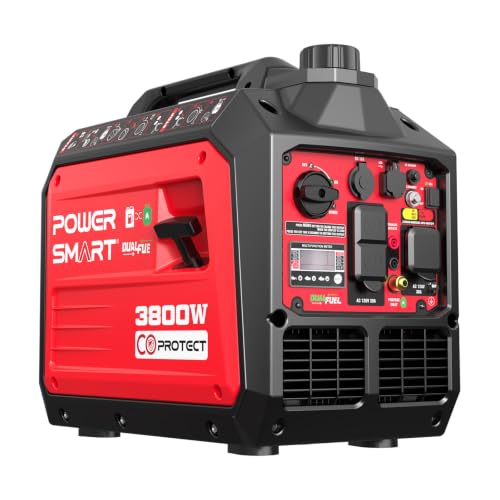
PowerSmart 3800 Watt Dual Fuel Inverter Generator Quiet Portable Gas Propane with CO Sensor RV Ready
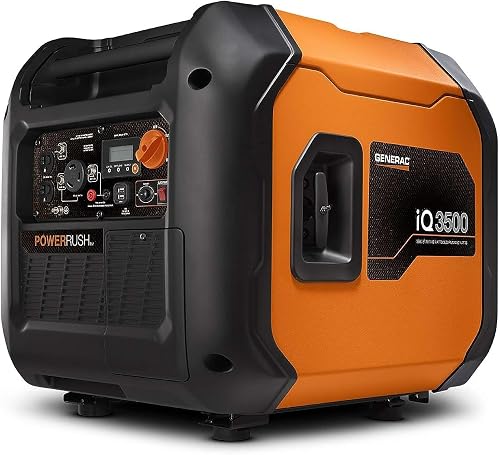
Generac iQ3500 3500W Portable Inverter Generator - Quiet, Lightweight, Electric Start, CARB Compliant for Camping & Jobsites
As an Amazon Associate we earn from qualifying purchases. Product prices and availability are accurate as of the date/time indicated.
Frequently Asked Questions
Will a quiet box void my generator warranty?
It may, if the manual forbids enclosures or requires clearances you do not meet. Read the manual’s warranty and clearance sections first, or ask the manufacturer in writing before you build.
Can I use the box on a wooden deck?
Not unless the manual allows it. Hot exhaust and a vibrating box can damage or ignite a deck. Set the box on a non-combustible base such as concrete pavers, with rubber isolation pads under it.
Can I use a generator quiet box in the rain?
Only if rain cannot reach the generator, outlets or control panel. A lid with a gasket and baffled vents helps keep water out, but the exhaust and intake openings must stay clear. Follow the manual’s weather guidance.
Is a cardboard or egg-crate box effective?
No. Cardboard and egg-crate foam are not dense enough to block sound, and they can burn near a hot engine or muffler. Use a heavy plywood shell with mass-loaded vinyl and mineral wool.
How much does a DIY quiet box cost?
It depends on local prices and your generator’s size. The main costs are plywood, mass-loaded vinyl, mineral wool and hardware, so price those at your supplier from the cut list before you start.
{“@context”: “https://schema.org”, “@type”: “FAQPage”, “mainEntity”: [{“@type”: “Question”, “name”: “Will a quiet box void my generator warranty?”, “acceptedAnswer”: {“@type”: “Answer”, “text”: “It may, if the manual forbids enclosures or requires clearances you do not meet. Read the manual’s warranty and clearance sections first, or ask the manufacturer in writing before you build.”}}, {“@type”: “Question”, “name”: “Can I use the box on a wooden deck?”, “acceptedAnswer”: {“@type”: “Answer”, “text”: “Not unless the manual allows it. Hot exhaust and a vibrating box can damage or ignite a deck. Set the box on a non-combustible base such as concrete pavers, with rubber isolation pads under it.”}}, {“@type”: “Question”, “name”: “Can I use a generator quiet box in the rain?”, “acceptedAnswer”: {“@type”: “Answer”, “text”: “Only if rain cannot reach the generator, outlets or control panel. A lid with a gasket and baffled vents helps keep water out, but the exhaust and intake openings must stay clear. Follow the manual’s weather guidance.”}}, {“@type”: “Question”, “name”: “Is a cardboard or egg-crate box effective?”, “acceptedAnswer”: {“@type”: “Answer”, “text”: “No. Cardboard and egg-crate foam are not dense enough to block sound, and they can burn near a hot engine or muffler. Use a heavy plywood shell with mass-loaded vinyl and mineral wool.”}}, {“@type”: “Question”, “name”: “How much does a DIY quiet box cost?”, “acceptedAnswer”: {“@type”: “Answer”, “text”: “It depends on local prices and your generator’s size. The main costs are plywood, mass-loaded vinyl, mineral wool and hardware, so price those at your supplier from the cut list before you start.”}}]}













