
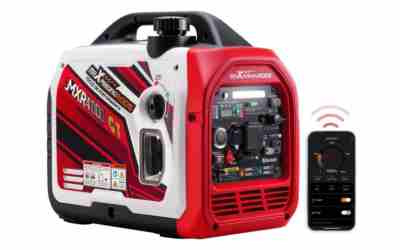
Can a Generator Run for 24 Hours? Yes, With Limits
You can run a generator for 24 hours if fuel and oil checks keep up. See fuel math at 50% load, safe refueling steps and when to shut it down.
We independently review everything we recommend. When you buy through our links, we may earn a commission. As an Amazon Associate we earn from qualifying purchases. Learn more ›
In-depth educational guides on generator and power station concepts, safety, and buying decisions.
You can run a generator for 24 hours if fuel and oil checks keep up. See fuel math at 50% load, safe refueling steps and when to shut it down.
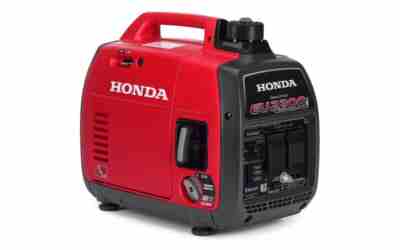
How much generator for whole home? Most houses need 14–26 kW. Add running watts, the largest motor's surge, then a 20–30% buffer to find your number.
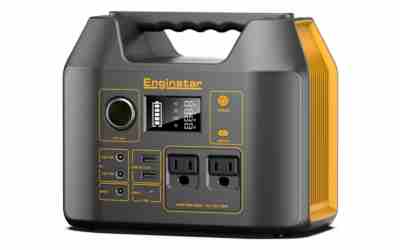
Solar energy storage time: a lithium battery holds charge for months, runs loads for hours to days, and lasts roughly 10 years before fading.
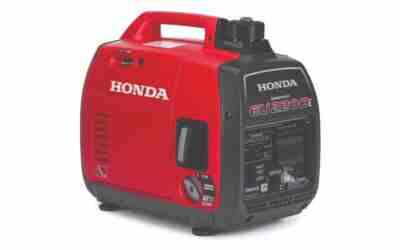
Why inverter generators are better: cleaner power for electronics, quieter running and less fuel at light loads, but a higher cost per watt and lower max output.
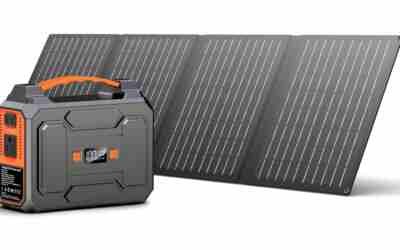
A 1/2 HP sump pump needs about 1,050 running watts and roughly 3,150 to start. See watts by horsepower, nameplate math, generator and battery sizing.
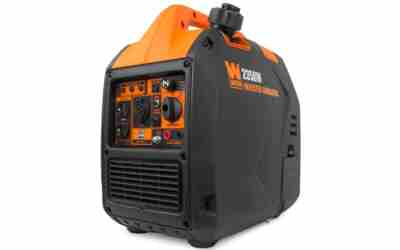
A 1200 watt generator can run lights, a laptop, TV, CPAP and a small fridge, but not central AC or a dryer; keep loads under 960 running watts.

A propane tank stored on its side is a hazard for standard cylinders: keep them upright so the relief valve sits in vapor, not liquid propane.

A full 30 lb propane tank holds about 7 gallons (30 lb) of propane, roughly 640,000 BTU, or about 32 hours on a 20,000 BTU/hr grill.
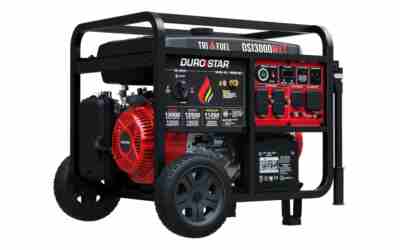
Whole house generators have inverters only in rare models; most use an alternator and regulator, so here is how to protect your electronics.
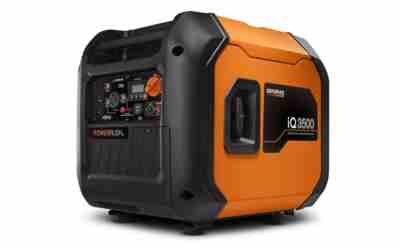
A generator quiet box is a vented, lined plywood enclosure with a separate exhaust path; build it with open airflow and expect 5 to 10 dB less noise.