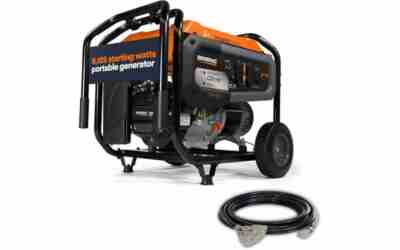
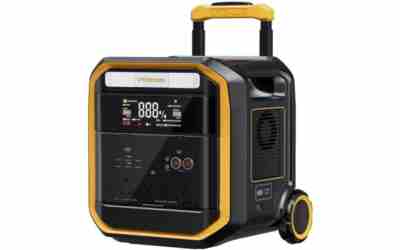
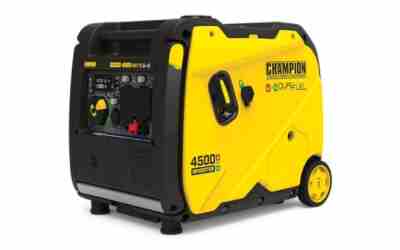
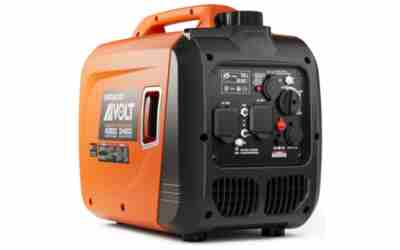
Our editorial team weighed Westinghouse's published specifications and how it stacks up against similar products in the generators category. What stands out: Exceptional Whole-Home Power, Multiple Easy-Start Options, and Fuel Flexibility, Cost Savings. Where it falls short: Heavy at 222 lbs and Noisy Open-Frame Design. That puts it at 8.7/10 on our WG Score – an excellent, well-rounded option.
 Reviewed byTristan
Looking for the best propane generator for house? Start with the Westinghouse WGen9500TFc EFI Tri-Fuel Generator. It delivers 8,500 running watts on propane, adds remote electric start, and has a transfer switch ready 50A outlet. If you want even more propane output, the WEN TF1450 reaches 10,300 running watts. We ranked every pick by what it produces on propane, because that is the number your tank actually delivers. For related options, see our best propane powered generator roundup.

Pros
- Exceptional power output handles whole-home loads including major appliances
- Multiple easy-start options including remote fob suit all users
- Fuel flexibility and efficiency reduce costs and storage needs
- Built-in safety features like CO sensor enhance peace of mind
- Durable construction praised for reliability in real outages
Cons
- Heavy at 222 pounds requires two people or equipment for frequent moves
- Noisy operation typical of powerful open-frame generators
- Power output decreases on propane or natural gas compared to gasoline
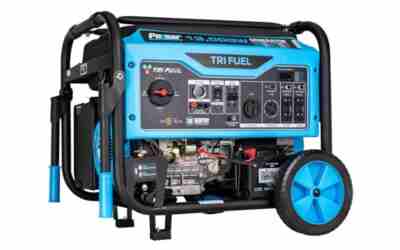
The Westinghouse WGen9500TFc EFI Tri-Fuel Generator is designed for homeowners, RV enthusiasts, and worksite pros needing robust backup power. With 12,500 peak watts on gasoline dropping to reliable levels on propane or natural gas, it powers air conditioners, refrigerators, sump pumps, and lights simultaneously via transfer switch-ready outlets. Ideal for frequent outage areas like wildfire zones or storm-prone regions, it offers flexibility without relying on a single fuel type.
Standout features include the 457cc EFI engine for effortless starts via push-button, remote fob, or recoil, eliminating carburetor hassles and boosting efficiency. Users report seamless performance running entire homes for days, with easy natural gas hookups near meters and propane as backup. The CO sensor auto-shuts down for safety, while GFCI outlets and VFT Data Center ensure safe, informed operation. Real-world tests confirm up to 15 hours runtime, making it a powerhouse for prolonged blackouts.
Build quality shines with a cast iron sleeve engine, never-flat wheels, and foldable handle for maneuverability despite the weight. Assembly is straightforward with included tools, and maintenance is simple via digital hour meter. Reviewers highlight quiet enough for garage use and vibration management, backed by strong customer service.
Drawbacks include the 222-pound heft limiting solo portability and louder noise levels expected from open-frame designs. Power derates on alternative fuels, so plan accordingly for peak demands. Overall, its reliability, safety, and versatility earn top marks for serious backup needs.
Verdict: A top choice for comprehensive home protection, especially with tri-fuel convenience and EFI innovation. Buy if you prioritize uninterrupted power over lightweight portability.
Power Output: 12,500 peak / 9,500 running watts (gasoline); lower on propane/NG
Fuel Type: Tri-Fuel (Gasoline, Propane, Natural Gas); 6.6-gallon tank, up to 15 hours runtime
Engine: 457cc 4-Stroke OHV EFI with cast iron sleeve
Outlets: 120/240V 14-50R 50A, L14-30R 30A, two GFCI 120V 5-20R duplex
Features: Remote/Electric Start, CO Sensor, Fuel Gauge, Hour Meter, Wheels/Handle, CARB Compliant
Dimensions/Weight: 27.3 x 20.6 x 22.6 inches; 222 lbs
For whole-home backup, pair with a transfer switch and electrician install. Use natural gas for longest runtime if plumbed; propane for portability. Gasoline suits emergencies with stabilizer. Exercise monthly, change oil after break-in, and keep battery charger plugged in.
Best for 4,000+ sq ft homes or RVs needing 50A service. Not ideal for ultra-quiet needs or solo frequent transport. Compare derated watts for your loads: AC, fridge, lights typically covered.
Accessories like longer NG hoses or enclosures recommended for noise/vibration reduction.

Pros
- Immense 13,000-watt power handles most household essentials
- Dual fuel capability offers versatility and cost savings
- Advanced safety features like CO Alert and surge protection
- Electric start and intuitive controls for easy operation
- Wheel kit and handles enhance portability despite size
Cons
- Weighs 245 pounds, needing multiple people for transport
- Whole-home setup requires a licensed electrician
- Gas tank capacity limits runtime without refueling
The DuroMax XP13000HX is a powerhouse portable generator designed for homeowners, RV owners, and emergency preparedness enthusiasts needing robust backup power. With 13,000 peak watts and 10,500 running watts from its 500cc OHV engine, it can handle central A/C, refrigerators, lights, and more during outages, making it ideal for whole-home or RV use.
Standout features include dual fuel operation on gasoline or propane for flexibility propane burns cleaner with a longer shelf life and the CO Alert system that automatically shuts down if carbon monoxide builds up. The electric push-button start simplifies use, while the power panel offers GFCI outlets, twist-locks, and a 50A transfer switch-ready outlet for professional integration. Real-world performance shines in extended runtime up to 8.5 hours on gas at half load.
Build quality impresses with all-copper windings for durability, steel construction, and included wheel/handle kit for mobility. The digital display and front-facing controls make monitoring and fuel switching straightforward. However, its 245-pound weight demands teamwork for moving, and full home setup needs a licensed electrician.
Minor drawbacks like the modest gas tank do not overshadow its value. Overall, the XP13000HX earns high marks for power, safety, and versatility, delivering stationary-level performance in a portable package. Highly recommended for reliable emergency power.
Power: 13,000 starting watts, 10,500 running watts
Fuel: Dual fuel - Gasoline/Propane
Engine: 500cc OHV, 4-stroke, electric start
Runtime: 8.5 hours at 50% load on gasoline
Outlets: 4 GFCI 120V, 120V 30A, 120/240V 30A twist-lock, 120/240V 50A
Dimensions: 30 x 29 x 26 inches; Weight: 245 lbs
Warranty: 5 years

Pros
- Starts reliably via remote, push-button, or pull cord even under load
- Exceptionally quiet and fuel-efficient compared to traditional generators
- Superior clean power reduces appliance strain, as shown in user tests
- Easy assembly with included tools, oil, and battery charger
- Durable 457cc engine with cast iron sleeve for long-term reliability
Cons
- Some units arrive with cosmetic shipping damage like scratches or gouges
- Propane hose connection can loosen and require monitoring
- Enclosed design harder to cover or secure outdoors than open-frame models
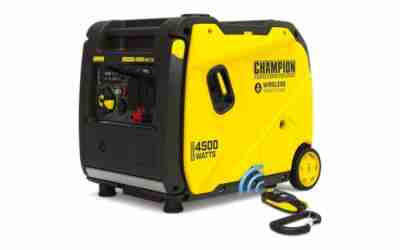
The Westinghouse iGen11000TFc stands out as a powerful tri-fuel inverter generator designed for homeowners, RVers, and jobsites needing robust backup power. With 11,000 peak watts on gasoline dropping to 8,800 on natural gas, it handles major appliances like air conditioners, refrigerators, and sump pumps while delivering clean sine wave power safe for sensitive electronics thanks to under 3% THD.
Standout features include remote start, transfer switch-ready 50A and 30A outlets, and a CO sensor for automatic shutdown in dangerous conditions. Users rave about its quiet 64 dBA operation, easy starts across all fuel types, and fuel efficiency from inverter tech that adjusts engine speed. Real-world tests confirm stable voltage and frequency, reducing motor heat in pumps compared to non-inverter models, with up to 19 hours runtime on a 7.9-gallon tank.
Build quality shines with a heavy-duty 457cc OHV engine, never-flat wheels, foldable handle, and LED data center for monitoring. Assembly takes minutes using included high-quality tools, though some report minor shipping dings. The enclosed design muffles noise but limits easy covering versus open frames.
Drawbacks are few: propane connections may need tightening, and cosmetics can arrive imperfect. Overall, this generator excels for reliable, versatile power. Verdict: Highly recommended for anyone prioritizing clean, quiet, multi-fuel backup over basic generators.
Power Output: 11,000 peak / 9,000 running watts (gas); lower on propane/NG
Fuel Type: Tri-fuel (Gasoline, Propane, Natural Gas)
Runtime: Up to 19 hours at 50% load
Outlets: 50A 14-50R, 30A L14-30R, GFCI 20A duplex
Noise Level: 64 dBA
Weight/Dimensions: 191 lbs; 30.2 x 25.2 x 26.6 inches
Warranty: 3-Year Limited
Owners praise the straightforward setup, immediate starts via remote or pull cord, and whisper-quiet performance even under half load. One user noted perfect sine wave output slashing pool pump amps by 1.3 versus traditional generators.
Tri-fuel upgrade thrilled buyers, with easy propane runs and included accessories like oil funnel and battery charger. Well-built with useful manual details on maintenance.
Minor notes: Watch propane hose fittings; some shipping scratches reported but don't impact function.

Pros
- Exceptional power output across three fuels for flexible use
- Clean sine wave power ideal for electronics
- Quiet operation and fuel efficiency outperform traditional generators
- User-friendly remote start and digital display
- Durable copper windings and cast iron sleeve for longevity
Cons
- Weighs 134.5 pounds, requiring two people for easy transport
- Large dimensions limit storage in tight spaces
- Natural gas hookup needs professional installation
The Westinghouse iGen8200TFc stands out as a premium tri-fuel inverter generator designed for homeowners seeking robust backup power, RV campers wanting reliable off-grid energy, and jobsite pros needing clean, quiet electricity. With 8200 peak watts on gasoline dropping efficiently on propane or natural gas, it powers major appliances like air conditioners and refrigerators simultaneously via its transfer switch-ready 50A outlet.
Key features shine in real-world scenarios: inverter technology delivers less than 3% THD for safe operation of sensitive devices, while the 298cc OHV engine with copper windings runs cooler and lasts longer. Expect up to 17 hours at 25% load, remote start from up to 100 feet, and a CO sensor that auto-shuts down for safety. The RV-ready TT-30R outlet and GFCI duplex make it versatile for travel or emergencies.
Build quality impresses with a fully enclosed design, never-flat wheels, and a folding handle for portability despite its 134.5-pound heft. The LED data center tracks voltage, frequency, and hours, aiding maintenance. While heavy for solo handling and bulky for small storage, its durability and 3-year warranty justify the investment.
Minor drawbacks include the weight and need for natural gas plumbing, but benefits like fuel savings, low noise, and electronic safety make it superior. Verdict: Top choice for those prioritizing power reliability and versatility over ultralight portability.
Power: 8200 peak / 6600 running watts (gas); Voltage: 120/240V; Frequency: 60 Hz
Fuel: Tri-fuel (Gasoline 3.9 gal, Propane, Natural Gas); Runtime: Up to 17 hours at 25% load
Engine: 298cc 4-Stroke OHV with cast iron sleeve; Start: Electric/Remote
Outlets: 14-50R 50A, TT-30R 30A RV, GFCI 5-20R Duplex; Features: CO Sensor, Low Oil Shutdown, Digital Display
Dimensions: 27 x 20.9 x 21.7 inches; Weight: 134.5 lbs; Warranty: 3 Years Limited

Pros
- Delivers massive 13,000 peak / 10,500 running watts for heavy loads like AC
- Versatile tri-fuel system praised for reliability across fuels
- Push-button remote start works flawlessly per customer tests
- Includes safety features like CO Alert and GFCI outlets
- Powers full homes effortlessly, as verified by users with multiple appliances
Cons
- Operates at a high noise level, noticeable during use
- Heavy build requires hand truck or assistance for moving
- Needs initial oil fill and professional setup for whole-home use
The DuroStar DS13000MXT is a powerhouse tri-fuel portable generator designed for homeowners, RV enthusiasts, and anyone needing robust emergency power. With 13,000 peak watts and 10,500 running watts from its 500cc OHV engine, it handles whole-home essentials like central AC, refrigerators, lights, and more, making it perfect for blackouts, storms, or off-grid adventures.
Standout features include tri-fuel capability for gasoline, propane, or natural gas, offering fuel flexibility and extended runtime - up to 13 hours on gas or unlimited on natural gas. Customers rave about its performance, powering entire homes with minimal strain even under heavy loads like dual AC units and appliances. The remote electric start, fully loaded power panel with 50A transfer switch outlet, and CO Alert for fume detection ensure safe, convenient operation.
Build quality shines with a steel frame, wheel kit, and included accessories like a natural gas hose and propane regulator. Assembly is quick, and it starts instantly, as noted in reviews. The 3-year warranty adds peace of mind for long-term reliability.
Drawbacks include a loud operation typical of high-wattage generators and its hefty weight, which may need extra help to maneuver despite wheels. Professional electrician setup is recommended for whole-home integration.
Overall, the DS13000MXT excels as a versatile, powerful backup solution. If you prioritize fuel options and home protection, this generator delivers exceptional value and performance.
Power: 13,000 starting watts / 10,500 running watts, 240V, 60Hz
Fuel: Gasoline (8.3 gal tank), Propane, Natural Gas
Engine: 500cc 4-Stroke OHV, Electric/Recoil Start
Runtime: Up to 13 hours at 50% load on gasoline
Outlets: 4 total, including 50A transfer switch-ready
Dimensions: 30.5 x 27.3 x 26 inches, Portable with wheels
Warranty: 3 Years
Our Top Picks for 2026
Best Overall: Westinghouse WGen9500TFc EFI Tri-Fuel Generator: 12,500 Peak Watts, Remote Start, Home Backup Ready, CARB Compliant
The WGen9500TFc earns Best Overall because it pairs solid propane output with house-ready features. It makes 8,500 running and 11,200 peak watts on propane, and 9,500 running watts on gasoline. The 457cc EFI engine starts without a choke, and a CO sensor plus low oil shutdown add safety. Both the 14-50R 50A and L14-30R 30A outlets are transfer switch ready, and a 3-year limited warranty backs it.
Skip this if: you need more than 8,500 running watts on propane, since the WEN TF1450 lists 10,300.
View on Amazon.comBest Dual Fuel: DuroMax XP13000HX 13,000-Watt Dual Fuel Portable Generator – Electric Start, Whole Home Backup, RV Ready
The XP13000HX is the choice when you only need gasoline and propane. It is rated at 13,000 watts and uses a 500cc OHV engine with all copper windings. A front-facing interface switches fuel type in seconds, and the panel includes four 120V GFCI outlets, a 120V 30A outlet, a 120/240V 30A twist-lock and a transfer switch ready 50A outlet. CO Alert is built in. If your plan centers on 30A hookups, our best 30 amp dual fuel generator list is worth a look.
Skip this if: you want a natural gas hookup option, because this model runs on gasoline and propane only.
View on Amazon.comBest Inverter: Westinghouse iGen11000TFc 11000 Peak Watt Tri-Fuel Inverter Generator with Remote Start, CO Sensor, Transfer Switch Ready
If your home is full of electronics, the iGen11000TFc is the cleanest option here. It produces 11,000 peak and 9,000 running watts at less than 3% THD, and inverter technology adjusts engine speed to demand to cut fuel use. The listing cites up to 19 hours of run time on a 7.9 gallon tank. An LED data center shows fuel level and remaining run time, and a key fob handles remote start.
Skip this if: you want maximum wattage, since its 9,000 running watts trail the 13,000-watt and WEN units.
View on Amazon.comMost Propane Power: WEN TF1450 14500W Tri-Fuel Generator: Electric Start, Wheel Kit, 120V/240V Transfer Switch Ready
The TF1450 has the highest propane rating in this group: 12,500 surge and 10,300 running watts. On gasoline it reaches 14,500 surge and 11,500 running watts, and on natural gas 10,500 and 8,750. The 500cc OHV engine feeds an 8.2 gallon tank rated for up to 12 hours at half load. You get four 120V outlets, L14-30R and 14-50R transfer switch ready outlets, a 12V DC outlet and a wheel kit.
Skip this if: you want remote start, because the listing describes key-turn electric start.
View on Amazon.comBest Smaller Inverter: Westinghouse iGen8200TFc 8200W Tri-Fuel Inverter Generator – Remote Start, CO Sensor, Home Backup Ready
The iGen8200TFc suits a smaller home or a focused list of essential circuits. It makes 8,200 peak and 6,600 running watts on gasoline at less than 3% THD, and its 50A outlet can run an air conditioner, refrigerator and sump pump together. A 298cc engine and 3.9 gallon tank deliver up to 17 hours at 25% load, and a TT-30R 30A outlet covers RV use.
Skip this if: you plan to run a large home load, since 6,600 running watts is the lowest rating in this lineup.
View on Amazon.comBest for Peak Capacity: DuroStar DS13000MXT 13,000W Tri-Fuel Portable Generator – Gas, Propane, Natural Gas, Remote Start, Whole Home Backup
The DS13000MXT offers 13,000 peak watts on a rugged 500cc OHV engine and runs on gasoline, propane or natural gas. A fuel selection knob changes fuels, the panel includes a transfer switch ready 50A outlet, and CO Alert shuts the unit down automatically when harmful fumes are detected. It is a strong fit if you want tri-fuel flexibility and a large surge reserve for whole-home backup.
Skip this if: you want a published running watt figure per fuel, because the data lists only the 13,000 peak rating. For more tank-fed options, browse our best propane backup generator picks.
View on Amazon.comQuick Comparison: Side by Side

- – Exceptional Whole-Home Power.
- – Multiple Easy-Start Options.
- – Fuel Flexibility, Cost Savings.
- – 13,000W Power Output.
- – Dual Fuel Flexibility.
- – CO Alert & Surge Protection.
- – Multiple Reliable Start Methods.
- – Exceptionally Quiet, Fuel-Efficient.
- – Clean Power, Reduces Appliance Strain.
- – Versatile Tri-Fuel Performance.
- – Solid Build, Easy Assembly.
- – Transfer-Switch Ready Outlets.
- – Tri-Fuel Flexibility.
- – Clean Sine Wave Power.
- – Quiet, Fuel-Efficient.
- – 13,000 Peak / 10,500 Running Watts.
- – Tri-Fuel Reliability.
- – Push-Button Remote Start.
- – Heavy at 222 lbs.
- – Noisy Open-Frame Design.
- – Lower Power on Propane/Natural Gas.
- – Heavy at 245 lbs.
- – Needs Licensed Electrician.
- – Limited Tank Runtime.
- – Occasional Cosmetic Shipping Damage.
- – Propane Connection May Loosen.
- – Harder to Cover/Secure Outdoors.
- – Handles May Fold If Lifted Too High.
- – Rare Faulty Battery Reports.
- – Breaker May Limit Below Advertised Watts.
- – Heavy at 134.5 lbs.
- – Large, Limited Storage Fit.
- – Needs Professional NG Install.
- – High Noise Level.
- – Heavy, Needs Hand Truck.
- – Needs Initial Oil Fill & Pro Setup.
Buying Guide for 2026
Size Against Propane Running Watts
Headline wattage is usually the gasoline or peak number. Propane output is lower, and the data shows by how much. The Westinghouse WGen9500TFc drops from 9,500 running watts on gasoline to 8,500 on propane, a loss of 1,000 watts, or about 10.5%. The WEN TF1450 drops from 11,500 to 10,300, a loss of 1,200 watts, or about 10.4%. Natural gas costs more: the Westinghouse falls to 7,500 (about 21% below gasoline) and the WEN to 8,750 (about 24% below). Peak watts only cover the brief startup surge of motors, so add up your running loads and compare them with the propane running figure.
Tri-Fuel or Dual Fuel
Four of the six picks are tri-fuel, meaning they also accept natural gas. That helps if your house has a gas line, since you could skip tank swaps during a long outage. The DuroMax XP13000HX is gasoline and propane only, but DuroMax notes propane is clean-burning with a long shelf life. Brand support also matters for parts and warranty, so our best propane generator brand guide can help you compare.
Outlets and Transfer Switch Readiness
For house backup, the outlet that matters most is the 120/240V 50A receptacle, and every pick here lists a transfer switch ready 50A outlet. The Westinghouse iGen models also describe themselves as interlock kit ready. A 30A twist-lock outlet is a useful second option for RV use or a smaller inlet. Have a licensed electrician install the switch or interlock so your generator never backfeeds the grid.
Runtime and Fuel Use
Listed runtimes depend on load, so compare them carefully. The WEN’s 8.2 gallon tank at half load for up to 12 hours works out to roughly 0.68 gallons per hour. The iGen8200TFc’s 3.9 gallon tank at 25% load for up to 17 hours is about 0.23 gallons per hour. The loads differ, so these are not a head-to-head result, but they show why inverter models with throttled engines stretch fuel further when your demand is light.
Why Trust Our Reviews
We build these rankings from manufacturer specifications, fuel-specific power ratings, outlet layouts and aggregated owner feedback, not from hands-on testing. We compare propane running watts, safety features, runtime claims and home backup readiness, and we only state what the product data supports.
Frequently Asked Questions
Can a portable propane generator power a whole house?
It depends on your loads. Through a transfer switch or interlock kit on the 50A outlet, the Westinghouse WGen9500TFc can supply 8,500 running watts on propane and the WEN TF1450 10,300. Most homes manage by rotating big loads such as central AC, a range and a dryer rather than running them all at once.
Is an inverter generator better for home electronics?
The Westinghouse iGen11000TFc and iGen8200TFc list less than 3% THD, which the manufacturer says is safe for computers, phones and TVs. Conventional models like the WEN and DuroMax do not publish a THD figure in the data. If low noise also matters to you, our best silent Honda generator roundup covers quieter inverter options.
Do these generators have carbon monoxide protection?
The Westinghouse listings mention a CO sensor, and the DuroMax and DuroStar listings mention CO Alert, which shuts the generator down when harmful fumes are detected. The WEN listing does not mention CO protection. Either way, run any generator outdoors and well away from windows, doors and vents.
Do I need a transfer switch or an interlock kit?
You need one or the other to feed your panel safely. The iGen models list both options, while the other picks describe themselves as transfer switch ready. A transfer switch gives you dedicated circuits, and an interlock kit lets you choose breakers manually. A licensed electrician should handle either installation.