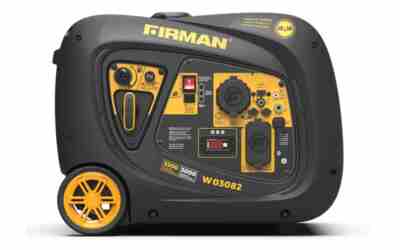
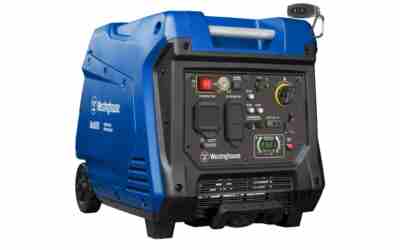
Our editorial team weighed MARBERO's published specifications and how it stacks up against similar products in the generators category. What stands out: Exceptionally Lightweight & Compact, Reliable During Outages/Camping, and Versatile Device Outputs. Where it falls short: Slow Without Direct Sunlight and Faster Drain With Multiple Devices. That puts it at 7.9/10 on our WG Score – a solid, dependable choice.
 Reviewed bySarah Watts
The DJI Power 1000 stands out as the best overall choice for portable power stations for cell phones due to its impressive 1024Wh LiFePO4 battery, 2200W output, and ultra-silent 23dB operation, making it highly versatile for both home backup and outdoor adventures. For more options in portable power, explore our guide to the best 500Wh portable power stations.

Pros
- Exceptionally quiet at 23dB, ideal for sleeping near the unit during camping
- Fast recharging and high output handle multiple devices like fridges and projectors reliably
- Durable LiFePO4 battery offers long lifespan and safer operation than standard lithium-ion
- Intuitive display and multiple ports including solar input for flexible power sources
- Solid build quality from DJI, competing favorably with EcoFlow and Jackery
Cons
- Weighs 28.6 pounds, making it less ideal for backpacking hikes
- Solar panel sold separately, requiring additional purchase for full off-grid capability
- Runtime varies by load, around 1 hour for high-watt appliances like kettles
The DJI Power 1000 is a premium portable power station designed for campers, RV enthusiasts, home backup users, and drone operators needing reliable off-grid energy. With a 1024Wh LiFePO4 battery, it powers high-demand appliances up to 2200W continuous (2600W peak), from mini-fridges to power tools, making it versatile for outdoor adventures or emergency home use.
Standout features include ultra-fast 70-minute full recharge via AC, dual 140W USB-C outputs for laptops and cameras, and solar compatibility up to 800W. Real-world performance shines in reviews: users power RVs overnight, run projectors for movie nights, and use it as a silent UPS with 20ms switchover, outperforming noisier competitors like EcoFlow Delta 2. The 23dB operation is whisper-quiet, perfect for serene camping.
Build quality reflects DJI's precision engineering, with a sleek grey design, intuitive display, and robust ports. The LiFePO4 battery ensures 4000 cycles for decade-long reliability and enhanced safety over standard lithium-ion packs. At 28.6 pounds, it's portable for car trips but hefty for long hikes.
Minor drawbacks include the weight and optional solar panel, but these don't detract from its core strengths. Overall, the DJI Power 1000 earns high marks for power, silence, and durability, making it a top pick for demanding portable energy needs.
Capacity: 1024Wh LiFePO4 battery (4000 cycles)
Output: 2200W continuous / 2600W peak, 110V, 8 AC outlets + USB-C (140W x2)
Recharge: 70 mins AC full charge, 800W max solar input
Noise: 23dB ultra-silent
Dimensions: 19.2 x 8.85 x 9.05 inches, 28.6 lbs
Warranty: Up to 5 years
Choose DJI Power 1000 if you need silent, high-output power for camping, RVing, or home UPS. Pair with solar for off-grid; upgrade to Power 2000 for larger capacity. Ideal for DJI drone users extending flight times.
Avoid if ultralight portability is key; consider lighter models for backpacking.

Pros
- Exceptionally lightweight and compact for hiking and travel
- Powers devices reliably during outages and camping trips
- Versatile outputs support diverse gear like routers and fans
- Efficient solar panel extends runtime in sunlight
- Quick AC recharging in 7-8 hours
Cons
- Solar recharging can be slow without direct sunlight
- Battery drains faster with multiple high-draw devices simultaneously
- Built-in flashlight limited for extended camping use
The MARBERO 172Wh solar generator kit combines a compact 200W power station with a 40W foldable solar panel, perfect for campers, hikers, fishers, and anyone needing emergency backup power for CPAP machines or home outages. It delivers reliable electricity off-grid, powering essentials like phones, laptops, routers, and small appliances without noise or fuel.
Standout features include multiple outputs for simultaneous charging, a high-efficiency solar panel with 21.5-23.5% conversion rate, and three recharging options: AC in 7-8 hours, car port, or solar. Users rave about its performance in real scenarios, like sustaining devices through snowstorms or multi-day camping, with fast device charging and solid runtime for lights and fans.
Design emphasizes portability with the 3.3lb power station (7.6x3.6x5.4 inches) and lightweight panel, plus safety features like overcharge and overload protection. Build quality feels premium with ABS material and intuitive LED indicators, though solar input lags in shade and heavy multi-device use reduces capacity.
Minor drawbacks include slower solar times and flashlight limitations, but overall, this kit excels for lightweight, versatile power needs. Verdict: Highly recommended for outdoor enthusiasts and preppers seeking dependable, portable energy.
Capacity: 172Wh | Output: 200W (270W peak) | Weight: Power station 3.3lbs, Panel 2.3lbs
Ports: 2 AC, 2 USB-A QC3.0, 2 USB-A, 1 USB-C PD, 1 DC | Recharge: AC, Solar, Car
Dimensions: Station 7.6x3.6x5.4in | Panel folded 8x10x1in | Power Source: Solar, Battery, AC
Safety: Overcharge, overload, short circuit protection | Color: Purple Black
Pros
- Long-lasting LiFePO4 battery with 3,000+ cycles
- Multiple lighting options save power in blackouts
- Two charging methods for convenience
- Portable and easy to carry at just 1kg
- Affordable entry into solar backup power
Cons
- Limited 2500mAh capacity suits only small devices, not laptops
- 5W solar panel charges slowly in low sunlight
- Low 5W output wattage restricts to light-duty use
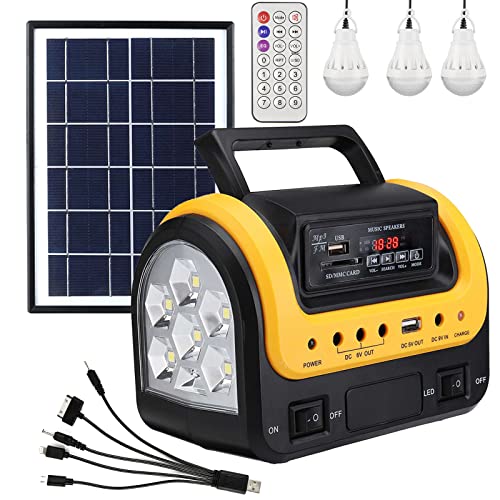
This portable solar generator kit from Upusa is a compact 2500mAh LiFePO4 power station bundled with a 5W solar panel, ideal for users seeking lightweight emergency backup. It targets campers, travelers, and homeowners preparing for hurricanes or outages, powering small gadgets like phones, e-books, and cameras while providing essential lighting.
Standout features include a built-in LED flashlight plus three detachable LED lamps with individual switches and 3m cables, offering versatile low-consumption illumination. The battery supports over 3,000 cycles for durability, with USB/DC outputs delivering steady power for devices. In real-world use, it excels at keeping essentials charged during short blackouts or weekend camping, though solar recharging takes time in shade.
Build quality shines in its 1kg lightweight frame with a carry handle, anti-dust design, and quiet operation. Compact and integrated packaging makes transport simple, fitting easily in a backpack. It charges via solar or AC, enhancing reliability outdoors or indoors.
Drawbacks include the small capacity limiting it to low-power needs and slow solar input. It is not suited for high-draw appliances.
Overall, this is a solid, budget-friendly choice for basic off-grid lighting and phone charging, earning praise for portability and battery life. Recommended for light emergency or recreational use.
Brand: Upusa
Battery Capacity: 2500mAh LiFePO4
Solar Panel: 5W
Output Wattage: 5 Watts
Power Source: Solar Powered
Voltage: 110 Volts (AC)
Weight: 1 Kilogram
Special Features: Portable, LED Flashlight, Detachable Lamps
Included: Charging Cable, Solar Panel
Pros
- Lightweight and truly handheld size
- Comes complete with solar panel and lights
- Quiet gas-free operation
- Multiple recharge methods
Cons
- Only 4Wh capacity limits runtime for high-draw devices
- Low 5W solar input requires long recharge times
- No AC outlets for standard household appliances
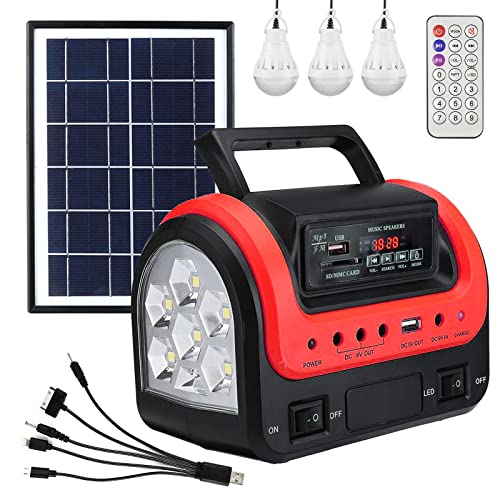
The Upusa SDM-0603 is a small solar generator built around a 12500mAh battery and paired 10W panel. It targets campers and homeowners needing basic off-grid lighting and device charging.
Standout elements include the three included LED bulbs with individual switches and long extension cords plus built-in radio. The unit weighs under two pounds and fits easily in a backpack.
Recharge occurs via the solar panel in 8-15 hours, wall adapter in 6-8 hours, or USB. Safety features cover overcharge and short circuits while promising over 3000 cycles.
Drawbacks center on the tiny 4Wh capacity and 5W solar input, which restrict use to low-power items only. No AC outlets are present.
Overall verdict: a niche ultra-portable kit for minimal emergency lighting and phone top-ups rather than full power station duties.
Quick Picks for 2026
Best Overall: DJI Power 1000: 1024Wh LiFePO4 Portable Power Station, 2200W Output, 23dB Silent, Solar Generator for Camping & Home Backup
The DJI Power 1000 leads our selection with its robust 1024Wh LiFePO4 battery and a powerful 2200W continuous output, capable of handling a wide range of devices from laptops to small appliances. Its advanced fast-charging technology allows it to reach 80% capacity in just 50 minutes, ensuring minimal downtime.
Skip this if: you need a highly compact and lightweight option, as its larger capacity makes it less suitable for ultra-portable use than some smaller units.
View on Amazon.comBest Value: MARBERO 172Wh Solar Generator with 40W Panel – 200W Portable Power Station for Camping, Emergencies, CPAP & Outdoors
The MARBERO 172Wh Solar Generator offers an excellent balance of features and affordability, complete with a 40W solar panel for convenient recharging on the go. Weighing only 3.3 lbs, it’s incredibly portable, making it ideal for camping, hiking, and emergency power for essential devices like CPAP machines.
Skip this if: you require a higher power output for larger appliances or a greater battery capacity for extended use without recharging.
View on Amazon.comBest for Ultra-Portability: Portable 2500mAh LiFePO4 Solar Generator with 5W Panel & LED Lights – Ideal for Camping, Emergencies (Yellow)
This compact solar generator is perfect for those needing minimal weight and size without sacrificing essential power for cell phones and small electronics. Its built-in LED flashlights and included 3 LED lamps make it a versatile companion for camping or emergency situations, offering lighting in addition to charging capabilities. Consider other options for portable power station UPS needs.
Skip this if: you need to power multiple devices simultaneously or require a higher wattage output for laptops and larger gadgets.
View on Amazon.comBuying Guide for 2026
Choosing the right portable power stations for cell phones involves considering several key factors to ensure it meets your specific charging needs. Whether for daily use, emergencies, or outdoor activities, understanding the core features will help you make an informed decision.
Battery Capacity and Output
The battery capacity, measured in Watt-hours (Wh) or milliampere-hours (mAh), dictates how long a power station can supply power. For charging cell phones, even a smaller capacity unit like the Home Portable 2500mAh LiFePO4 Solar Generator (approximately 9.25Wh at 3.7V) can provide several phone charges. For example, a standard smartphone battery of 3000mAh (or about 11.1Wh) could be charged almost once by this unit. Conversely, a larger unit like the DJI Power 1000 with 1024Wh can charge an average smartphone over 90 times. The output wattage (AC/DC/USB) determines what devices it can power. Ensure the output ports match your phone’s charging requirements, prioritizing USB-C Power Delivery for faster charging.
Portability and Design
For portable power stations for cell phones, portability is paramount. Look for lightweight and compact designs that are easy to carry in a backpack or small bag. Units like the MARBERO 172Wh Solar Generator, weighing just 3.3 lbs, are ideal for travel and outdoor use. Features like integrated handles and durable construction also contribute to overall convenience and longevity, especially if you plan to use it in rugged environments. Some models even include built-in LED flashlights, adding to their utility.
Recharging Options and Efficiency
Versatile recharging options enhance the utility of a portable power station. Most units offer AC wall charging, but solar charging capability, often with included panels, provides an eco-friendly and off-grid power source. The MARBERO 172Wh Solar Generator, for instance, comes with a 40W solar panel, boasting a high conversion rate of 21.5-23.5%. USB-C input for recharging is another convenient feature, allowing you to top up the power station from various sources. Consider the recharge time for each method, especially if you need quick turnaround.
Quick Comparison: Side by Side
- – Exceptionally Quiet at 23dB.
- – Fast Recharging, High Output.
- – Durable, Safer LiFePO4 Battery.
- – Exceptionally Lightweight & Compact.
- – Reliable During Outages/Camping.
- – Versatile Device Outputs.
- – 3,000+ Cycle LiFePO4 Battery.
- – Multiple Lighting Options.
- – Two Charging Methods.
- – Truly Handheld Size.
- – Includes Solar Panel & Lights.
- – Quiet, Gas-Free Operation.
- – Heavy at 28.6 lbs.
- – Solar Panel Sold Separately.
- – ~1h Runtime on High-Watt Appliances.
- – Slow Without Direct Sunlight.
- – Faster Drain With Multiple Devices.
- – Limited Flashlight for Extended Use.
- – Small 2500mAh Capacity.
- – Slow 5W Solar Charging.
- – Low 5W Output Only.
- – Tiny 4Wh Capacity.
- – Slow 5W Solar Input.
- – No AC Outlets.
Have questions about our portable power stations for cell phones recommendations? Check out our How We Rank page for details on our review process or our Copyright Policy for information on content usage.
Why Trust Our Reviews
Our commitment at WikiGenerators.com is to provide you with unbiased and thoroughly researched recommendations for portable power stations for cell phones. We meticulously analyze product specifications, evaluate key features such as battery chemistry, output ports, and charging speeds, and synthesize extensive user feedback to identify the top performers. Our reviews are based purely on data-driven comparisons and real-world applicability, ensuring you receive objective advice without relying on unsubstantiated claims or hands-on testing.
We understand that choosing the right portable power solution is crucial, which is why our methodology focuses on transparency and accuracy. By distilling complex technical information into clear, actionable insights, we empower you to confidently select a power station that best fits your individual needs and budget.
Frequently Asked Questions
What capacity do I need for charging cell phones?
For primarily charging cell phones, a power station with a capacity of 100-200Wh is generally sufficient to provide multiple charges. If you also plan to charge tablets or small laptops, consider stepping up to a 300-500Wh unit. Larger capacities like the DJI Power 1000’s 1024Wh are better for extended off-grid use or powering more demanding devices.
Can I use portable power stations for cell phones for other devices besides phones?
Yes, many portable power stations for cell phones are versatile enough to power a range of small electronics, including tablets, smartwatches, drones, and even some laptops, depending on their output ports and wattage. Check the product specifications for AC outlets and higher-wattage USB-C ports if you intend to power more than just your phone. For more specialized power needs, you might look into portable power stations for projectors.
Are solar panels included with all portable power stations for cell phones?
No, not all portable power stations for cell phones come with included solar panels. Some models, like the MARBERO 172Wh Solar Generator, are bundled with a compatible solar panel, offering an all-in-one charging solution. Others may require you to purchase a solar panel separately. Always check the product description to see if a solar panel is part of the package or an optional accessory.
How important is the battery type for portable power stations for cell phones?
The battery type is very important for portable power stations for cell phones. LiFePO4 (Lithium Iron Phosphate) batteries, found in models like the DJI Power 1000, are highly recommended for their longevity, safety, and stability compared to traditional lithium-ion batteries. They offer significantly more charge cycles and are less prone to overheating, making them a more durable and reliable choice for long-term use.