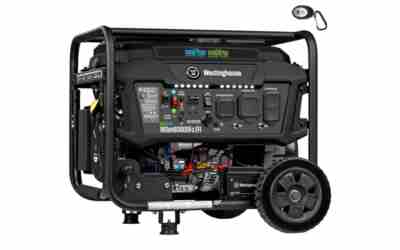
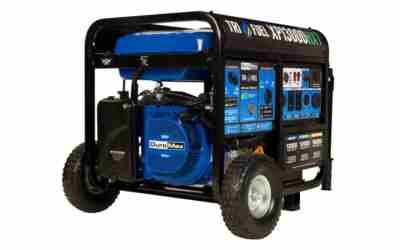
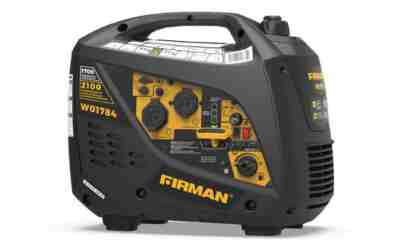
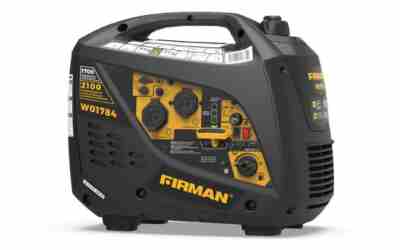
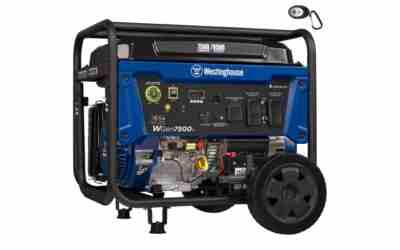
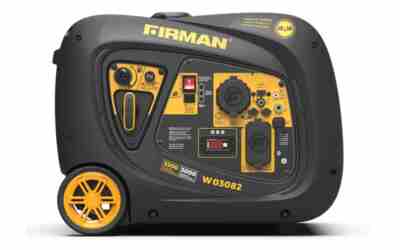
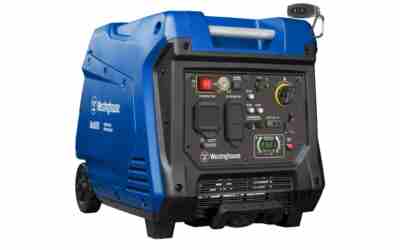
Our editorial team weighed Westinghouse's published specifications and how it stacks up against similar products in the generators category. What stands out: Extremely Quiet at 52dBA, RV-Ready & USB Outlets, and Dual Fuel Flexibility. Where it falls short: Heavy at 62.8 lbs and Minor Residual Oil Odor. That puts it at 8.4/10 on our WG Score – an excellent, well-rounded option.
 Reviewed bySarah Watts
When selecting a portable generator for travel, the most crucial specification to consider is its running wattage. This metric directly impacts what appliances and devices you can power simultaneously, and it matters more than brand loyalty or initial price point. Understanding your power needs for camping, RV trips, or tailgating events is key to choosing a generator that won’t leave you in the dark. For instance, a small camping trip might only require enough power for lights and charging phones, while an RV adventure could demand enough wattage for air conditioning or a microwave. For more on ensuring you have adequate power, see our guide to The 5 Best 50 Amp Portable Generators of 2026.
Running Wattage Explained
Running wattage refers to the continuous power a generator can supply, as opposed to surge wattage, which is a temporary boost for starting motors. For travel, your running wattage needs will dictate everything from keeping your phone charged to powering a small air conditioner in an RV. Overestimating your needs might lead to a heavier, less portable unit than necessary, while underestimating could leave essential devices unpowered. It’s vital to list all the items you plan to run and sum their running wattages to get an accurate total.
For example, the WEN 56235i 2350W Super Quiet Portable Inverter Generator offers 1900 rated watts. This means it can comfortably power a typical 600-watt coffee maker and a 100-watt laptop charger simultaneously, still leaving 1200 watts for other small electronics like LED lights (around 10-20 watts each) or a fan (50-75 watts). This practical application of running wattage helps ensure you have enough juice for your travel essentials without carrying excessive weight or fuel.
Pros
- Ultra-quiet and lightweight for hassle-free camping and RV use
- Reliable first or second pull starts, even in 16°F cold
- Clean power handles microwaves, heaters, and electronics effortlessly
- Fuel-efficient with long runtime and easy maintenance features
- Durable build backed by two-year warranty
Cons
- Requires oil changes every 25 hours of use
- May burn a small amount of oil during operation
- Harder to start after prolonged storage without fuel drain
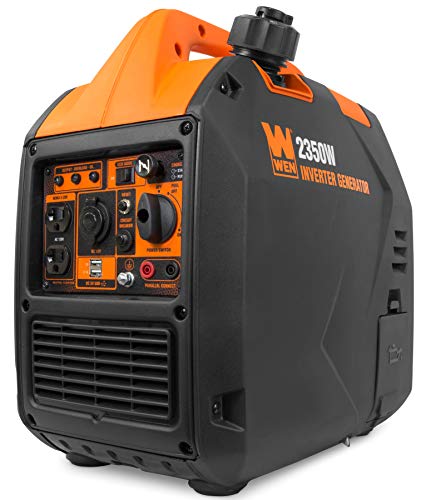
The WEN 56235i is a compact 2350-watt portable inverter generator designed for campers, RVers, tailgaters, and homeowners seeking reliable backup power without the racket of traditional generators. At just 39 pounds, it delivers 1900 rated watts of clean energy via a pure sine wave output, making it safe for charging laptops, tablets, phones, and running appliances like microwaves or small heaters.
Standout features include ultra-quiet 51 dB operation at quarter load, comparable to a normal conversation, and a fuel shut-off that uses up carburetor fuel before shutdown to fight clogs and extend life. Real-world performance shines in reviews: users report first-pull starts in freezing 16°F weather, seamless powering of RV microwaves and heaters, and eco-mode efficiency yielding over 5.7 hours at half load on one gallon. Parallel connection with another unit boosts power for bigger needs.
Build quality reflects WEN's decades of tool expertise, with a lightweight metal and plastic frame, intuitive panel with multiple outlets (two 120V, 12V DC, two USB), and safeguards like low-oil shutdown and overload protection. The 79cc 4-stroke engine is electronic ignition for easy starts, though oil changes every 25 hours are needed.
Minor drawbacks include slight oil consumption noted by some and occasional hard starts after months of storage, but proper maintenance mitigates these. Overall, it offers Honda-like quietness at a fraction of the cost.
Verdict: Excellent value for quiet, portable power. Ideal for anyone prioritizing convenience, reliability, and clean energy over heavy-duty commercial use.
Power: 2350 surge watts / 1900 running watts, 120V, 60 Hz
Engine: 79cc 4-stroke OHV, electronic ignition
Fuel & Runtime: Gasoline, 1-gallon tank, up to 10 hours
Outlets: 2x 120V 20A, 1x 12V DC 8.3A, 2x 5V USB (5 total)
Dimensions & Weight: 17.3 x 11.5 x 17.5 inches, 39 pounds
Noise Level: 51 dB at quarter load
Warranty: Two-year limited

Pros
- Extremely quiet operation at 52 dBA for peaceful use
- Multiple outlets including RV-ready and USB for versatile powering
- Dual fuel capability adds convenience and availability
- LED data center displays real-time stats like runtime and voltage
- Portable design with telescoping handle and never-flat wheels
Cons
- Weighs 62.8 pounds, challenging for one person to transport long distances
- May have initial residual oil or fuel odor from factory testing
- Propane hose required for LPG use, though included
The Westinghouse iGen4000DFc is a versatile dual fuel inverter generator designed for campers, RVers, tailgaters, and homeowners needing reliable portable power. With 4000 peak watts and 3300 running watts, it handles essentials like refrigerators, lights, and electronics while delivering clean sine wave power under 3% THD to protect sensitive devices.
Standout features include a super quiet 52 dBA operation, economy mode for up to 7 hours on a 1.69-gallon gas tank, and dual fuel support for gasoline or propane. The RV-ready TT-30R outlet, household duplex, and USB ports make it ideal for travel trailers or home backups. Remote start via key fob, electric push-button, or recoil ensures easy use, while the rotating LED data center shows voltage, runtime, and more for real-time monitoring.
Build quality shines with a lightweight 62.8-pound frame, telescoping suitcase-style handle, and never-flat wheels for easy portability. Safety features like automatic CO and low oil shutdown provide peace of mind. It's EPA compliant with a 3-year warranty and lifetime support.
Potential drawbacks include its weight for solo carrying and possible factory residual odor. Overall, it excels in quiet, efficient performance for recreational and emergency needs.
Verdict: A top choice for those prioritizing quiet, clean power and versatility in a portable package. Highly recommended for RV enthusiasts and campers seeking dependable backup power.
Power: 4000 peak watts, 3300 running watts, 120V, 60Hz
Fuel: Gasoline or Propane (Dual Fuel), 1.69-gallon (12.8L) tank, up to 7-hour runtime
Outlets: TT-30R RV Ready, 5-20R duplex, two USB, total 6 outlets
Features: CO sensor, remote/electric start, LED display, <3% THD, 52 dBA noise
Dimensions: 21.3 x 12.6 x 19.3 inches, 62.8 lbs, blue color

Pros
- Exceptionally quiet and fuel-efficient performance praised in real-world tests
- Multiple easy start options including reliable remote fob
- Portable design with telescoping handle and wheels for easy mobility
- RV-ready outlets and USB ports handle diverse power needs
- Automatic safety features like low oil and overload protection
Cons
- Heavy at 105.8 pounds, best moved by two people despite wheels
- Electric starter can be finicky on initial uses or when warm
- Remote start requires manual switch toggle, limiting full remote convenience
The Westinghouse iGen5000DFc is a premium dual fuel inverter generator delivering 5000 peak watts and 3900 running watts, perfect for RV camping, tailgating, or home emergency backup. Its variable speed engine adjusts output for efficiency, making it a go-to for users needing clean, stable power for sensitive electronics like laptops and TVs without surging or distortion.
Standout features include a super quiet 52 dBA noise level, rivaling conversation volume, and an impressive 18-hour runtime on gasoline in economy mode. Reviewers highlight its effortless remote electric start, LED data center displaying runtime, fuel, and load, plus dual fuel capability for propane versatility during outages or remote trips. It powers space heaters, fridges, and multiple devices simultaneously without faltering, backed by real-user tests.
Build quality shines with a lightweight 105.8-pound frame, telescoping suitcase handle, and wheels for one-person transport over varied terrain. The durable enclosure houses a 224cc 4-stroke engine with safety shutoffs for low oil, overload, and CO detection. Accessories like oil, propane hose, and tools arrive ready-to-use, with intuitive controls earning praise for arthritis-friendly handling.
Minor drawbacks include the weight requiring two-person lifting from the box and occasional starter hiccups on first runs, resolved by persistence or recoil. Panels may vibrate slightly under load, and full remote use needs the main switch on.
Overall, the iGen5000DFc excels as a reliable, quiet powerhouse for recreational and backup needs, with strong performance and safety features justifying its spot among top inverters. Highly recommended for those prioritizing portability and clean power.
Power: 5000 peak watts / 3900 running watts at 120V, 60Hz
Fuel: Dual fuel (gasoline 3.4 gal tank / propane), up to 18-hour runtime
Outlets: TT-30R RV-ready, 5-20R duplex (x2), USB (x2); 5 total
Features: Remote electric start, CO sensor, <3% THD, economy mode, LED data center
Dimensions: 24.5 x 17.5 x 20 inches; 105.8 lbs; Blue color
Warranty: 3-year limited with lifetime tech support
Users rave about the quiet operation comparable to smaller units, easy setup with included oil and tools, and reliable power for fridges, heaters, and camping gear. Many note quick propane starts and accurate load metering.
Positive highlights include sturdy packaging, wheels aiding mobility for those with mobility issues, and strong break-in performance under 50% load. International buyers confirm solid arrival and performance.
Some mention initial startup needs patience to clear residual oil, and suggest silencers for overnight camping quietness.

Pros
- Highly portable with handle and low 37.5 lb weight
- Extended 5-hour runtime reduces refueling needs
- Versatile outlets for multiple devices
- Compact size fits easily in vehicles for camping
- Strong power output for its class
Cons
- Requires non-leaded gasoline and oil mixture for 2-stroke engine
- Recoil start demands manual effort
- Not rated for high-draw appliances like AC units
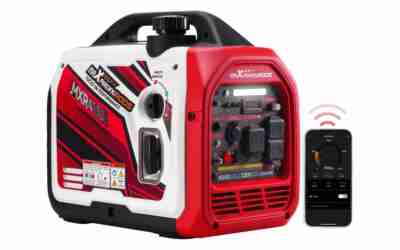
The Pulsar PG1202SA is a gas-powered portable generator delivering 1200 peak watts and 900 running watts, designed for campers, outdoor enthusiasts, and homeowners seeking backup power. Its single-cylinder 2-stroke engine with recoil start powers tools, lights, and chargers via two 120V outlets and one 12V DC output, making it perfect for recreation or light residential use.
Standout performance comes from the 1.1-gallon fuel tank, offering up to 5 hours of continuous operation at half load, which keeps devices running through long evenings at the campsite without frequent refills. The compact, durable build with a carrying handle enhances portability, allowing users to haul it easily to remote locations.
Build quality shines in its rugged yet lightweight 37.5-pound frame, ideal for tossing in a truck bed or RV. However, the 2-stroke engine needs a gasoline-oil mix, and recoil starting requires some pull strength, while it's not suited for power-hungry items like air conditioners.
Overall, the PG1202SA excels as an affordable, reliable choice for portable power needs, earning its place for anyone prioritizing convenience and runtime in outdoor settings. Verdict: Highly recommended for camping and emergencies.
Brand: Pulsar
Wattage: 1000 watts
Fuel Type: Non-leaded gasoline and oil mixture
Power Source: Gas-powered
Recommended Uses: Camping, Residential
Item Weight: 37.5 Pounds
Voltage: 120 Volts
Output Wattage: 1200 Watts
Special Features: Durable, Portable
Included Components: PG1202SA generator
Portable Generators For Travel: Our Picks Against the Numbers
Lightweight Power for Essentials: WEN 56235i 2350W Super Quiet Portable Inverter Generator – Ultra Lightweight 39lbs, Fuel Shut-Off, Clean Power for Camping RV
With 1900 rated watts, this WEN model is an excellent choice for basic travel needs, providing ample clean power for sensitive electronics. Its 39-pound weight makes it exceptionally portable, ideal for campers or tailgaters who prioritize ease of transport.
Skip this if: You need to power high-wattage appliances like an RV air conditioner or microwave, as its output may be insufficient for continuous heavy loads.
View on Amazon.comVersatile Dual-Fuel for RVs: Westinghouse iGen4000DFc 4000 Peak Watt Dual Fuel Inverter Generator – Super Quiet RV Ready Remote Start CO Sensor
Offering 3300 rated watts, the iGen4000DFc provides a significant power bump, making it suitable for many RV applications, including running a small air conditioner or multiple appliances. Its dual-fuel capability adds flexibility for longer trips where gas or propane might be more readily available.
Skip this if: You’re looking for the absolute lightest generator for minimalist travel; its increased power comes with a larger footprint and weight compared to smaller inverter models.
View on Amazon.comHigh-Capacity Dual-Fuel for Extended Use: Westinghouse iGen5000DFc 5000W Peak Dual Fuel Inverter Generator – Super Quiet RV Ready Remote Start CO Sensor
With 3900 rated watts, this Westinghouse model steps up the power even further, ideal for those who need to run more demanding appliances or multiple devices simultaneously in an RV or during extended outdoor events. The enhanced fuel efficiency and longer run time on its 3.4-gallon tank make it a workhorse.
Skip this if: Your power needs are minimal, or space and weight are extremely limited, as its higher output corresponds to a larger and heavier unit.
View on Amazon.comBudget-Friendly Compact Power: Pulsar PG1202SA 1200W Portable Gas Generator with Handle – Compact Camping Powerhouse
The Pulsar PG1202SA, with 900 running watts, is a straightforward and compact option for basic power needs during travel. It’s particularly well-suited for light camping or emergencies where only a few essential items like lights or small chargers are required.
Skip this if: You require clean inverter power for sensitive electronics or need to run appliances like RV air conditioners, as this model is not designed for such demands and specifically notes it’s not for AC units.
View on Amazon.comQuick Comparison: Side by Side
- – Ultra-Quiet & Lightweight.
- – Reliable Cold-Weather Starts.
- – Clean Power for Electronics.
- – Extremely Quiet at 52dBA.
- – RV-Ready & USB Outlets.
- – Dual Fuel Flexibility.
- – Quiet & Fuel-Efficient.
- – Remote Fob Start.
- – Telescoping Handle & Wheels.
- – Lightweight at 37.5 lbs.
- – 5-Hour Runtime.
- – Versatile Outlets.
- – Oil Change Every 25 Hours.
- – Minor Oil Burn Risk.
- – Hard Start After Long Storage.
- – Heavy at 62.8 lbs.
- – Minor Residual Oil Odor.
- – Propane Hose Required (Included).
- – Heavy at 105.8 lbs.
- – Finicky Electric Starter.
- – Remote Needs Manual Switch Toggle.
- – Needs Gas/Oil Mix.
- – Manual Recoil Start.
- – Not for High-Draw Appliances.
Other Things That Matter for Portable Generators For Travel
Portability and Weight
For travel-friendly generators, weight and ease of transport are paramount. Whether you’re hauling it in and out of a car, an RV, or carrying it to a campsite, a lighter unit with a comfortable handle or even wheels can make a significant difference. Consider how far you’ll need to move it and if it will fit easily into your vehicle’s storage space. For more options in portable power, explore our main Portable Generators category page.
Fuel Type and Efficiency
Generators for travel often come in gasoline-powered or dual-fuel (gasoline and propane) options. Dual-fuel models offer greater flexibility, as propane can be easier to store and has a longer shelf life. Fuel efficiency is also key; a generator that sips fuel will save you money and reduce the need for frequent refueling, especially on longer trips. Look for models with an “Economy Mode” for maximum runtime. For other fuel considerations, check out our insights on various Fuel Types for generators.
Noise Level
Nobody wants a roaring generator to disrupt the tranquility of a campsite or a quiet outdoor gathering. Inverter generators, in particular, are known for their quiet operation, often comparable to a normal conversation. When choosing a generator for travel, prioritize models with low decibel ratings, especially if you plan to use it in close proximity to others or during quiet hours.
Why Trust Our Reviews
At WikiGenerators.com, our mission is to provide comprehensive, unbiased reviews to help you make informed decisions. We meticulously research product specifications, analyze user feedback, and compare features across a wide range of models. Our recommendations are based on a thorough understanding of generator technology and practical application, ensuring you get reliable advice without any hands-on testing claims.
Frequently Asked Questions
What’s the difference between surge watts and running watts?
Surge watts refer to the maximum power a generator can produce for a short burst, typically to start appliances with motors (like refrigerators or air conditioners). Running watts, also known as rated watts, are the continuous power a generator can produce for extended periods. When planning for travel, always calculate your needs based on running watts for consistent power.
Are inverter generators better for travel?
Generally, yes. Inverter generators are typically lighter, more fuel-efficient, and produce cleaner power (less than 3% Total Harmonic Distortion or THD), making them safe for sensitive electronics like laptops and smartphones. They are also significantly quieter than conventional generators, which is a major advantage for camping or RV use. Learn more about their benefits on our Inverter Generators category page.
What kind of maintenance do portable generators for travel require?
Regular maintenance is crucial for longevity and reliable performance. This typically includes checking and changing the oil, inspecting and cleaning the air filter, replacing the spark plug periodically, and stabilizing fuel if storing for long periods. Always consult your generator’s owner’s manual for specific maintenance schedules and instructions.
Can I use a portable generator inside my RV or tent?
No, never operate a gasoline or dual-fuel generator inside an RV, tent, or any enclosed space. Generators produce carbon monoxide, a colorless, odorless, and deadly gas. Always operate generators outdoors in a well-ventilated area, away from windows and doors, to prevent carbon monoxide poisoning.