Our editorial team weighed EFECOFLOW's published specifications and how it stacks up against similar products in the generators category. What stands out: 3,000+ Cycle Battery Lifespan, Rapid Multi-Source Charging, and 1000W Output. Where it falls short: Ships in Separate Packages and Heavy at 28.6 lbs. That puts it at 8.5/10 on our WG Score – an excellent, well-rounded option.
 Reviewed byEthan
Choosing the right portable power station can be a game-changer for everything from camping trips to emergency home backup. In this head-to-head review, we cut through the noise to compare the leading contenders for the title of portable power stations in 2026. While there are many options available, most users will find their ideal match among a select few top performers. We’ve narrowed down the field to help you make an informed decision without sifting through countless models. For more specialized power needs, you might also consider portable power stations with UPS functionality.

Pros
- Ultra-fast charging and high output praised in reviews for camping and outages
- Quiet operation even under load, ideal for indoor and nighttime use
- Intuitive app for monitoring, UPS, and custom settings enhances control
- Sturdy build powers fridges, heaters, and appliances reliably
- Multiple ports and fast solar compatibility for off-grid flexibility
Cons
- No battery expansion option prioritizes portability over scalability
- Charging slows below 20°C, delaying ultra-fast mode in cold conditions
- Not suited for high inrush devices like compressors or pumps
The Anker SOLIX C1000 Gen 2 is a versatile 1024Wh portable power station designed for campers, RV enthusiasts, home backup users, and anyone needing reliable off-grid power. With 2000W continuous output and a 3000W surge, it powers essentials like refrigerators, CPAP machines, laptops, and even microwaves, making it perfect for outages, tailgating, or remote work.
Standout features include 49-minute ultra-fast AC recharging via HyperFlash technology and 1.8-hour solar input up to 600W, allowing quick top-ups for extended adventures. Reviewers highlight its real-world performance: running fridges for days, boiling kettles on camping trips, and seamless UPS switchover under 10ms to prevent device interruptions. The app enables TOU mode for cost savings and detailed monitoring, even offline.
Build quality impresses with a compact 15.1 x 8.2 x 9.6-inch frame that's 14% smaller and 11% lighter than competitors, complete with handles for easy transport. It operates quietly under moderate loads, with a bright LCD and robust ports including multiple AC, USB-C, and car outlets. The LiFePO4 battery ensures safety and a 10-year lifespan after 4000 cycles.
Drawbacks include no expansion capability for those needing more capacity, slower charging in temperatures below 20°C, and unsuitability for devices with high startup surges like pumps. At 24.9 pounds, it's portable but not ultralight for long hikes.
Overall, the C1000 Gen 2 excels as a fast-charging, portable powerhouse for everyday backups and adventures, earning high praise for reliability and value. Ideal if you prioritize speed and mobility over massive scalability.
Capacity: 1024Wh LiFePO4 battery
Output: 2000W continuous, 3000W peak surge
Ports: 10 total (multiple AC, USB-C, USB-A, car outlet)
Recharge: 49 min AC (1600W max), 1.8 hrs solar (600W max)
Dimensions & Weight: 15.1 x 8.2 x 9.6 inches, 24.9 lbs
Warranty: 5 years, with 10-year battery lifespan
Users rave about powering refrigerators overnight, running diesel heaters on 5-day camping trips, and seamless UPS for networks during outages. Many note its quiet fans, sturdy build, and app features like storm guard and customizable limits.
Campers appreciate the portability for essentials like kettles and lights, while home users value fast recharges and TOU savings. Consistent 5-star feedback on value, especially on sale.

Pros
- Exceptional battery lifespan with 3000+ cycles
- Rapid charging speeds from multiple sources
- High 1000W output for multiple devices
- Portable and weatherproof build
- Complete kit with cables and case included
Cons
- Ships in separate packages, requiring patience for full delivery
- Weighs 28.6 pounds, less ideal for ultra-light backpacking
- Requires separate handling for optimal solar positioning
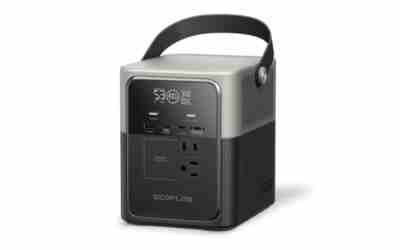
The EcoFlow River 2 Max Solar Generator is a compact 512Wh LiFePO4 power station paired with a 160W portable solar panel, designed for campers, RVers, outdoor enthusiasts, and those seeking reliable home backup power. It replaces noisy gas generators with clean, silent renewable energy, recharging via solar in as little as 4 hours or AC outlet in 60 minutes.
Standout features include a 1000W output capable of running 11 devices simultaneously, covering 80% of typical home appliances like fridges, lights, and tools. The LiFePO4 battery delivers over 3000 charge cycles for nearly a decade of use, while the IP68-rated solar panel ensures weatherproof performance in rain or shine. Real-world use shines in off-grid scenarios, with fast top-ups from car outlets or USB-C for extended trips.
Build quality impresses with a lightweight, travel-friendly design at 10.6 x 10.2 x 7.7 inches and durable construction that handles high temperatures safely. The folding panel with kickstand sets up easily anywhere, making it a true grab-and-go companion.
Potential drawbacks include separate shipping of components and a 28.6-pound total weight, which may feel hefty for solo backpackers. Solar efficiency depends on sunlight, so cloudy days extend recharge times.
Overall, the River 2 Max excels as a long-lasting, versatile power solution. Verdict: Highly recommended for anyone prioritizing portability, durability, and eco-friendly energy.
Product Dimensions: 10.6 x 10.2 x 7.7 inches
Item Weight: 28.6 pounds
Manufacturer: EF ECOFLOW
ASIN: B0BR5NM8L4
Item Model Number: EFR610
Batteries: 1 Lithium Ion (included)
Voltage: 120 Volts
Battery Cell Composition: Lithium Ion
Special Features: Durable, Portable
Color: Black

Pros
- Pure sine wave output protects electronics and runs quieter than modified sine wave units
- Versatile charging methods including solar compatibility for true off-grid use
- Compact and lightweight for easy transport during outdoor activities
- Strong real-world performance for CPAP, phones, and small appliances per user reviews
- Passthrough charging allows use while recharging without interruption
Cons
- Limited to 300W output, cannot power high-draw appliances like microwaves or grills
- Full recharge takes several hours, especially from car or solar
- Ports exposed, not fully rugged for wet or dusty outdoor environments without protection
The EnginStar R300 is a versatile 300W portable power station with 296Wh capacity, designed for campers, hunters, emergency preparedness, and CPAP users needing reliable backup power. Weighing just 6.5 pounds and measuring 9 x 5.5 x 7.6 inches, it delivers essential power for phones, laptops, cameras, mini-fridges, and lights without the bulk of larger generators.
Standout features include two 110V pure sine wave AC outlets for clean, stable power that safeguards sensitive electronics, plus DC, USB-A, USB-C, and regulated 12V/24V outputs for simultaneous multi-device charging. Users praise its real-world runtime, like powering CPAP machines for hours, running radios all week, or keeping lights on during outages. The LCD display provides clear visibility into battery levels, input/output wattage, and remaining time, while three charging methods (AC wall, car, or 12-25V solar) ensure flexibility off-grid.
Build quality is solid with a metal frame and high-quality lithium-ion batteries supporting over 1000 cycles, backed by overload and temperature protection. The integrated flashlight adds utility for emergencies. Reviewers highlight its role as an effective UPS replacement and camping companion, though the fan can be audible under heavy loads.
Drawbacks include the 300W limit excluding high-power devices and longer recharge times compared to premium models. Ports lack weatherproofing, so extra care is needed in rain.
Verdict: Excellent value for portable, reliable power in moderate scenarios. Ideal for weekend campers, remote workers, or anyone prioritizing CPAP/emergency backup over heavy-duty needs.
Capacity: 296Wh / 80,000mAh Lithium-ion
AC Output: 110V Pure Sine Wave, 300W (60Hz)
DC Output: 12V/8A, 24V/3A
USB Outputs: 5V/3.1A (USB-A), USB-C (18W max)
Weight: 6.5 lbs | Dimensions: 9 x 5.5 x 7.6 inches
Operating Temp: -4°F to 113°F | Recharge Temp: 32°F to 113°F
Charging: Wall (65W, 80% in 2 hours), Car, Solar (12-25V panel separate)
Warranty: 12 months limited

Pros
- Highly portable and compact for easy transport
- Multiple recharging options including solar, wall, and car
- Reliable emergency power as praised in user reviews for phones and small appliances
- Includes all essentials like adapters and manual out of the box
- Built-in protections for safety and longevity
Cons
- Solar charging slows without direct intense sunlight
- Runtime varies and limits high-wattage continuous use like fans for 4-6 hours
- Full recharge takes 5-7 hours depending on method
The MARBERO M155SL30 is a compact 155Wh solar generator kit paired with a 30W foldable panel, designed for anyone needing reliable backup power during home blackouts, camping trips, or RV adventures. It excels at powering essentials like phones, laptops, fans, and lights without the noise or bulk of traditional generators, making it perfect for urban dwellers facing outages or outdoor enthusiasts seeking off-grid convenience.
Standout features include two 100W AC outlets (150W peak), QC3.0 USB for rapid device charging, and multiple ports to run several gadgets at once. Users report strong real-world performance, such as keeping phones charged during disasters, powering hotspots and weather stations, or running small fans for hours. The efficient solar panel provides pass-through charging, and flexible recharge via wall, car, or sun keeps it ready anywhere.
Build quality shines with its lightweight 3.7 lb frame, durable ABS material, and intuitive LCD screen for monitoring power flow. The silent fan cooling system ensures quiet use, ideal for sleeping or focused work. Protections against overload, short circuits, and overvoltage add peace of mind.
Drawbacks include slower solar charging on cloudy days and limited runtime for power-hungry devices, requiring manual AC restart after low battery cutoffs. Still, its value as a portable lifesaver outweighs these for most users.
Verdict: A top pick for portable solar power needs, earning high marks for versatility and ease. Ideal if you want lightweight emergency readiness without complexity.
Capacity: 155Wh | AC Output: 2x 100W (150W peak) | USB: 1x QC3.0, 2x Standard | Solar Panel: 30W, 23% efficiency.
Recharge Time: Solar/Wall ~6-7 hours, Car ~7 hours | Weight: 3.7 lbs power station (5.4 lbs total) | Dimensions: 8.34 x 3.62 x 7.4 inches.
Features: Silent fan, LCD display, multiple protections, flashlight. Warranty: 12 months.
Portable Power Stations: How the Top Picks Compare
Which offers the most power output for heavy-duty use?
When it comes to raw power output, the Anker SOLIX C1000 Gen 2 Portable Power Station takes a clear lead with its impressive 2,000W continuous output (and 3,000W peak). This significantly surpasses the EcoFlow River 2 Max’s 1000W output and the EnginStar R300’s 300W, making the Anker ideal for running power-hungry appliances or multiple devices simultaneously. The MARBERO 155Wh Solar Generator, with its 100W rated AC outlets, is best suited for lighter loads.
Which recharges fastest for quick turnaround?
The Anker SOLIX C1000 Gen 2 stands out with its HyperFlash tech, allowing a full recharge in just 49 minutes at 1,600W. This ultra-fast charging capability is a significant advantage over other models, such as the EcoFlow River 2 Max, which charges in 60 minutes. This rapid recharge feature is crucial for users who need to quickly replenish their power station between uses, whether for emergency preparedness or back-to-back outdoor adventures.
Which provides the longest-lasting battery life?
Both the Anker SOLIX C1000 Gen 2 and the EcoFlow River 2 Max are built with LiFePO4 battery technology, known for its longevity. The Anker boasts 4,000 cycles to 80% capacity, while the EcoFlow offers 3,000+ cycles. This means both units are designed to last for many years of daily use, offering excellent long-term value and reliability for users seeking durable power solutions. Consider these models if you’re looking for a LiFePO4 solar generator.
Our Final Picks for 2026
Choose Anker SOLIX C1000 Gen 2 Portable Power Station: 2000W Solar Generator, 1024Wh LiFePO4, 49-Min Fast Charge for Camping, Home Backup if you need a high-capacity, high-output portable power station that recharges exceptionally fast, suitable for extensive home backup, powering multiple devices, or demanding outdoor activities.
View on Amazon.comChoose EcoFlow River 2 Max 512Wh LiFePO4 Solar Generator + 160W Panel: 1000W Output, 60Min AC Charge, 3000+ Cycles for Camping & Backup if you’re looking for a reliable, long-lasting power station with a good balance of capacity and portability, especially when bundled with a solar panel for off-grid charging.
View on Amazon.comChoose EnginStar R300 300W Portable Power Station 296Wh 80000mAh Pure Sine Wave AC for Camping CPAP Emergencies if your primary need is a compact, lightweight power bank for smaller devices, CPAP machines, or light camping use, where extreme power output isn’t a priority.
View on Amazon.comChoose MARBERO 155Wh Solar Generator with 30W Panel – Portable Power Station 100W AC QC3.0 USB Ultra-Light Silent for Camping RV Blackouts if you prioritize ultra-portability and a bundled solar charging solution for minimal power needs during camping, RV travel, or minor power outages.
View on Amazon.comBuying Guide for 2026
Understanding Capacity (Wh) and Output (W)
The capacity of a portable power station, measured in Watt-hours (Wh), tells you how much energy it can store. The output, measured in Watts (W), indicates how much power it can deliver at any given moment. For example, the Anker SOLIX C1000 Gen 2 has a 1,024Wh capacity and a 2,000W output. This means it could theoretically power a 100W light bulb for over 10 hours (1024 Wh / 100 W = 10.24 hours). Matching these numbers to your needs is crucial. A higher Wh capacity means longer runtimes for your devices, while a higher W output allows you to power more demanding appliances.
Recharge Speed and Methods
How quickly a portable power station recharges can be as important as its discharge capacity. Many models offer multiple recharging methods, including wall outlets, car chargers, and solar panels. The Anker SOLIX C1000 Gen 2, for instance, can fully recharge from a wall outlet in just 49 minutes, while its solar charging time is 1.8 hours with 600W solar input. Consider your typical usage scenarios: if you’re often on the go or need rapid replenishment, prioritizing fast AC charging is key. For extended off-grid situations, efficient solar charging, like that offered by the EcoFlow River 2 Max with its included 160W solar panel, becomes paramount.
Portability and Durability
The physical characteristics of a portable power station greatly influence its usability. Weight and size are crucial factors, especially for camping or travel. The MARBERO 155Wh Solar Generator, weighing only 3.7 lbs, exemplifies ultra-light portability, making it easy to carry. Durability is also a consideration; LiFePO4 batteries, found in models like the Anker and EcoFlow, offer excellent cycle life, contributing to the overall robustness and longevity of the unit. For robust options, explore heavy-duty solar generators.
Why Trust Our Reviews
At WikiGenerators.com, our goal is to provide clear, unbiased information to help you find the best power solutions. Our reviews are based on thorough research of product specifications, manufacturer data, and extensive user feedback. We analyze key features, performance metrics, and overall value to present you with a comprehensive comparison of each product. We do not conduct hands-on testing, but rather aggregate and analyze publicly available data to give you a well-rounded perspective.
Frequently Asked Questions
What are the primary uses for a portable power station?
Portable power stations are incredibly versatile, serving a wide range of needs. Common uses include emergency home backup during power outages, powering tools and appliances at campsites or RVs, providing electricity for outdoor events, and serving as a reliable power source for remote work setups. They are also excellent for charging devices like laptops, phones, and drones on the go.
How long can a portable power station hold its charge?
The standby time for a portable power station varies significantly by model and battery chemistry. Many modern portable power stations, especially those with LiFePO4 batteries, can retain a substantial portion of their charge for several months when stored properly. For instance, models like the Anker SOLIX C1000 Gen 2 are designed for long-term reliability, making them suitable for emergency preparedness kits.
Can all portable power stations be charged by solar panels?
While many portable power stations offer solar charging capabilities, it’s not universally true for all models. Always check the product specifications to confirm solar input compatibility and the recommended solar panel wattage. Some power stations, like the EcoFlow River 2 Max, come bundled with solar panels, providing an immediate solution for sustainable recharging.
What is the difference between Watt-hours (Wh) and Watts (W)?
Watt-hours (Wh) measure the total energy capacity of the battery, indicating how long it can deliver power. Watts (W), on the other hand, measure the instantaneous power output, showing how much power the station can provide at any given moment. Think of Wh as the size of the fuel tank and W as the engine’s horsepower. A 1000Wh station can power a 100W device for approximately 10 hours, assuming no efficiency losses.
Quick Comparison: Side by Side
- – Ultra-Fast Charging, High Output.
- – Quiet Under Load, Indoor-Friendly.
- – Intuitive App With UPS Controls.
- – 3,000+ Cycle Battery Lifespan.
- – Rapid Multi-Source Charging.
- – 1000W Output.
- – Pure Sine Wave, Quiet Operation.
- – Versatile Solar Charging.
- – Compact & Lightweight.
- – Highly Portable & Compact.
- – Multiple Recharging Options.
- – Reliable Emergency Power.
- – No Battery Expansion Option.
- – Slower Charging Below 20°C.
- – Not for High-Inrush Devices.
- – Ships in Separate Packages.
- – Heavy at 28.6 lbs.
- – Needs Separate Solar Positioning.
- – 300W Output Limit.
- – Several Hours to Full Recharge.
- – Ports Exposed, Not Fully Rugged.
- – Solar Needs Direct Sunlight.
- – Limited High-Wattage Runtime (4-6h).
- – 5-7 Hour Full Recharge.