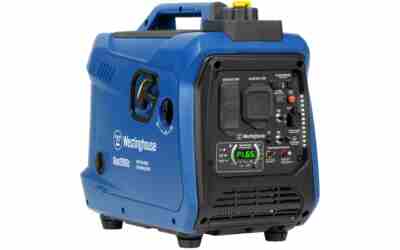
Our editorial team weighed MARBERO's published specifications and how it stacks up against similar products in the generators category. What stands out: Versatile Device Outputs, Efficient Solar Recharging, and Compact & Lightweight. Where it falls short: Modest 148Wh Capacity and Slow 40W Solar Charging. That puts it at 7.9/10 on our WG Score – a solid, dependable choice.
 Reviewed bySarah Watts
Whether you’re planning an extended off-grid adventure, preparing for unexpected power outages, or simply need a reliable energy source for your remote campsite, the right solar powered camping generator can make all the difference. These portable power stations harness the sun’s energy to keep your essential devices charged and your small appliances running, offering a clean and quiet alternative to traditional gas generators. We’ll help you navigate the options to find the perfect fit for your outdoor needs, from compact units for light use to more robust systems for extended trips. For those needing power specifically for tent camping, consider exploring our guide to the best portable generators for tent camping.

Pros
- Exceptionally quiet at 23dB, ideal for sleeping near the unit during camping
- Fast recharging and high output handle multiple devices like fridges and projectors reliably
- Durable LiFePO4 battery offers long lifespan and safer operation than standard lithium-ion
- Intuitive display and multiple ports including solar input for flexible power sources
- Solid build quality from DJI, competing favorably with EcoFlow and Jackery
Cons
- Weighs 28.6 pounds, making it less ideal for backpacking hikes
- Solar panel sold separately, requiring additional purchase for full off-grid capability
- Runtime varies by load, around 1 hour for high-watt appliances like kettles
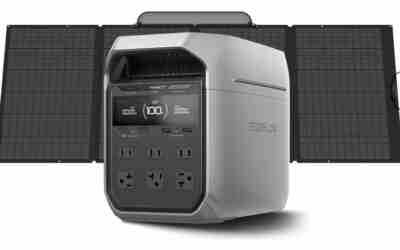
The DJI Power 1000 is a premium portable power station designed for campers, RV enthusiasts, home backup users, and drone operators needing reliable off-grid energy. With a 1024Wh LiFePO4 battery, it powers high-demand appliances up to 2200W continuous (2600W peak), from mini-fridges to power tools, making it versatile for outdoor adventures or emergency home use.
Standout features include ultra-fast 70-minute full recharge via AC, dual 140W USB-C outputs for laptops and cameras, and solar compatibility up to 800W. Real-world performance shines in reviews: users power RVs overnight, run projectors for movie nights, and use it as a silent UPS with 20ms switchover, outperforming noisier competitors like EcoFlow Delta 2. The 23dB operation is whisper-quiet, perfect for serene camping.
Build quality reflects DJI's precision engineering, with a sleek grey design, intuitive display, and robust ports. The LiFePO4 battery ensures 4000 cycles for decade-long reliability and enhanced safety over standard lithium-ion packs. At 28.6 pounds, it's portable for car trips but hefty for long hikes.
Minor drawbacks include the weight and optional solar panel, but these don't detract from its core strengths. Overall, the DJI Power 1000 earns high marks for power, silence, and durability, making it a top pick for demanding portable energy needs.
Capacity: 1024Wh LiFePO4 battery (4000 cycles)
Output: 2200W continuous / 2600W peak, 110V, 8 AC outlets + USB-C (140W x2)
Recharge: 70 mins AC full charge, 800W max solar input
Noise: 23dB ultra-silent
Dimensions: 19.2 x 8.85 x 9.05 inches, 28.6 lbs
Warranty: Up to 5 years
Choose DJI Power 1000 if you need silent, high-output power for camping, RVing, or home UPS. Pair with solar for off-grid; upgrade to Power 2000 for larger capacity. Ideal for DJI drone users extending flight times.
Avoid if ultralight portability is key; consider lighter models for backpacking.

Pros
- Versatile outputs support a wide range of devices from phones to small appliances
- Multiple recharging options including efficient solar for true portability
- Compact, lightweight design ideal for travel and outdoor activities
- High solar efficiency and smart safeguards enhance reliability
- Complete kit with all adapters and manual included
Cons
- 148Wh capacity limits runtime for high-power devices like larger appliances
- 40W solar panel recharges slowly in low light or cloudy conditions
- Entry-level 200W output not suited for heavy-duty continuous use
The MARBERO 148Wh Solar Generator kit pairs the M822 portable power station with a 40W foldable solar panel, ideal for campers, hikers, fishers, and anyone needing backup power during outages or off-grid trips. This electric generator provides 200W continuous output (270W peak) through diverse ports, keeping essentials like phones, laptops, cameras, and lights running without fuel hassles.
Standout features include multiple outputs: two AC sockets, QC3.0 USB-A, USB-C PD (18W), standard USB-A, and DC port, powering various devices efficiently. The solar panel's 21.5-23.5% conversion rate and smart chip deliver optimal charging speeds while preventing overcharge or overload. Real-world performance shines for light to moderate loads, with solar recharging viable in sunlight and wall/car options for quick top-ups in 7-8 hours.
Design prioritizes portability with the 3.3lb station (7.6x3.6x5.4 inches) and 2.3lb panel (folds to 8x10x1 inches), made from durable ABS plastic. Safety features like short circuit and over-voltage protection add peace of mind, and the complete kit includes all necessary cables and adapters.
Drawbacks include the modest 148Wh capacity, which suits short trips but not extended heavy use, and solar-only recharging that depends on good weather. The 200W limit also means it's best for smaller gadgets rather than power-hungry tools.
Overall, this MARBERO kit earns high marks for portability and value in outdoor and emergency scenarios, making it a smart pick for adventurers seeking lightweight, solar-ready power.
Capacity: 148Wh | Output: 200W (270W peak) | Weight: Power station 3.3lbs, Solar panel 2.3lbs
Ports: 2x AC, 2x USB-A QC3.0, 2x USB-A, 1x USB-C PD, 1x DC | Recharge: AC (7-8hrs), Solar, Car
Solar Efficiency: 21.5-23.5% | Battery: Lithium Ion | Warranty: 12 months
1x MARBERO M822 Portable Power Station, 1x 40W Folding Solar Panel, 1x Power Adapter, 1x Cigarette Lighter Adapter, 1x User Manual.

Pros
- Exceptionally lightweight and compact for hiking and travel
- Powers devices reliably during outages and camping trips
- Versatile outputs support diverse gear like routers and fans
- Efficient solar panel extends runtime in sunlight
- Quick AC recharging in 7-8 hours
Cons
- Solar recharging can be slow without direct sunlight
- Battery drains faster with multiple high-draw devices simultaneously
- Built-in flashlight limited for extended camping use
The MARBERO 172Wh solar generator kit combines a compact 200W power station with a 40W foldable solar panel, perfect for campers, hikers, fishers, and anyone needing emergency backup power for CPAP machines or home outages. It delivers reliable electricity off-grid, powering essentials like phones, laptops, routers, and small appliances without noise or fuel.
Standout features include multiple outputs for simultaneous charging, a high-efficiency solar panel with 21.5-23.5% conversion rate, and three recharging options: AC in 7-8 hours, car port, or solar. Users rave about its performance in real scenarios, like sustaining devices through snowstorms or multi-day camping, with fast device charging and solid runtime for lights and fans.
Design emphasizes portability with the 3.3lb power station (7.6x3.6x5.4 inches) and lightweight panel, plus safety features like overcharge and overload protection. Build quality feels premium with ABS material and intuitive LED indicators, though solar input lags in shade and heavy multi-device use reduces capacity.
Minor drawbacks include slower solar times and flashlight limitations, but overall, this kit excels for lightweight, versatile power needs. Verdict: Highly recommended for outdoor enthusiasts and preppers seeking dependable, portable energy.
Capacity: 172Wh | Output: 200W (270W peak) | Weight: Power station 3.3lbs, Panel 2.3lbs
Ports: 2 AC, 2 USB-A QC3.0, 2 USB-A, 1 USB-C PD, 1 DC | Recharge: AC, Solar, Car
Dimensions: Station 7.6x3.6x5.4in | Panel folded 8x10x1in | Power Source: Solar, Battery, AC
Safety: Overcharge, overload, short circuit protection | Color: Purple Black
Pros
- Highly portable and lightweight at 4 pounds with carry handle
- Long lighting runtime ideal for extended blackouts or night fishing
- Versatile outputs power lights, radio, and small devices effectively
- Easy solar or wall recharging works well in various conditions
- Includes all essentials like extension cables for hassle-free use
Cons
- Limited capacity drains quickly when charging phones alongside lights
- Solar panel recharges slowly in cloudy or cold weather
- Build quality feels cheap with occasional light or radio glitches
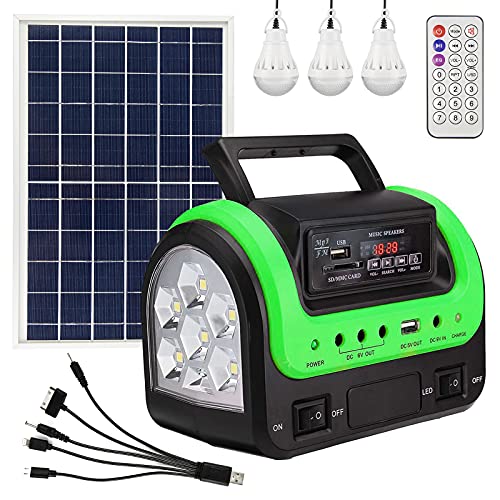
This portable solar generator from Upusa is a compact emergency power solution designed for home backups, camping, hunting, and outdoor activities. Measuring just 6.9 x 6.5 x 3 inches and weighing 4 pounds, it includes a power station with built-in flashlight and MP3/FM radio, a 10W solar panel, three detachable LED bulbs with 10ft extension cables, and USB ports for charging small devices like phones or e-readers. It's ideal for users needing lightweight, multi-function power without bulky equipment.
Standout features shine in real-world use: one bulb lasts up to 30 hours, two for 14 hours, and three for 8 hours, making it reliable for lighting tents or rooms during outages. Reviewers praise its phone-charging capability during camping trips and power cuts, with the radio adding entertainment value. Dual recharging via solar or AC works well in sunny conditions or indoors, and the individual bulb switches allow customized power management.
The green ABS plastic build is durable for portability, with overload protection and a handle for easy transport. However, some users note the battery depletes fast when powering devices beyond lights, solar charging lags in poor weather, and minor issues like flickering lights or weak radio reception occur occasionally.
Overall, this generator excels as an affordable entry-level kit for short-term emergencies and light outdoor use. It's a solid pick for dorms, RVs, or basic camping if you manage expectations on capacity, earning its place as a handy backup tool.
Brand: Upusa
Model: SDM-0603
Color: Green
Dimensions: 6.9 x 6.5 x 3 inches
Weight: 4 pounds
Power Source: Battery Powered (Solar/AC)
Wattage: 5W output, 10W solar panel
Voltage: 3.7V DC
Special Features: Overload protection, MP3/FM radio, flashlight, 3 LED bulbs
Outputs: DC/USB, 1 total outlet
Pros
- Lightweight and truly handheld size
- Comes complete with solar panel and lights
- Quiet gas-free operation
- Multiple recharge methods
Cons
- Only 4Wh capacity limits runtime for high-draw devices
- Low 5W solar input requires long recharge times
- No AC outlets for standard household appliances
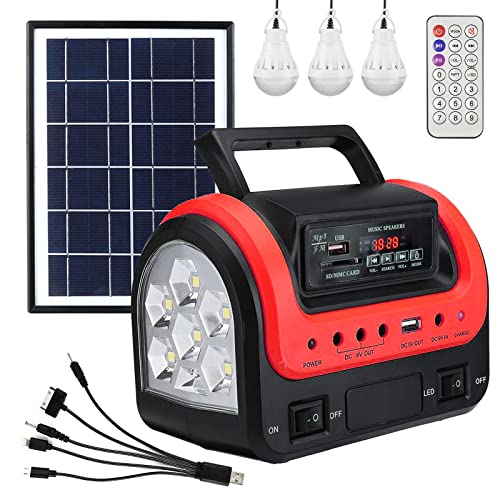
The Upusa SDM-0603 is a small solar generator built around a 12500mAh battery and paired 10W panel. It targets campers and homeowners needing basic off-grid lighting and device charging.
Standout elements include the three included LED bulbs with individual switches and long extension cords plus built-in radio. The unit weighs under two pounds and fits easily in a backpack.
Recharge occurs via the solar panel in 8-15 hours, wall adapter in 6-8 hours, or USB. Safety features cover overcharge and short circuits while promising over 3000 cycles.
Drawbacks center on the tiny 4Wh capacity and 5W solar input, which restrict use to low-power items only. No AC outlets are present.
Overall verdict: a niche ultra-portable kit for minimal emergency lighting and phone top-ups rather than full power station duties.
Which Solar Powered Camping Generators Fit Your Situation?
For Extended Off-Grid Camping Adventures
For campers who require substantial power over several days, the DJI Power 1000 stands out with its impressive 1024Wh LiFePO4 battery and 2200W continuous output. This generator can power high-wattage camping equipment, ensuring your comfort and connectivity even in remote locations. Its rapid recharging capabilities mean less downtime and more time enjoying nature.
Skip this if: you’re looking for an ultra-lightweight option for short trips or minimalist backpacking, as its higher capacity comes with a larger footprint and weight.
View on Amazon.comFor Lightweight and Compact Portability
The MARBERO 148Wh Solar Generator is an excellent choice for backpackers, hikers, or anyone prioritizing minimal weight and size. Weighing just 3.3 lbs for the power station and 2.3 lbs for its accompanying 40W foldable solar panel, this unit is designed for ultimate mobility. It provides sufficient power for charging phones, headlamps, and other small electronics during shorter excursions.
Skip this if: you need to power larger appliances or require extended runtime for multiple devices, as its 148Wh capacity is best suited for lighter use.
View on Amazon.comFor Emergency Preparedness and Essential Devices
The Portable Solar Generator with 10W Panel by Home provides a versatile solution for home emergency backup or camping. With its integrated LED flashlight and three additional LED bulbs, it’s particularly useful for maintaining illumination during power outages. Its 5W solar panel offers a reliable way to recharge, making it a dependable choice for unexpected situations.
Skip this if: you need to power high-drain devices or multiple appliances simultaneously, as its output is geared towards basic lighting and charging.
View on Amazon.comFor Quiet Operation and CPAP Machine Use
The DJI Power 1000 is notable for its ultra-silent operation, rated at just 23 dB. This makes it an ideal choice for situations where noise is a concern, such as powering a CPAP machine overnight in a tent or RV. Its robust battery capacity ensures it can comfortably run medical devices for extended periods without disturbance. You can find more options specifically for this use case in our guide to the best generators for CPAP camping.
Skip this if: your primary need is a budget-friendly option for occasional, very light use, as its advanced features and capacity come with a premium.
View on Amazon.comBuying Guide for 2026
Understanding Watt-Hours (Wh) and Wattage (W)
When selecting a solar powered camping generator, it’s crucial to understand the difference between watt-hours (Wh) and wattage (W). Watt-hours indicate the battery’s total energy storage capacity, essentially how much power it can hold. Wattage, on the other hand, refers to the power output at any given moment – how many watts an appliance can draw from the generator. For instance, the DJI Power 1000 boasts a 1024Wh capacity and a 2200W continuous output. This means it can store 1024 watt-hours of energy and deliver 2200 watts of power simultaneously. To put this into perspective, if you wanted to power a 60W camping light for an entire night (8 hours), you would need 480Wh (60W x 8 hours) of capacity. A 1024Wh unit like the DJI Power 1000 could theoretically power that light for over 17 hours (1024Wh / 60W).
Consider your typical power consumption. If you’re only charging phones and small USB devices, a generator with 150-200Wh, like the MARBERO 148Wh or 172Wh models, will suffice. For powering laptops, portable refrigerators, or medical devices, you’ll want a higher capacity, ideally 500Wh or more. Always check the wattage requirements of your most power-hungry devices to ensure the generator’s output can handle them.
Solar Panel Efficiency and Recharging Time
The effectiveness of a solar powered generator hinges on its solar panel efficiency and how quickly it can recharge. Panels with higher conversion rates, typically above 20%, will generate more power from the same amount of sunlight. Both MARBERO models, for example, feature panels with 21.5-23.5% conversion rates. The size and wattage of the included solar panel also directly impact recharging speed. A 40W panel will recharge a smaller battery faster than a 10W panel would a similar-sized battery, assuming optimal sunlight conditions.
Recharging times vary significantly. Some units offer fast-charging via AC outlets, while solar recharging can take anywhere from 6 to 15 hours depending on the panel’s wattage and sunlight intensity. For optimal performance, look for generators that allow for pass-through charging, meaning you can use them to power devices while they are simultaneously being recharged by the solar panel. This is particularly useful for continuous power during longer camping trips.
Portability and Durability for Outdoor Use
Since these generators are intended for camping, portability and durability are key considerations. Look for lightweight designs, especially if you plan on hiking with your generator. The MARBERO 148Wh model, at just 3.3 lbs, exemplifies excellent portability. Integrated handles and compact form factors make transportation easier. Additionally, consider the construction materials; units designed with robust casings can better withstand the rigors of outdoor environments, including minor impacts and varying weather conditions.
While many portable solar generators are built for outdoor use, few are completely waterproof. Always protect your generator from heavy rain and direct moisture. Check for features like dust resistance or reinforced corners that indicate a higher level of durability. For more options geared towards portability, check out our insights on the best portable battery generators for camping.
Quick Comparison: Side by Side
- – Exceptionally Quiet at 23dB.
- – Fast Recharging, High Output.
- – Durable, Safer LiFePO4 Battery.
- – Versatile Device Outputs.
- – Efficient Solar Recharging.
- – Compact & Lightweight.
- – Exceptionally Lightweight & Compact.
- – Reliable During Outages/Camping.
- – Versatile Device Outputs.
- – Lightweight at 4 lbs.
- – Long Lighting Runtime.
- – Versatile Outputs.
- – Truly Handheld Size.
- – Includes Solar Panel & Lights.
- – Quiet, Gas-Free Operation.
- – Heavy at 28.6 lbs.
- – Solar Panel Sold Separately.
- – ~1h Runtime on High-Watt Appliances.
- – Modest 148Wh Capacity.
- – Slow 40W Solar Charging.
- – 200W Output, Not Heavy-Duty.
- – Slow Without Direct Sunlight.
- – Faster Drain With Multiple Devices.
- – Limited Flashlight for Extended Use.
- – Drains Quickly With Phones.
- – Slow Solar Recharge in Cold/Cloud.
- – Occasional Light/Radio Glitches.
- – Tiny 4Wh Capacity.
- – Slow 5W Solar Input.
- – No AC Outlets.
Why Trust Our Reviews
Our commitment at WikiGenerators.com is to provide unbiased, thoroughly researched reviews to help you make informed purchasing decisions. We understand that choosing the right generator is a significant investment, and our methodology focuses on objective analysis of product specifications, manufacturer claims, and extensive user feedback. We do not conduct hands-on testing of these products; instead, our recommendations are based on a comprehensive evaluation of available data, ensuring our content remains impartial and trustworthy.
Our team meticulously sifts through technical specifications, feature sets, and real-world experiences shared by consumers to highlight the strengths and potential limitations of each product. This approach allows us to present a balanced perspective, identifying generators that excel in specific scenarios and those that might be a compromise in others, all without bias from direct product interaction or promotional incentives.
Frequently Asked Questions
How long do solar powered camping generators last on a single charge?
The runtime of a solar powered camping generator depends entirely on its battery capacity (measured in Watt-hours, Wh) and the power consumption of the devices you’re running. A 100Wh generator running a 10W LED light would last approximately 10 hours. Higher capacity units, like the DJI Power 1000 (1024Wh), can power small appliances for significantly longer or multiple devices simultaneously. Always check the Wh rating and the wattage of your devices to estimate runtime.
Can I use a solar generator to power a CPAP machine while camping?
Yes, many solar generators are suitable for powering CPAP machines. It’s crucial to select a generator with sufficient battery capacity (Wh) to last through the night and an AC output that matches or exceeds your CPAP machine’s wattage. Look for models known for quiet operation, such as the DJI Power 1000 with its 23 dB rating, to ensure a peaceful night’s sleep. For dedicated CPAP power solutions, refer to our guide on generators for CPAP camping.
Are solar panels always included with these generators?
Not always. While many portable power stations are marketed as ‘solar generators,’ some are sold as the power station unit only, with solar panels available separately. Always check the product description carefully to confirm if a solar panel is included in the package. The MARBERO 148Wh and 172Wh models, as well as the Home brand units, in our selection explicitly state that a solar panel is included.
How do I maintain my solar powered camping generator?
To ensure longevity, store your solar generator in a cool, dry place away from direct sunlight when not in use. It’s generally recommended to keep the battery charged to at least 50% for long-term storage. Clean the solar panels regularly to remove dust and debris that can reduce efficiency. Avoid overcharging or completely draining the battery frequently, as this can degrade battery health over time.
What is the benefit of a LiFePO4 battery in a solar generator?
LiFePO4 (Lithium Iron Phosphate) batteries offer several advantages for solar generators, including a longer lifespan with more charge cycles compared to traditional lithium-ion batteries. They are also known for enhanced safety, being less prone to overheating or thermal runaway. Additionally, LiFePO4 batteries maintain a more consistent voltage output throughout their discharge cycle, providing more stable power to your devices. The DJI Power 1000 features a LiFePO4 battery, contributing to its reliability and durability.